One Night of Mahashivratri Jagran vs 365 Days of Pooja - What the Shastras Actually Say
By SiddhiStar | Narwar Dham Parampara
15 May 2026 • 5 min read
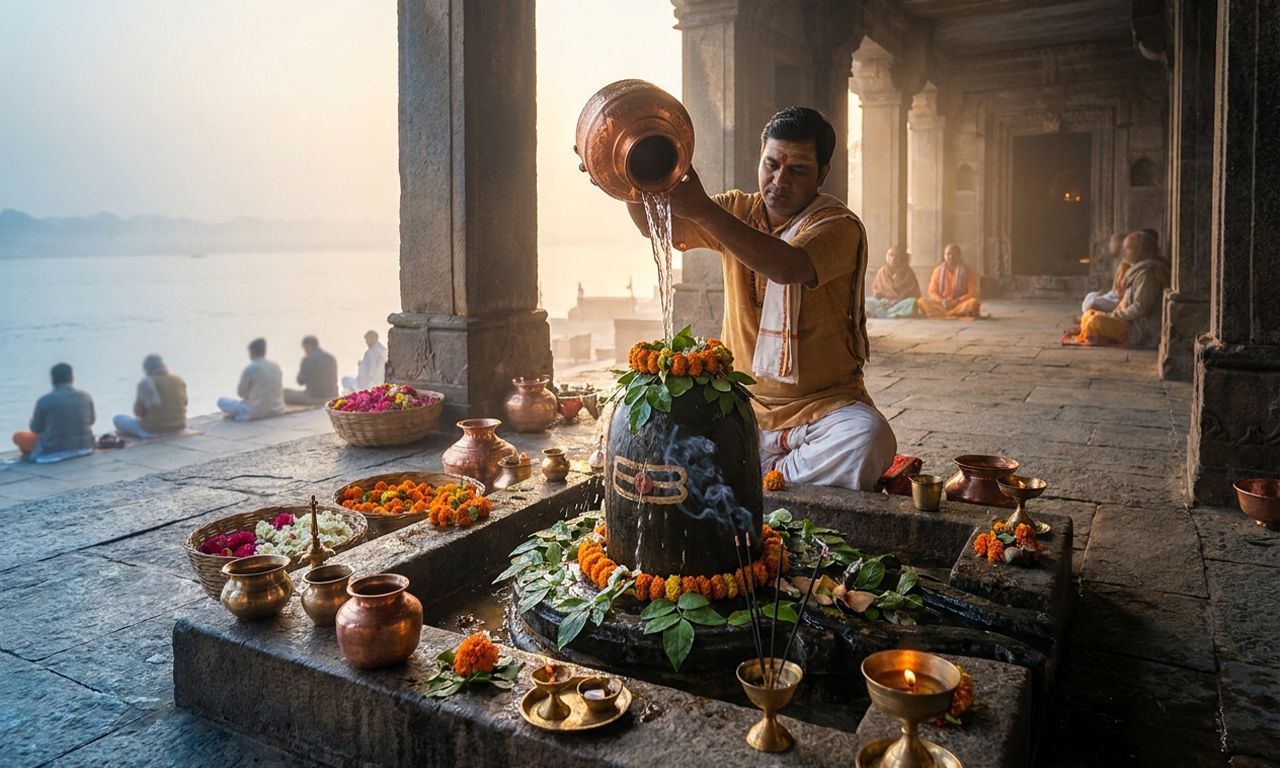
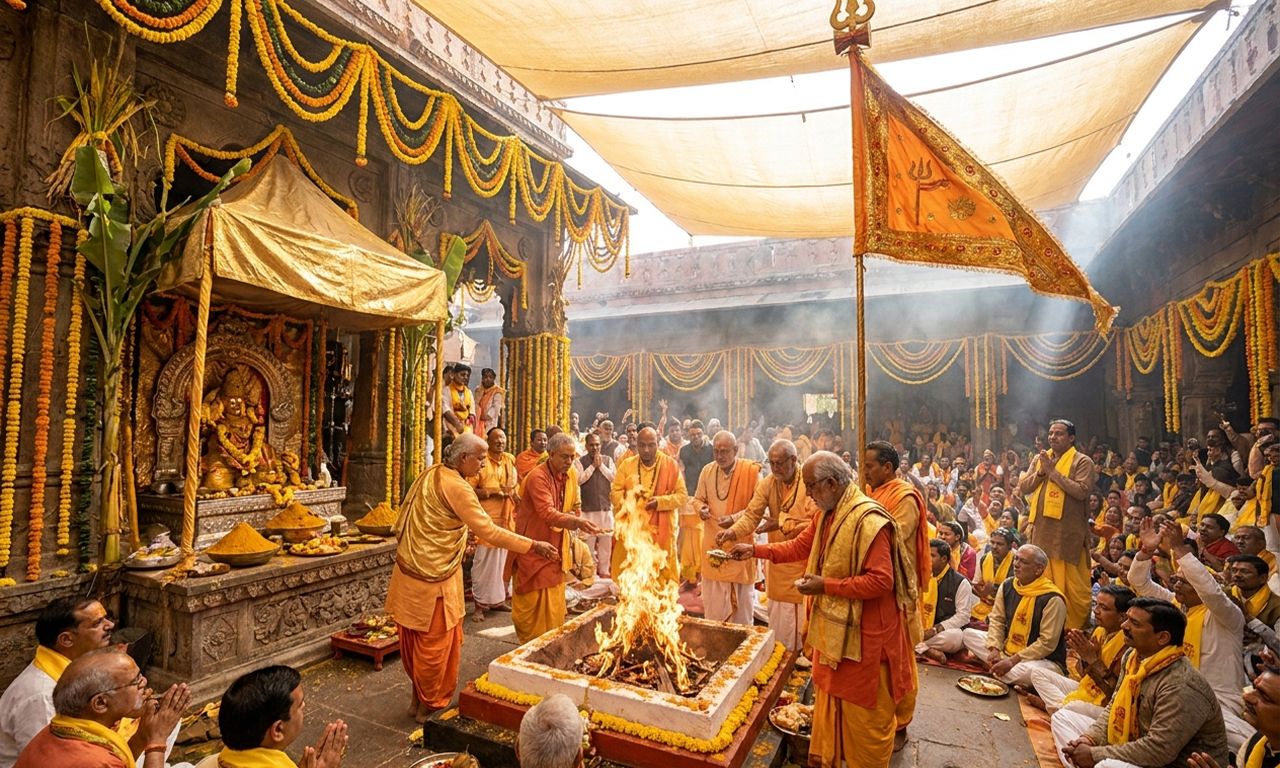
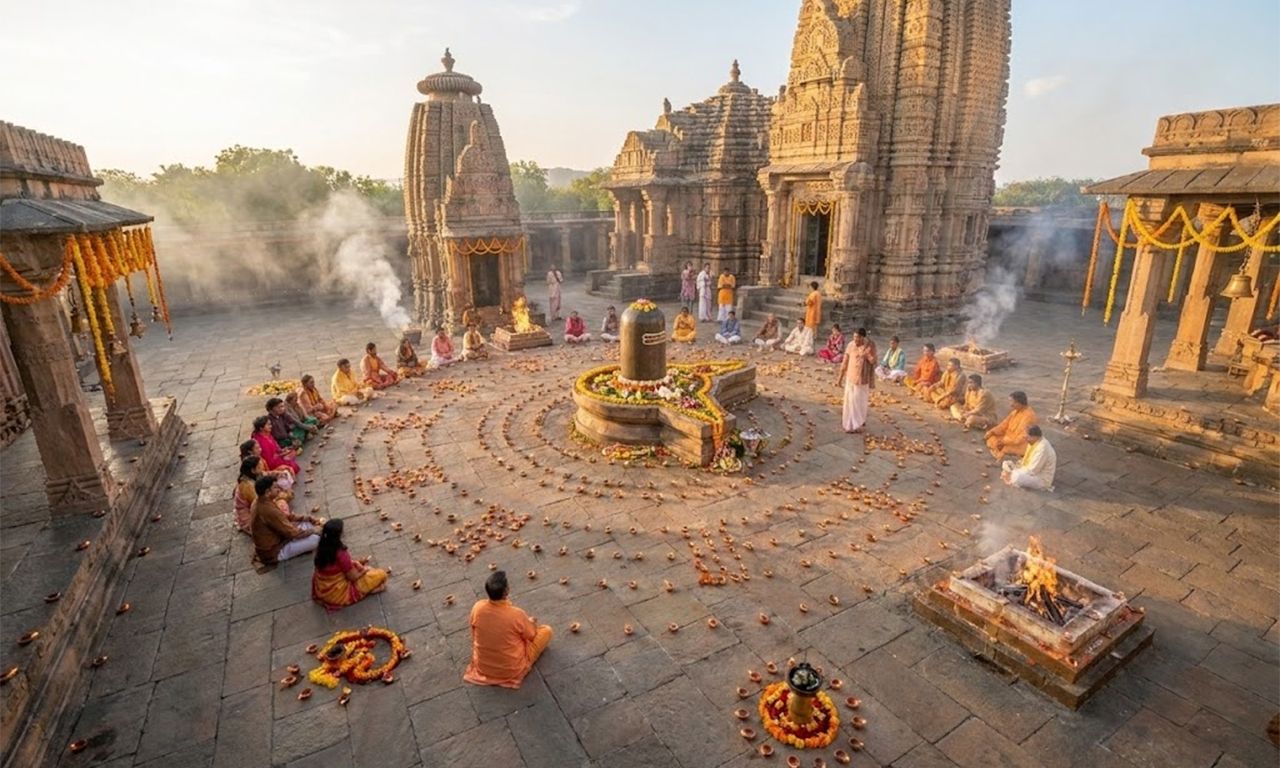
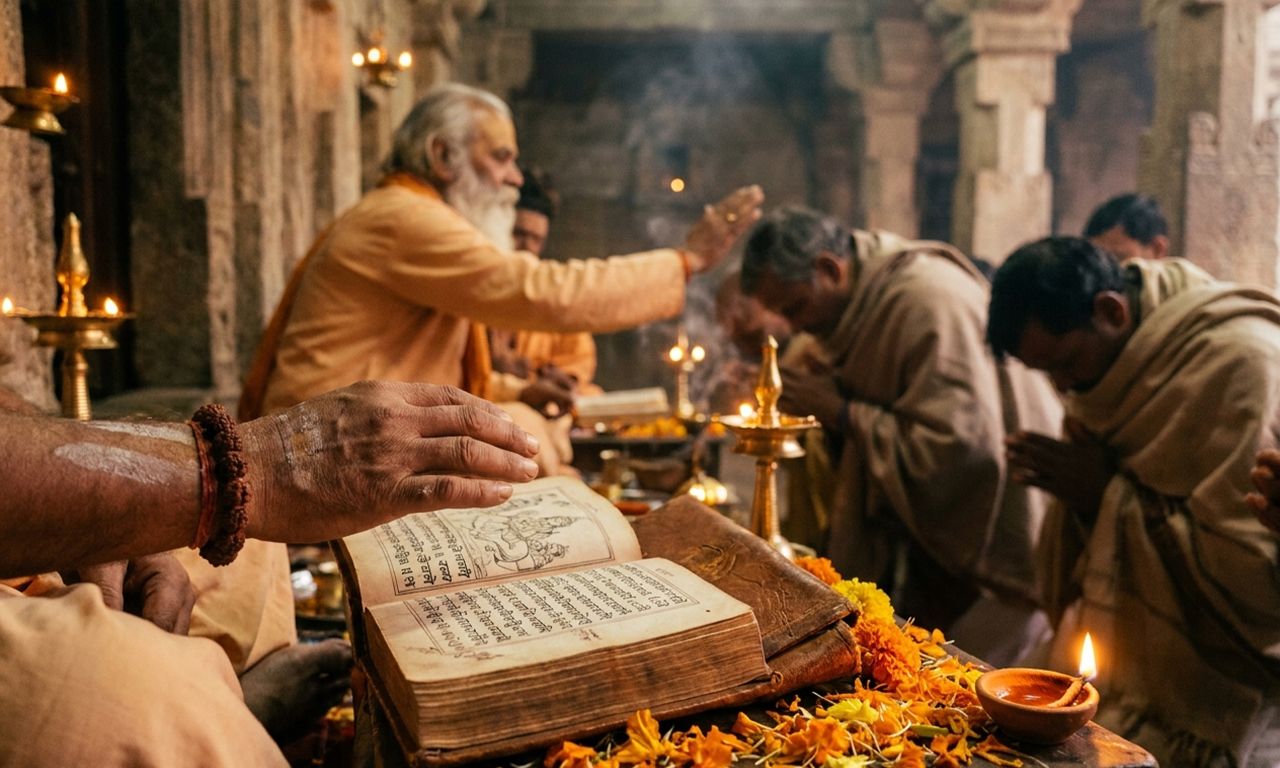
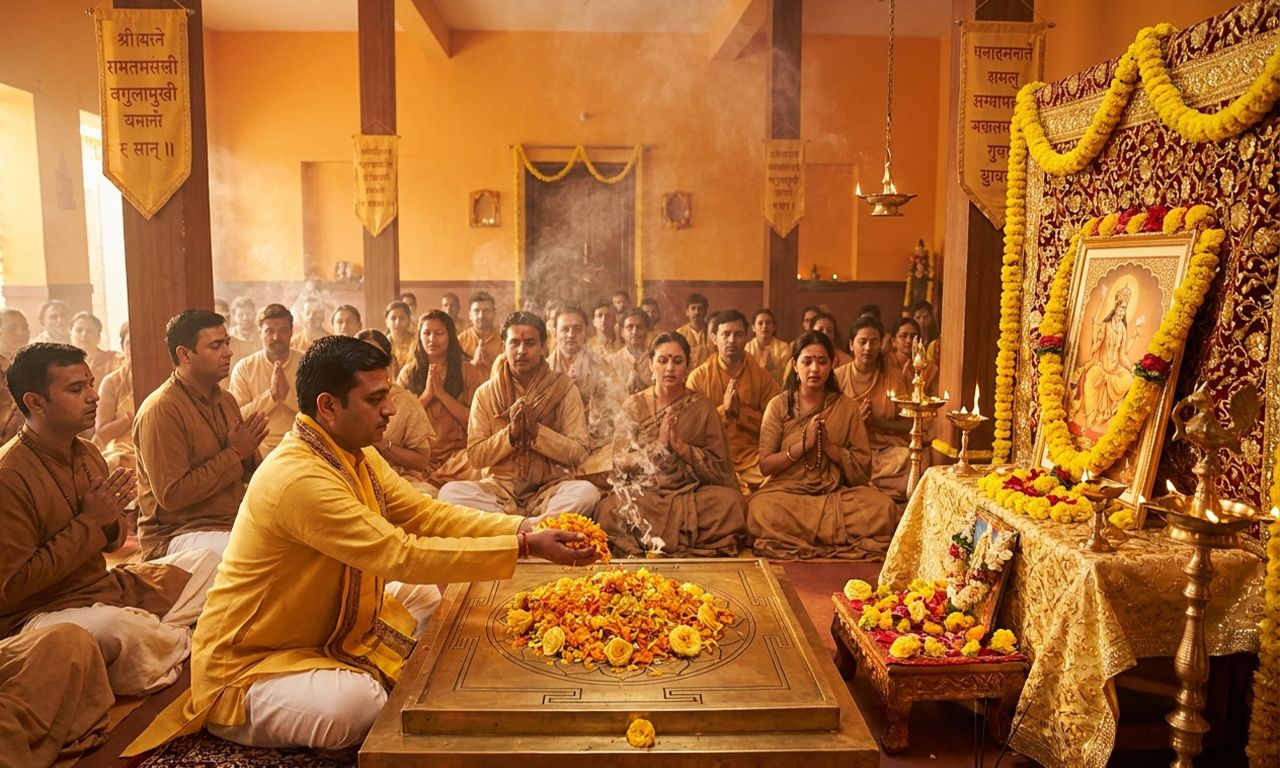
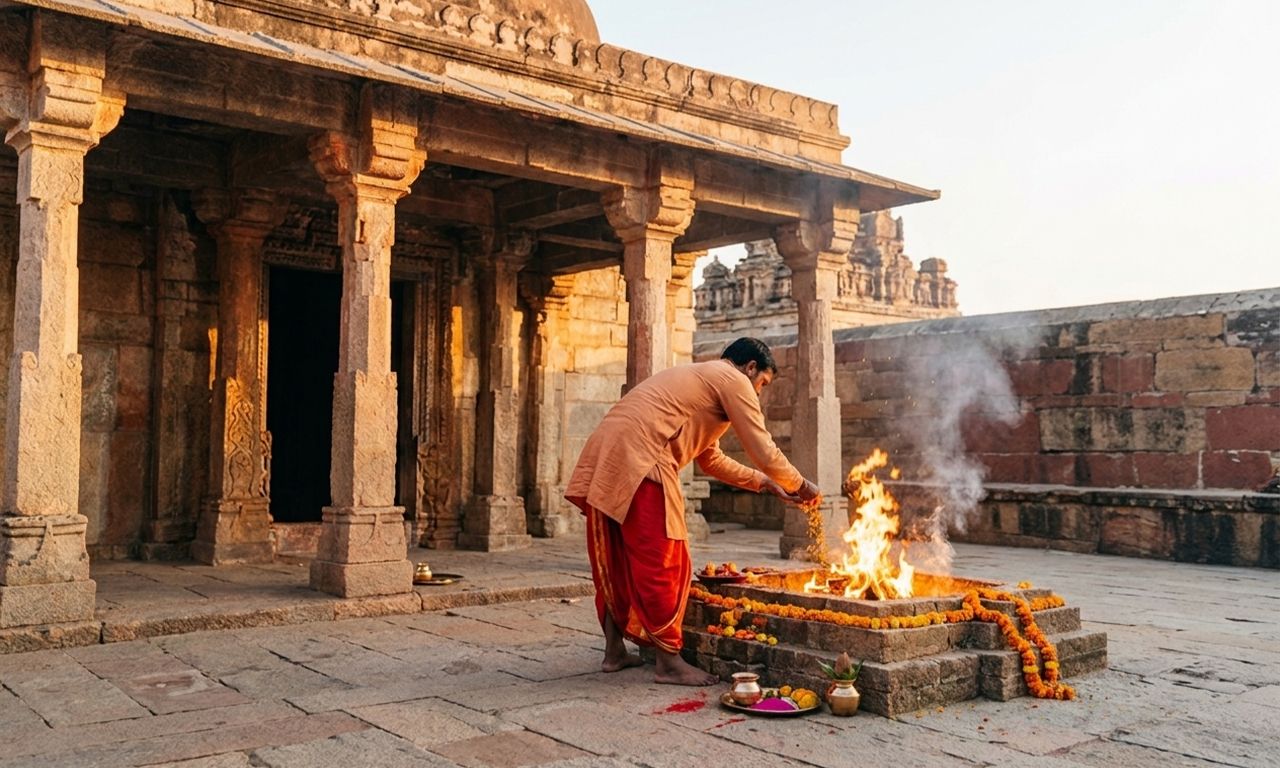
During the fourth Prahar of the Mahashivratri Mahapuja at Narwar Dham, as the night was moving toward its end, a pandit said something that stopped people. He had been chanting for hours. The devotees connected through SiddhiStar had been watching for hours. And in that state of extended wakefulness, he spoke plainly.
He said: if you were to perform five or six hours of pooja every single day for the entire year - 365 days without exception - the punya that accumulates would be significant. And yet, he said, merely staying awake through the night of Mahashivratri jagran - merely being present, watching, holding the intention - carries more punya than all of that combined.
Anyone hearing this for the first time wants to know why jagran on Mahashivratri carries this kind of weight. The answer is in the Shiv Puran itself.
Why Mahashivratri Night Is Different - The Shiv Puran's Answer
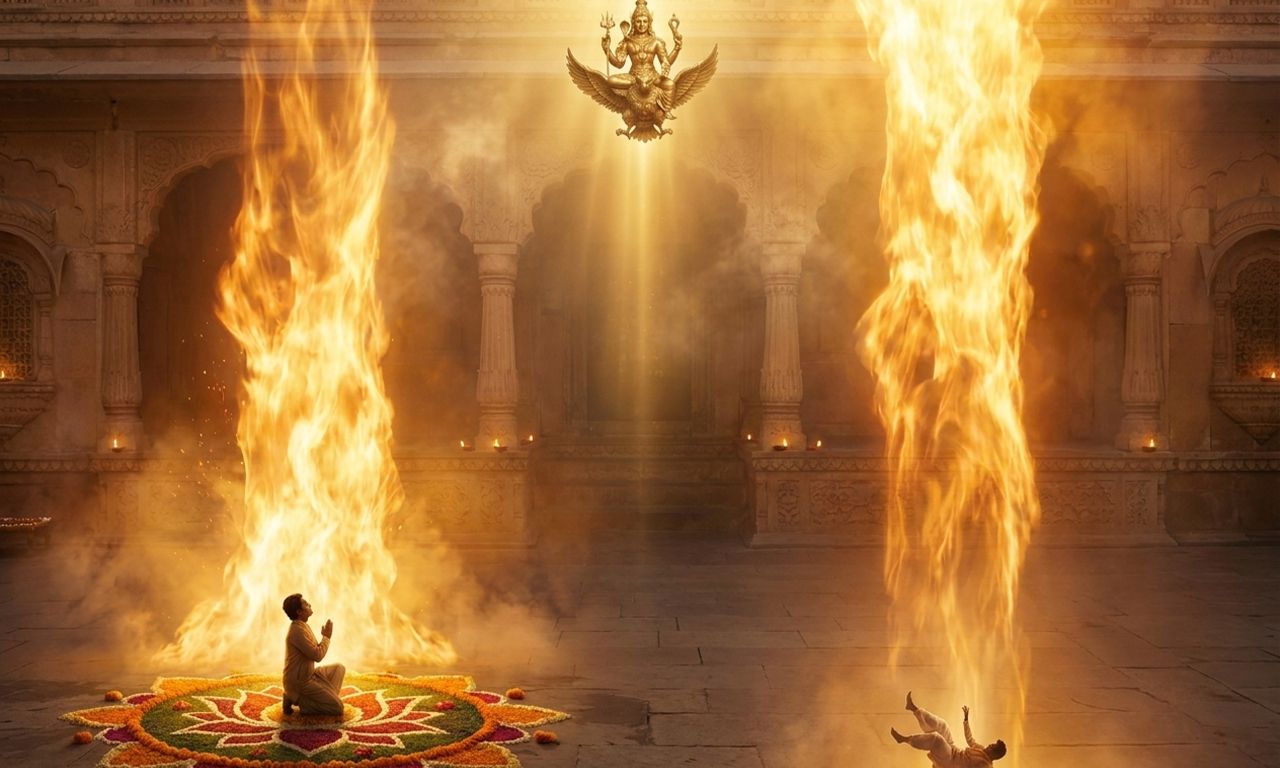
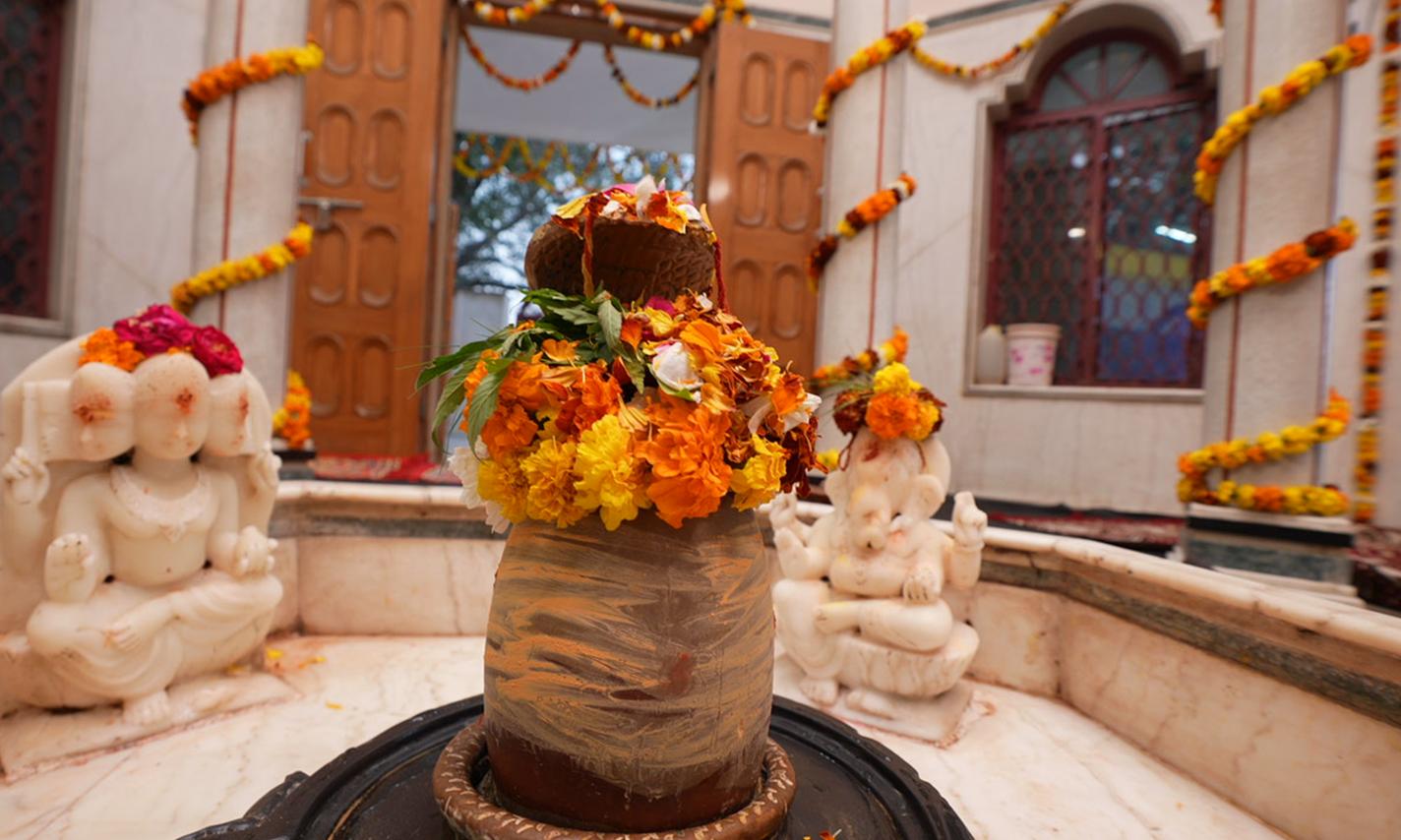
The Shiv Puran is specific about this. Mahashivratri is not simply an auspicious day in the Vedic calendar. It is the night of Shiva's own manifestation - the night the Jyotirstambha, the column of fire, appeared between Brahma and Vishnu and established Shiva's nature as the source of both creation and dissolution.
This is the punya the tradition holds: the night Shiva chose to make himself known. Every other night, the cosmic forces work in their normal proportions. On this night, the boundary between the ordinary and the absolute thins. Whatever is offered - including simple wakefulness - is received with a different kind of attention.
This is the actual Mahashivratri jagran significance. Not that staying awake is itself meritorious. That staying awake on this specific night puts you inside the cosmic moment when Shiva himself was most fully present.
What "Staying Awake" Actually Means in Maha Shivaratri Jagran
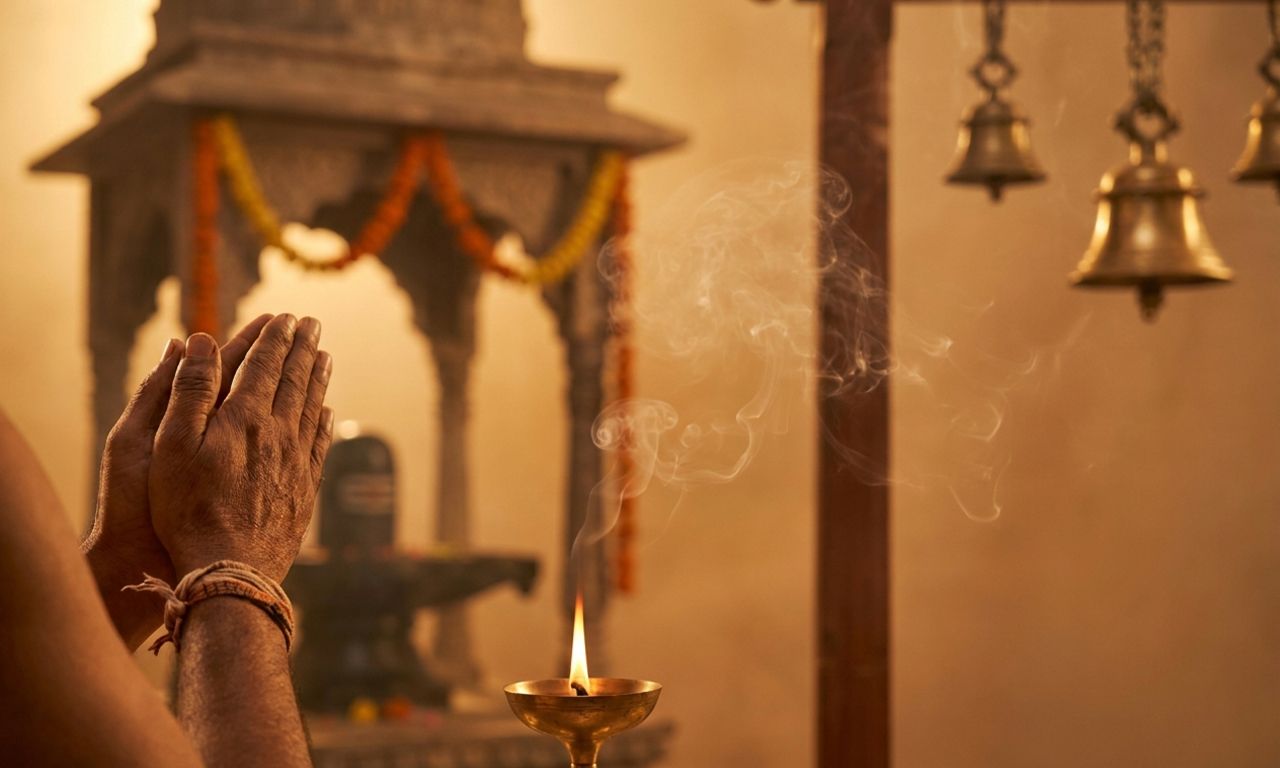
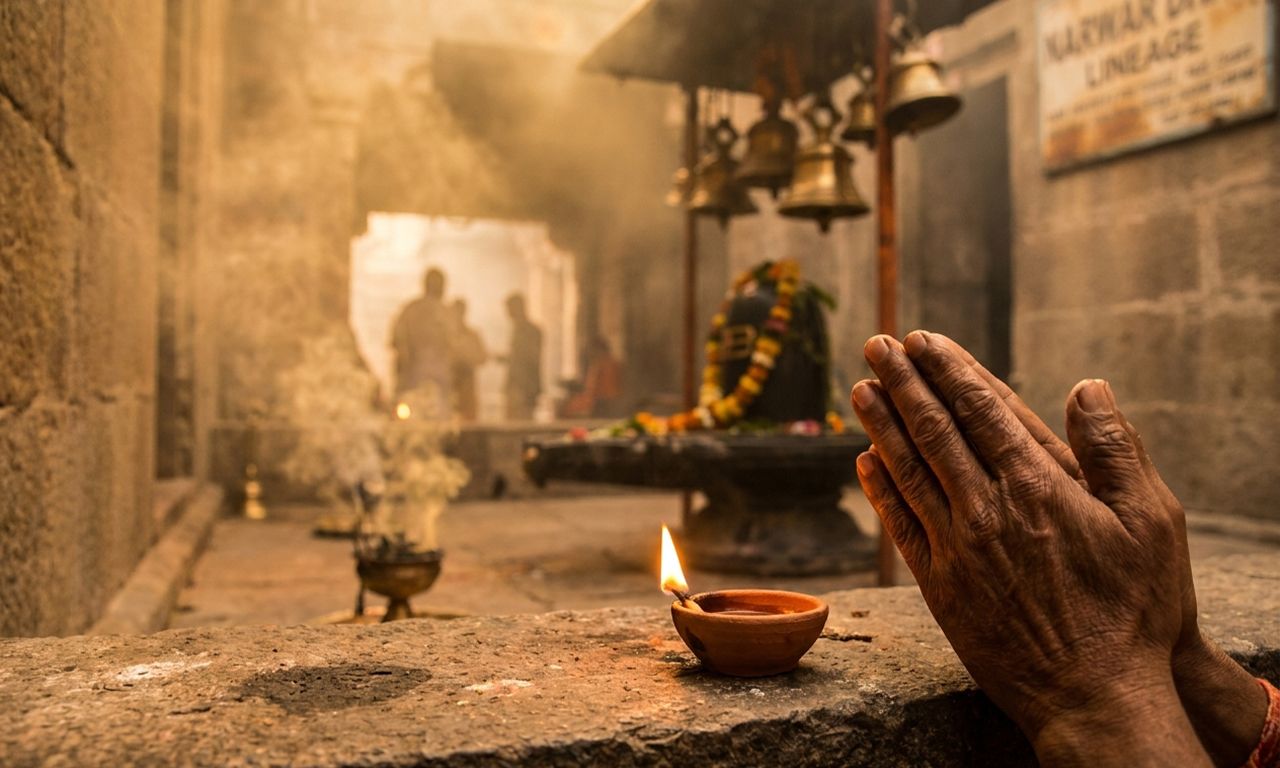
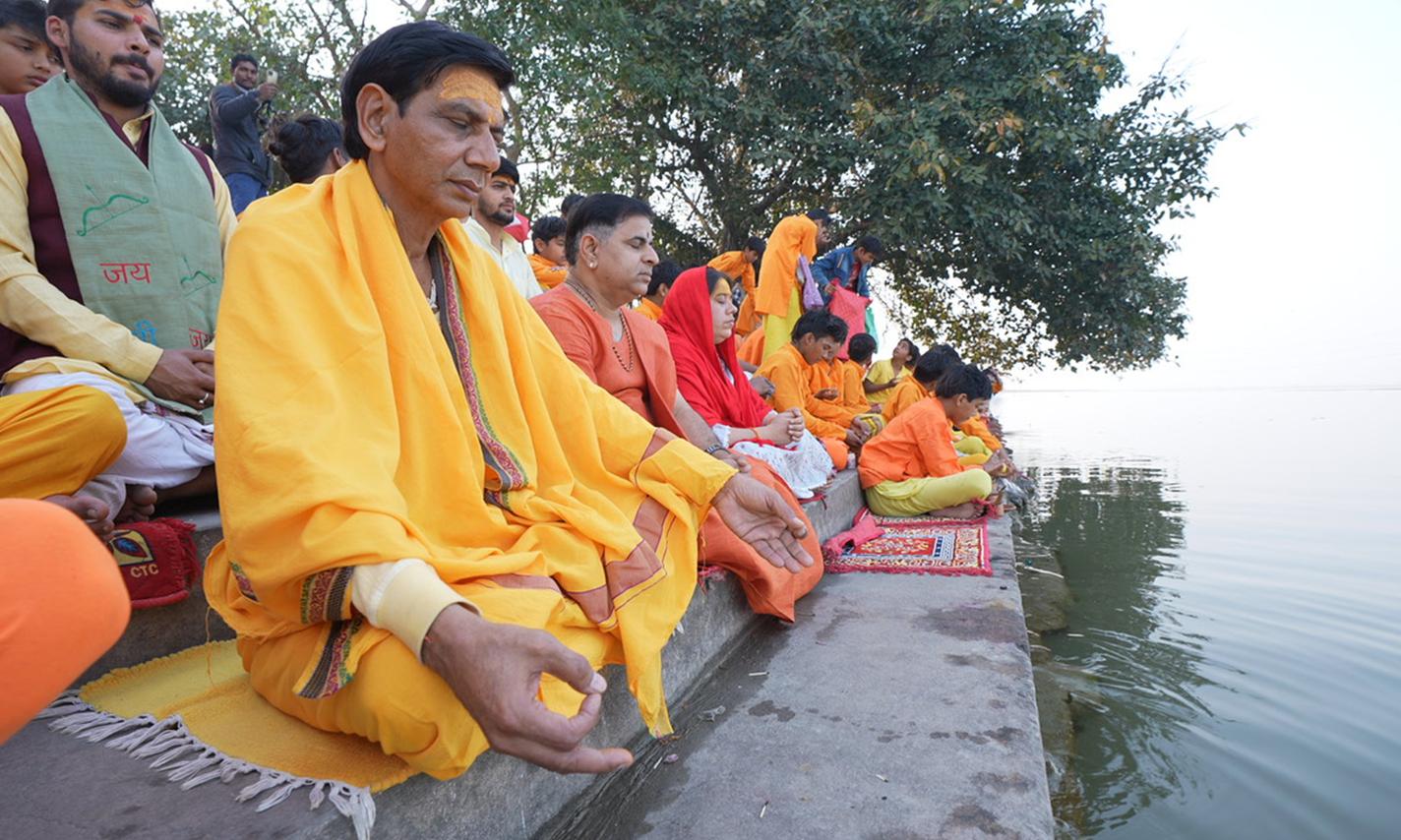
Maha Shivaratri jagran does not mean entertainment. It does not mean scrolling through a phone in a corner of the room while a ceremony continues. It means attentive presence. It means the mind tracking what the ceremony is doing. It means the body holding the discomfort of the late hour without escaping into sleep.
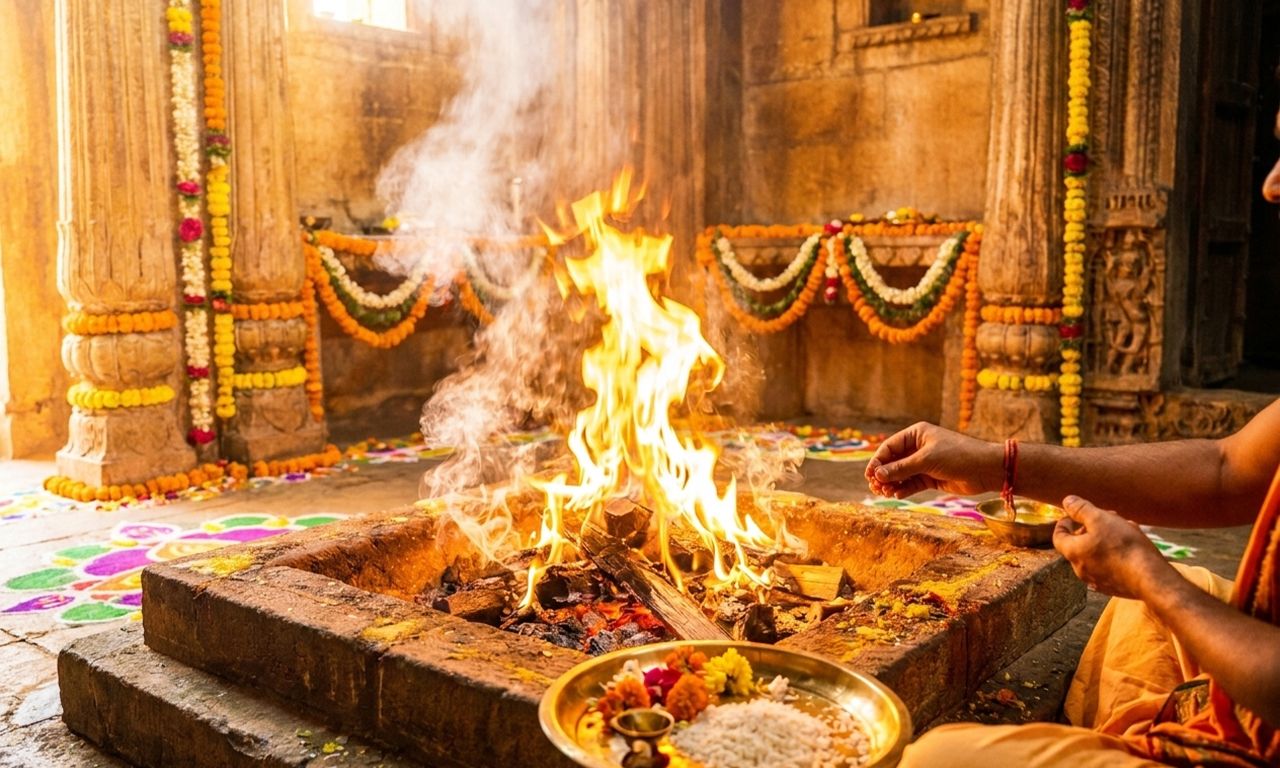
The same sensory input - chanting, mantras, abhishek, offerings - lands differently in the body that has stayed present through the long hours than in the body that has dipped in and out. The fourth-prahar pandit was not saying that wakefulness alone is the point. He was saying that wakefulness is what allows the night to do its work in you.
Why Fasting Often Accompanies the Vrat
Light food or no food clears the body's heaviness. The night's chanting moves through a less encumbered system. The traditional Maha Shivaratri night pooja vrat exists because the texts observed, over centuries, that the punya of the night was received more fully when the body was prepared.
The Benefits of Mahashivratri Jagran in Plain Terms
Beyond the shastric framing, devotees who have completed a full Mahashivratri jagran consistently describe a few things: a state of mental quietness that carries into the days after; a sense of intentions being settled; a clarity about what matters.
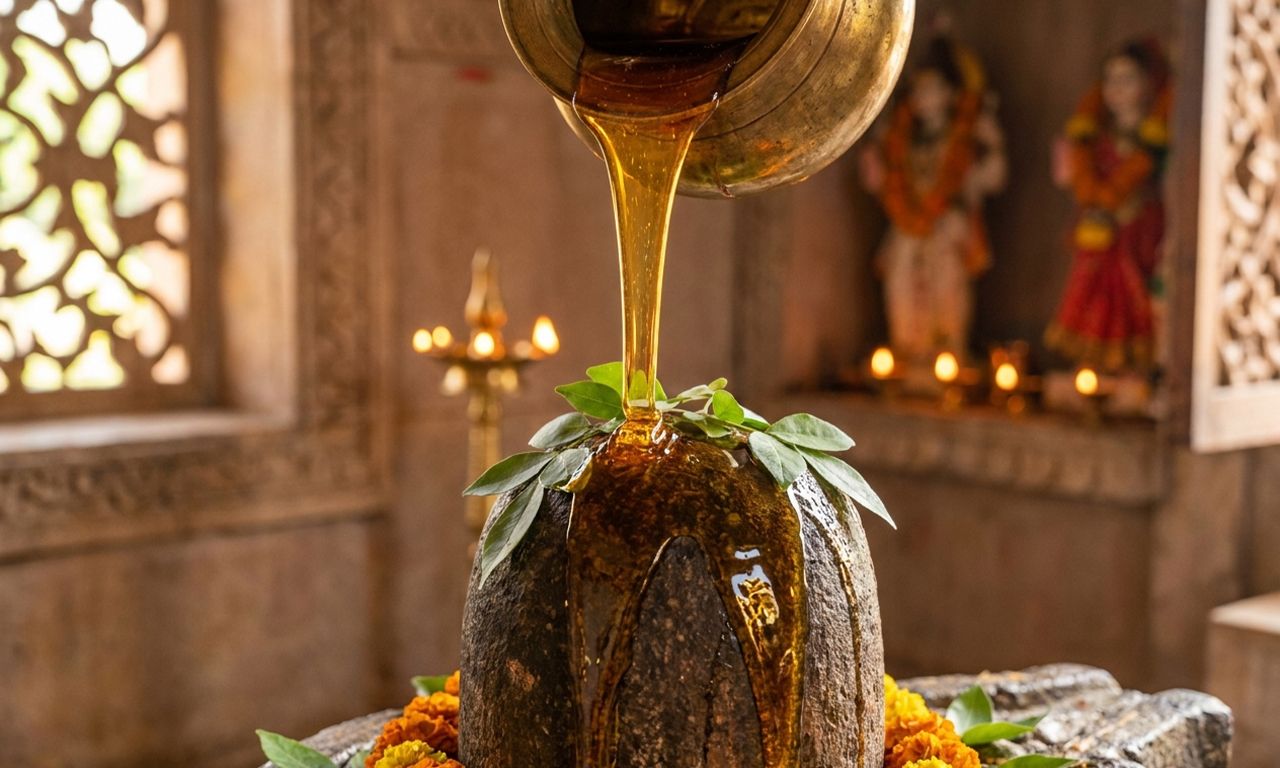
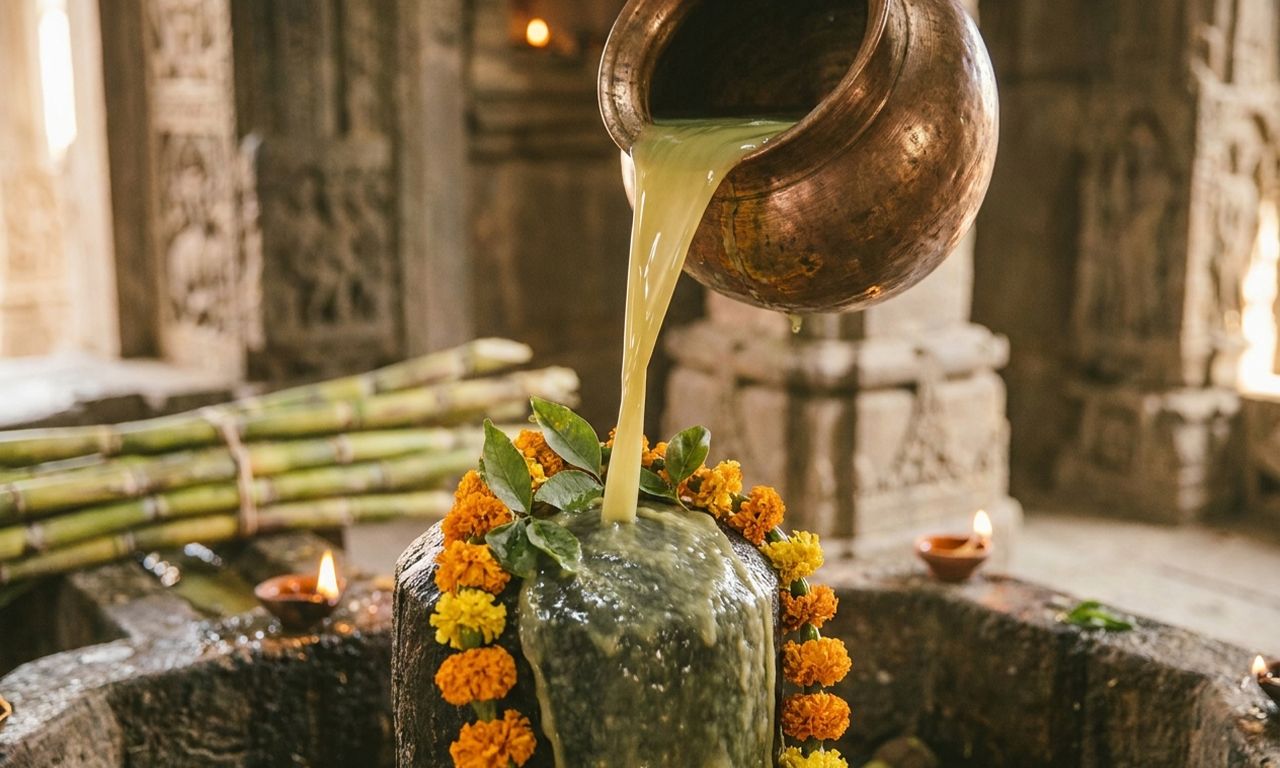
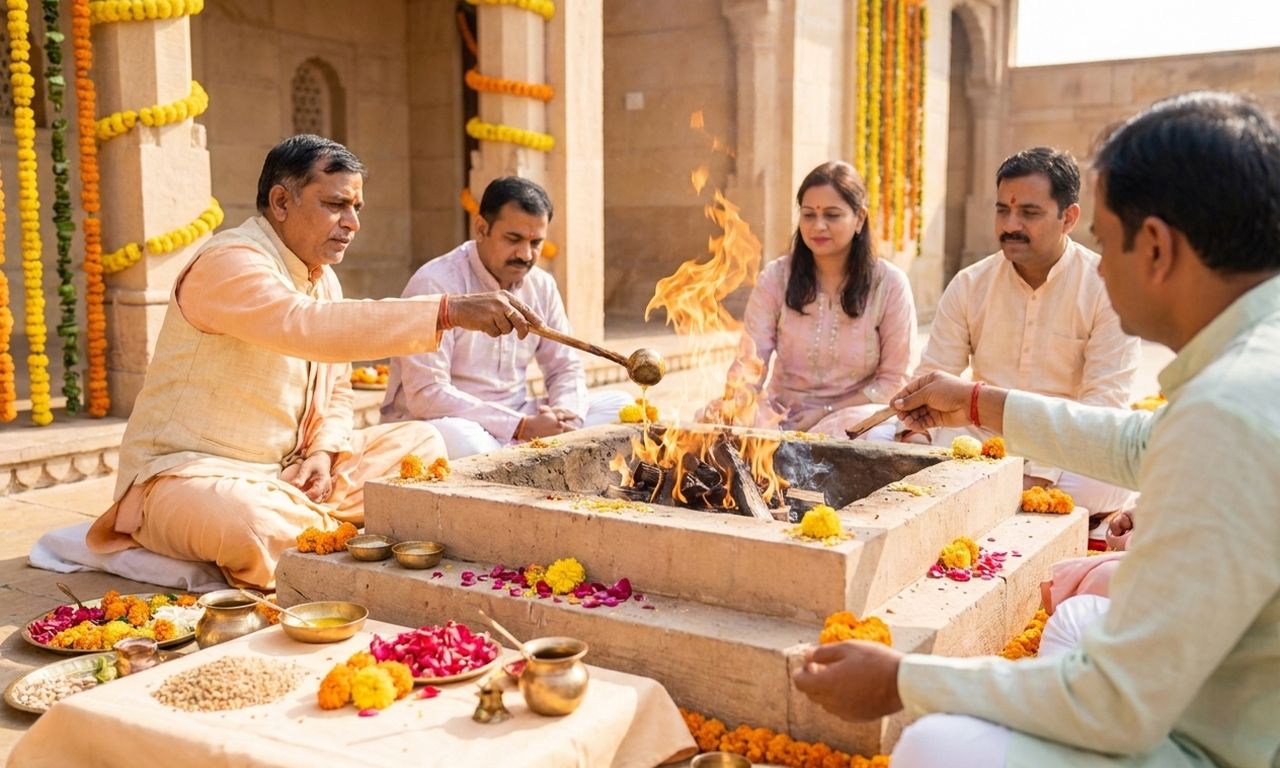
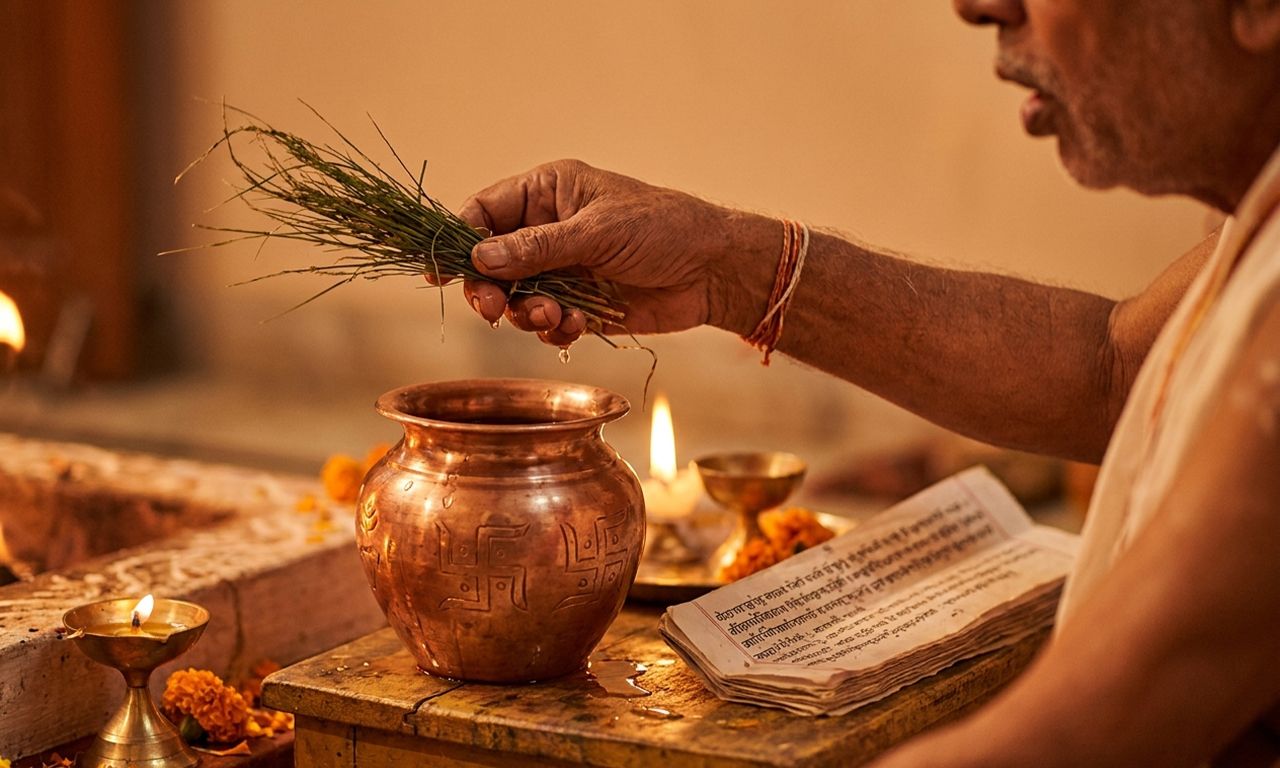
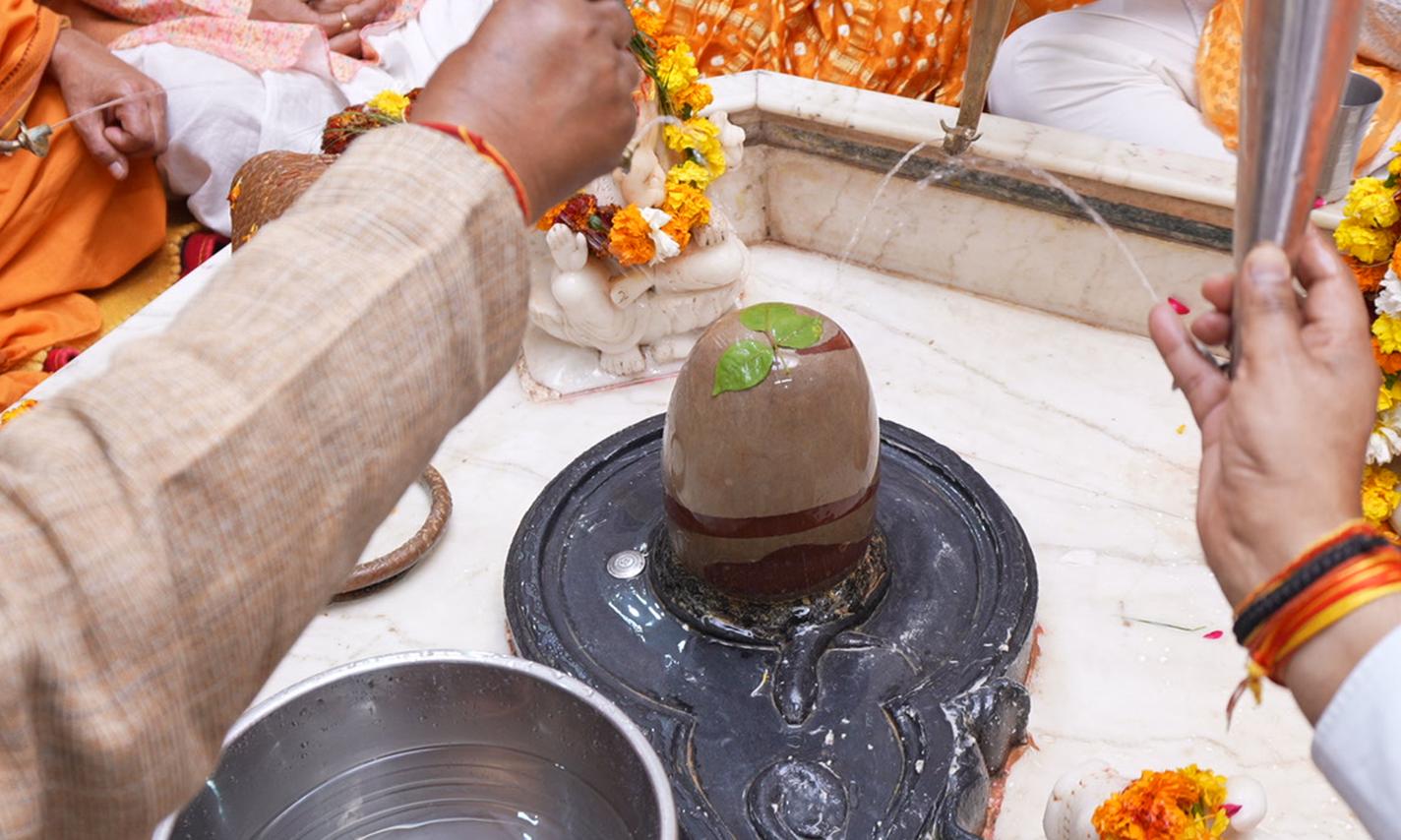
The benefits of Rudra Abhishek that accompany the jagran - health, prosperity, removal of obstacles - are amplified by the wakefulness, not separate from it. The Rudrabhishek and the jagran work together. One without the other is a shorter ceremony. Both together is what the tradition designed.
What SiddhiStar Offers on This Night
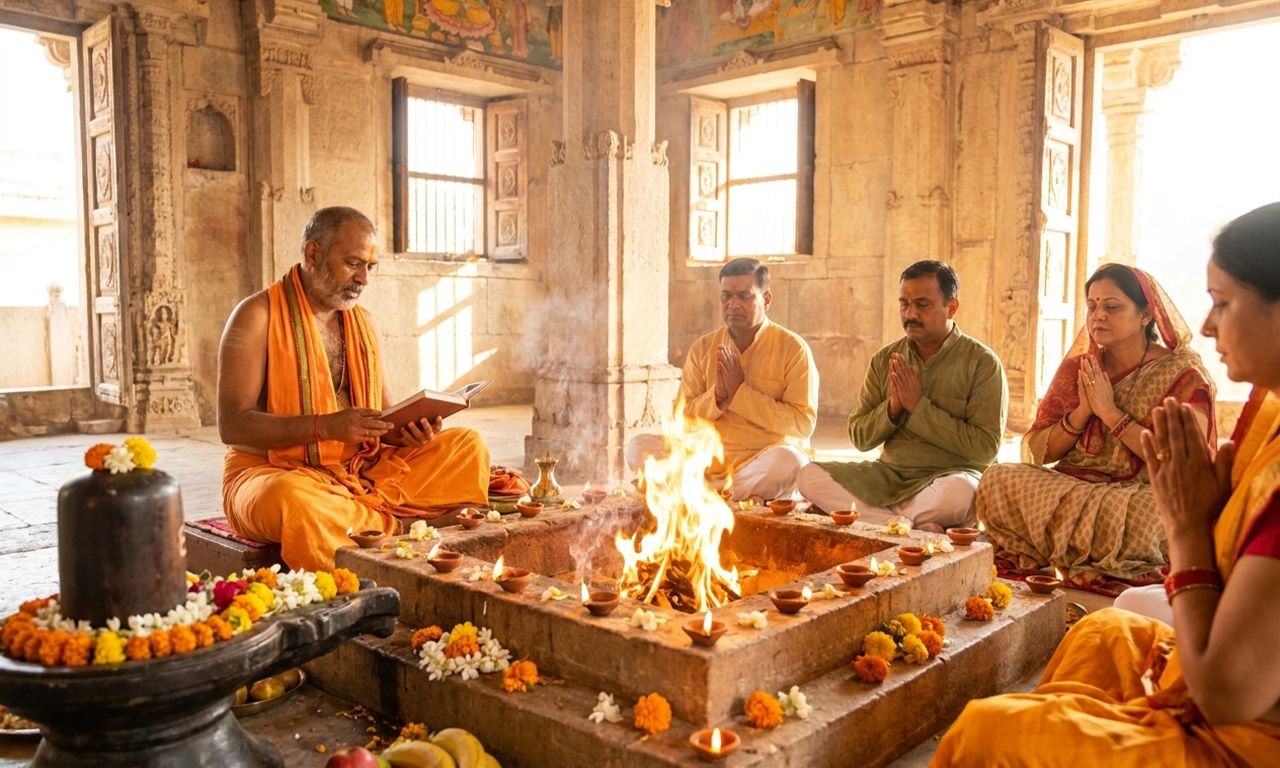
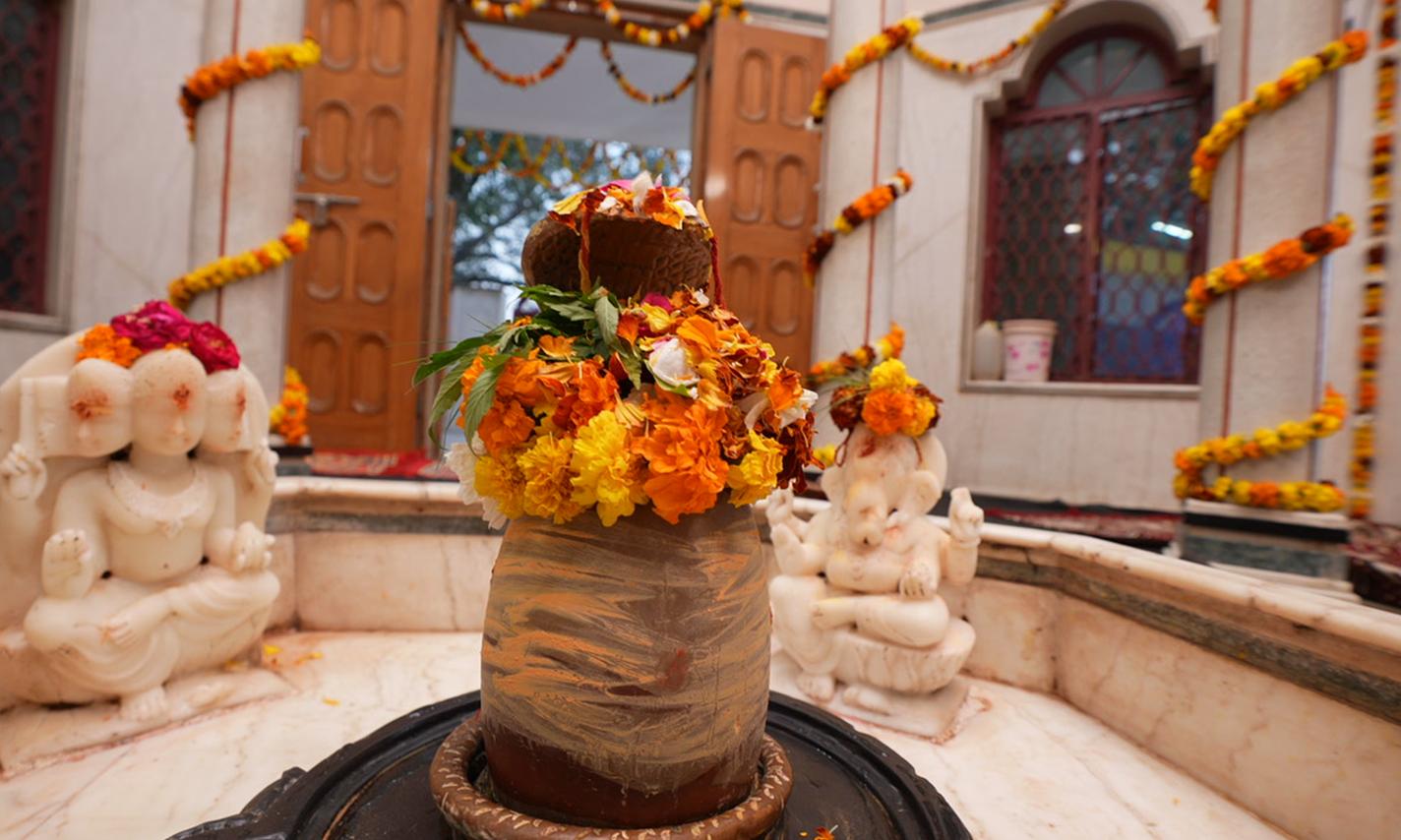
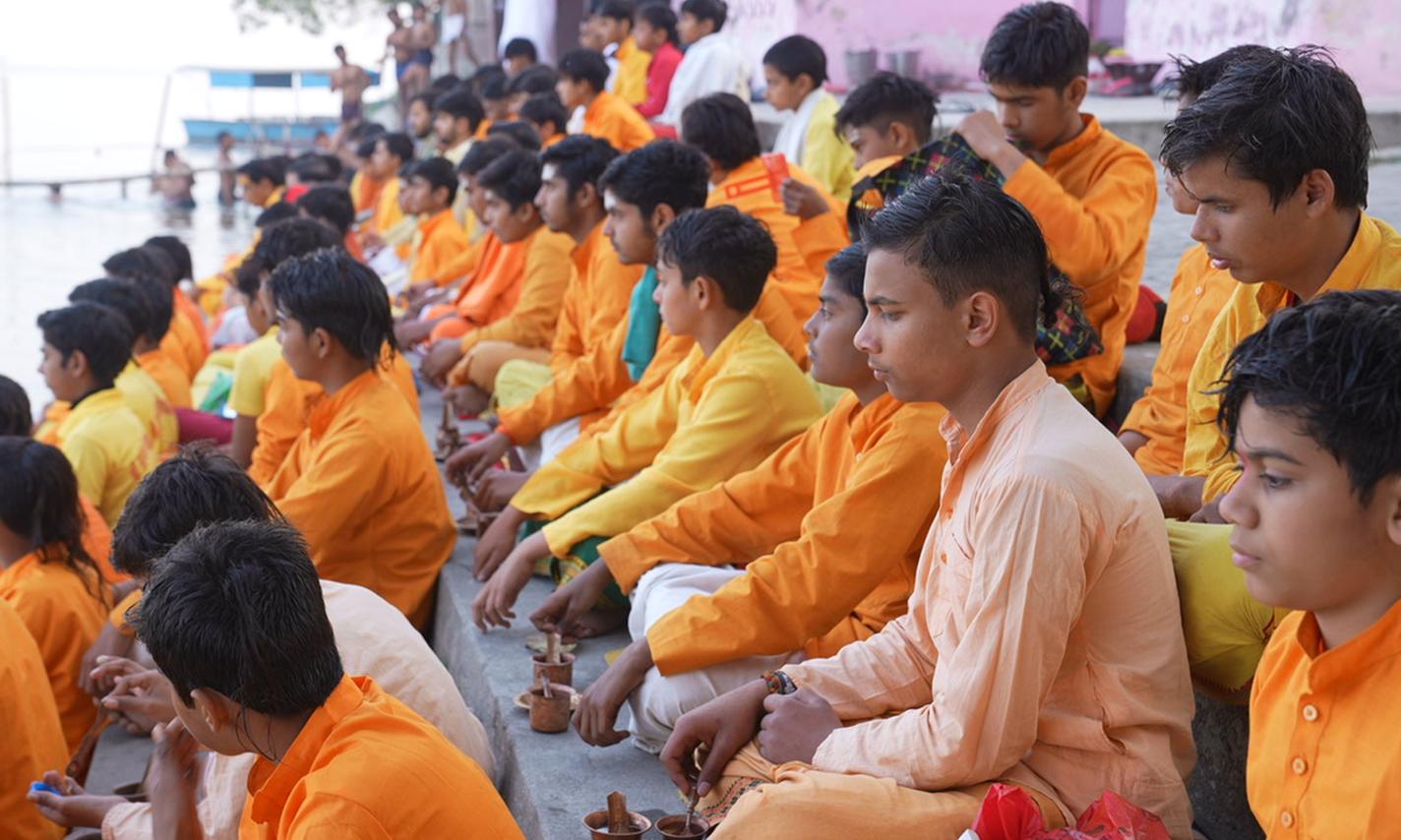
SiddhiStar conducts a four-prahar Mahashivratri Mahapuja from Narwar Dham every year. Devotees connect through the live stream, register their family's name and gotra in the Sankalp, and stay present through the night. The ceremony is structured so that the natural rhythm of the four prahars carries you through - not because you are forcing yourself awake, but because the ceremony itself holds your attention.
This is the Mahashivratri jagran made practical: a structure designed to receive what the night is offering.
Book a Rudrabhishek at your home with our “Ghar Par Puja” service or “Online Puja” service. Every SiddhiStar pandit carries the knowledge of what they are conducting.