Who Is a True Devotee of Lord Shiva?
By SiddhiStar | Narwar Dham Parampara
21 July 2026 • 14 min read
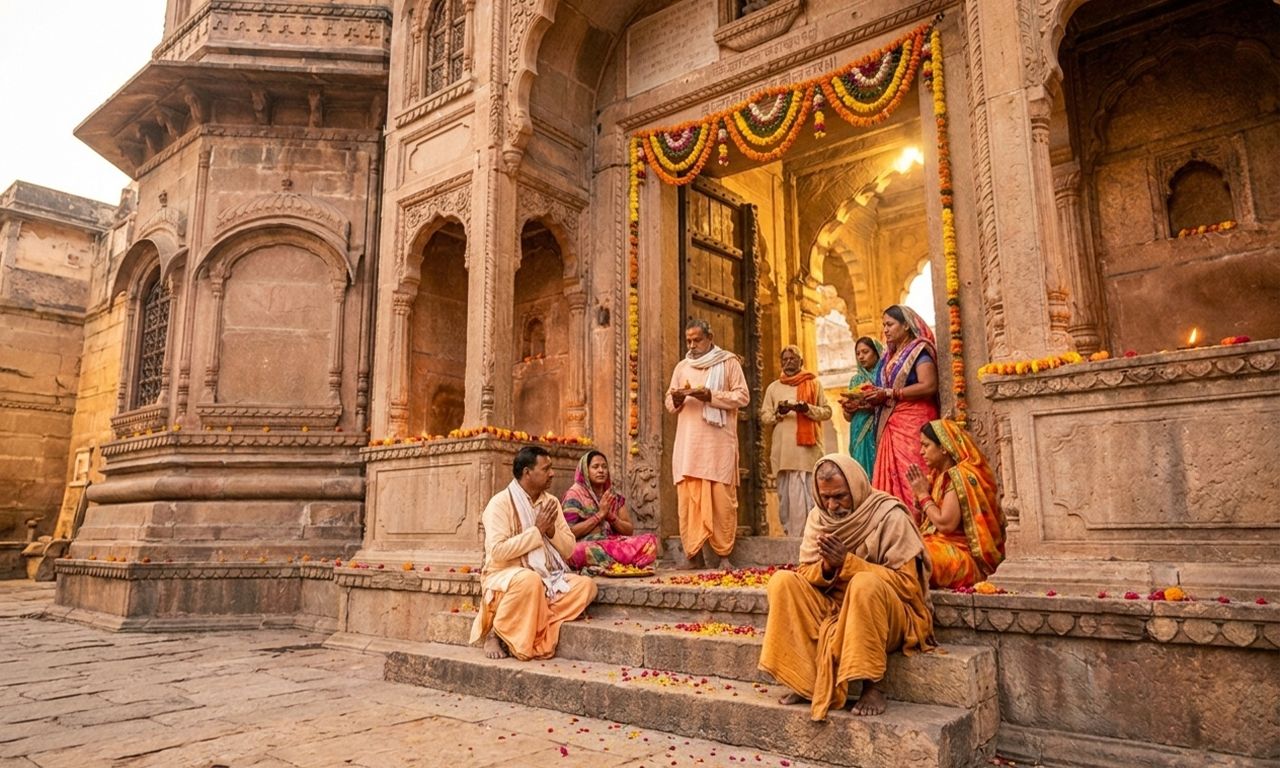
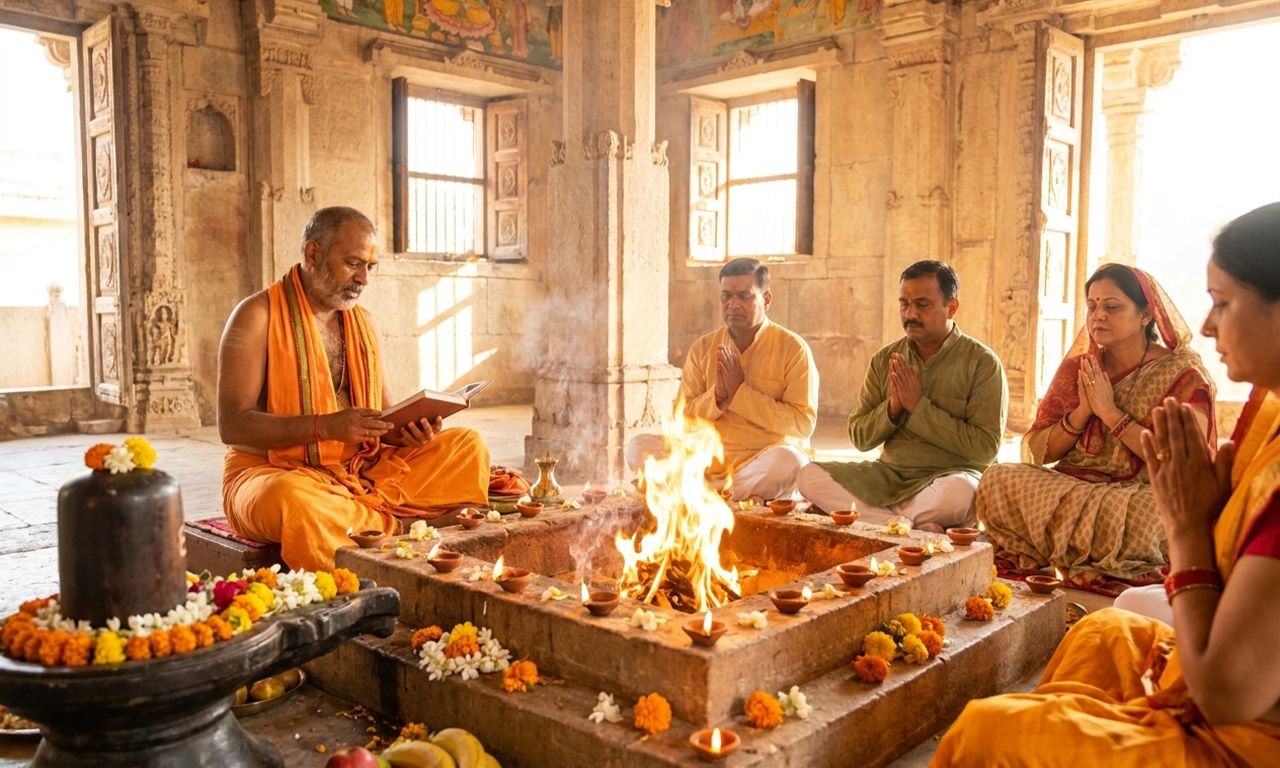
When people think of a devotee of Lord Shiva, they often picture someone offering Jal to a Shivling, observing the Monday fast, chanting Om Namah Shivaya, or visiting a Shiva temple. These practices are deeply sacred and form an important part of Shiva Bhakti, but are they alone enough to define a true devotee of Lord Shiva?
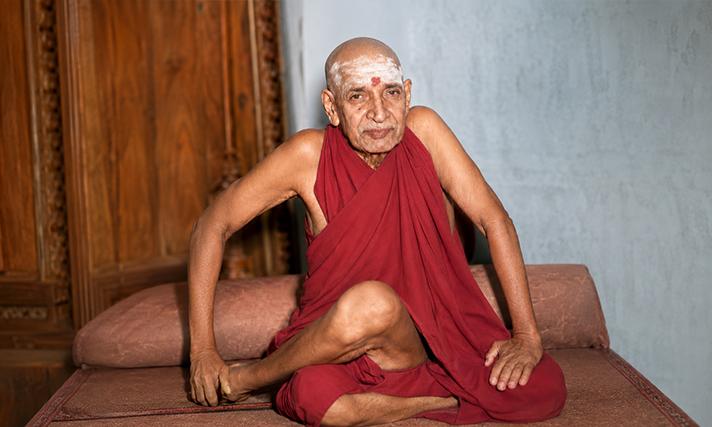
Param Pujya Mahesh Prakash Sharma Ji teaches that devotion cannot be measured only by the rituals we perform. Rituals are the expression of devotion, but they are not its entirety. A person's Lord Shiva devotion is revealed by the direction in which their thoughts, words, actions and daily conduct gradually move.
A few moments of worship every morning are valuable, but the real transformation begins when the remembrance of Lord Shiva continues long after the Puja has ended. When devotion begins to influence how we speak, how we think, how we treat others and how we respond to life's situations, Shiva worship becomes more than a daily practice. It becomes a way of living.
This timeless teaching has been preserved within the Narwar Dham Guru Parampara, where devotion is understood not merely as an external ritual but as the gradual refinement of the entire personality. Every faculty given to us by God has a sacred purpose, and every one of them can become an instrument of worship.
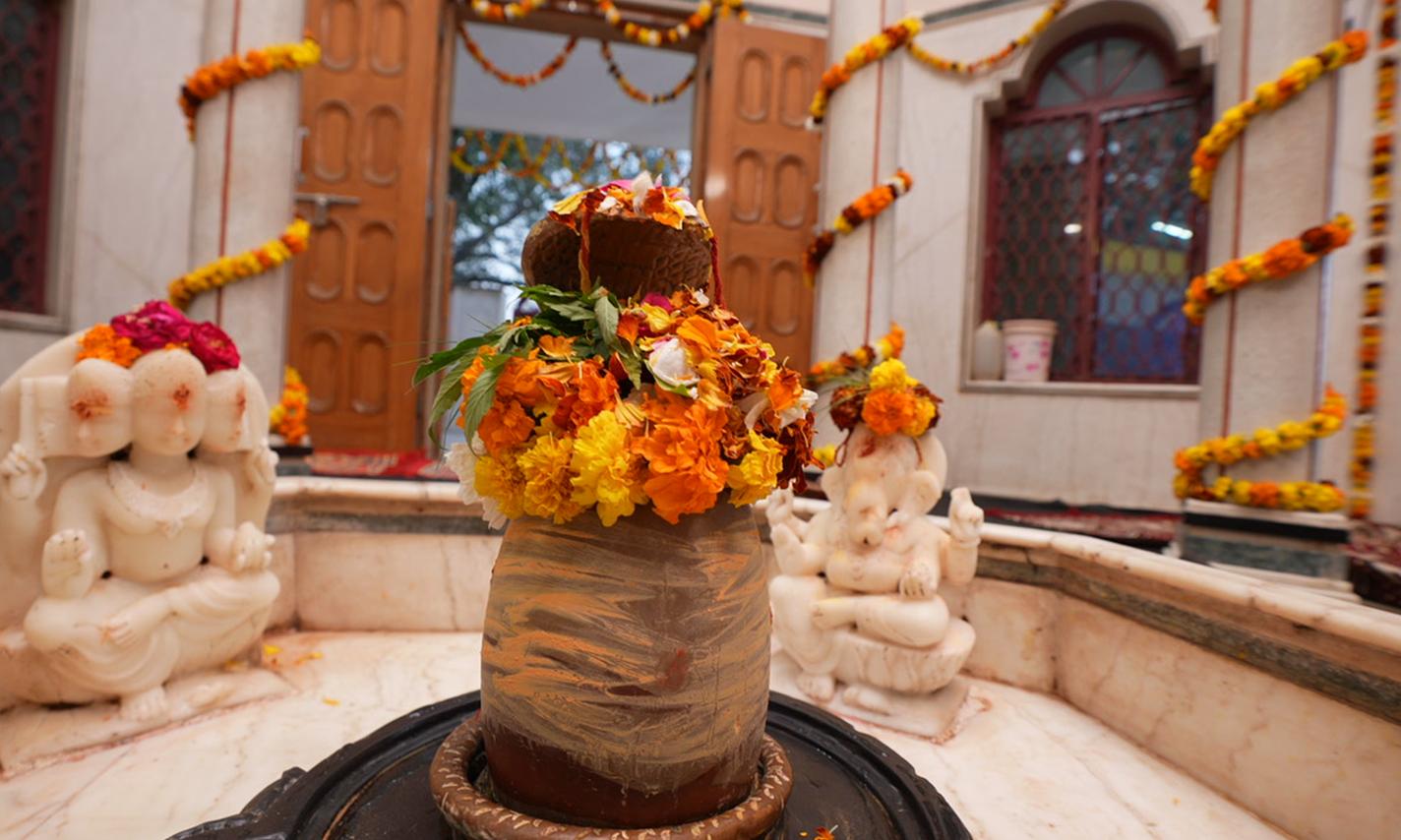
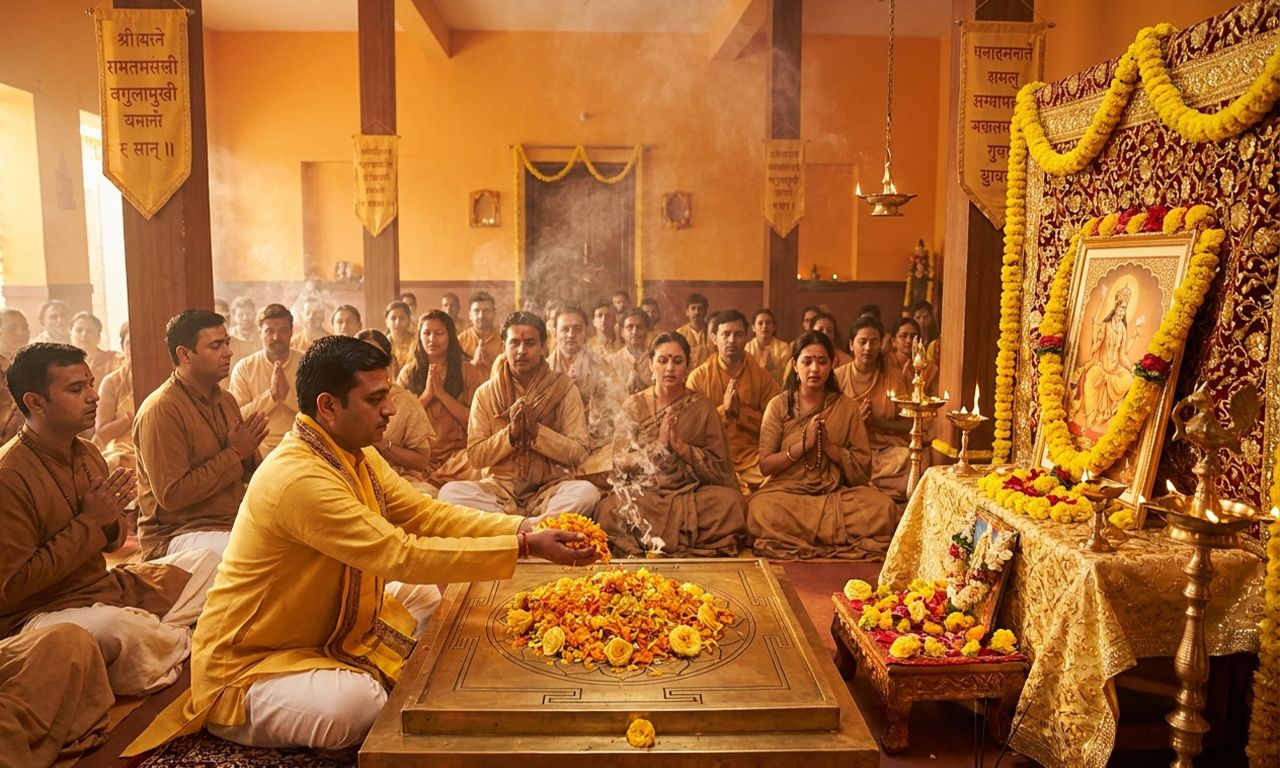
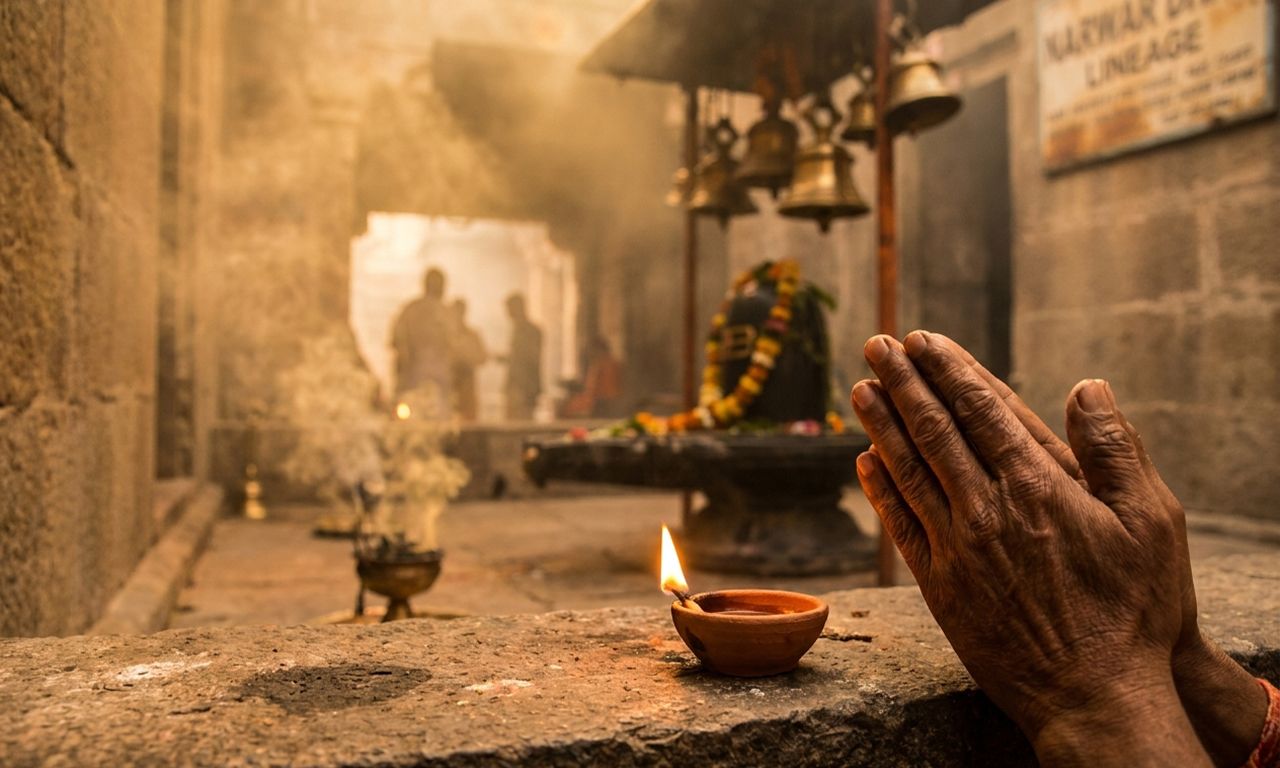
Guruji explains that true devotion is not confined to one ritual, one mantra or one sacred day. Every part of our being has the potential to participate in Shiva Bhakti. The tongue should praise Lord Shiva through Shiv Stuti. The mind should remain engaged in Shiv Chintan. The ears should seek Shiv Katha. The hands should perform Lord Shiva Puja, offer Jal to the Shivling, prepare for Rudrabhishek and serve others with humility. The eyes should seek Darshan instead of distraction. The head should bow without ego. The feet should naturally move towards places where Lord Shiva is worshipped.
When all these come together, devotion is no longer limited to the Mandir. It begins to shape the devotee's entire life.
What Does This Mean?
Many devotees wonder whether they are doing enough. They ask whether visiting a temple every Monday, offering milk to a Shivling, observing fasts during Sawan, or chanting Om Namah Shivaya is sufficient to become close to Lord Shiva. Guruji answers this question beautifully. These practices are not meant to remain isolated acts. They are meant to transform the person performing them.
If Shiv Stuti makes our speech kinder, it has achieved its purpose. If Shiv Chintan makes our mind calmer, it has achieved its purpose. If listening to Shiv Katha makes us more compassionate, it has achieved its purpose. If Lord Shiva Puja makes us more humble, more disciplined and more grateful, then devotion has begun to enter the heart.
This is why Guruji teaches that a true devotee of Lord Shiva is recognised less by the number of rituals performed and more by the transformation those rituals bring into everyday life.
A Tongue That Praises Lord Shiva
Guruji begins with the tongue because every spiritual journey starts with what we choose to speak. Our words have the power to heal or hurt, unite or divide, inspire or discourage. Before a person's actions become visible, their speech reveals the condition of their mind. This is why the Guru Parampara says that the tongue finds its highest purpose when it speaks the glory of Lord Shiva.
Shiv Stuti is much more than the recitation of Sanskrit shlokas. It includes every word spoken with reverence, gratitude and remembrance of the Divine. Chanting Om Namah Shivaya, singing a Shiva Aarti, reciting the Mahamrityunjaya Mantra or simply remembering Lord Shiva with sincerity are all expressions of sacred speech.
Guruji also reminds us that Shiv Stuti does not end when the prayer is over. If we praise Lord Shiva in the Mandir but speak harshly to our family, colleagues or those who depend on us, our devotion has not yet reached our conduct.
Real praise of Lord Shiva gradually transforms the way we communicate. Anger becomes restraint. Criticism becomes understanding. Pride becomes humility. Speech becomes thoughtful because it begins to reflect the qualities of the One we worship. A person who practises daily Shiva worship should slowly become known for calmness, truthfulness and compassion. This silent transformation is itself a form of worship.
A Mind That Contemplates Lord Shiva
If speech is the doorway to devotion, the mind is its foundation. The human mind rarely remains still. It constantly moves between responsibilities, memories, desires, fears and expectations. In today's world, endless notifications, conversations and distractions leave very little space for inner silence.
Many people therefore believe that Shiv Chintan means completely emptying the mind. Guruji teaches something far more practical. The purpose of Shiv Chintan is not to stop thinking. It is to gently guide our thoughts back towards Lord Shiva whenever they wander. Every remembrance becomes an offering.
When anger arises, remember Shiva's serenity. When success comes, remember Shiva's humility. When difficulties appear, remember Shiva's fearlessness. When desires become endless, remember Shiva's simplicity.
Gradually, the mind begins to respond differently to life. Problems may remain the same, but the person facing them becomes calmer, wiser and more balanced. This is why Lord Shiva devotion is not measured only by the number of hours spent in meditation. It is measured by how often the mind naturally returns to Lord Shiva throughout the day.
Ears That Long to Hear Shiv Katha
Guruji says that the ears become blessed when they eagerly listen to Shiv Katha. This teaching carries profound meaning. Whatever repeatedly enters our ears slowly begins to shape our thinking.
If our attention remains occupied only by arguments, gossip, fear and constant noise, those impressions gradually influence our personality. If our ears regularly receive the stories, teachings and wisdom of Lord Shiva, those impressions begin to cultivate peace, patience and discrimination.
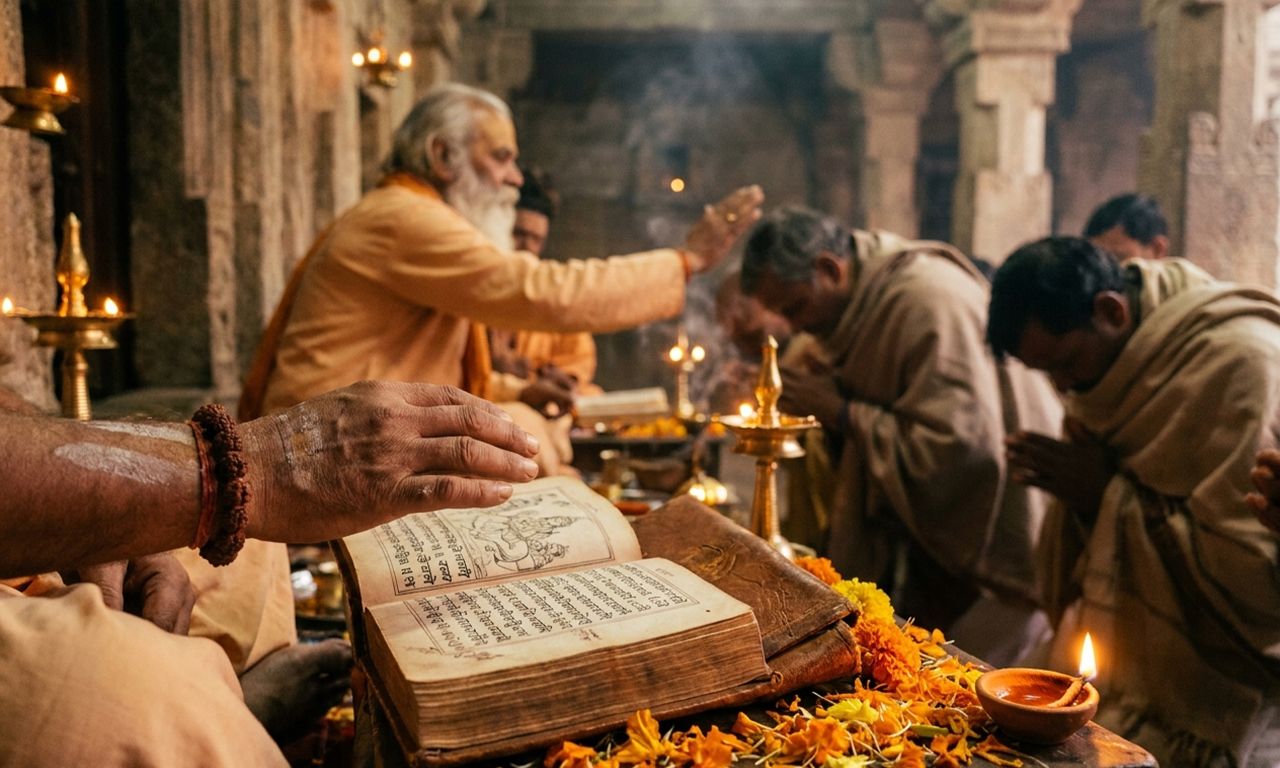
Listening is therefore not a passive activity. It is a spiritual discipline. One meaningful discourse can change the direction of a person's thinking. One story from the life of Lord Shiva can provide strength during adversity. One teaching from Guruji can remain in the heart for years and quietly influence countless decisions.
This is why the Narwar Dham Guru Parampara places great importance on regularly listening to authentic spiritual teachings. Even ten or fifteen minutes of Shiv Katha each day can gradually nourish the mind in ways that endless information never can. The real purpose of listening is not to collect knowledge. It is to allow wisdom to transform our conduct.
Hands That Worship Through Action
Faith becomes visible through action. Guruji explains that blessed are the hands that worship Lord Shiva because they transform devotion into reality.
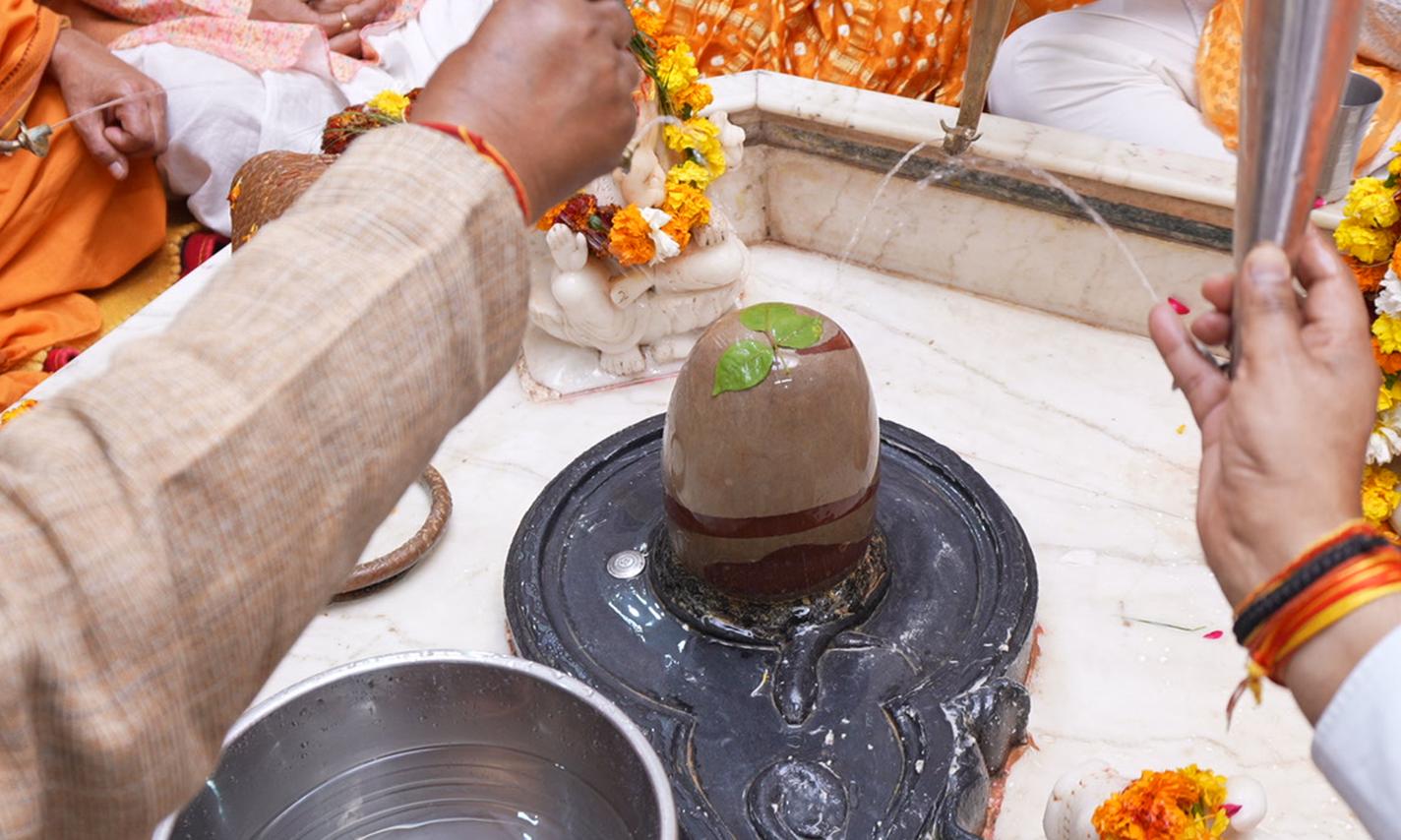
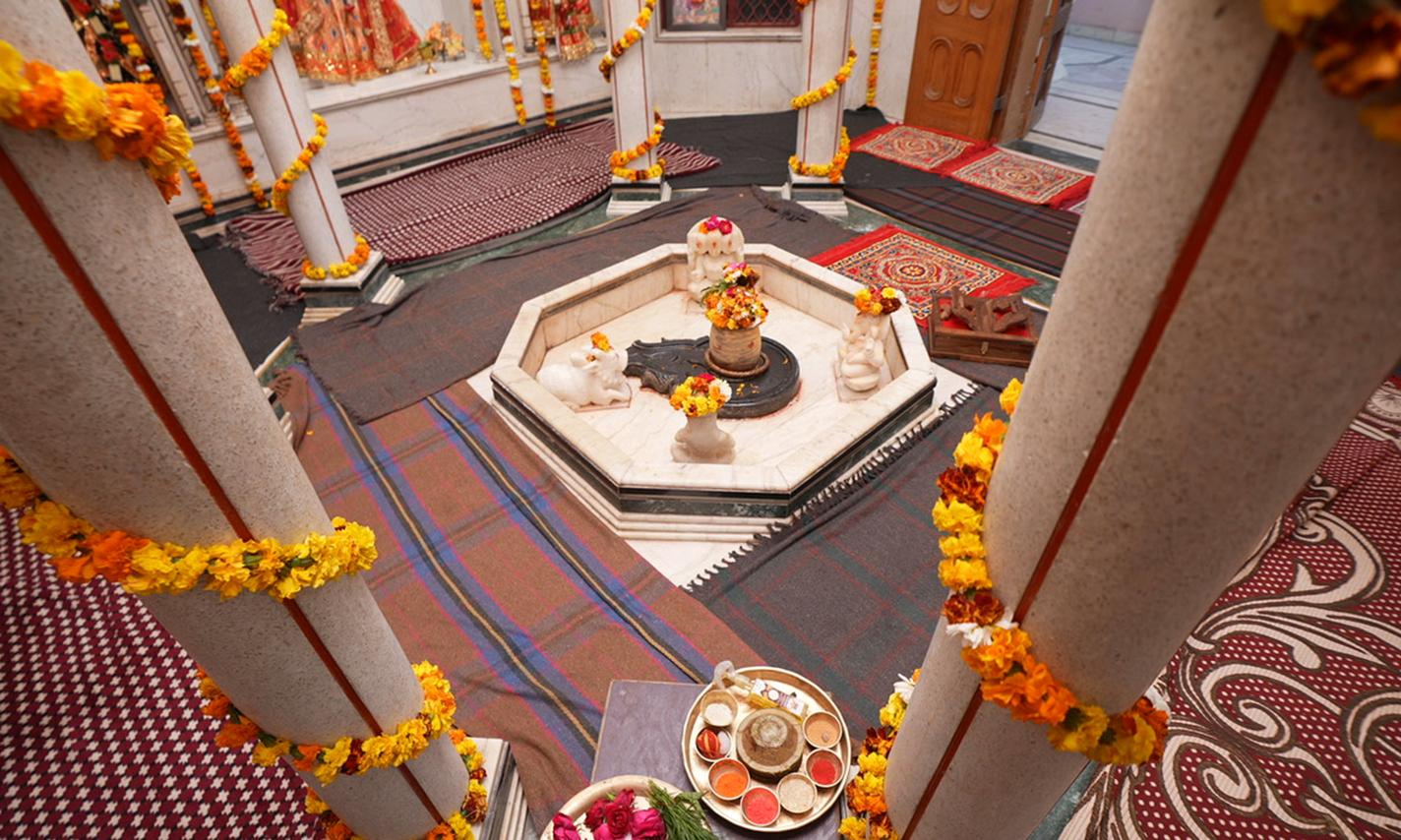
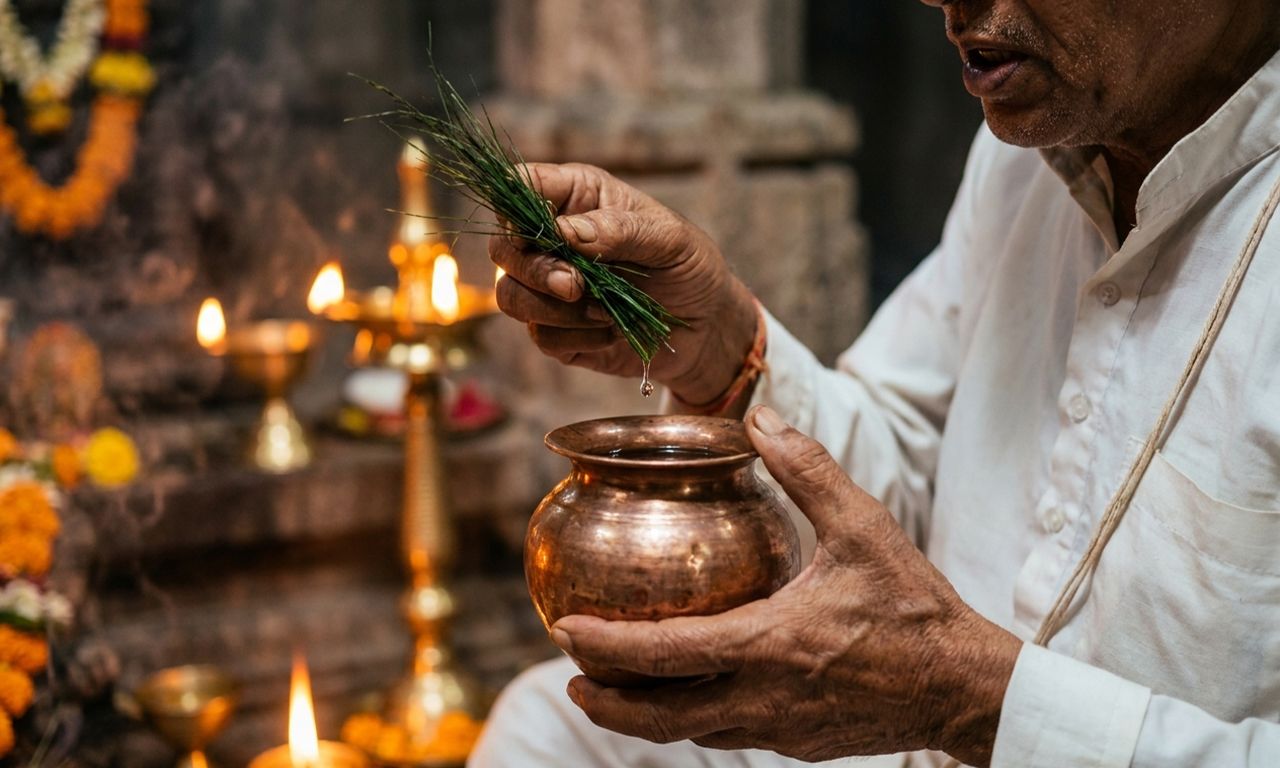
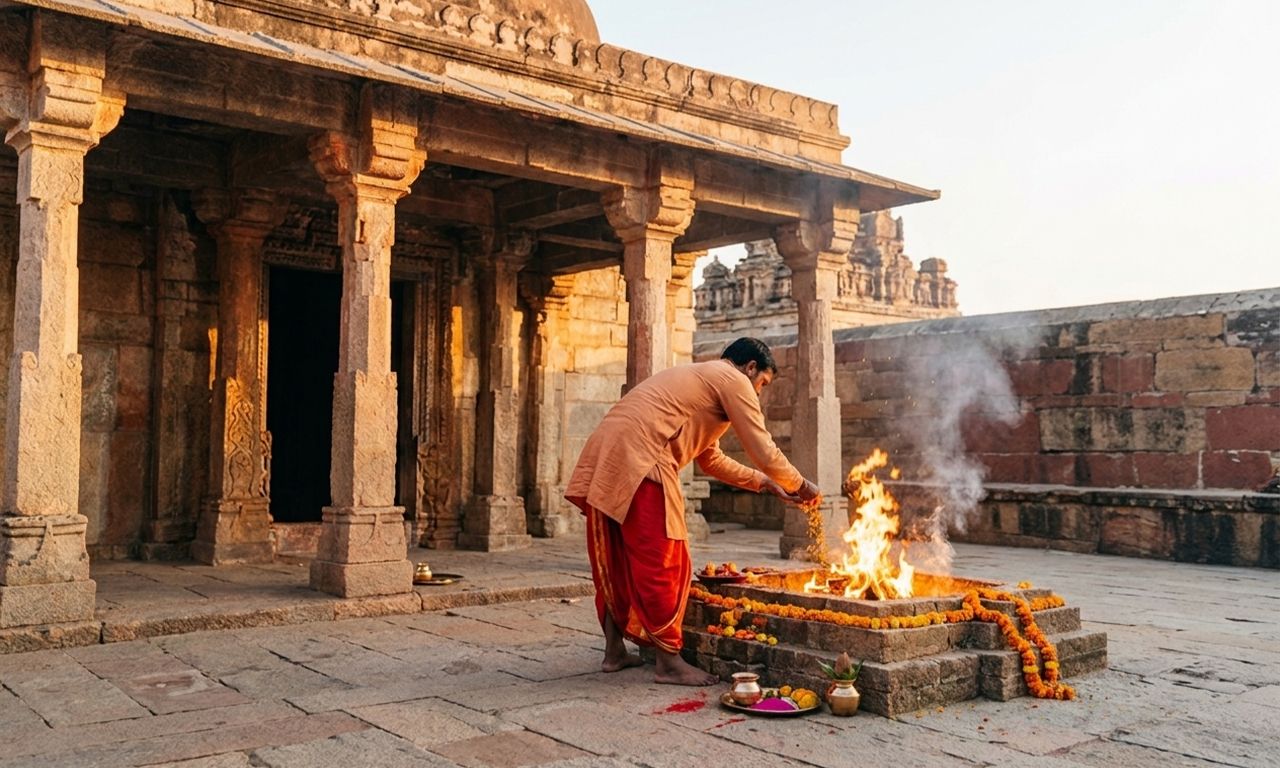
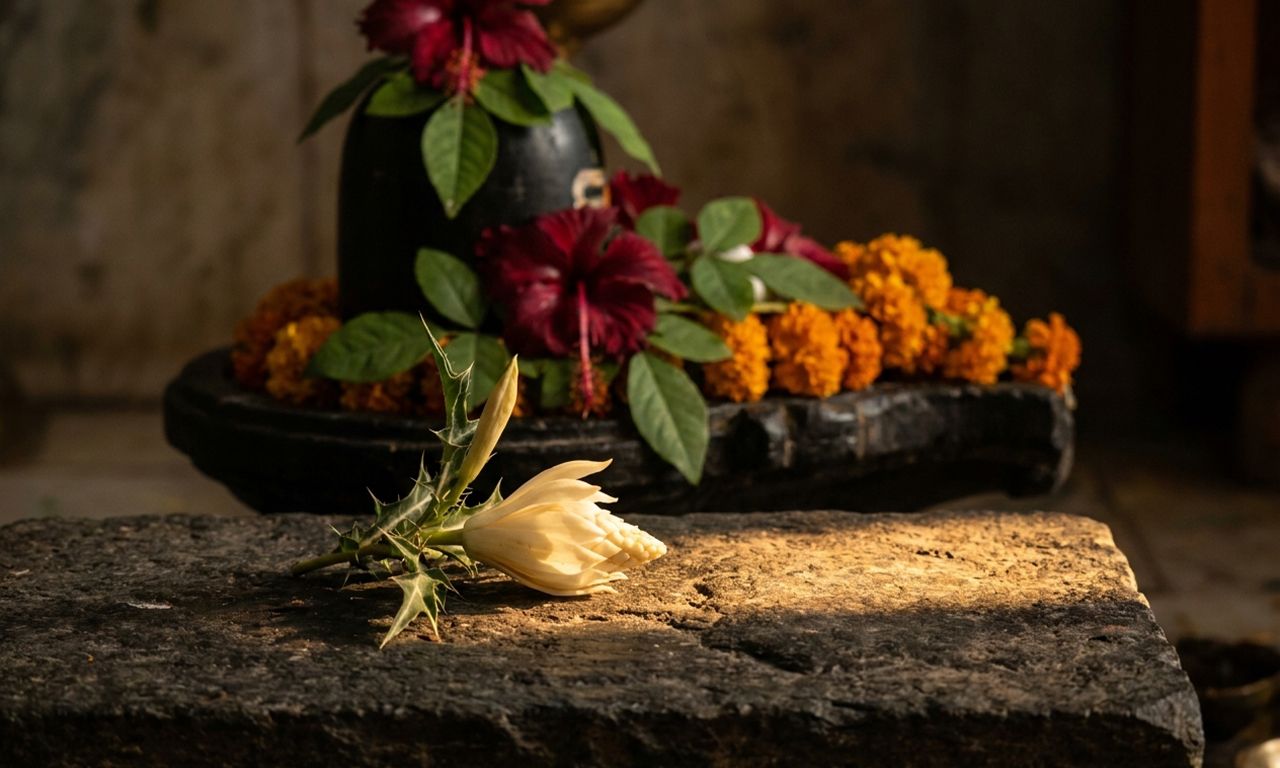
These are the hands that prepare the Mandir before sunrise. They arrange flowers with reverence. They offer Jal to the Shivling. They place Bilva Patra with devotion. They light the Diya. They prepare Prasad. They participate in Rudrabhishek with complete sincerity.
But Guruji takes this teaching even further. Hands do not become sacred only while performing Lord Shiva Puja. They become sacred every time they serve another human being without expecting recognition. Helping elderly parents. Preparing food with gratitude. Serving guests. Supporting someone in difficulty. Offering charity with humility. Protecting nature.
Every selfless action performed with the remembrance of Lord Shiva becomes an extension of worship. This is why Guruji says that devotion should not remain confined to the altar. The hands that worship inside the Mandir should carry the same spirit of service into the world outside.
Eyes That Seek Darshan
Guruji next speaks about the eyes, reminding us that they become truly blessed when they delight in the worship of Lord Shiva. In today's world, our eyes are constantly drawn towards screens, advertisements and endless distractions. We spend hours looking at things that entertain us for a moment but leave the mind restless afterwards. The Guru Parampara teaches that the eyes should also learn to seek what elevates the heart.
Darshan is not simply looking at a Shivling or standing before a deity in a Shiva temple. True Darshan happens when we look with reverence, humility and awareness. It is a moment in which the mind becomes quiet and the heart becomes receptive.
Many devotees believe they must always perform elaborate rituals themselves. Guruji explains that even watching a Rudrabhishek with complete devotion, observing a Puja attentively or witnessing another devotee's sincere worship can awaken deep spiritual feelings.
When the eyes repeatedly seek sacredness instead of distraction, they begin to influence the mind itself. Gradually, we stop searching only for pleasure and begin searching for meaning. That is the true blessing of Darshan.
A Head That Bows in Humility
Guruji then says that blessed is the head that bows before Lord Shiva. This simple act carries profound spiritual significance. Bowing the head is not a ritual of weakness. It is the conscious surrender of ego.
Every human being possesses knowledge, achievements, relationships and responsibilities. These often create the illusion that everything is under our control. Life, however, constantly reminds us that much lies beyond our understanding. When a devotee bows before Lord Shiva, they acknowledge this higher truth.
Pranam becomes an expression of gratitude. It becomes an expression of surrender. It becomes an expression of trust.
Guruji teaches that humility is one of the greatest signs of Shiva Bhakti. A person who genuinely walks the path of Lord Shiva devotion gradually becomes less interested in proving themselves superior to others. They become more willing to listen. More willing to learn. More willing to forgive. More willing to accept guidance.
The ego seeks recognition. Devotion seeks transformation. This is why the bowed head is one of the highest symbols of spiritual maturity.
Feet That Walk Towards Lord Shiva
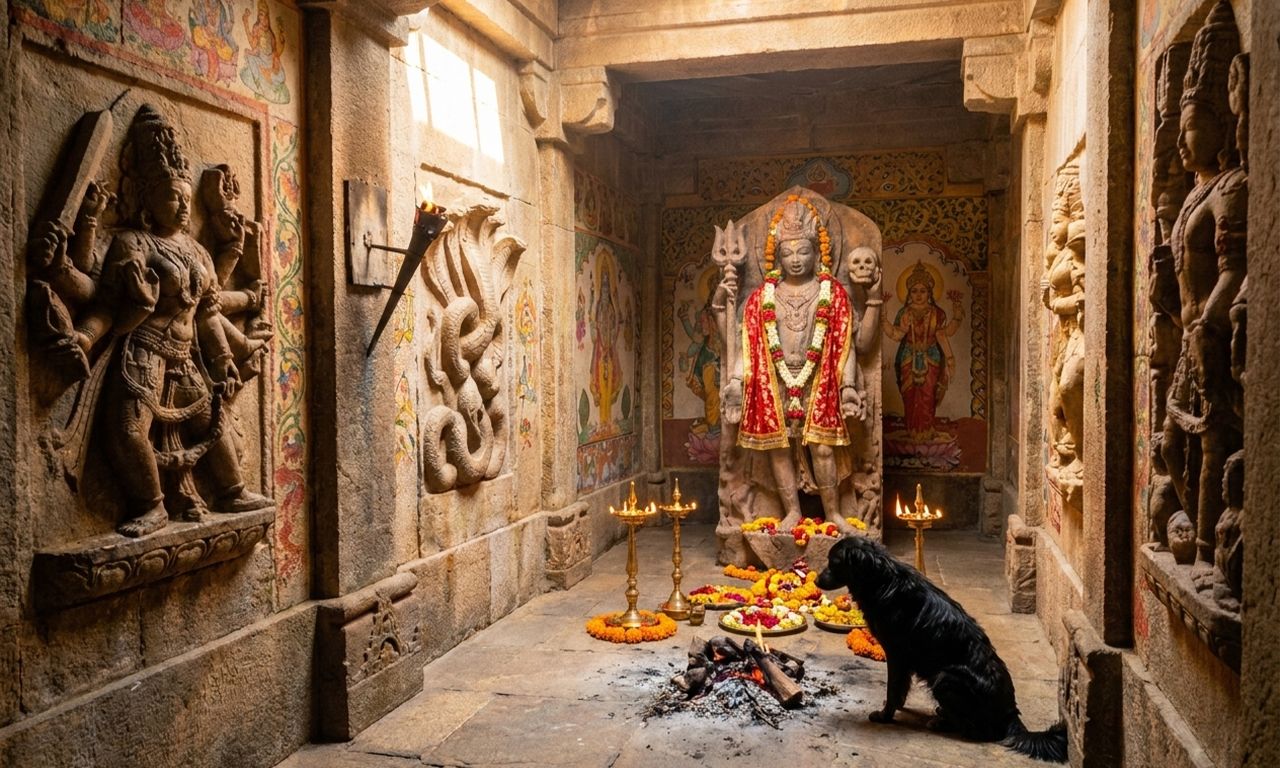
The final line of Guruji's teaching speaks about the feet that walk towards the sacred abode of Lord Shiva. At first glance, this appears to encourage visiting a Shiva temple. It certainly does. Every journey made with devotion carries immense spiritual value. Whether one walks to a neighbourhood Mandir, undertakes a pilgrimage or visits a sacred Jyotirlinga, each step becomes an offering when taken with sincere faith.
Yet Guruji invites us to understand an even deeper meaning. Our feet represent the direction of our life. Every day we choose where we invest our time, our energy and our attention. Do our choices bring us closer to Dharma? Do they strengthen our character? Do they increase compassion, truthfulness and devotion? Or do they pull us away from the values that Lord Shiva represents?
Walking towards Shiva is therefore much more than travelling to a temple. It is choosing the path of righteousness over convenience. It is choosing discipline over carelessness. It is choosing contentment over endless desire. It is choosing service over selfishness.
Every such choice is another step towards Lord Shiva. The Guru Parampara teaches that when the direction is right, the destination gradually reveals itself.
How to Live This Teaching Every Day
Guruji's teaching is not meant only for moments of worship. It is meant to accompany us throughout the day. You can begin with small but meaningful practices.
Start each morning by offering a respectful Pranam before beginning your daily work. Chant Om Namah Shivaya eleven times with complete attention instead of rushing through it mechanically. Spend a few minutes every day in Shiv Chintan, reflecting upon one quality of Lord Shiva that you wish to cultivate in your own life. Listen to authentic Shiv Katha during your commute or while taking a short break from work. Perform Lord Shiva Puja with sincerity rather than haste, even if it consists only of offering water to a Shivling and lighting a Diya. Whenever possible, participate in Rudrabhishek, especially with a heartfelt Sankalp, allowing your prayers to become an offering before Lord Shiva.
Above all, carry the spirit of worship into your conduct. Speak gently. Act honestly. Serve selflessly. Remain humble. This is how daily Shiva worship gradually becomes a way of life rather than an occasional ritual.
The Narwar Dham Tradition
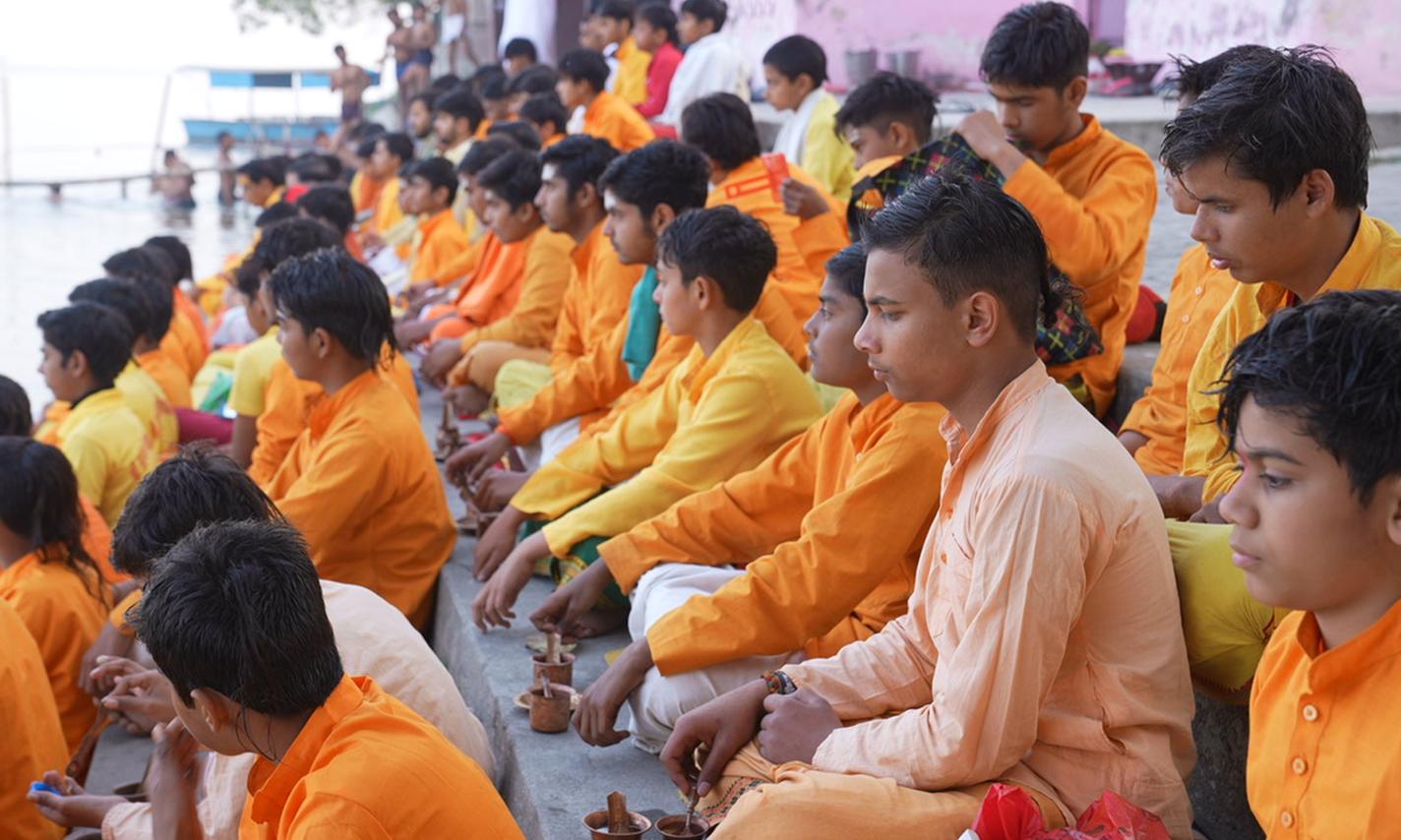
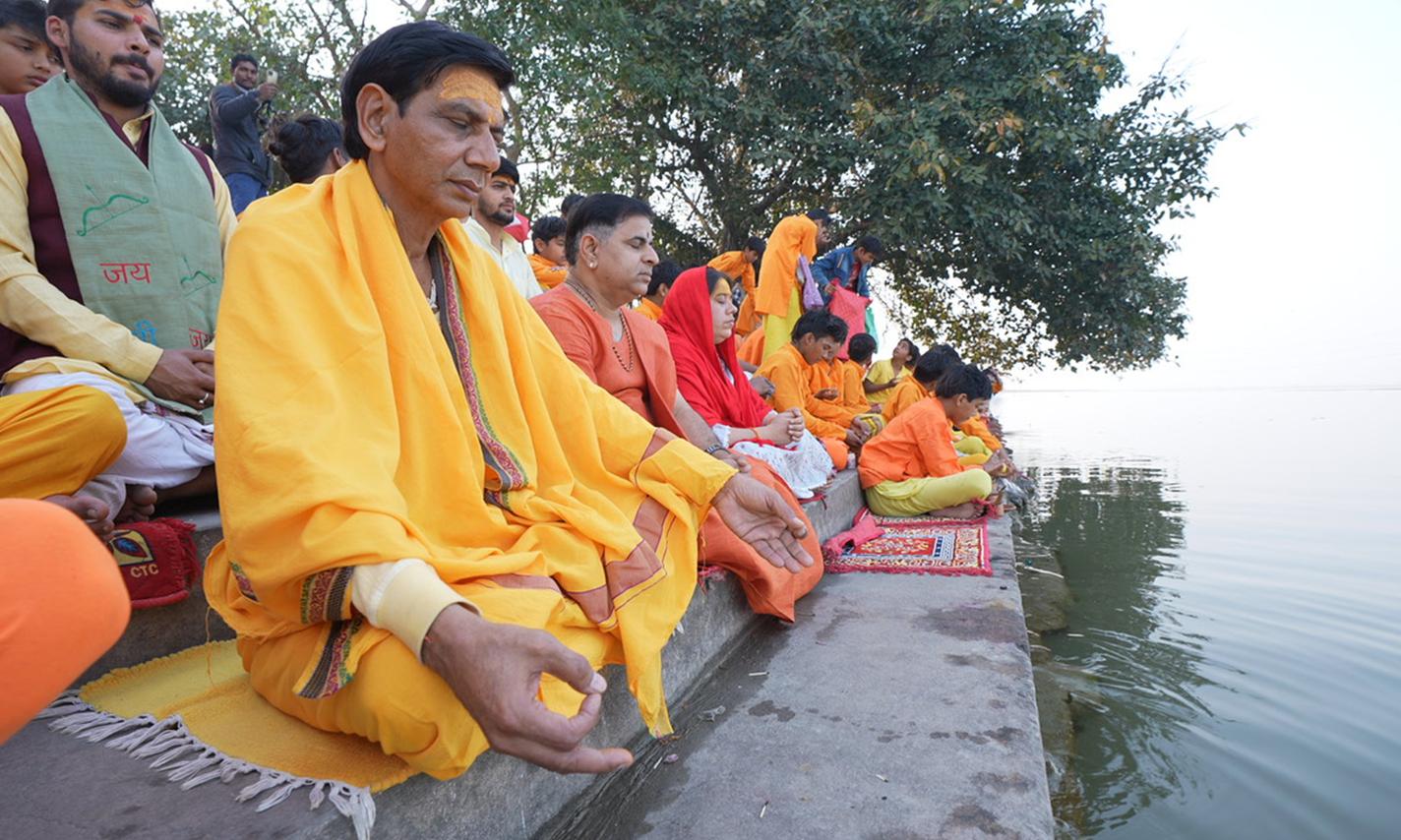
For more than 120 years, the Narwar Dham Guru Parampara has preserved the authentic traditions of Shiva worship through disciplined practice, scriptural learning and Guru-Shishya transmission.
Every teaching shared by Param Pujya Mahesh Prakash Sharma Ji is rooted in this living tradition. These are not merely philosophical ideas but principles that have been practised by generations of Acharyas who have dedicated their lives to the worship of Lord Shiva.
Within this lineage, devotion is never separated from conduct. A devotee is encouraged not only to perform Lord Shiva Puja, but also to cultivate humility, compassion, truthfulness, discipline and selfless service. Worship performed in the temple is expected to reflect in everyday life.
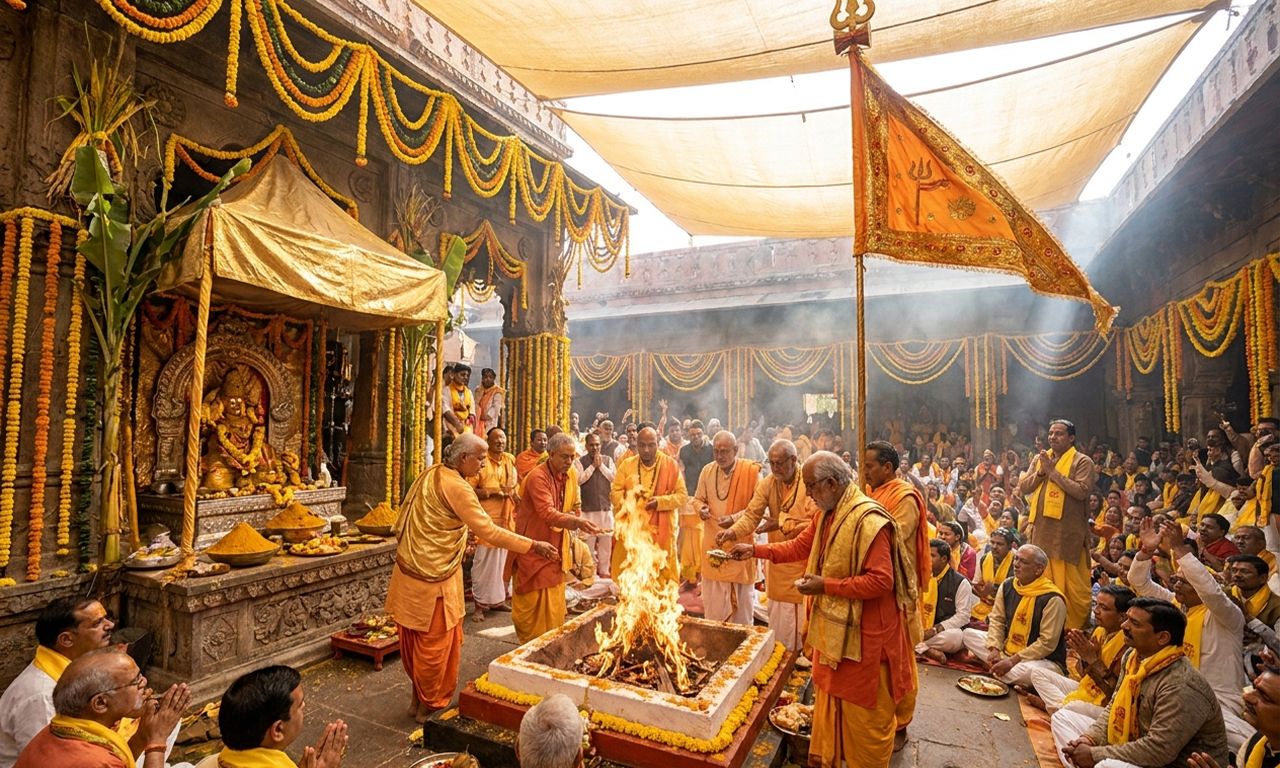
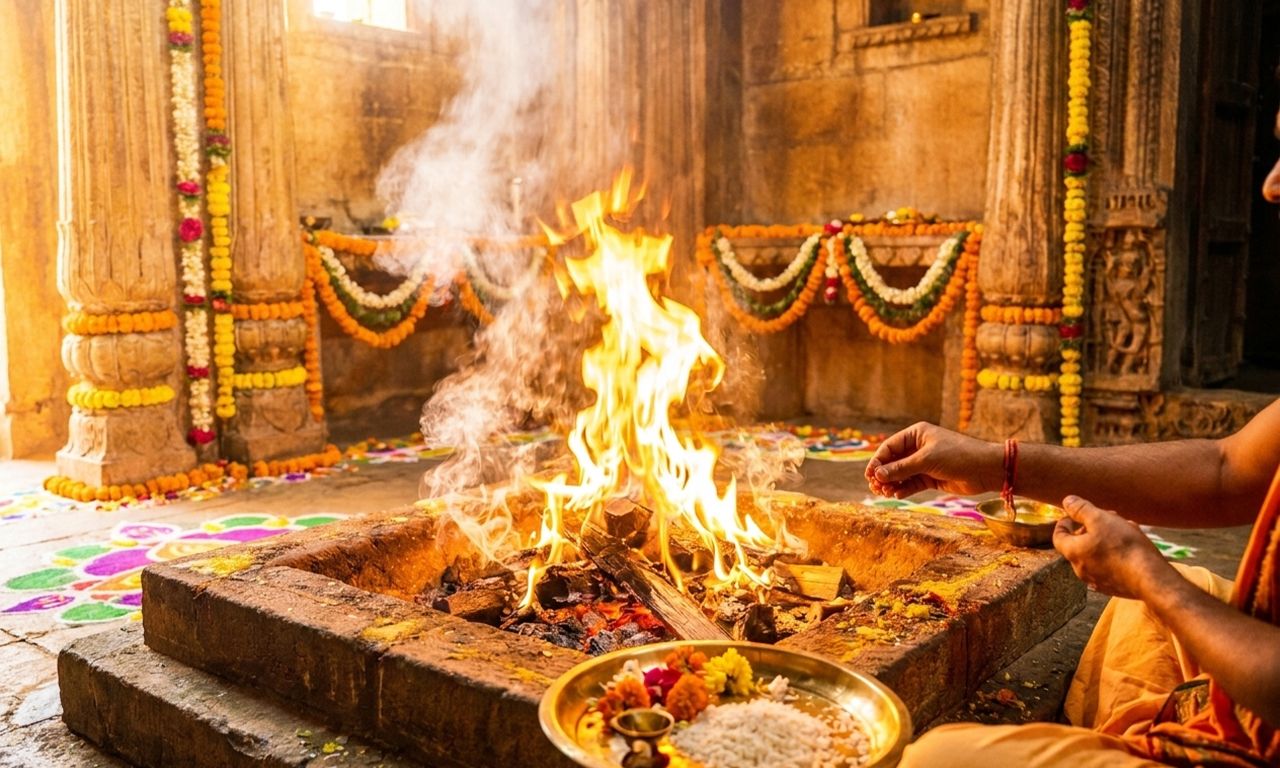
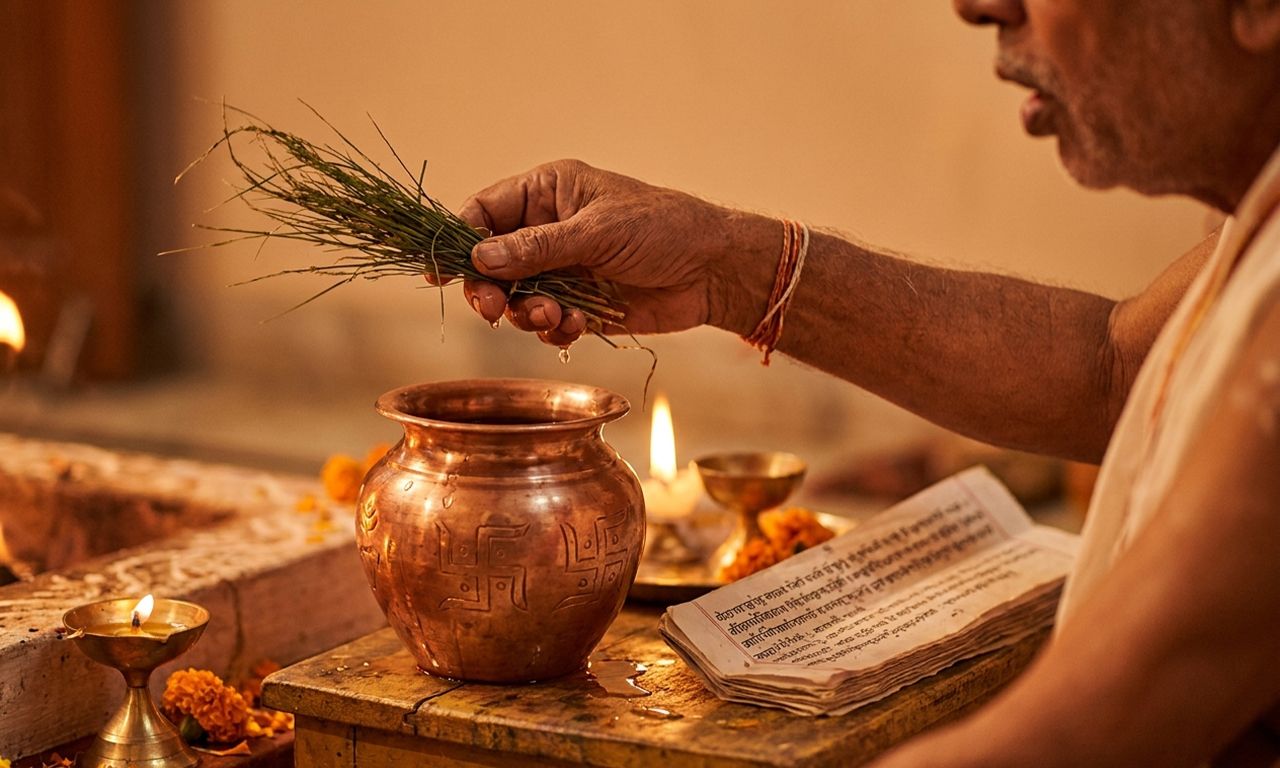
The same philosophy guides every Rudrabhishek, every Vedic ritual and every spiritual offering performed at Narwar Dham. Every Sankalp is undertaken with sincerity, following the traditional Vedic procedures that have been preserved through generations. This continuity of tradition reminds us that while times may change, the path of Shiva Bhakti remains timeless.
Frequently Asked Questions
Is chanting "Om Namah Shivaya" enough to become a true devotee of Lord Shiva?
Chanting Om Namah Shivaya is one of the most sacred practices in Shiva Bhakti. However, Guruji teaches that the mantra should gradually transform our thoughts, speech and actions. The goal is not only to chant the mantra but to live its spirit every day.
Can I become a devotee of Lord Shiva without visiting a temple regularly?
Yes. Visiting a Shiva temple is highly beneficial, but devotion begins in the heart. If you sincerely remember Lord Shiva, practise Shiv Chintan, perform daily worship at home and live according to Dharma, you continue to grow on the path of Lord Shiva devotion.
Why is Shiv Chintan considered so important?
The mind influences every decision we make. Shiv Chintan gradually fills the mind with peace, patience and clarity, helping a devotee respond to life's challenges with greater wisdom instead of impulsiveness.
What is the role of Rudrabhishek in Shiva Bhakti?
Rudrabhishek is one of the most revered forms of Shiva worship described in the Vedic tradition. It combines mantra, Abhishek, Sankalp and prayer, allowing devotees to express their devotion while seeking Lord Shiva's blessings for health, peace, spiritual growth and overall well-being.
How can I practise Shiva Bhakti in my daily life?
Begin with simple and consistent practices. Offer water to the Shivling. Chant Om Namah Shivaya with attention. Read or listen to Shiv Katha. Spend a few minutes in Shiv Chintan. Perform your daily duties honestly and compassionately. Over time, these small practices naturally deepen your relationship with Lord Shiva.
From Faith to Sadhana
Understanding who a true devotee of Lord Shiva is marks the beginning of the journey. The next step is to express that devotion through sincere action. One of the most sacred ways to do this is by participating in Rudrabhishek, where Vedic mantras, Abhishek and heartfelt Sankalp come together in the worship of Mahadev.
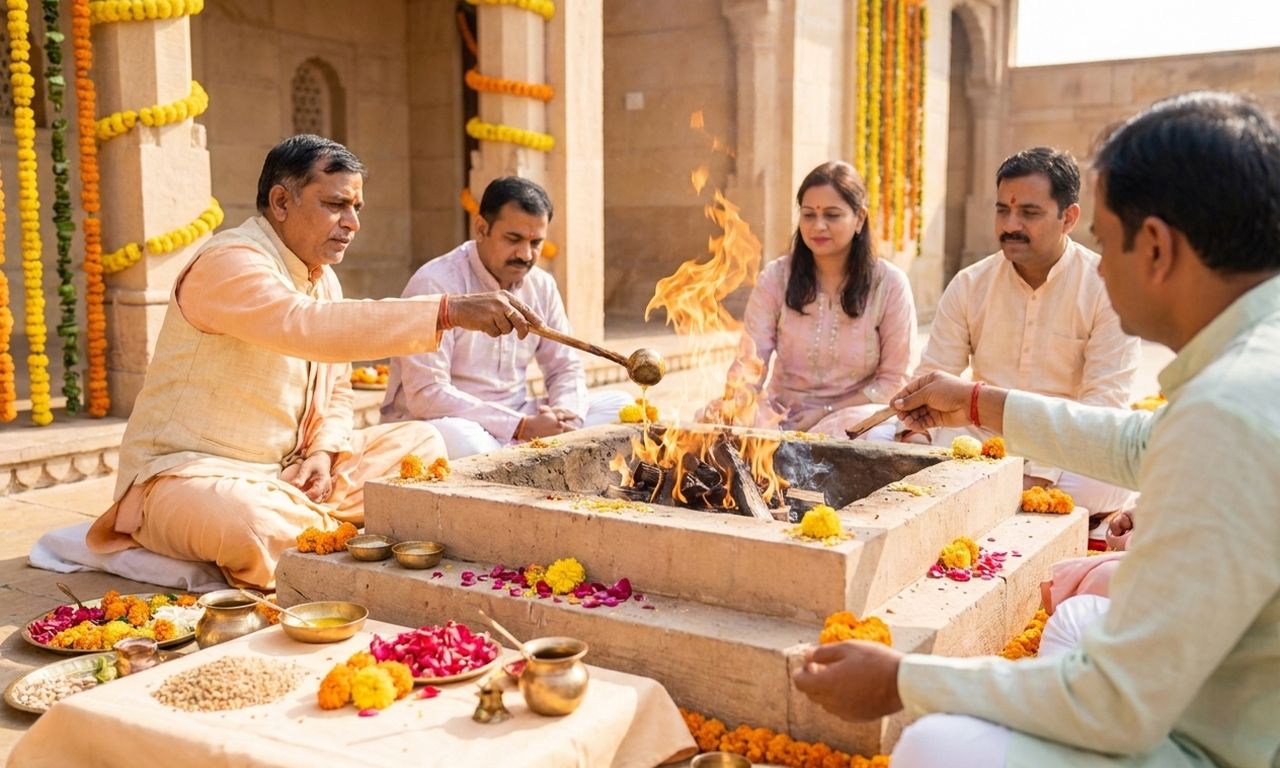
This Sawan, you can become a part of the Sawan Maha Rudrabhishek performed in the 120-year-old Narwar Dham Guru Parampara. Our learned Acharyas perform the complete Vedic ritual in your name and gotra, praying for your family's peace, health, prosperity and spiritual progress.
Your devotion deserves more than remembrance. It deserves a sincere offering.
Offer your Sankalp today and become a part of this sacred tradition.