Why Is Bhasma Applied to Lord Shiva? The Spiritual Meaning Behind Sacred Ash
By SiddhiStar | Narwar Dham Parampara
21 July 2026 • 6 min read
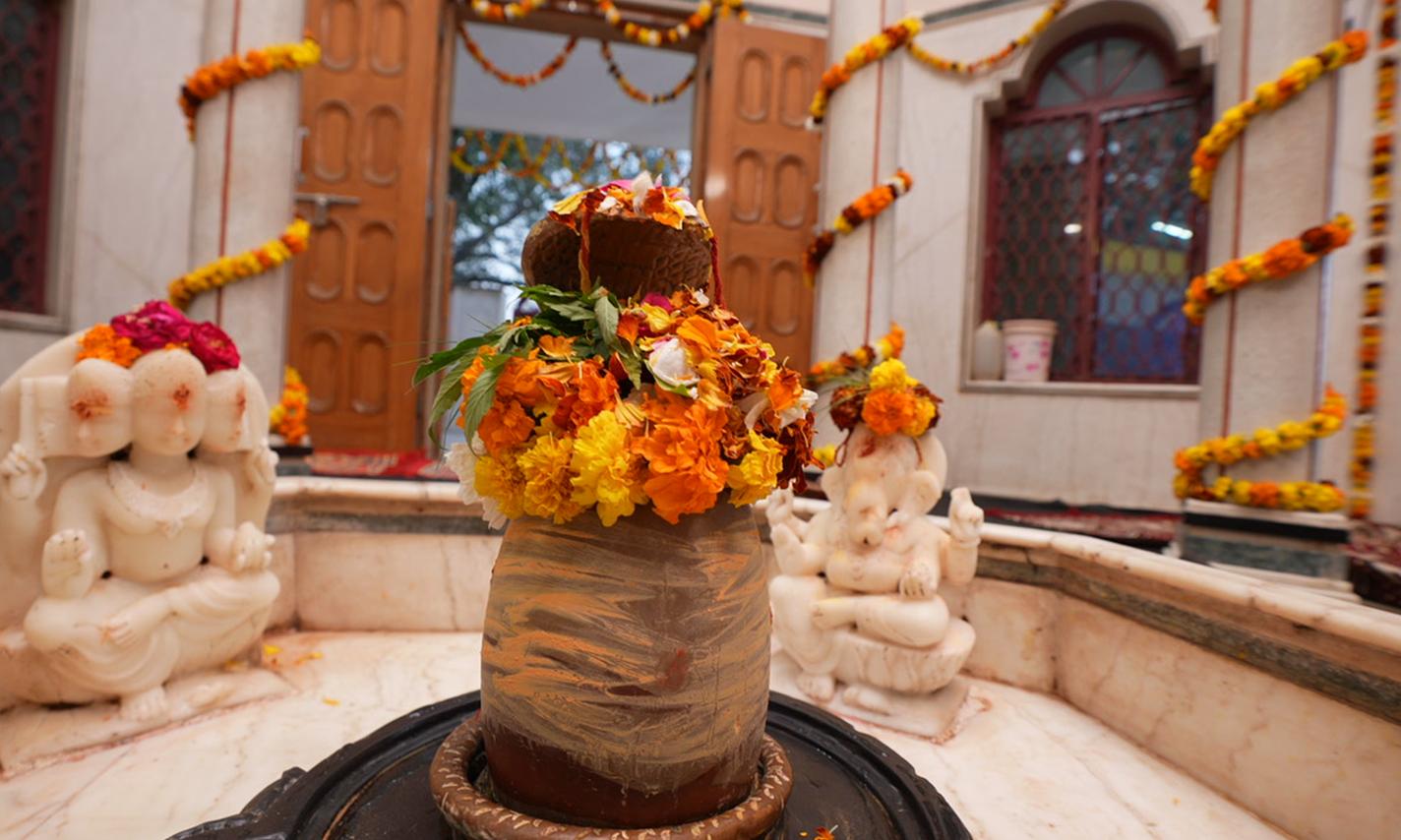
Among all the symbols associated with Lord Shiva, few are as striking and profound as Bhasma, the sacred ash adorning His body. Unlike kings who wear jewels or rulers who display their wealth through ornaments, Mahadev is depicted covered in sacred ash. This image has inspired devotion for thousands of years, yet it has also raised countless questions.
Why does Lord Shiva wear Bhasma? Why do many Shiva devotees apply sacred ash on their forehead? Is it merely a religious tradition, or does it carry a deeper spiritual message?
Param Pujya Mahesh Prakash Sharma Ji teaches that every aspect of Lord Shiva's form carries profound spiritual wisdom. Nothing associated with Mahadev is accidental or decorative. Every symbol exists to awaken the devotee's understanding.
Bhasma is one such teacher. It silently reminds us of one of life's greatest truths. Everything that we proudly call "mine" today will one day return to dust. The only thing that remains eternal is the Divine.
Guruji explains that people often avoid thinking about the temporary nature of life. We become attached to wealth. Recognition. Power. Possessions. Relationships. Bhasma gently reminds every devotee that while all worldly forms eventually change, the soul remains eternal. Remembering this truth does not create fear. It creates wisdom.
What Is Bhasma?
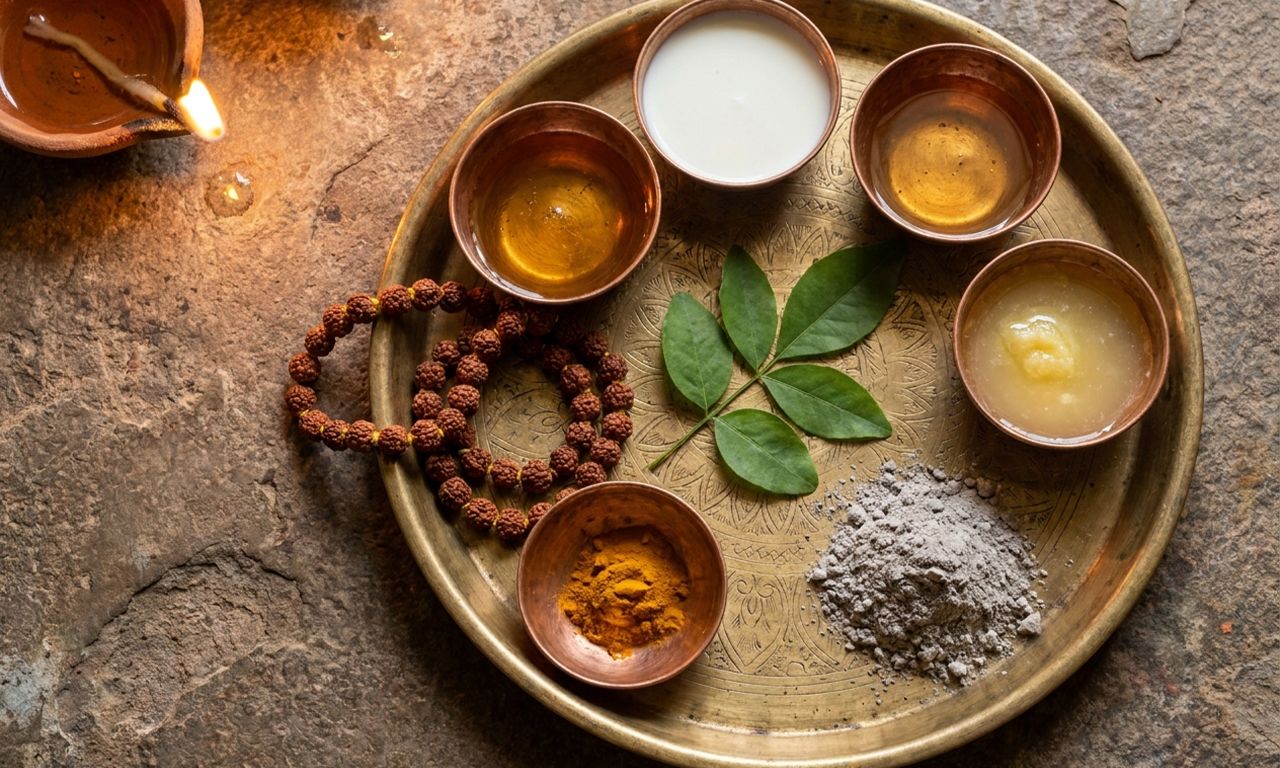
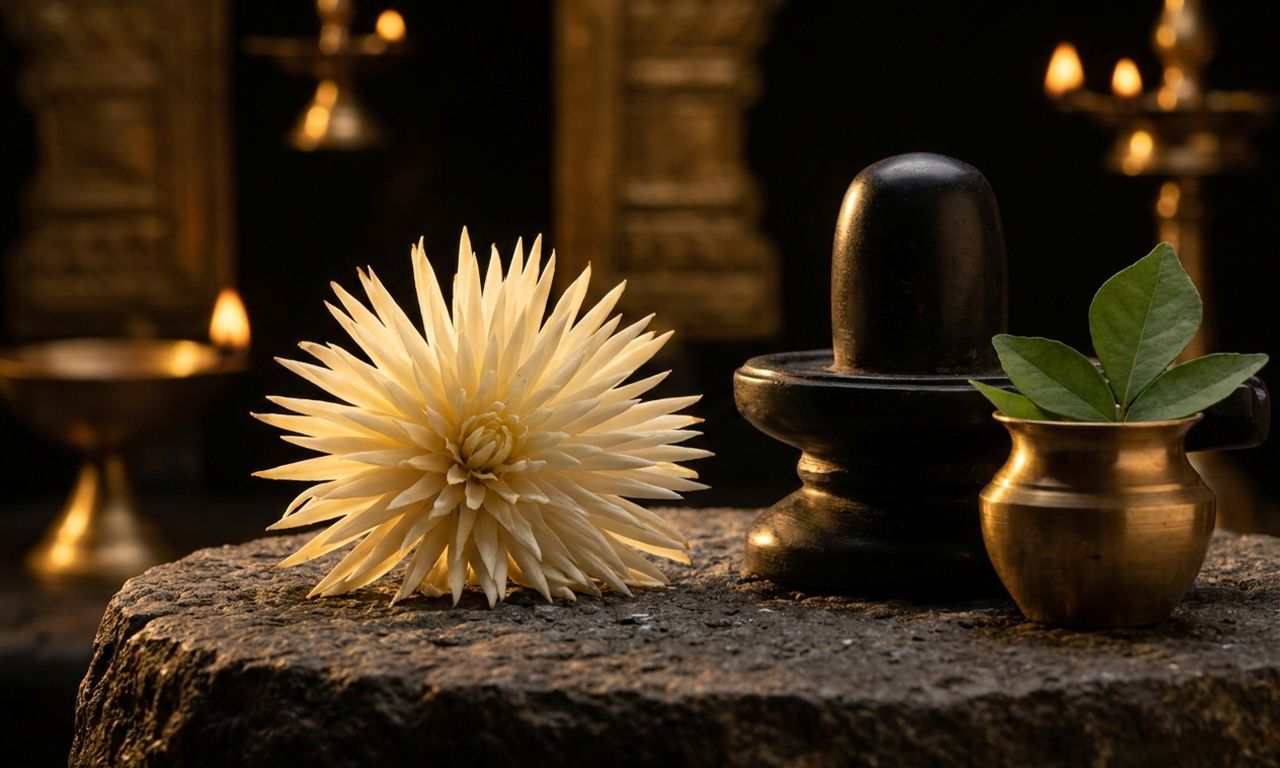
The Sanskrit word Bhasma means sacred ash. In the Shaiva tradition, Bhasma occupies a place of great reverence and is associated with purity, detachment and spiritual awareness.
It is not viewed as an ornament. It is a reminder. Every time a devotee sees Bhasma, he is invited to remember the impermanent nature of the material world and the eternal presence of Lord Shiva.
Why Does Lord Shiva Wear Bhasma?
Guruji teaches that Mahadev's appearance itself is a complete spiritual discourse. While the world chases external beauty, Lord Shiva demonstrates freedom from attachment.
Bhasma symbolises that all material forms eventually dissolve. The body changes. Youth fades. Wealth comes and goes. Positions of authority eventually pass to others. Only truth remains. By covering Himself in Bhasma, Mahadev teaches devotees not to become imprisoned by temporary identities.
The Lesson of Impermanence
Perhaps the greatest teaching of Bhasma is impermanence. Guruji explains that suffering often arises because human beings assume that everything they possess will remain forever. When change arrives, the mind experiences sorrow.
Bhasma prepares the devotee to accept life's natural changes with greater maturity. It encourages gratitude instead of attachment. Humility instead of pride. Faith instead of fear. This understanding gradually brings inner peace.
Does Bhasma Encourage Renunciation?
Many people mistakenly believe that Bhasma teaches devotees to reject family life or worldly responsibilities. Guruji offers a balanced understanding.
Lord Shiva Himself is a householder. He is the ideal husband. The ideal father. The ideal Guru. The ideal Yogi.
Bhasma does not ask us to abandon responsibility. It teaches us to perform every responsibility without becoming consumed by ego and attachment. Live fully. Serve sincerely. Remember constantly. This is the message of Mahadev.
Why Do Devotees Apply Bhasma?
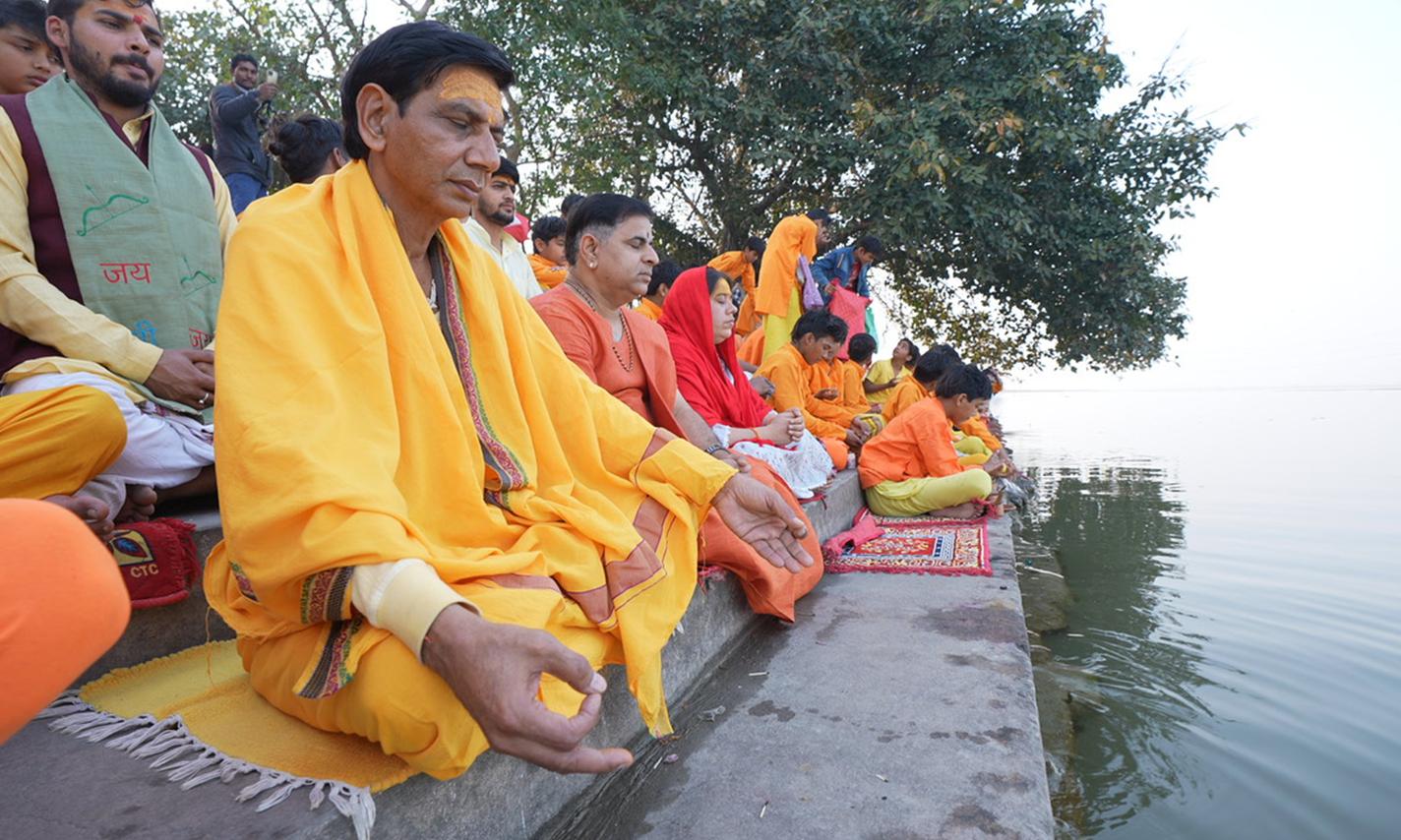
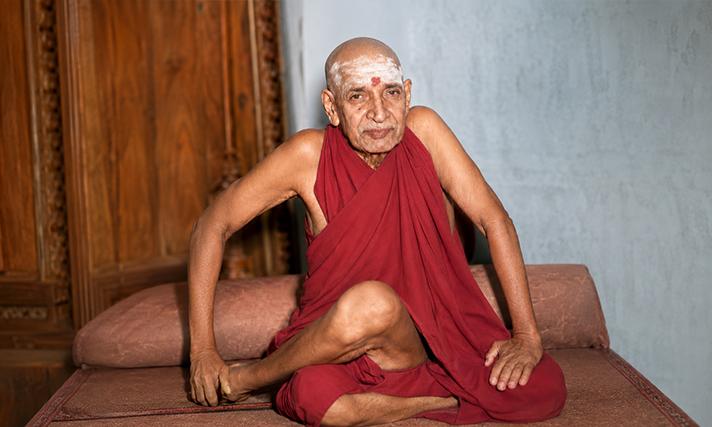
Many Shiva devotees apply sacred ash on the forehead after Puja or temple worship. Guruji explains that this practice is not meant to display religious identity. Its purpose is personal remembrance.
Every application silently says: "My body is temporary." "My soul belongs to Mahadev." "My life should be lived with humility."
If these thoughts arise, the application of Bhasma becomes spiritually meaningful. Without this awareness, it remains only an external mark.
Bhasma and Ego
Guruji teaches that ego is one of the greatest obstacles on the spiritual path. Pride in wealth. Pride in knowledge. Pride in status. Pride in appearance. All these gradually distance the devotee from inner peace.
Bhasma reminds us that every worldly identity is temporary. This remembrance weakens ego and strengthens humility. A humble heart naturally becomes more receptive to divine grace.
Bhasma During Shiva Worship
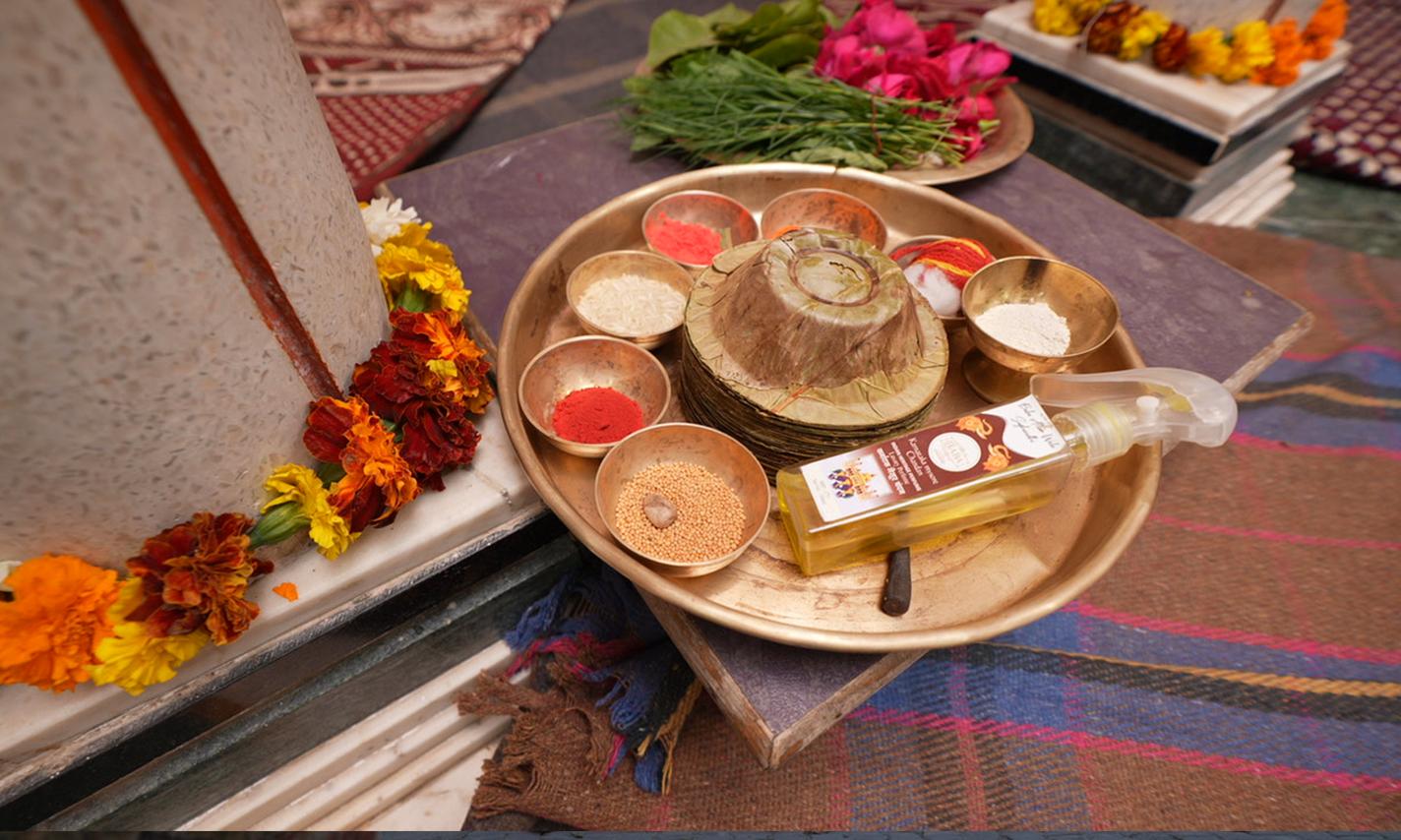
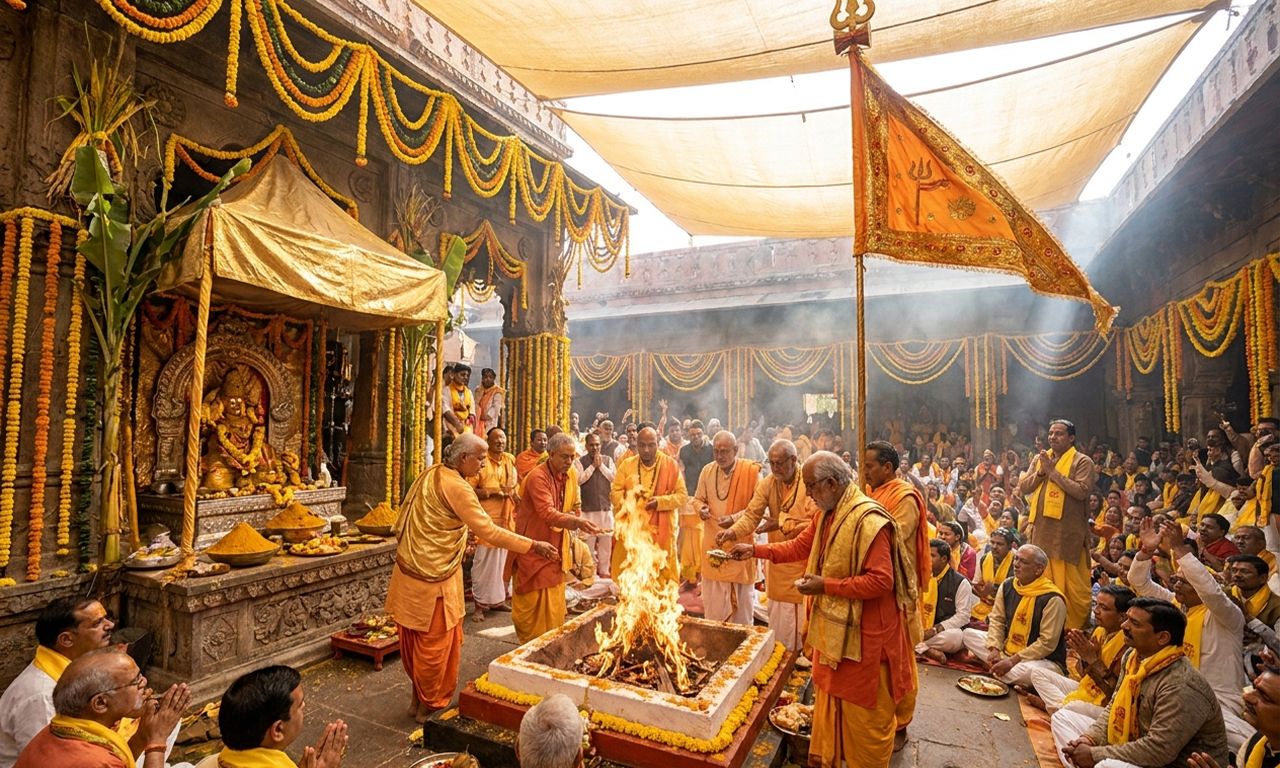
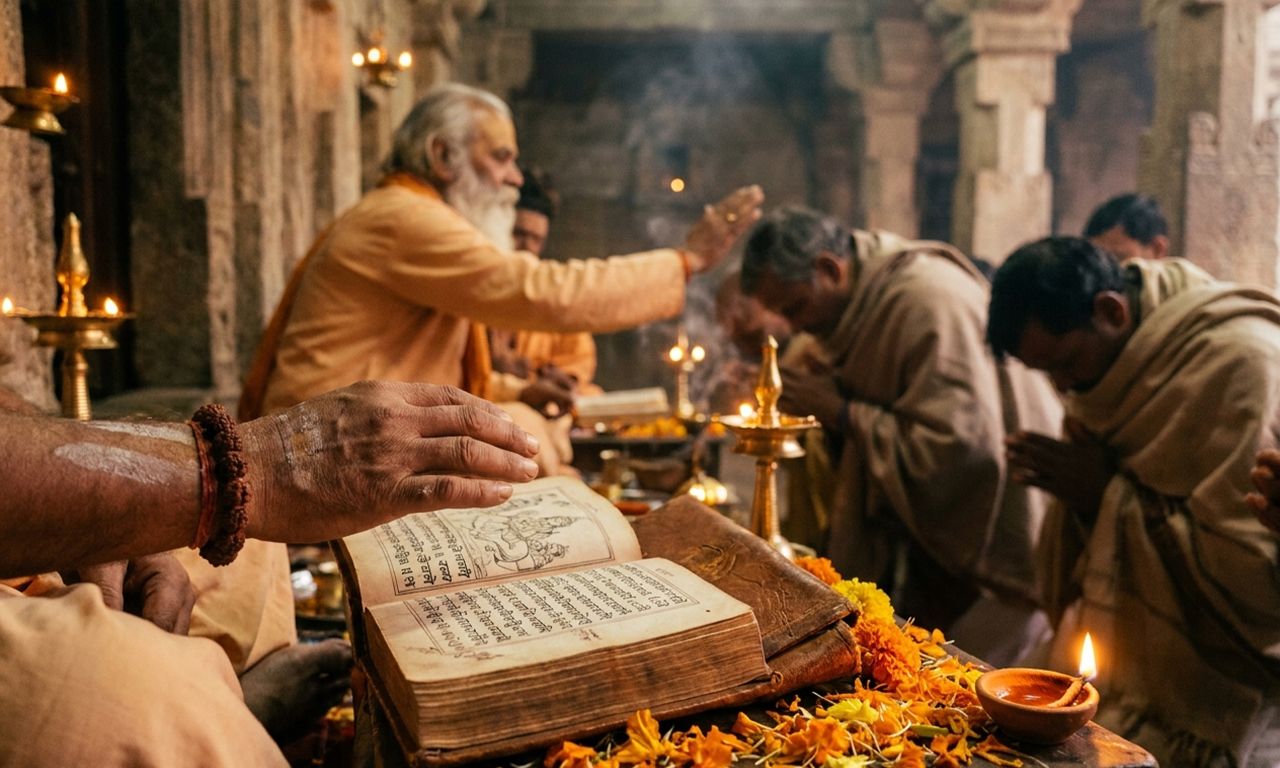
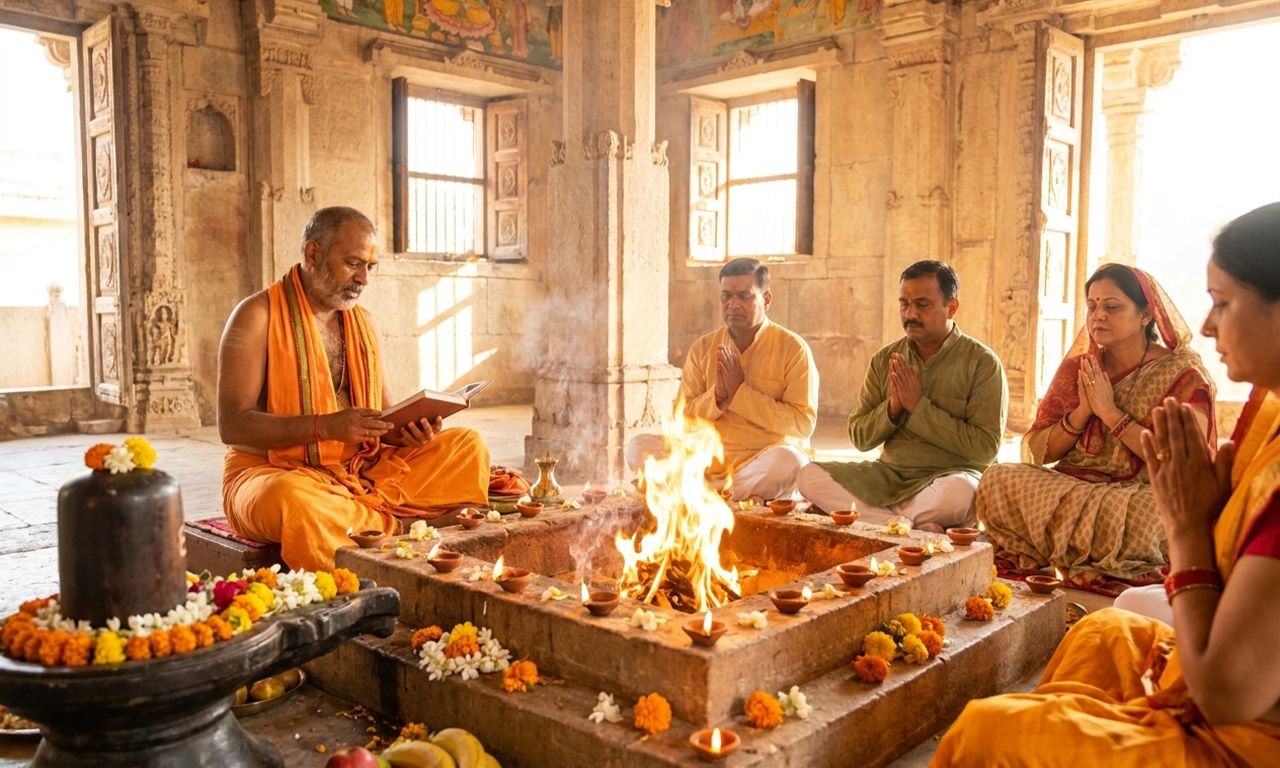
Within many Shaiva traditions, Bhasma is associated with Shiv Puja, mantra chanting and spiritual discipline. Guruji explains that whether or not a devotee physically applies Bhasma, its message should always remain alive within the heart.
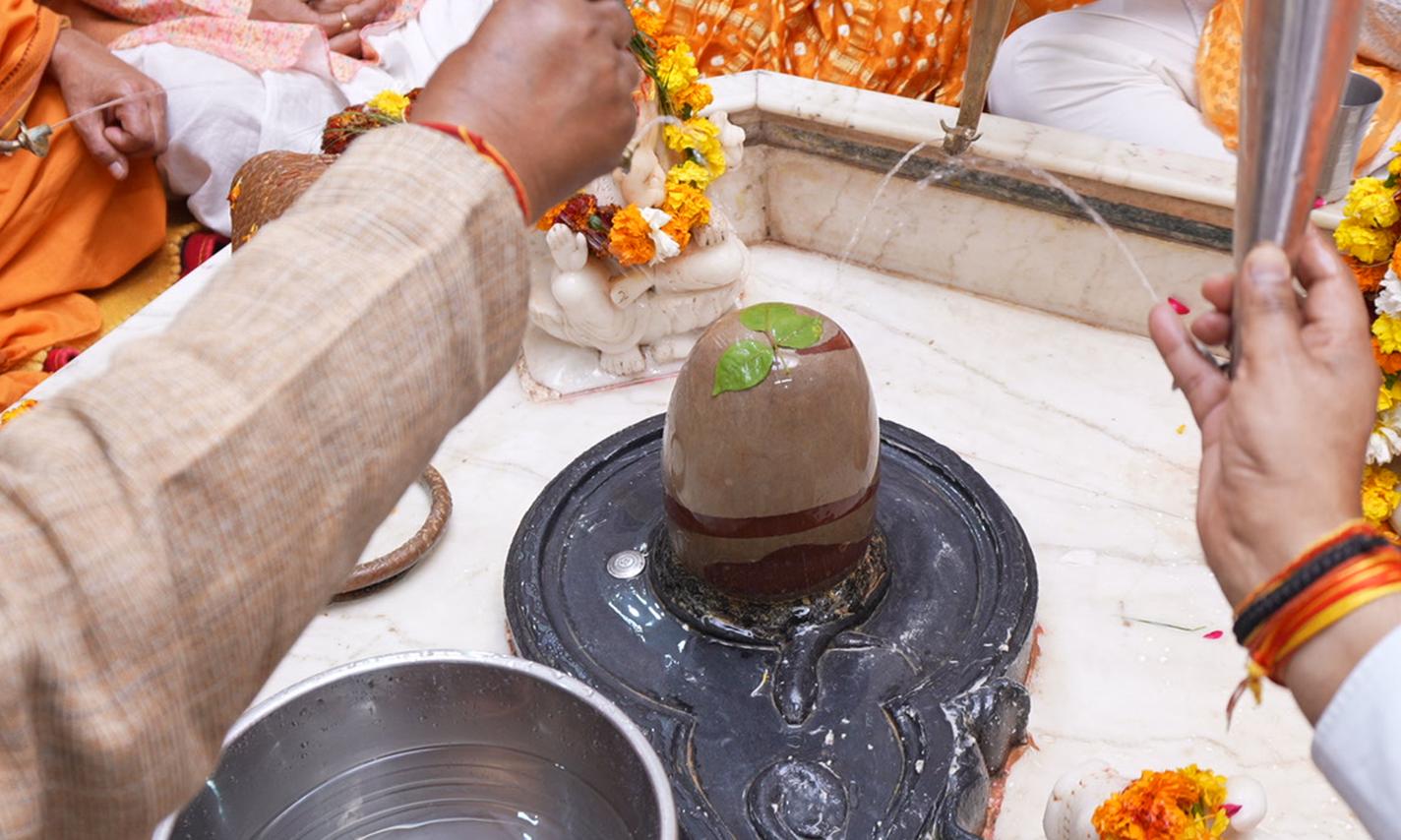
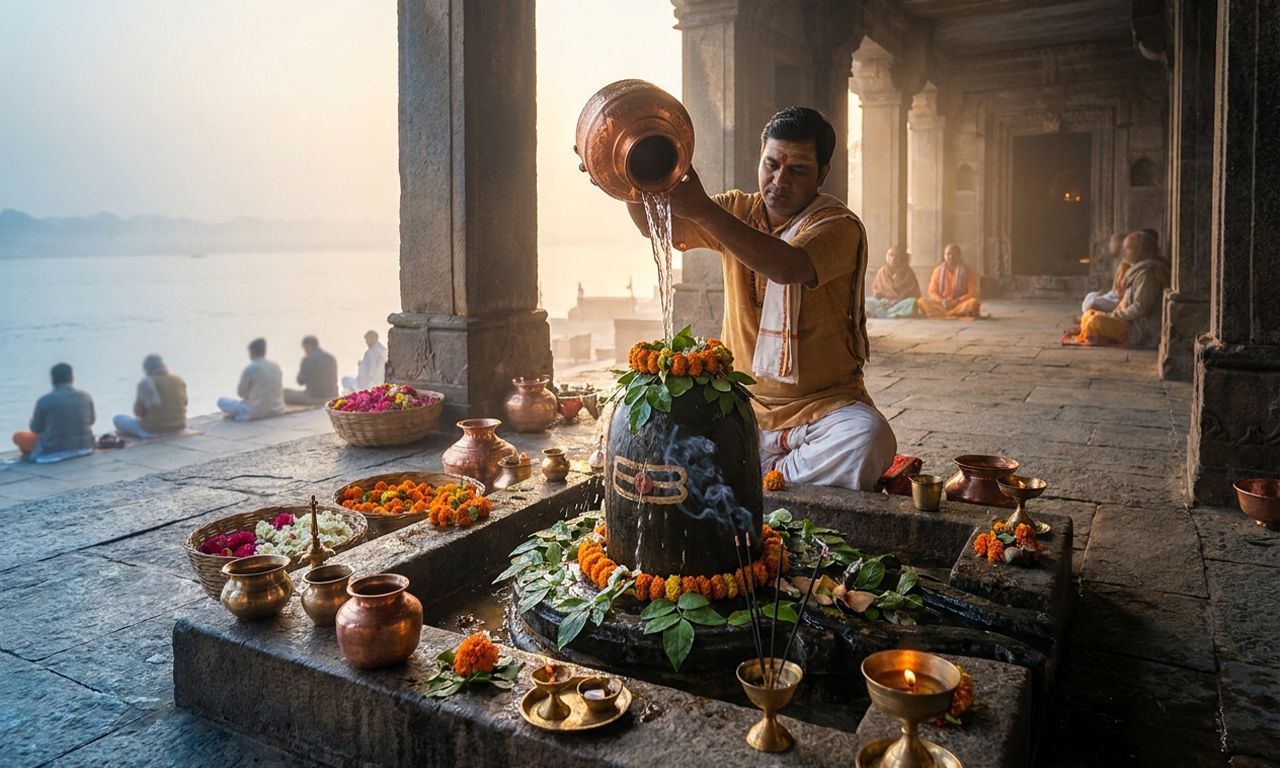
Every Puja should reduce pride. Every Rudrabhishek should deepen surrender. Every mantra should increase remembrance. That is the true Bhasma which transforms life.
Can Every Devotee Apply Bhasma?
Yes. Guruji teaches that if Bhasma is applied, it should always be done with reverence and understanding.
It is not a fashion statement. It is not a symbol of superiority. It is a sacred reminder of life's highest truths. The external mark should always reflect an inner attitude of humility and devotion.
Living the Teaching of Bhasma
Guruji beautifully explains that the greatest devotee is not the one who merely applies Bhasma. It is the one who lives its message.
Speak gently. Serve selflessly. Remain humble during success. Remain patient during difficulty. Remember Mahadev every day. When these qualities become part of life, Bhasma has fulfilled its purpose.
The Narwar Dham Tradition
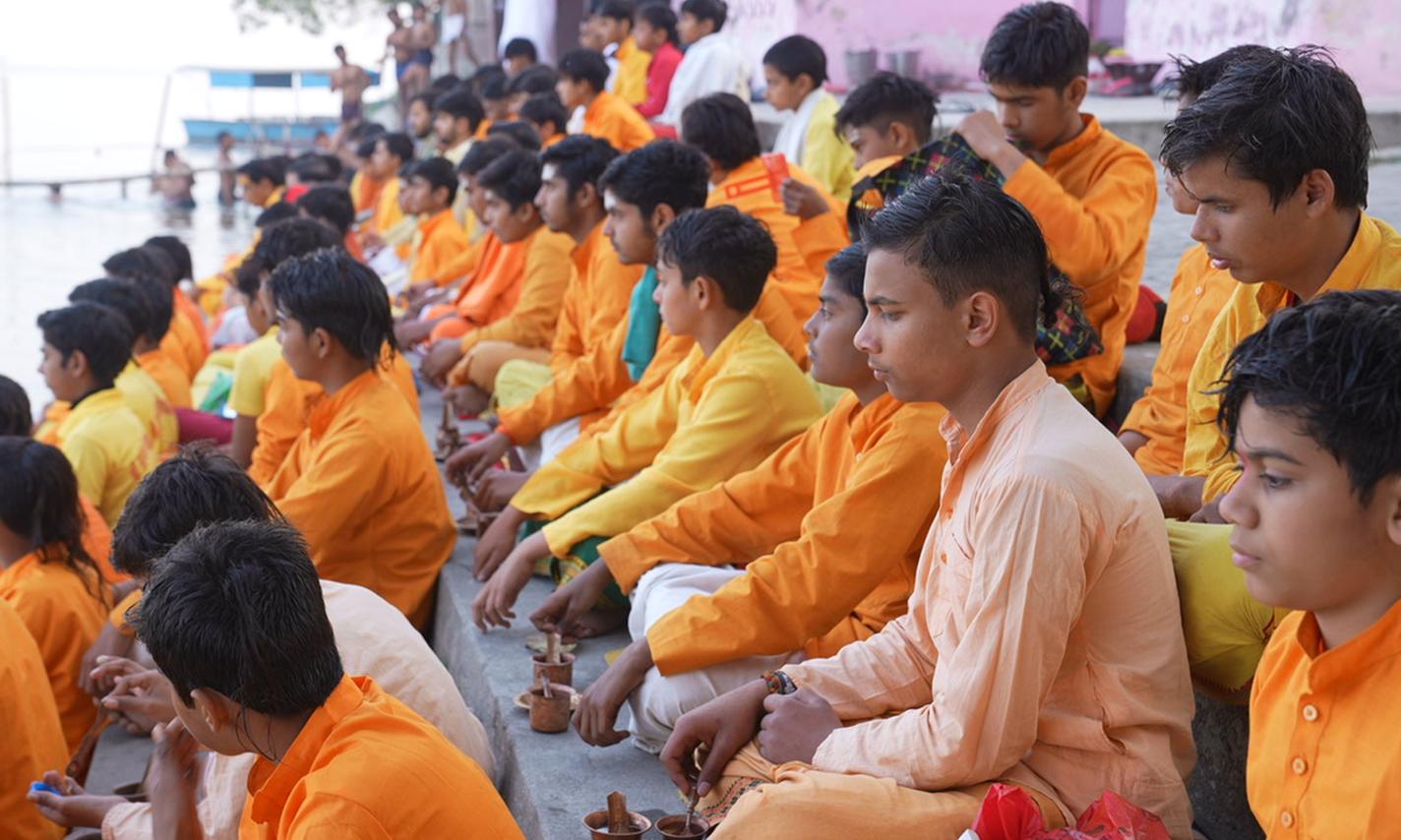
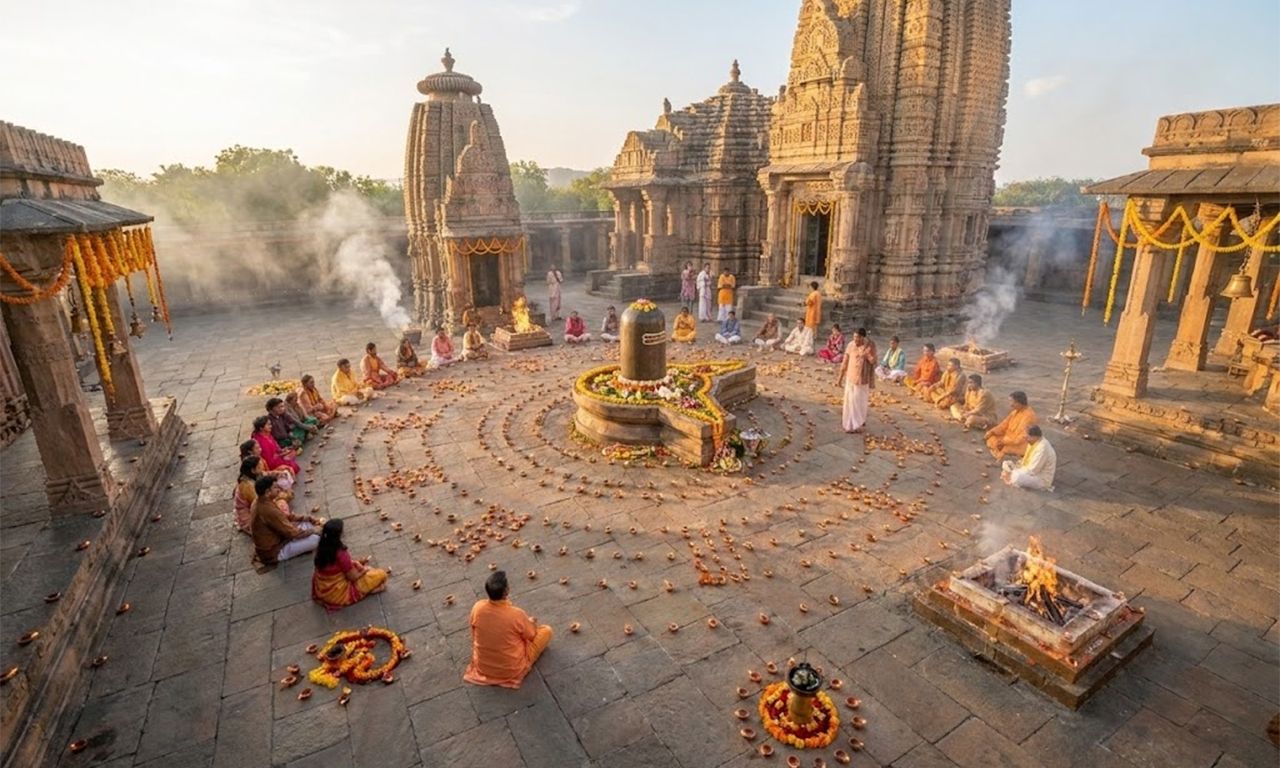
For more than 120 years, the Narwar Dham Guru Parampara has preserved the authentic traditions of Shiva worship, where every symbol is understood before it is practised. Bhasma is respected not merely as sacred ash but as a reminder of humility, impermanence and surrender before Lord Shiva. Through Rudrabhishek, mantra chanting, Shiv Chintan and disciplined spiritual practice, devotees are encouraged to carry these teachings into daily life.
Frequently Asked Questions
Why does Lord Shiva wear Bhasma?
Bhasma symbolises the temporary nature of the material world and reminds devotees that only the Divine is eternal.
What does Bhasma represent in Shiva worship?
According to Guruji, Bhasma represents humility, detachment from ego and the remembrance that life should be centred on devotion rather than worldly pride.
Can anyone apply Bhasma?
Yes. It may be applied with reverence and understanding. Its greatest purpose is to remind the devotee of life's spiritual truths.
Is Bhasma only an external symbol?
No. Guruji teaches that the real purpose of Bhasma is inner transformation. The external mark becomes meaningful only when accompanied by humility and sincere remembrance of Lord Shiva.
Why is Bhasma associated with Lord Shiva?
Because Mahadev teaches that worldly possessions and identities are temporary, while truth, devotion and the soul remain eternal.
From Faith to Sadhana
Understanding the symbols of Lord Shiva is the beginning of devotion. Living them through authentic worship is the next step.
At Narwar Dham, learned Acharyas from the 120-year-old Guru Parampara perform Rudrabhishek with your name and gotra, following the authentic Vedic traditions that have guided devotees for generations.
Do you also want Articles 1-3 re-sent with bold headings, or just continue with the next articles?
Offer your Sankalp today through SiddhiStar and let your prayers become part of a sacred Rudrabhishek, where every mantra, every offering and every Sankalp is dedicated to Lord Shiva with devotion, authenticity and faith.