Types of Rudrabhishek: Understanding Their Significance and Purpose
By SiddhiStar | Narwar Dham Parampara
21 July 2026 • 7 min read
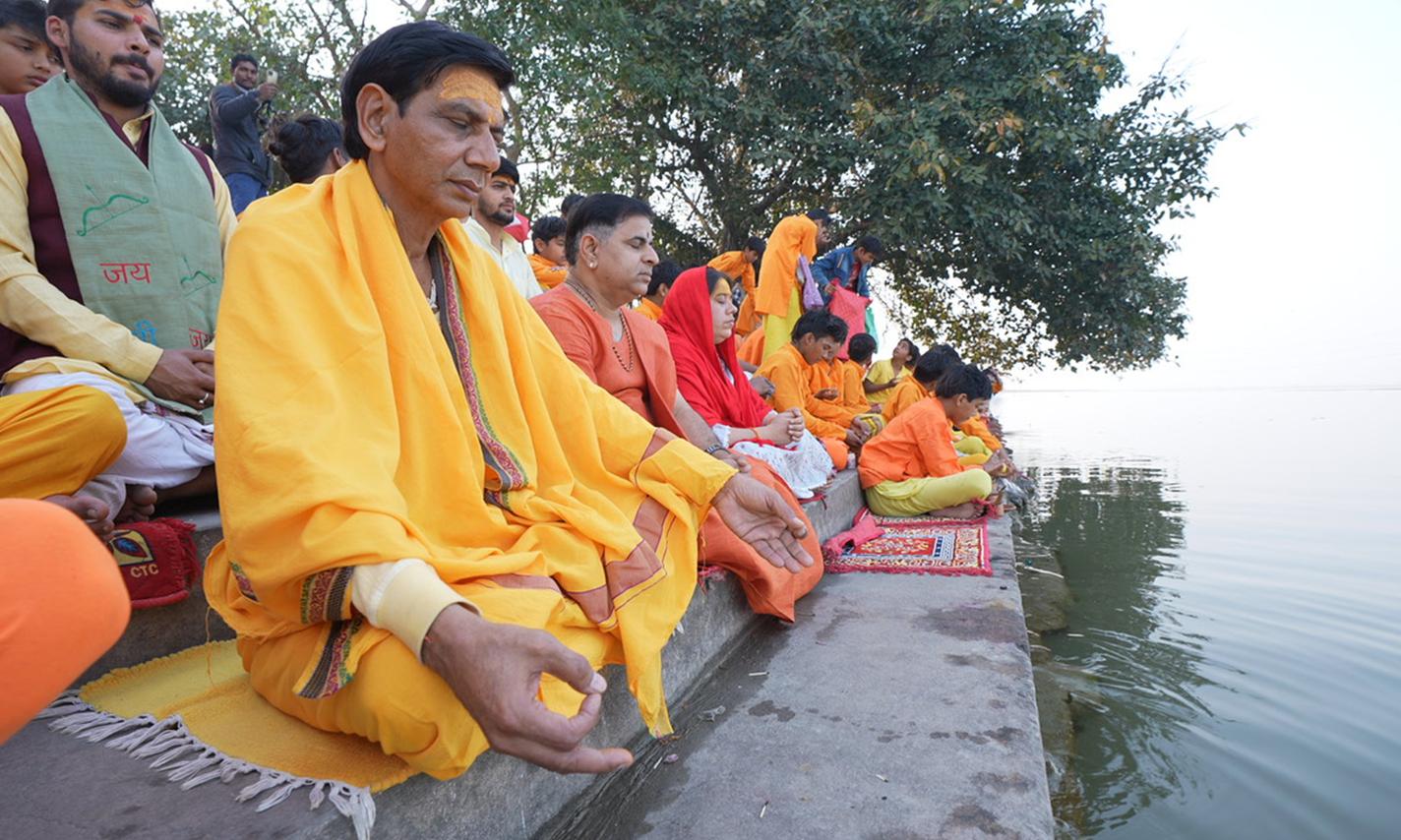
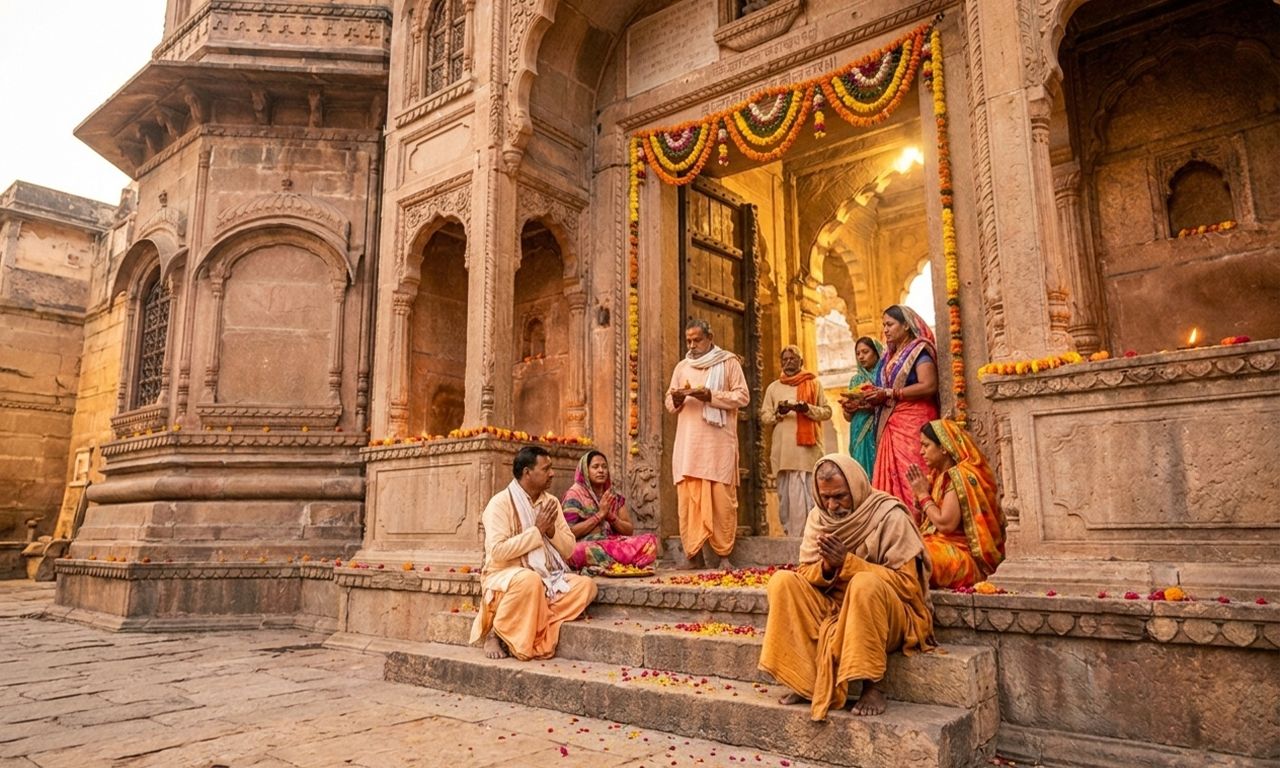
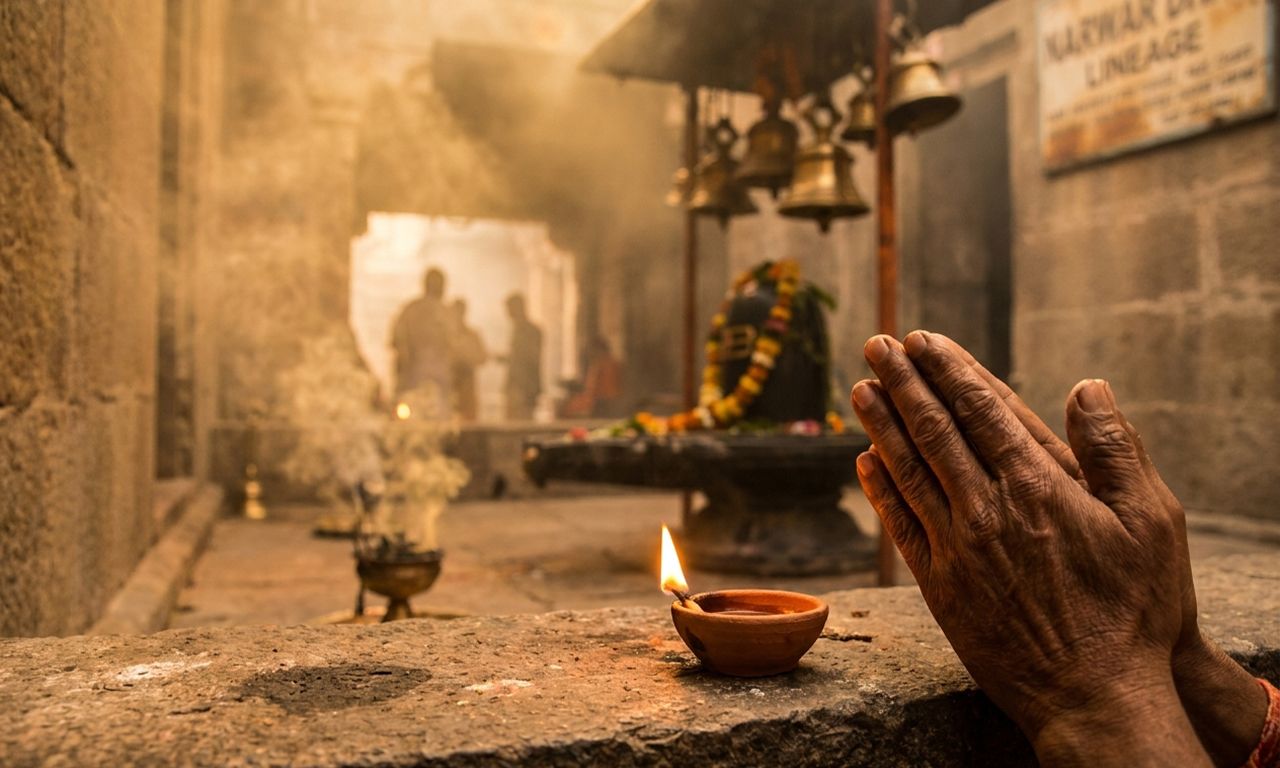
Among all the forms of worship dedicated to Lord Shiva, Rudrabhishek is regarded as one of the most sacred and spiritually elevating. Every day, thousands of devotees participate in Rudrabhishek seeking peace, strength, divine grace and spiritual progress. Some perform it at home. Some visit ancient Shiva temples. Many participate through authentic Guru Paramparas where learned Acharyas perform the complete Vedic ritual on their behalf.
As devotees learn more about this sacred ritual, another question naturally arises. Are there different types of Rudrabhishek? You may hear names such as Laghu Rudra, Maha Rudra or Ati Rudra. Some people believe that a bigger ritual automatically brings greater blessings. Others assume that the type of Rudrabhishek should always depend upon the problem they wish to solve.
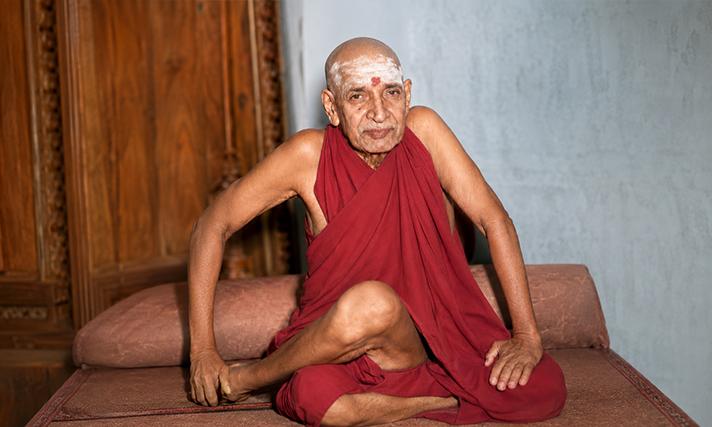
Param Pujya Mahesh Prakash Sharma Ji offers a different perspective. He teaches that while Vedic tradition recognises different forms of Rudrabhishek based on the scale of mantra recitation and ritual procedure, the true power of every Rudrabhishek lies in devotion, authentic Vedic chanting and sincere Sankalp. No ritual is successful merely because it is grand. Every Rudrabhishek becomes spiritually meaningful when performed according to tradition, with humility and complete faith in Lord Shiva.
Guruji explains that devotees often become concerned about choosing the "best" Rudrabhishek. They compare rituals. They compare expenses. They compare the number of priests. In doing so, they sometimes forget the most important element. The heart of the devotee. A simple Rudrabhishek performed according to Vedic tradition with complete sincerity is spiritually more valuable than an elaborate ceremony performed only for display.
What Is Rudrabhishek?
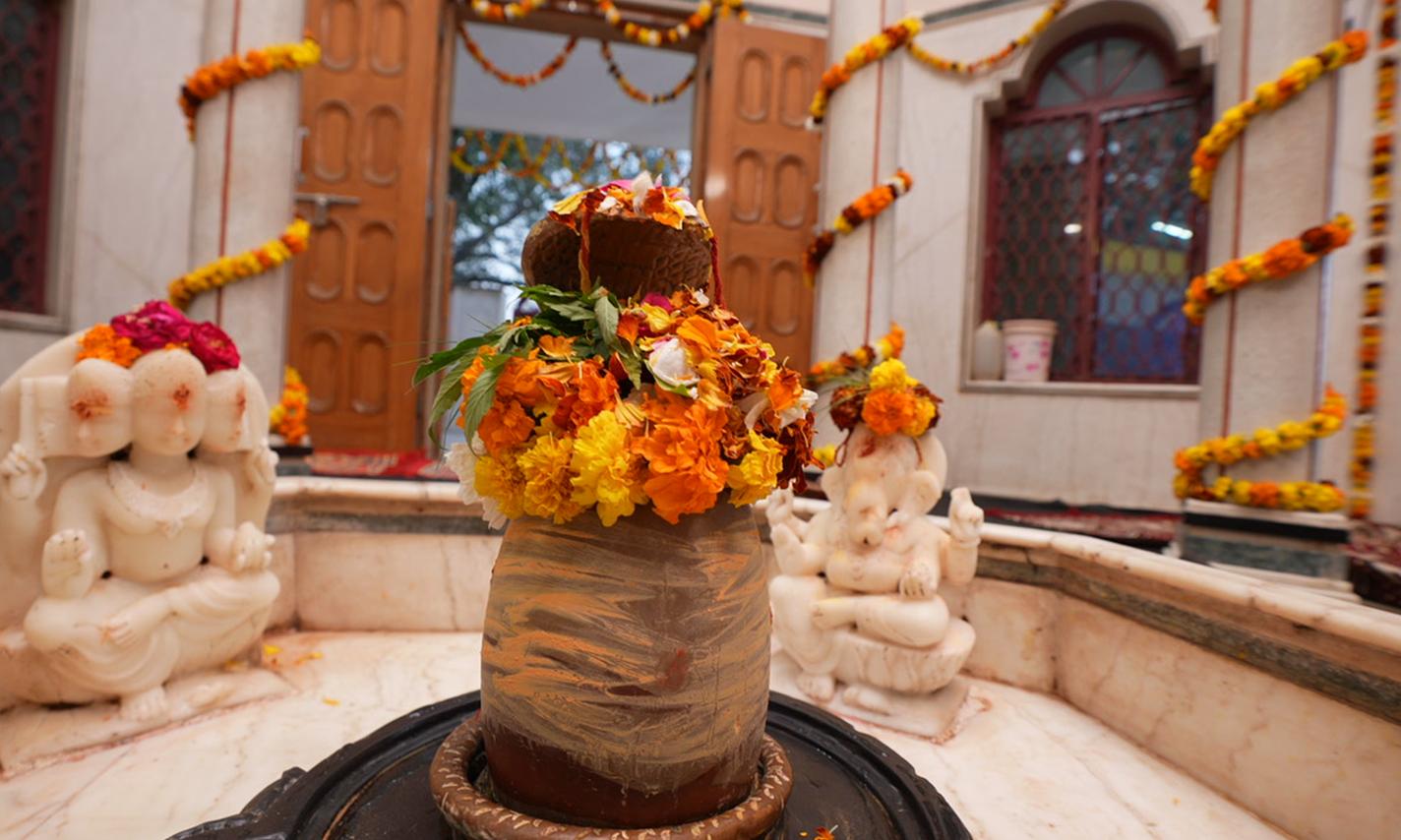
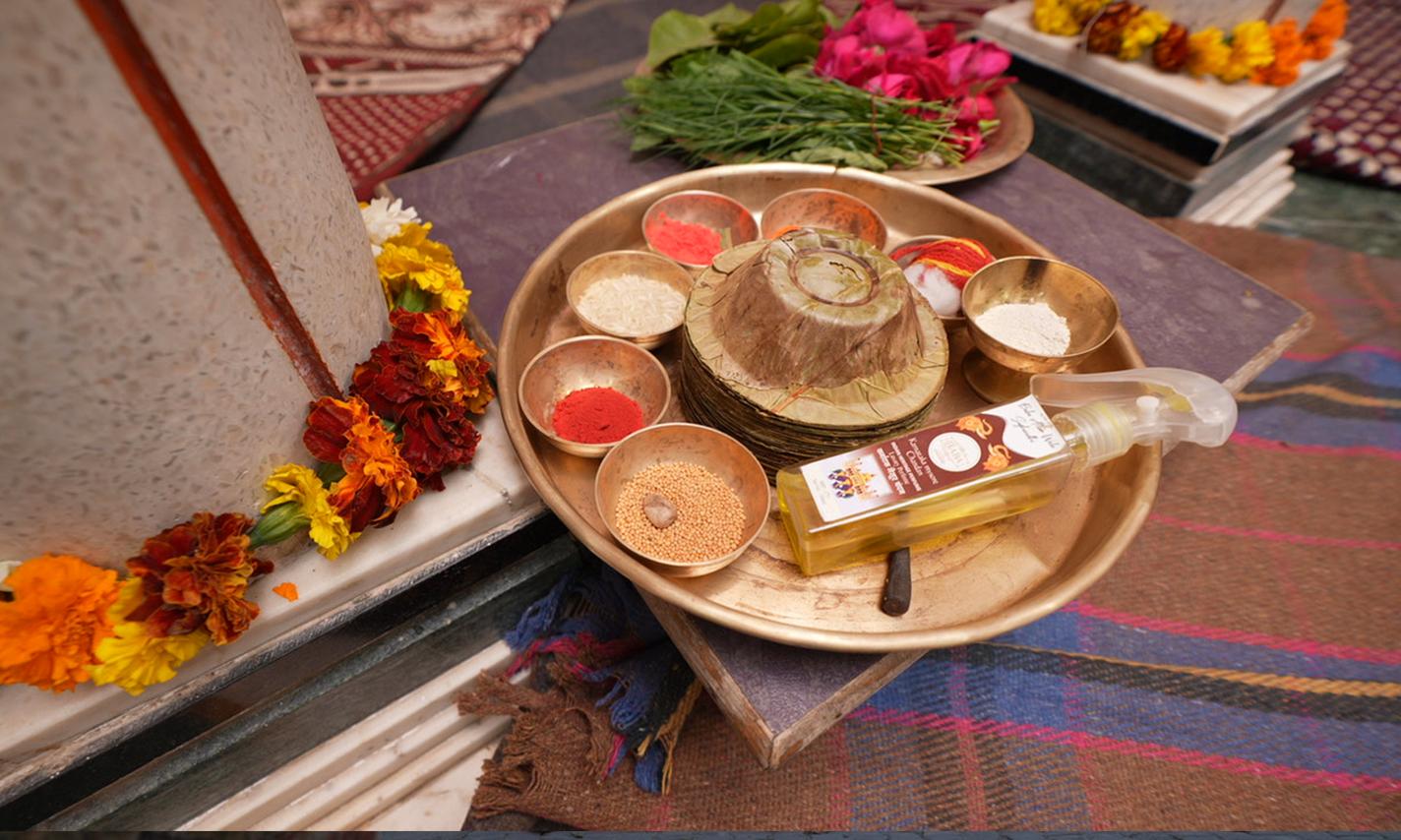
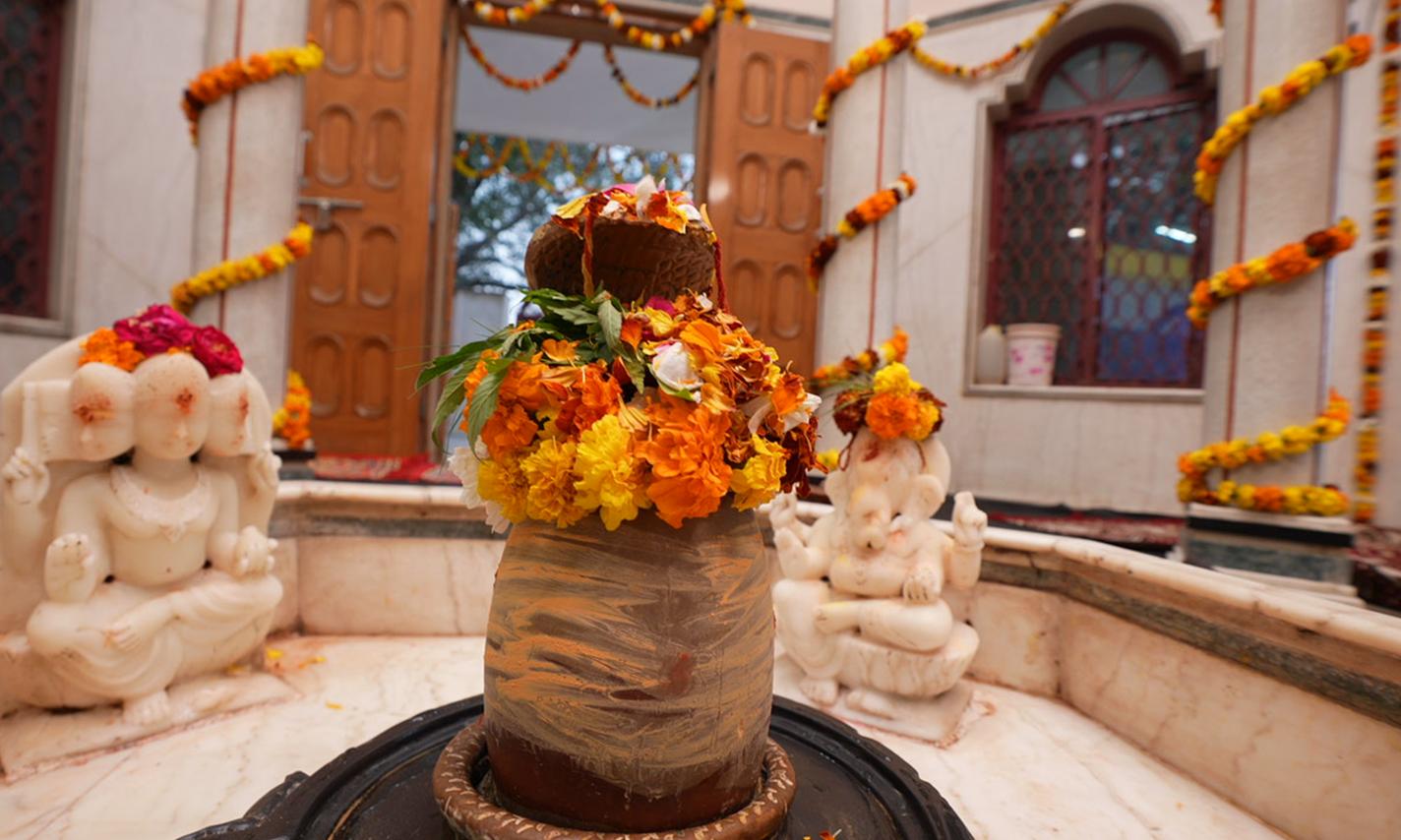
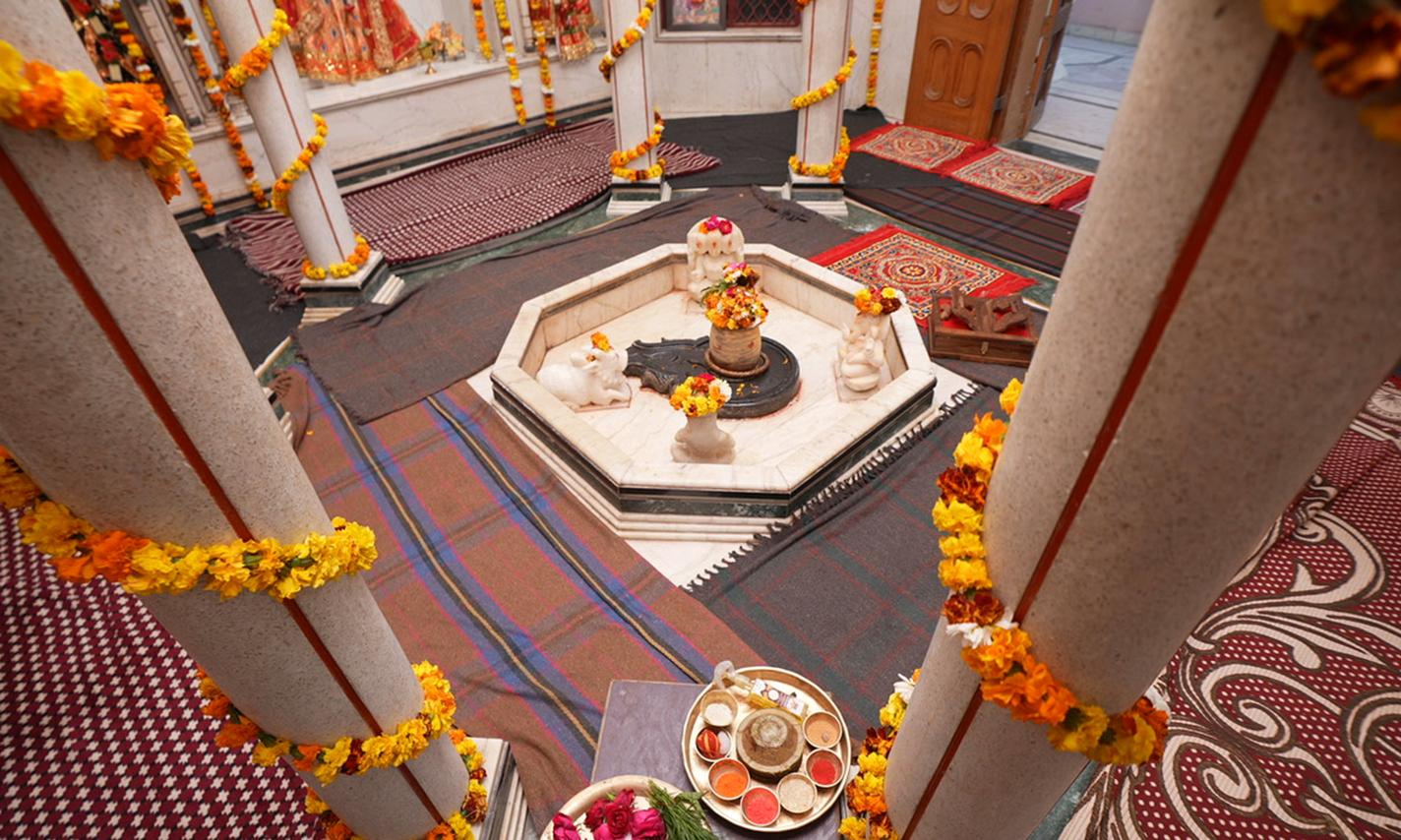
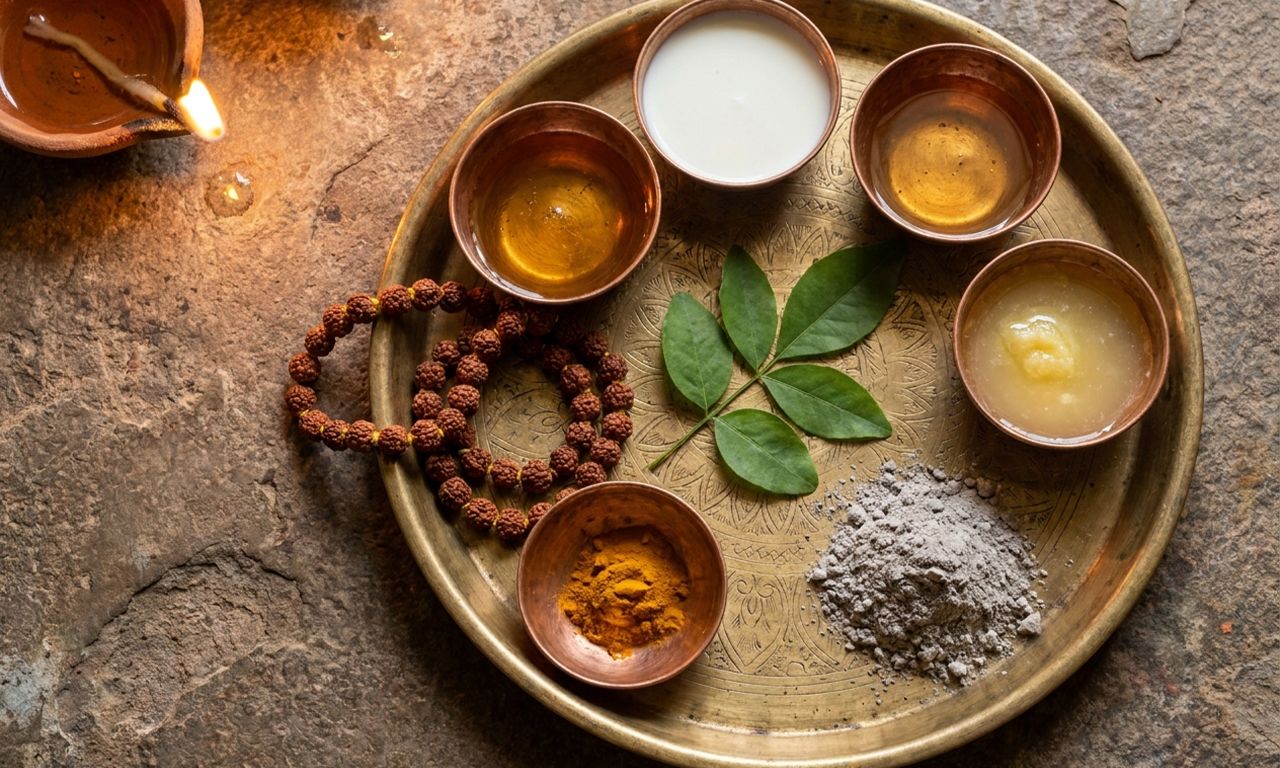
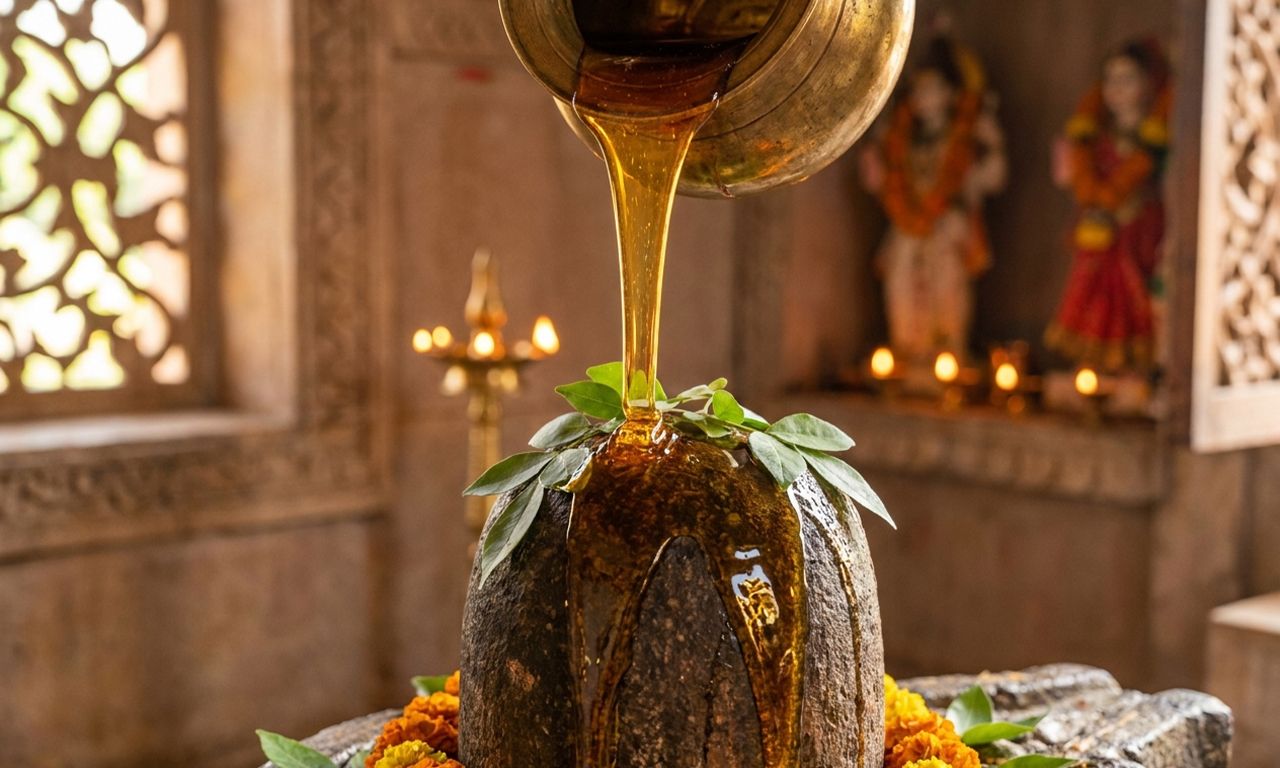
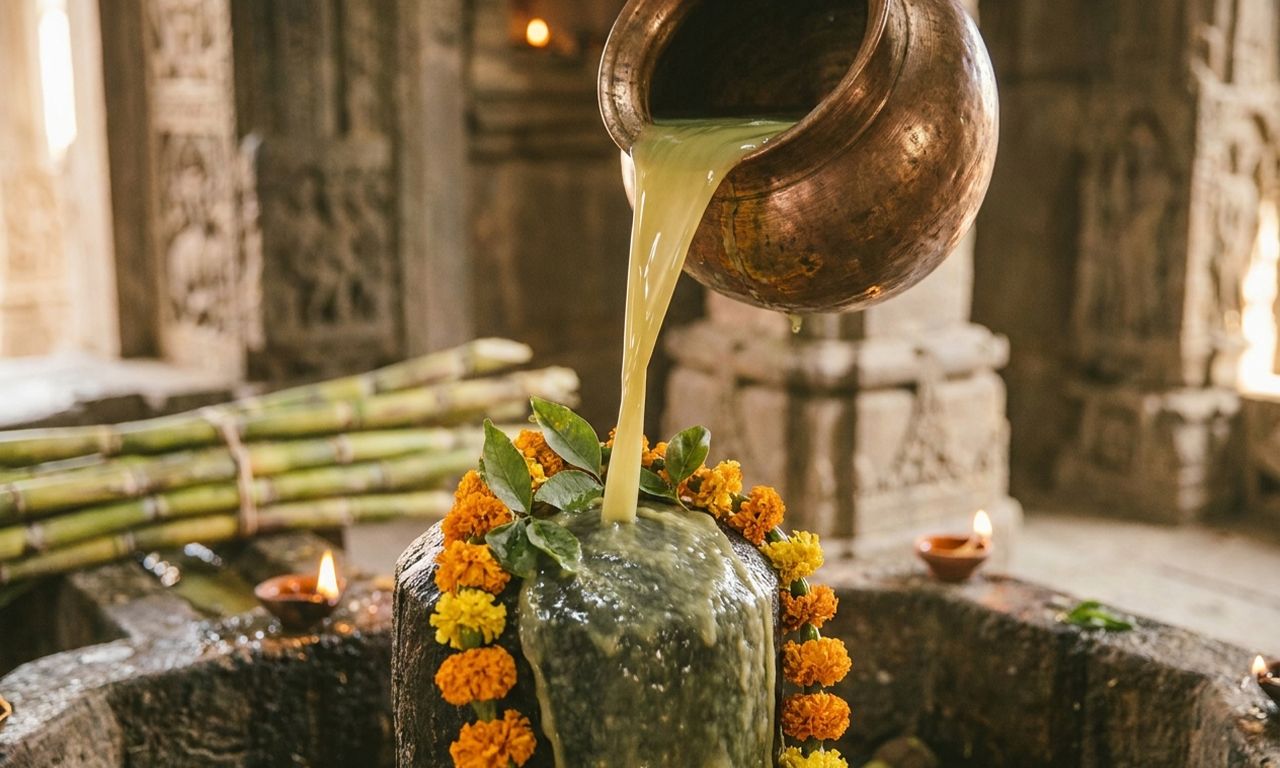
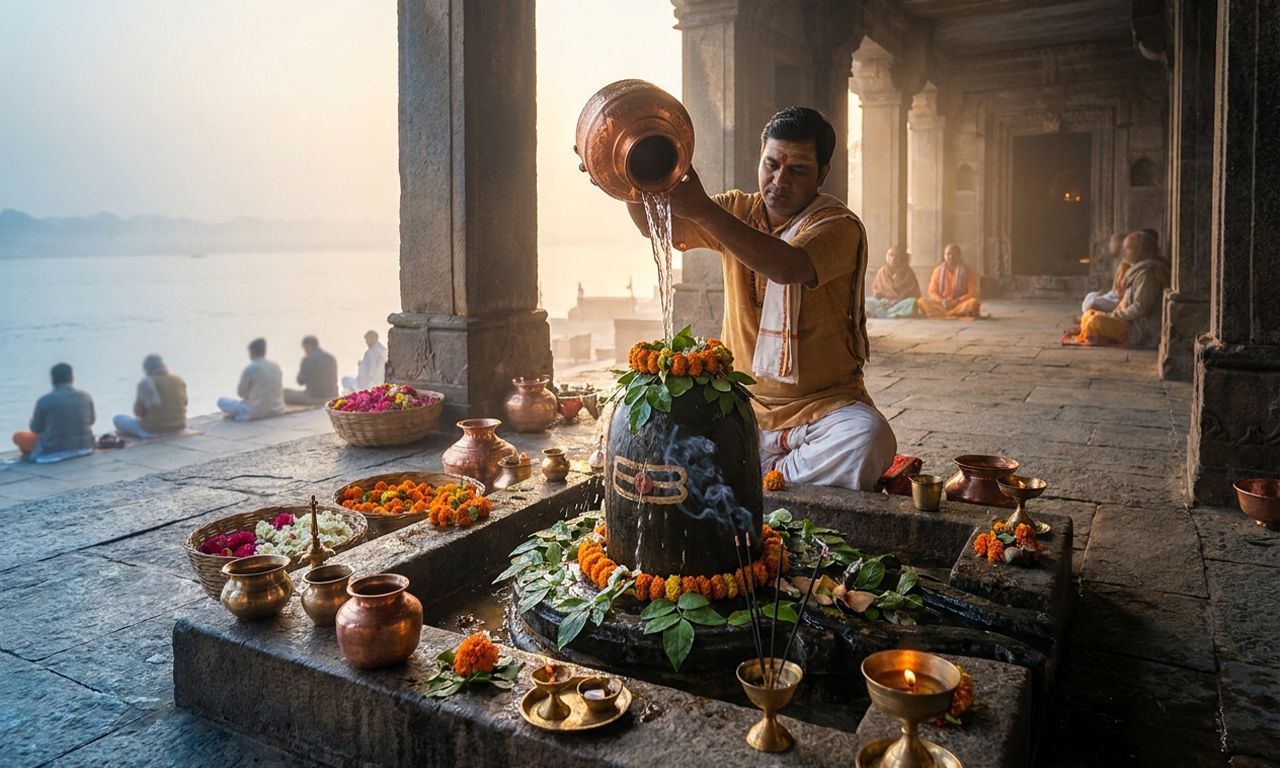
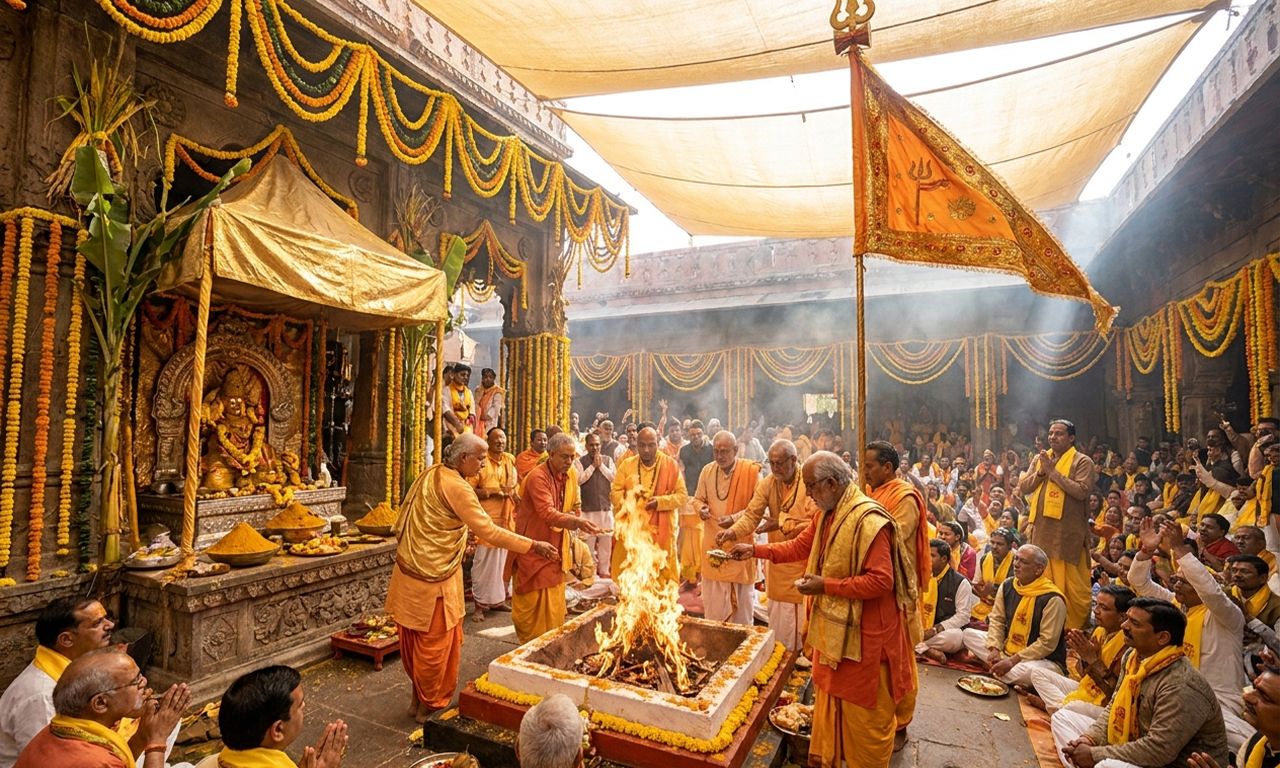
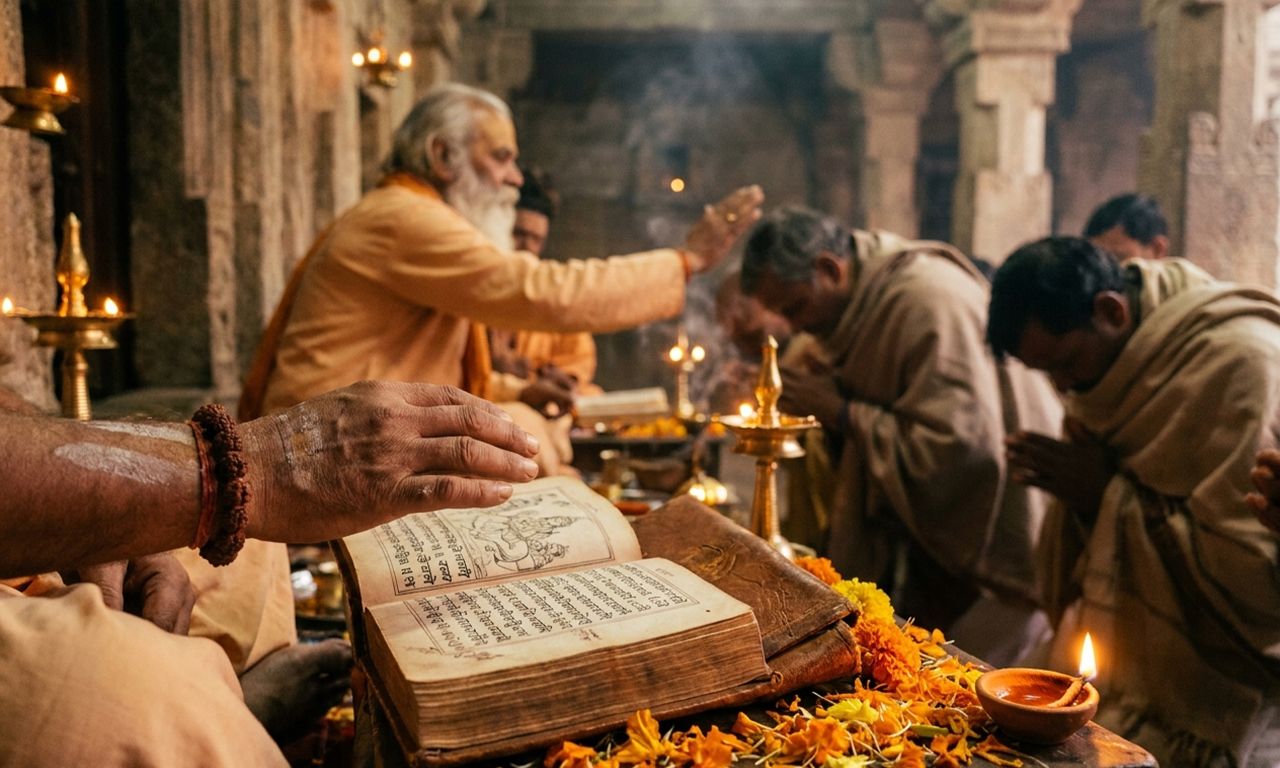
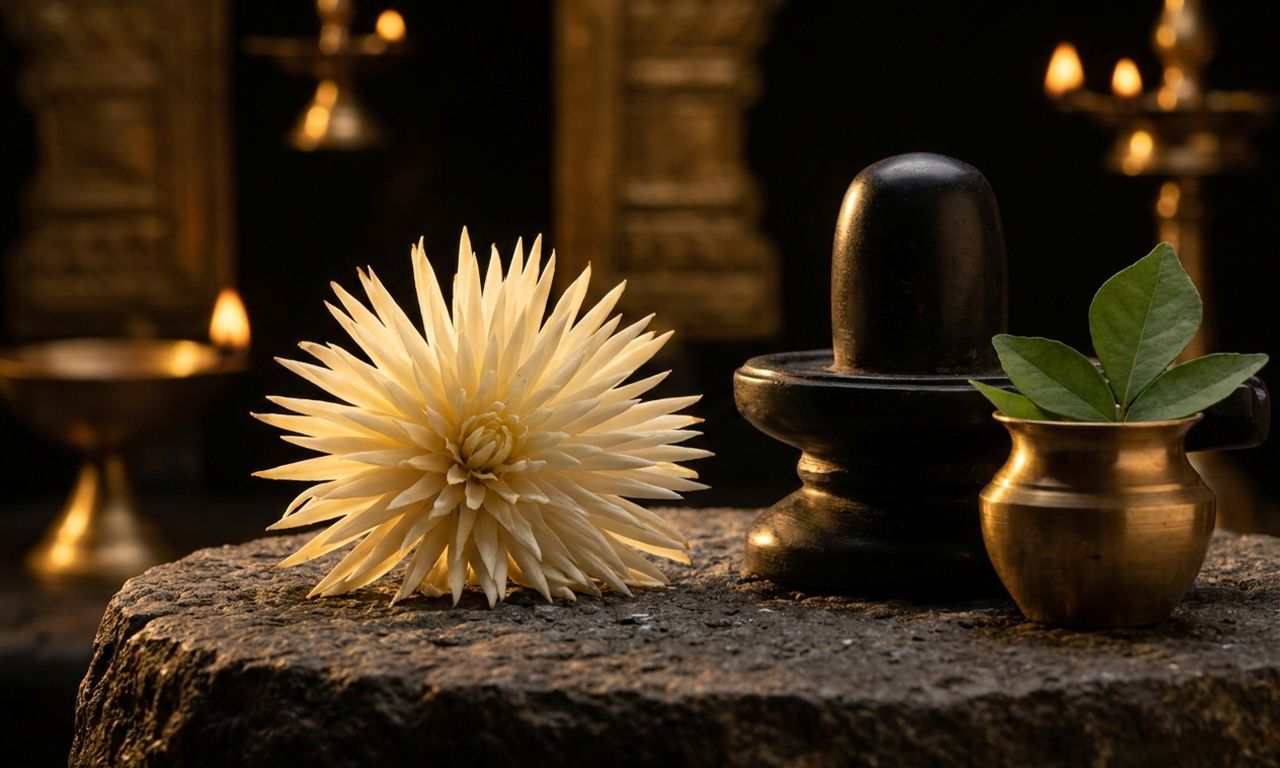
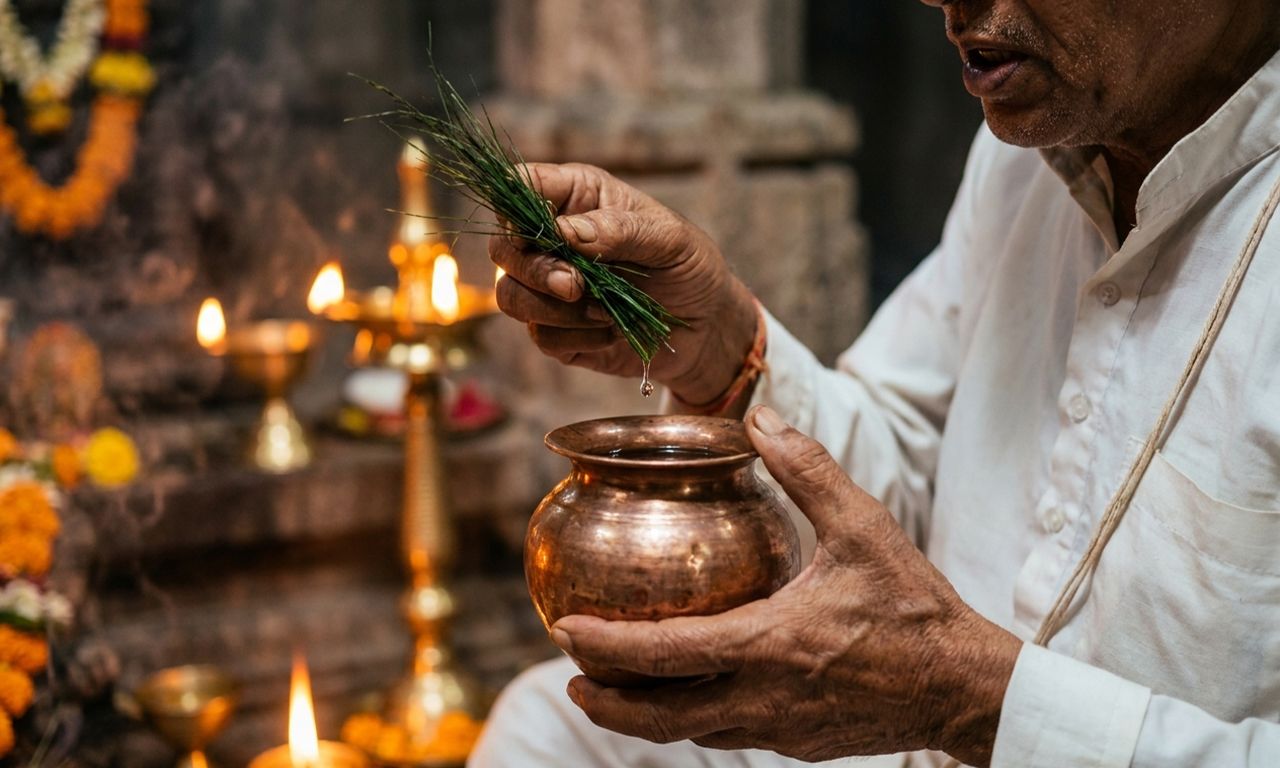
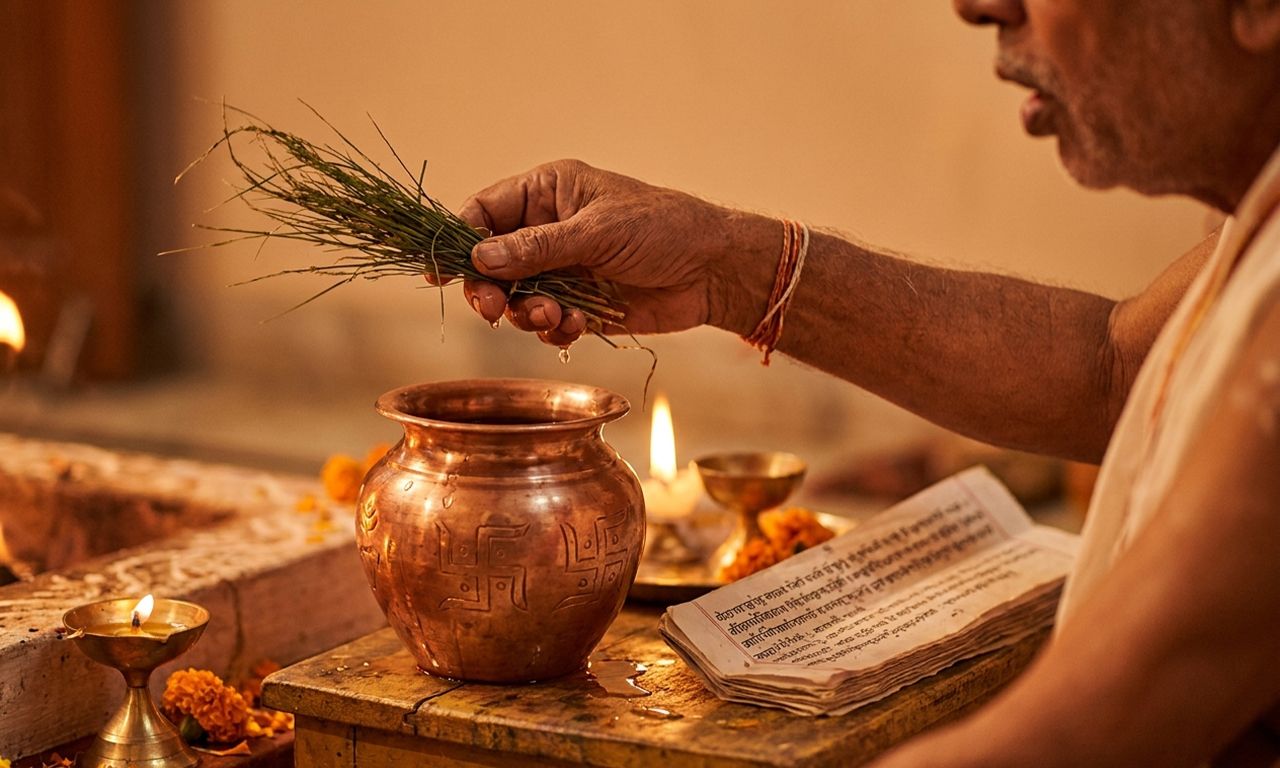
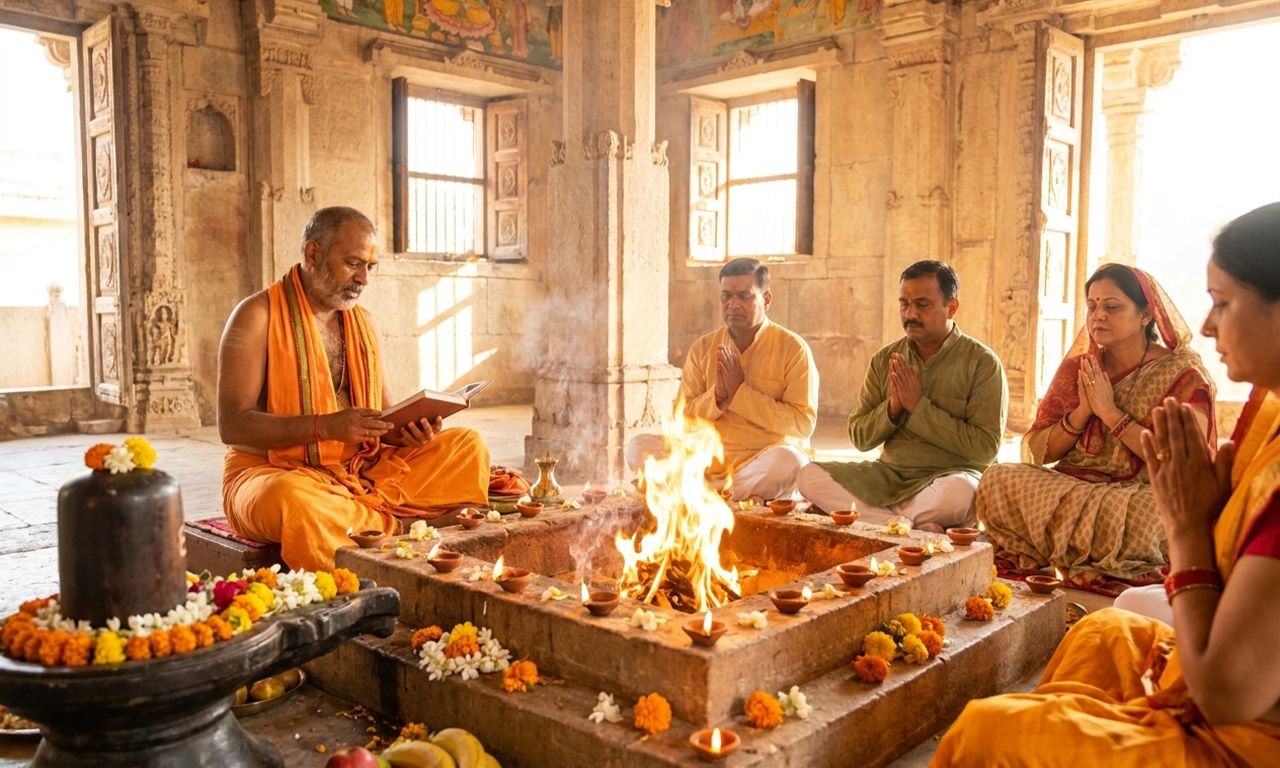
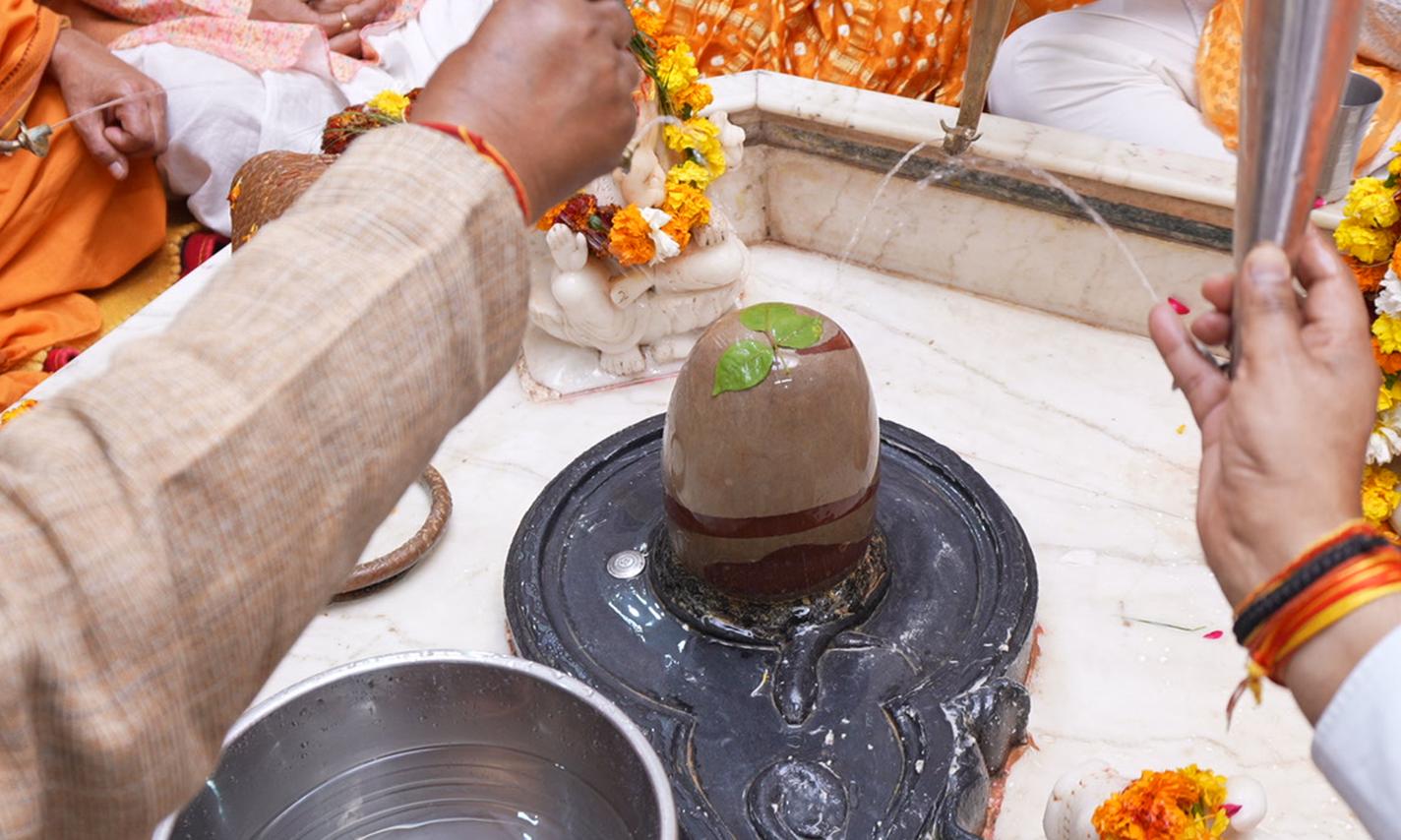
Rudrabhishek is the sacred Vedic worship of Lord Shiva in which the Shivling is ceremonially bathed while learned Acharyas chant the Shri Rudram and other sacred Shiva mantras. Traditionally, offerings such as water, Panchamrit and other prescribed materials are offered during the Abhishek. The ritual concludes with prayers for the welfare of the Yajman and the world. Guruji teaches that every offering made during Rudrabhishek symbolises the surrender of the devotee before Mahadev.
Why Are There Different Types of Rudrabhishek?
The different forms of Rudrabhishek developed within the Vedic tradition primarily according to the extent of mantra recitation and the scale of the ritual. The purpose is not to create higher or lower categories of worship. Rather, these traditions preserve different levels of Vedic practice for different occasions.
Guruji reminds devotees that all these forms ultimately lead towards the same goal. Remembering Lord Shiva. Purifying the mind. Seeking divine grace. Strengthening one's spiritual journey.
Laghu Rudra
Among the recognised Vedic forms, Laghu Rudra is one of the most commonly performed. It includes systematic chanting of the Shri Rudram according to traditional discipline while Abhishek is performed upon the Shivling.
Guruji explains that Laghu Rudra represents a complete and authentic form of Shiva worship. It should never be considered "small" in terms of spiritual importance. For a sincere devotee, even this form of Rudrabhishek becomes a deeply transformative spiritual experience.
Maha Rudra
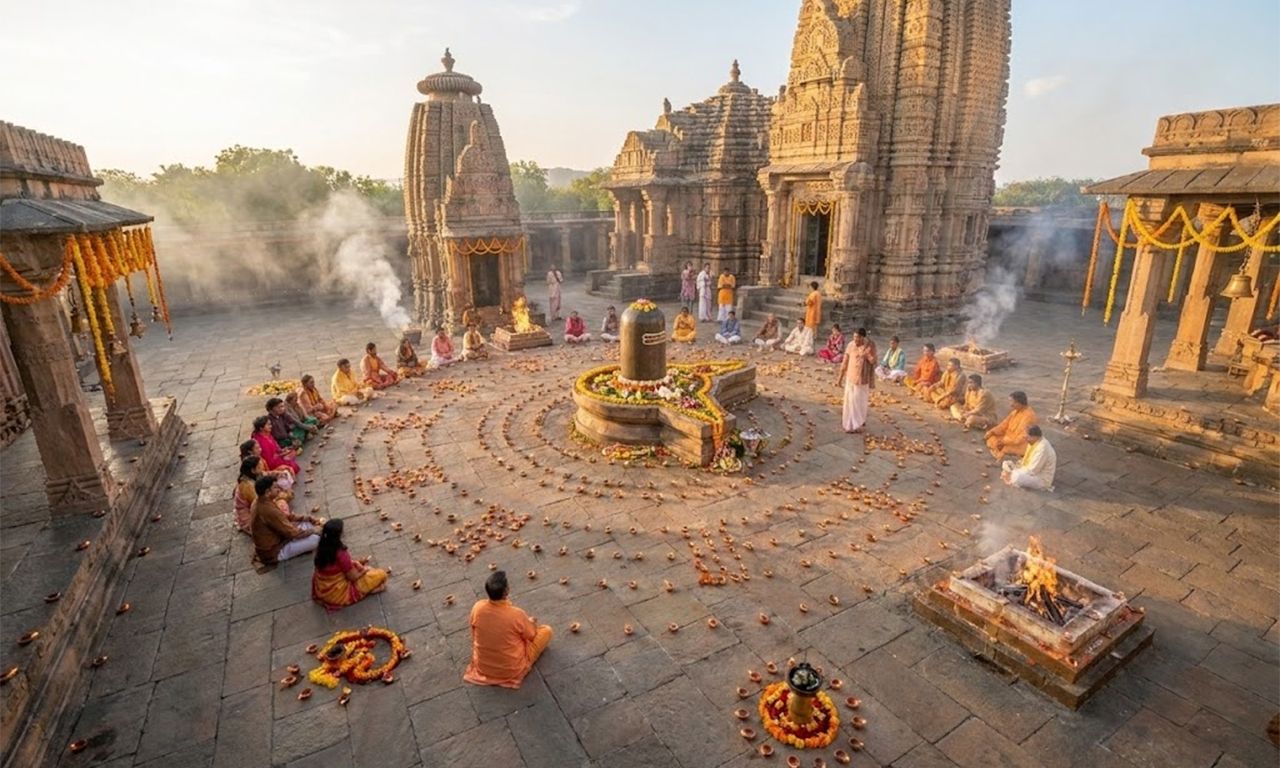
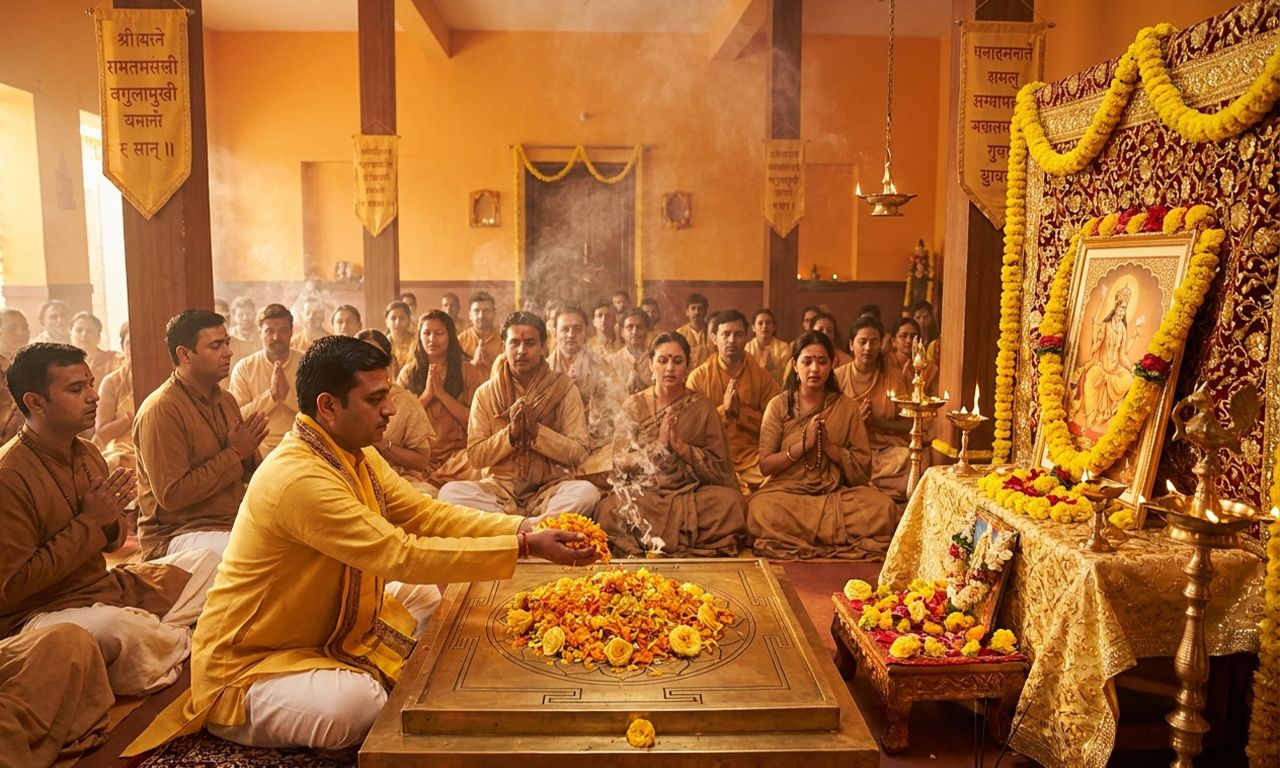
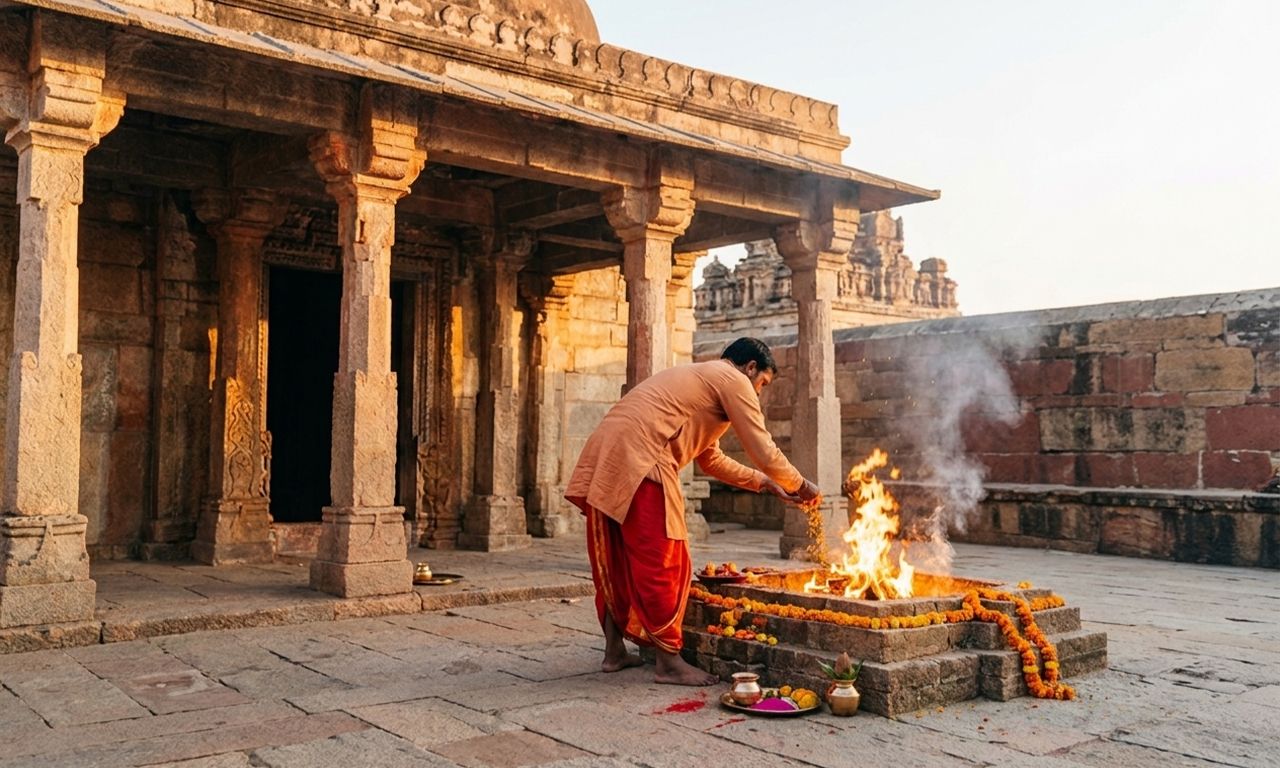
Maha Rudra is performed on a much larger scale. It involves significantly greater Vedic recitation, more extensive ritual arrangements and the participation of multiple learned Acharyas. Traditionally, such ceremonies are organised for important religious occasions or large community worship.
Guruji reminds devotees that the greatness of Maha Rudra lies in preserving an extraordinary Vedic tradition. Its purpose is not to impress people. Its purpose is to glorify Lord Shiva through disciplined collective worship.
Ati Rudra
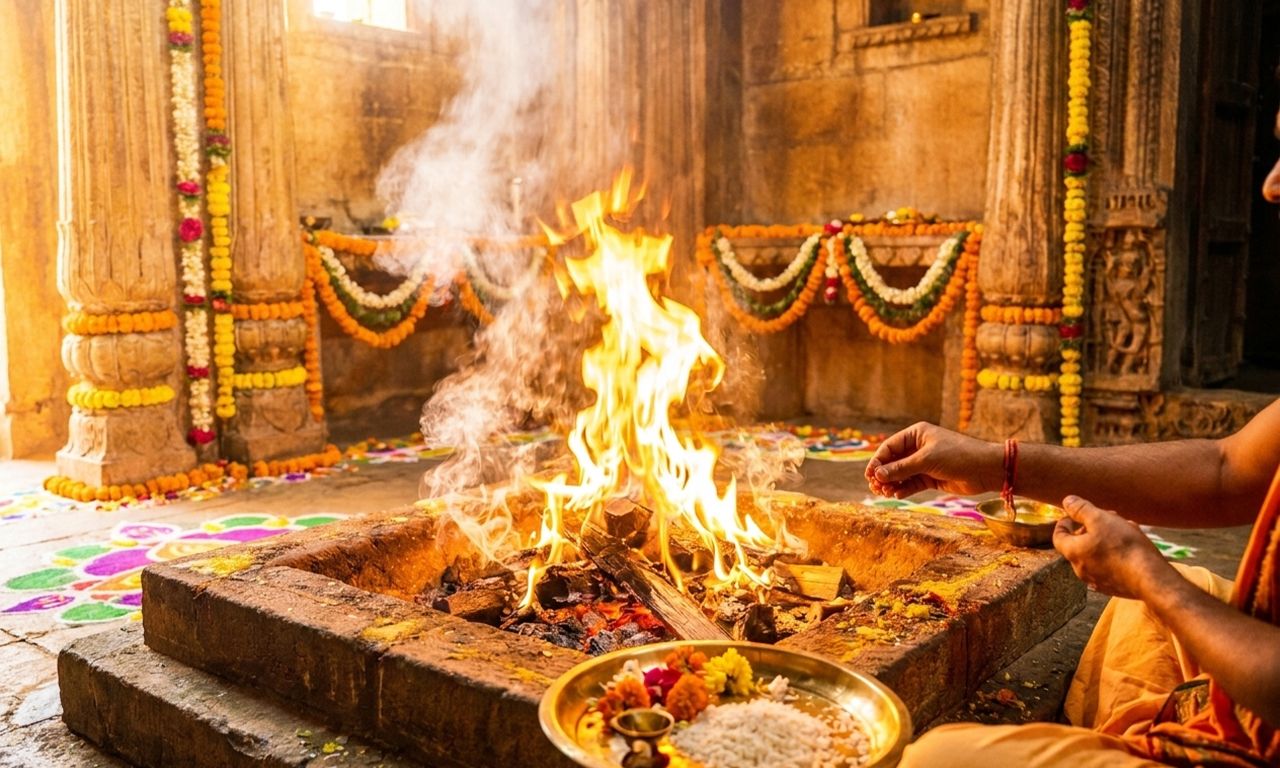
Among the most elaborate forms recognised within Vedic tradition is Ati Rudra. It involves extensive chanting of the Shri Rudram over a prolonged period according to established Vedic procedures. Such rituals require experienced Vedic scholars, careful planning and complete adherence to scriptural discipline.
Guruji teaches that Ati Rudra is not simply a larger ceremony. It is an expression of extraordinary collective devotion.
Does a Bigger Rudrabhishek Bring Greater Blessings?
This is perhaps the most common question devotees ask. Guruji answers it with great clarity. Lord Shiva does not measure devotion by numbers. He does not calculate blessings according to the scale of the ceremony.
A humble devotee who participates in an authentic Rudrabhishek with complete faith receives Mahadev's grace just as surely as someone participating in a much larger ritual. The sincerity of the Sankalp always remains central.
Should Rudrabhishek Be Chosen According to a Problem?
Many people believe that one type of Rudrabhishek is meant for health, another for wealth and another for removing obstacles. Guruji advises devotees to avoid reducing Rudrabhishek to a list of material solutions.
However, the highest purpose of Rudrabhishek is spiritual. It strengthens faith. Purifies the mind. Deepens surrender. Cultivates humility. Everything else is left at the feet of Mahadev.
The Importance of the Sankalp
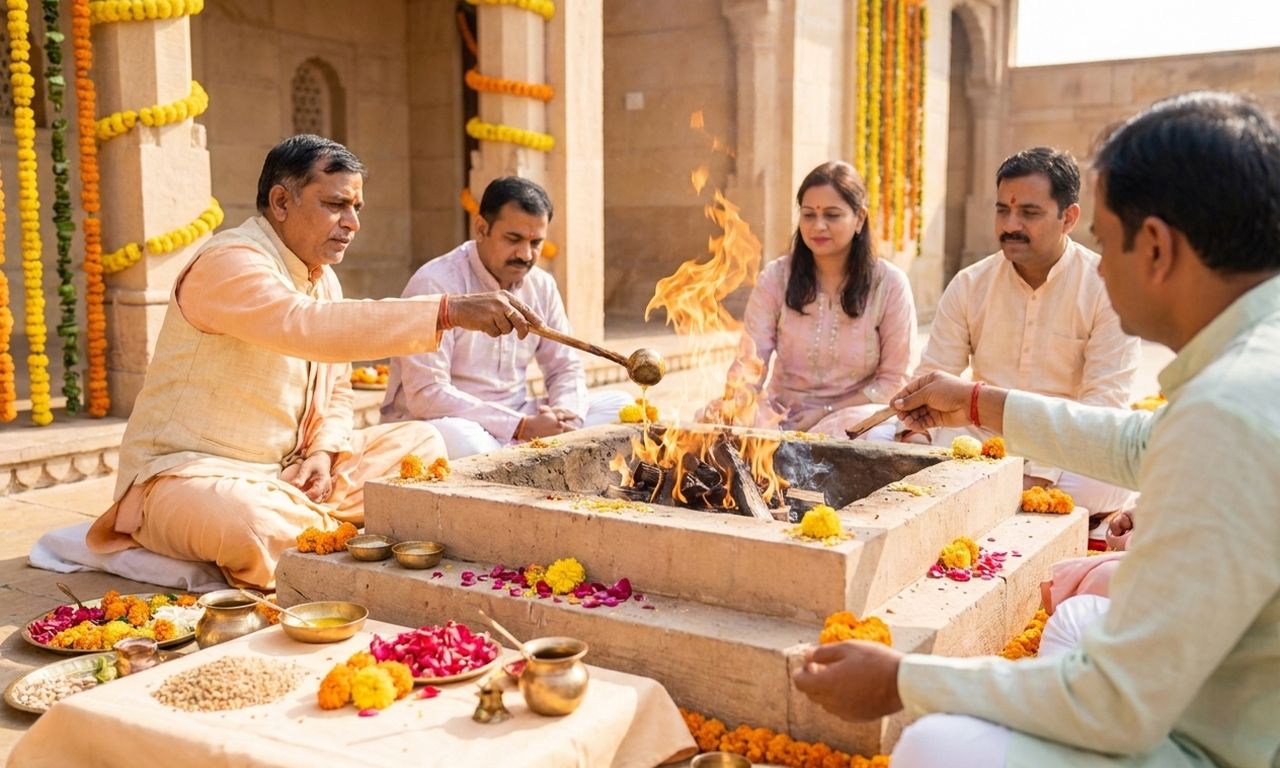
Before every authentic Rudrabhishek, a Sankalp is taken. Guruji explains that this is not merely the announcement of a name. It is the moment when the devotee consciously places prayers before Lord Shiva.
The Yajman's name and Gotra are invoked. Prayers are offered. The entire ritual is then performed with that Sankalp held throughout the Vedic worship. This is why the Sankalp remains one of the most sacred aspects of Rudrabhishek.
Authenticity Matters More Than Scale
Guruji repeatedly emphasises that authenticity should always come before grandeur. The Acharyas should be properly trained. The Vedic mantras should be recited correctly. The ritual should follow established tradition. The Sankalp should be performed sincerely. The worship should remain centred on Mahadev. When these elements come together, the Rudrabhishek becomes spiritually complete.
Can Rudrabhishek Be Performed for Someone Else?
Yes. Within the Vedic tradition, Rudrabhishek may be performed with the name and Gotra of the Yajman. Guruji explains that this is why the Sankalp occupies such an important place. The Acharyas perform the worship while holding the devotee's prayers throughout the ritual. This allows devotees who are unable to be physically present to participate with faith and devotion.
The Narwar Dham Tradition
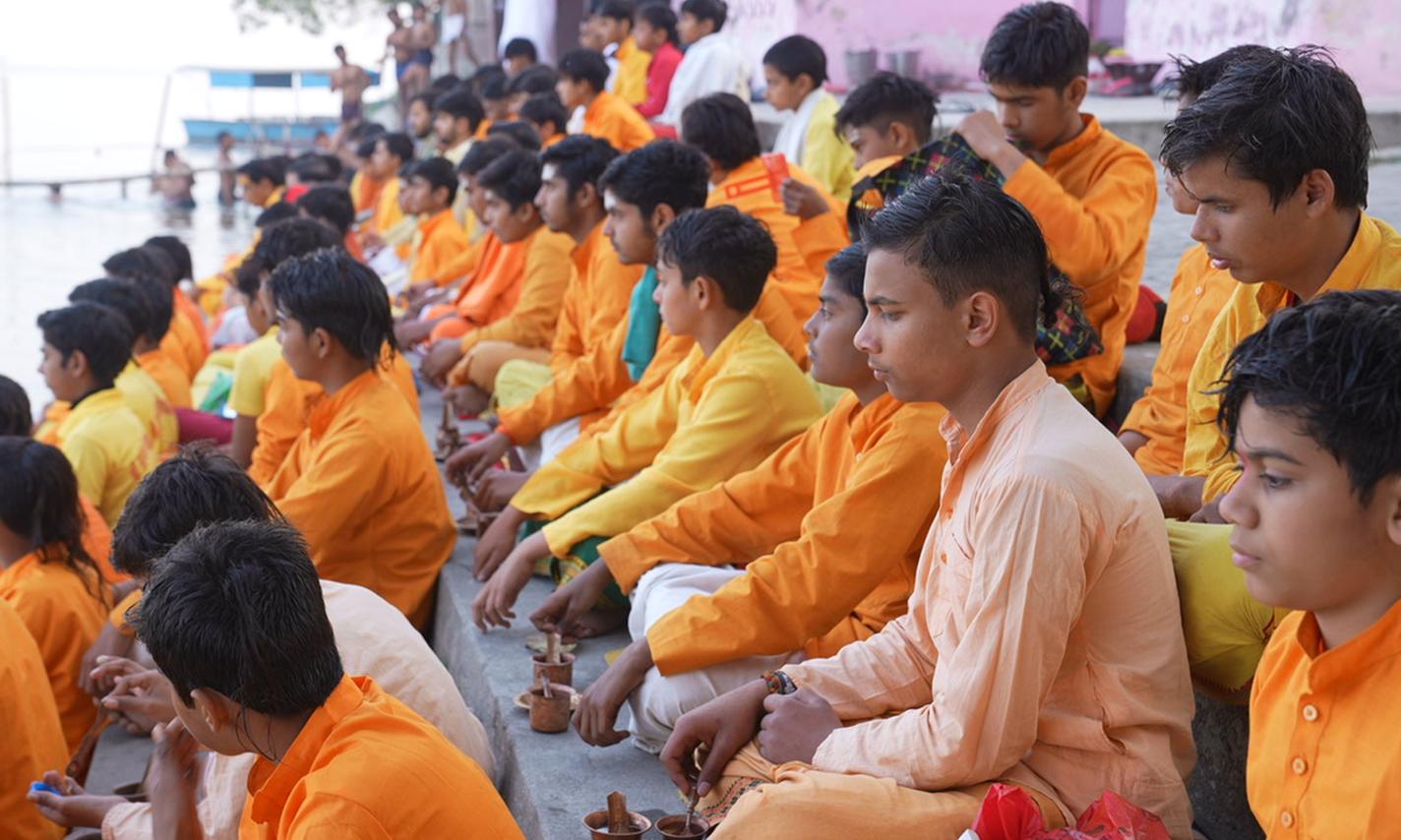
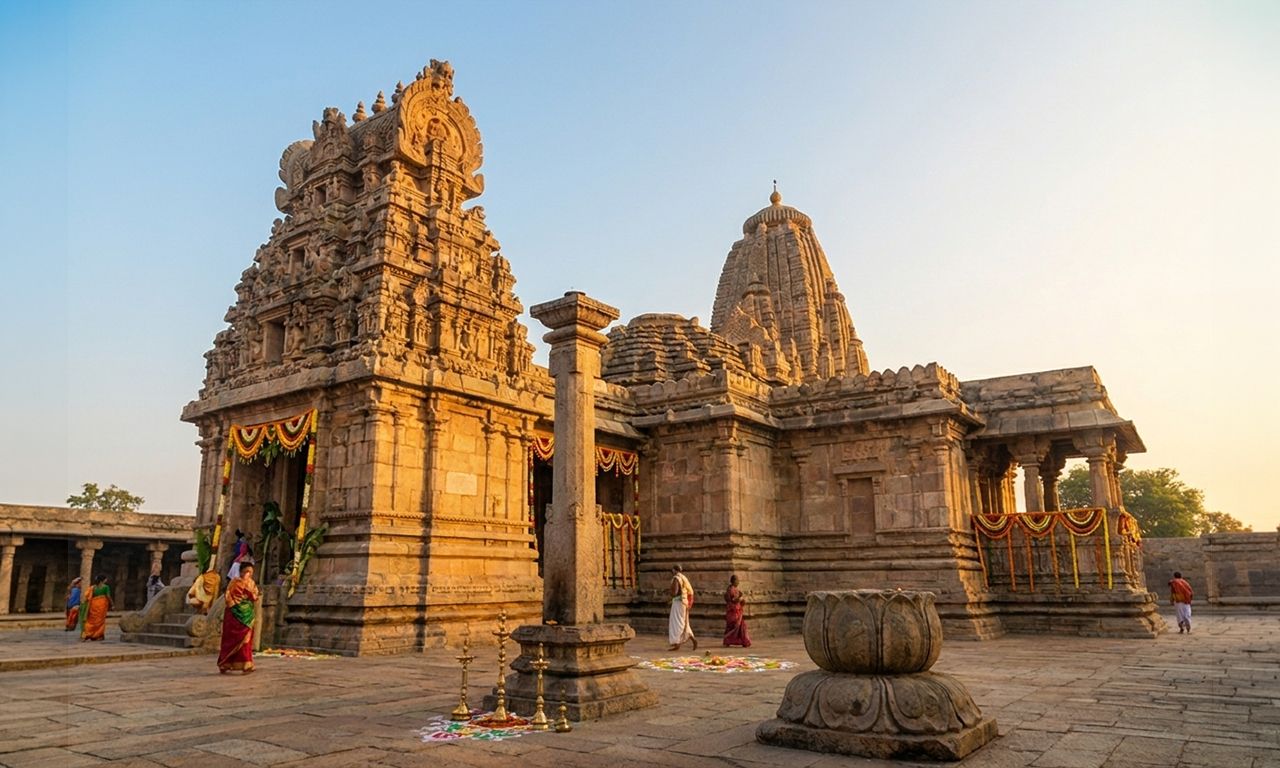
For more than 120 years, the Narwar Dham Guru Parampara has preserved the authentic Vedic tradition of Rudrabhishek. Every ritual is performed by learned Acharyas according to scriptural discipline. Every Sankalp includes the devotee's name and Gotra. Every mantra is chanted with devotion and precision.
The focus has never been on creating spectacle. It has always been on preserving authenticity and helping devotees establish a deeper relationship with Lord Shiva through genuine Vedic worship.
Frequently Asked Questions
How many types of Rudrabhishek are there?
The Vedic tradition recognises several forms of Rudrabhishek, including Laghu Rudra, Maha Rudra and Ati Rudra. These primarily differ in the scale of mantra recitation and ritual procedure.
Which Rudrabhishek is the most powerful?
Guruji teaches that no form of Rudrabhishek becomes spiritually powerful merely because it is larger. The greatest strength comes from authentic Vedic worship, sincere devotion and a pure Sankalp.
Can Rudrabhishek be performed in my name?
Yes. In the traditional Sankalp, the devotee's name and Gotra are invoked before the ritual begins, and the worship is performed on their behalf.
Is Rudrabhishek only for solving problems?
No. While devotees may pray for health, peace or prosperity, the deeper purpose of Rudrabhishek is spiritual purification, devotion and surrender to Lord Shiva.
Can I participate even if I cannot travel to a temple?
Yes. Through authentic Guru Paramparas, learned Acharyas can perform Rudrabhishek with your name and Gotra while maintaining the complete Vedic tradition.
From Faith to Sadhana
Reading about Rudrabhishek helps us understand its importance. Participating in one allows us to experience its spiritual depth.
At Narwar Dham, learned Acharyas from the 120-year-old Guru Parampara perform authentic Vedic Rudrabhishek with your name and Gotra included in the sacred Sankalp. Every mantra is chanted according to tradition, and every offering is made with devotion and scriptural precision.
Offer your Sankalp today through SiddhiStar and become a part of an unbroken Guru Parampara where your prayers are offered before Mahadev through authentic Vedic Rudrabhishek.