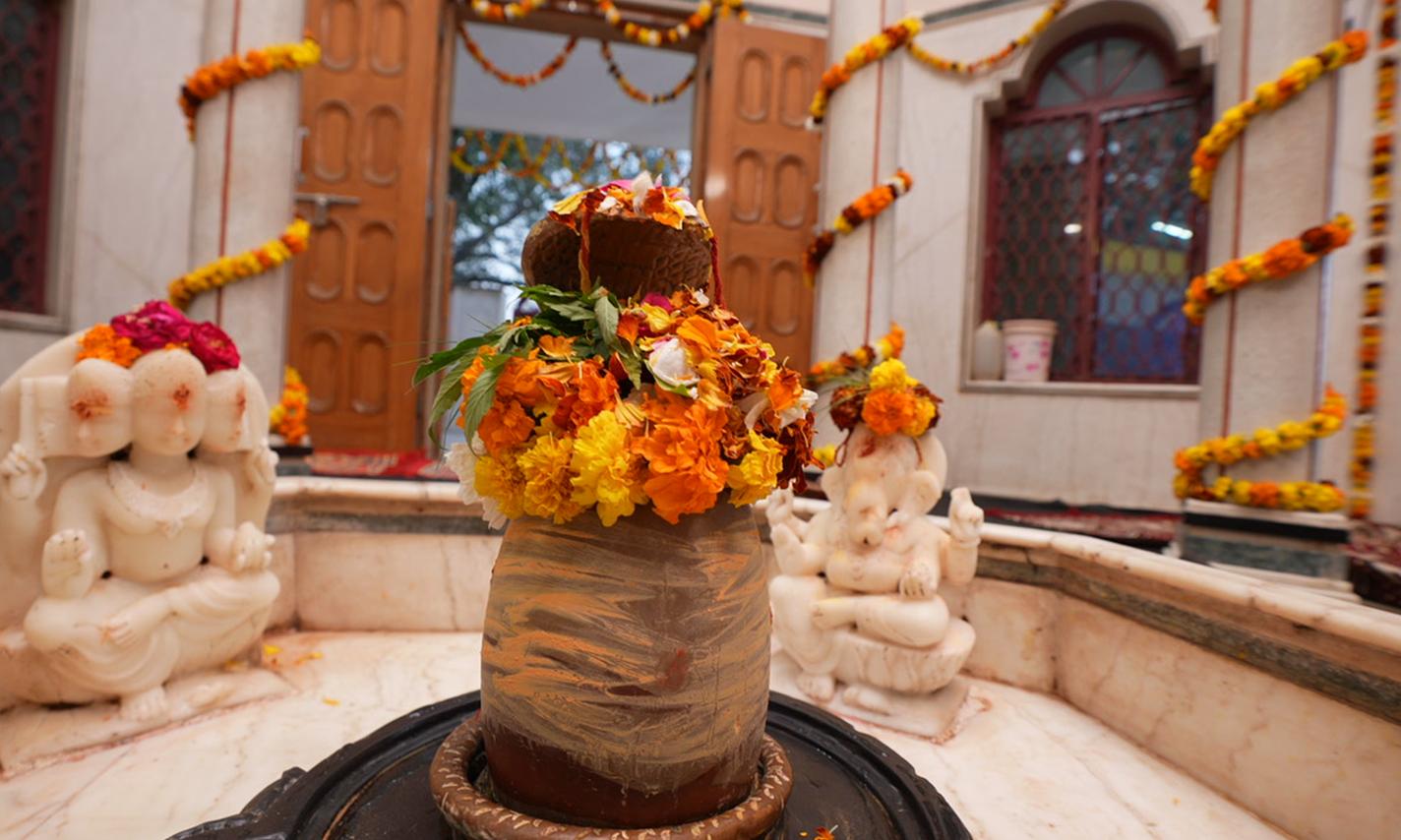
Shivling: Meaning, Symbolism and Why Lord Shiva Is Worshipped in This Form
By SiddhiStar | Narwar Dham Parampara
21 July 2026 • 8 min read
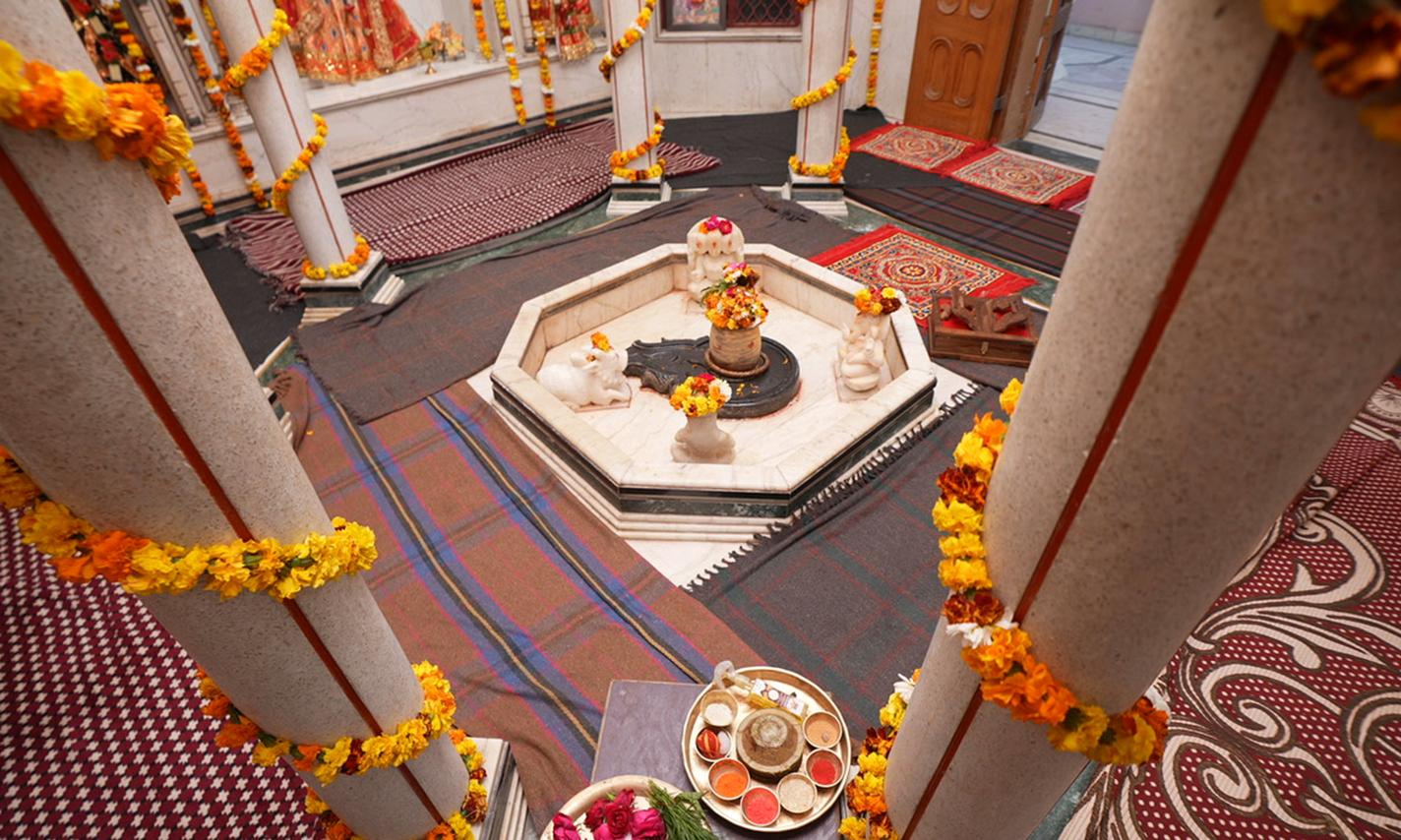
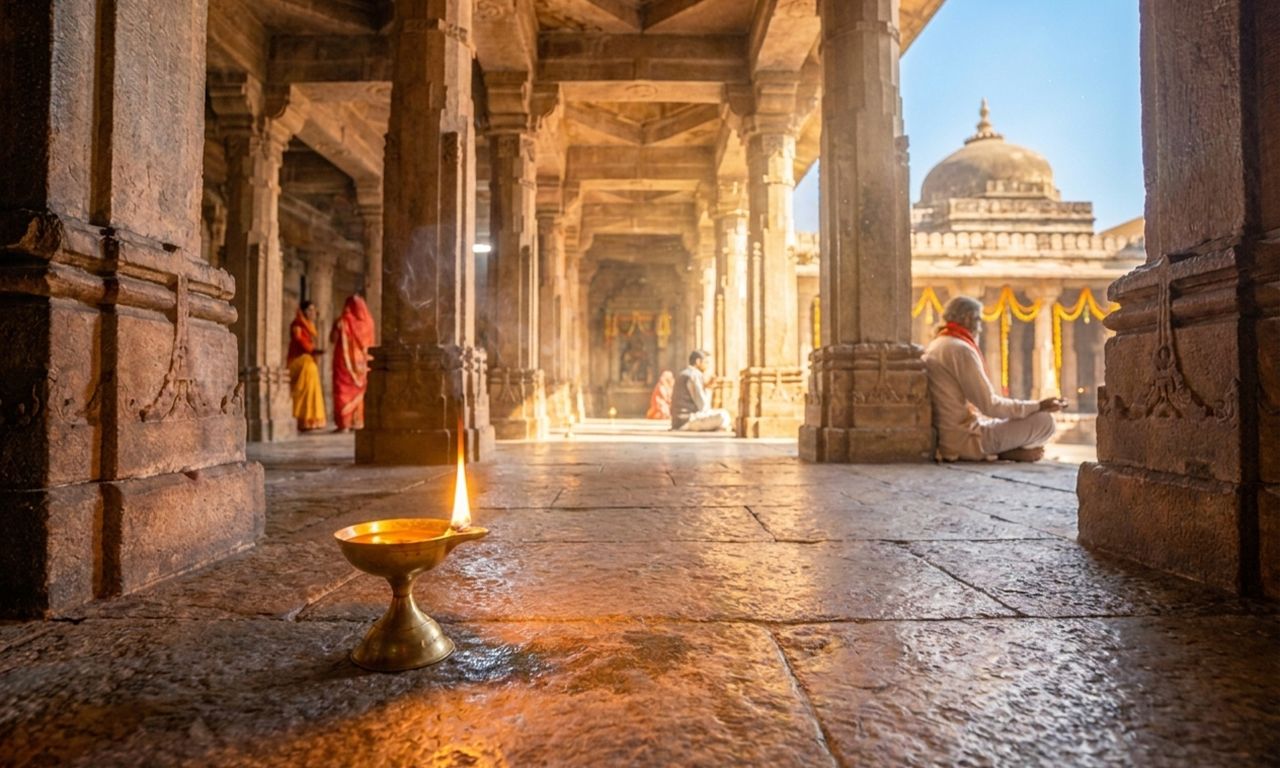
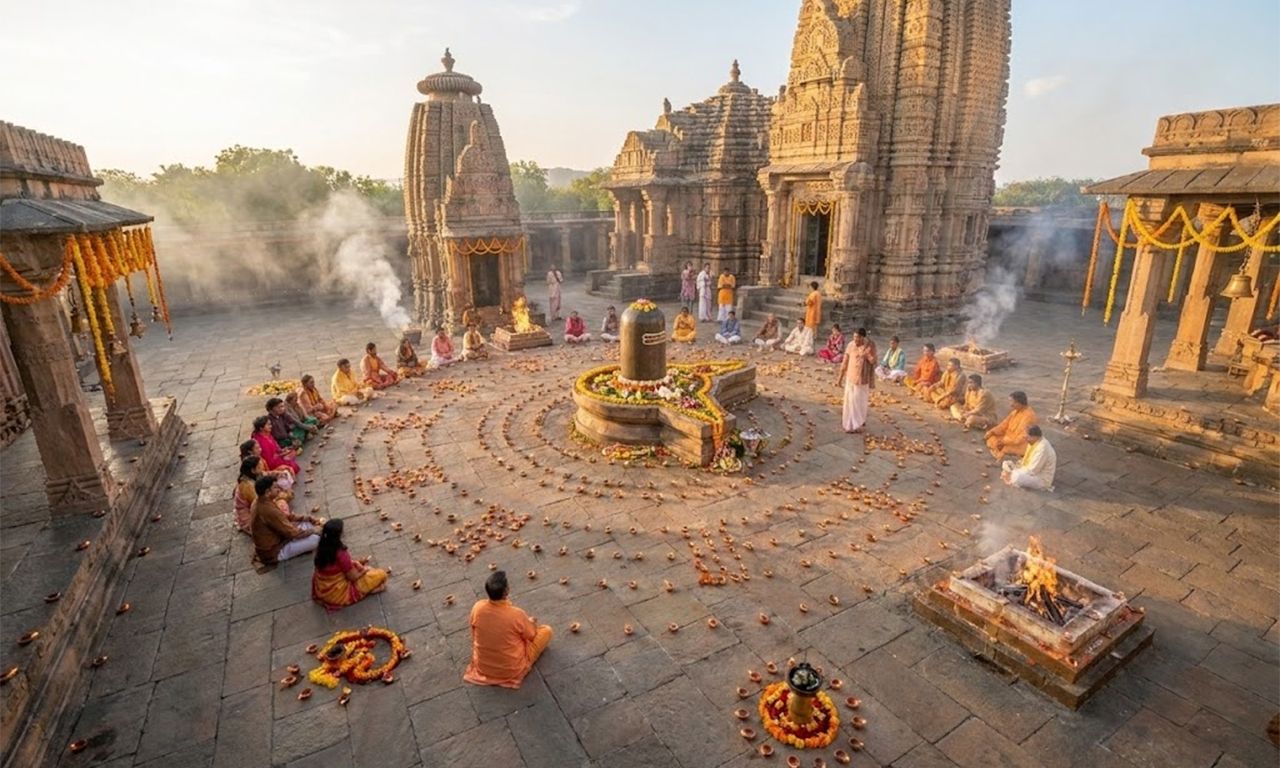
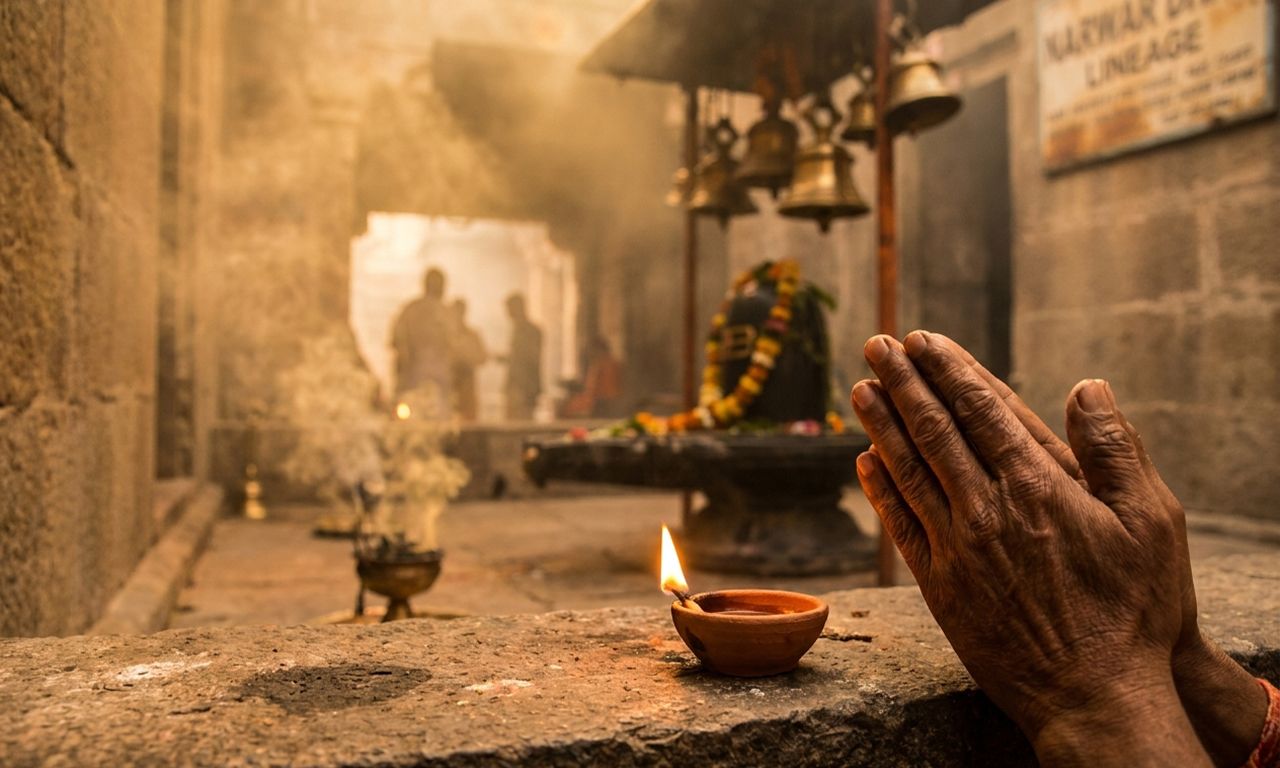
Across India and around the world, millions of devotees worship Lord Shiva in the form of the Shivling. Whether in ancient Jyotirlinga temples, village shrines, family temples or home mandirs, the Shivling remains the most sacred representation of Mahadev.
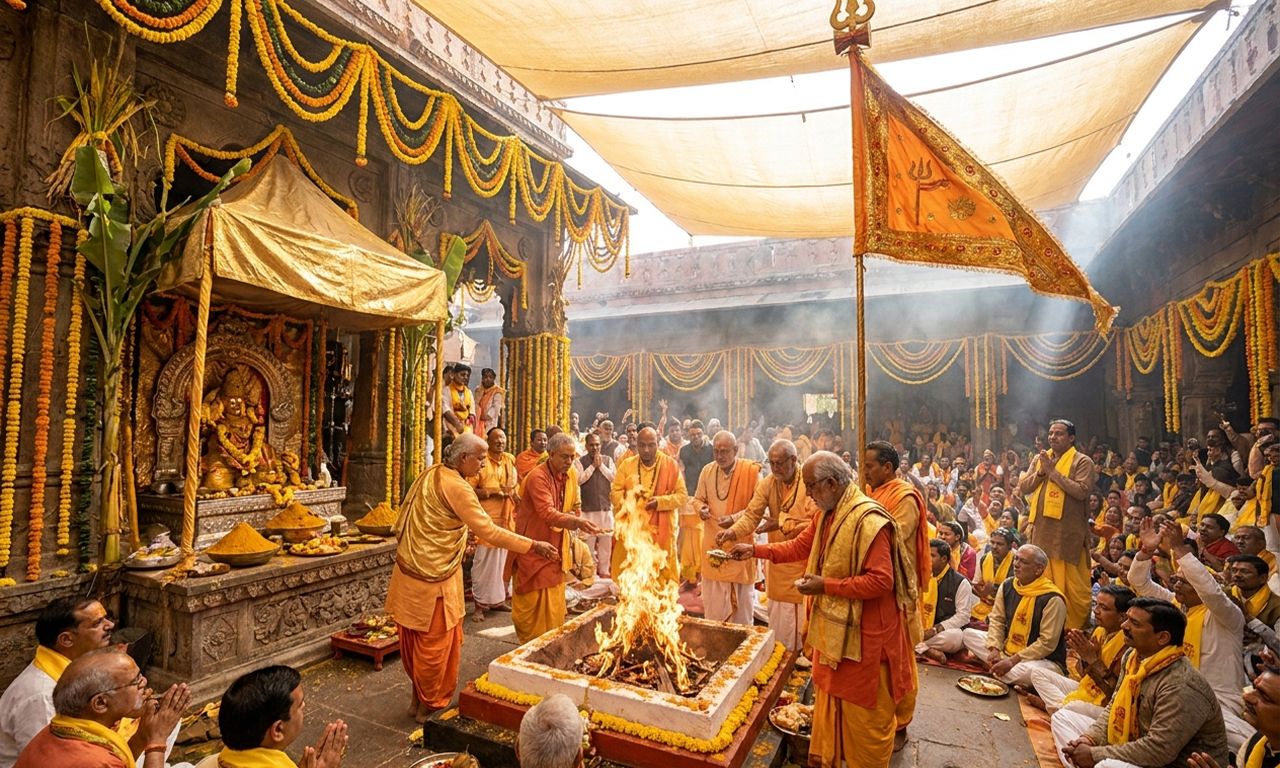
Every day, devotees offer water, Bilva Patra, flowers, milk and heartfelt prayers upon the Shivling. During the holy month of Sawan, this devotion becomes even more profound as temples resonate with the chanting of "Om Namah Shivaya" and countless devotees perform Jal Abhishek and Rudrabhishek.
Yet, despite this widespread worship, many people continue to ask an important question. Why is Lord Shiva worshipped as a Shivling instead of a human form? Some misunderstand the symbolism because they have never been taught its spiritual meaning. Others perform worship faithfully without fully understanding what the Shivling represents.
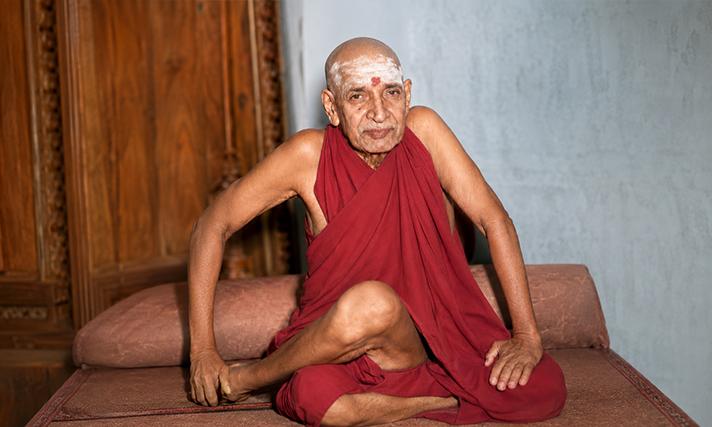
Param Pujya Mahesh Prakash Sharma Ji teaches that true worship begins with understanding. When a devotee understands the deeper meaning of the Shivling, every offering becomes more meaningful, every mantra becomes more heartfelt and every prayer becomes an act of conscious surrender. The Shivling is not merely a stone placed in a temple. It is a timeless symbol of the eternal, infinite and formless nature of Lord Shiva.
Guruji explains that the human mind naturally seeks forms that help it focus. The Supreme Reality, however, is beyond shape, colour and limitation. The Shivling reminds us that while Mahadev may be worshipped through a visible symbol, His true nature remains infinite, eternal and beyond all boundaries. When a devotee bows before the Shivling, the prayer is not offered to stone. It is offered to the limitless presence of Lord Shiva.
What Does the Word "Shivling" Mean?
The Sanskrit word Shiva refers to the auspicious, benevolent and all-pervading Divine. The word Linga means a mark, symbol or sign through which something beyond ordinary perception is understood.
Guruji explains that the Shivling is therefore the sacred symbol through which devotees remember and worship the infinite presence of Mahadev. It is not meant to limit God within a form. Instead, it points the mind towards that which has no limitation.
Why Is Lord Shiva Worshipped in This Form?
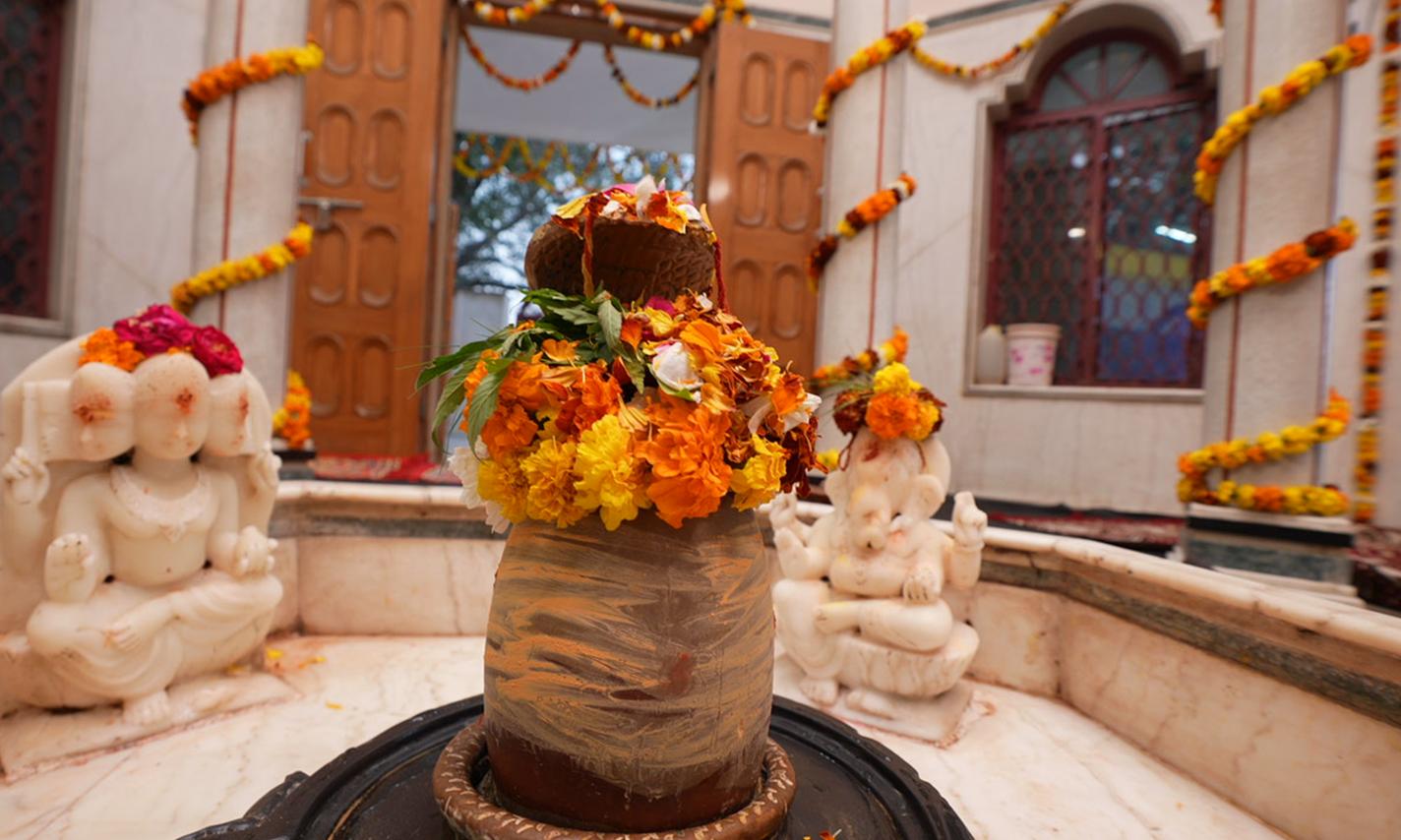
Unlike ordinary human representations, the Shivling does not depict physical features. There are no eyes. No ornaments. No expressions. No gestures. This simplicity itself carries profound meaning.
Guruji teaches that Lord Shiva transcends every identity created by the human mind. He is beyond age. Beyond caste. Beyond wealth. Beyond appearance. Beyond all worldly distinctions.
The Shivling reminds devotees that the Divine cannot be confined within the limitations of human imagination. Its form encourages the mind to move beyond the external and contemplate the eternal.
What Does the Shivling Teach a Devotee?
Every visit to a Shiva temple is an opportunity for inner reflection. Guruji explains that the Shivling silently teaches several spiritual truths.
It reminds us that life is temporary, but the soul is eternal. It reminds us that ego eventually dissolves, while truth remains. It reminds us that worldly achievements have value only when accompanied by humility. It reminds us that the highest purpose of life is not accumulation, but spiritual awakening.
The Shivling speaks without words. Its presence itself becomes a teacher.
Why Is Jal Offered to the Shivling?
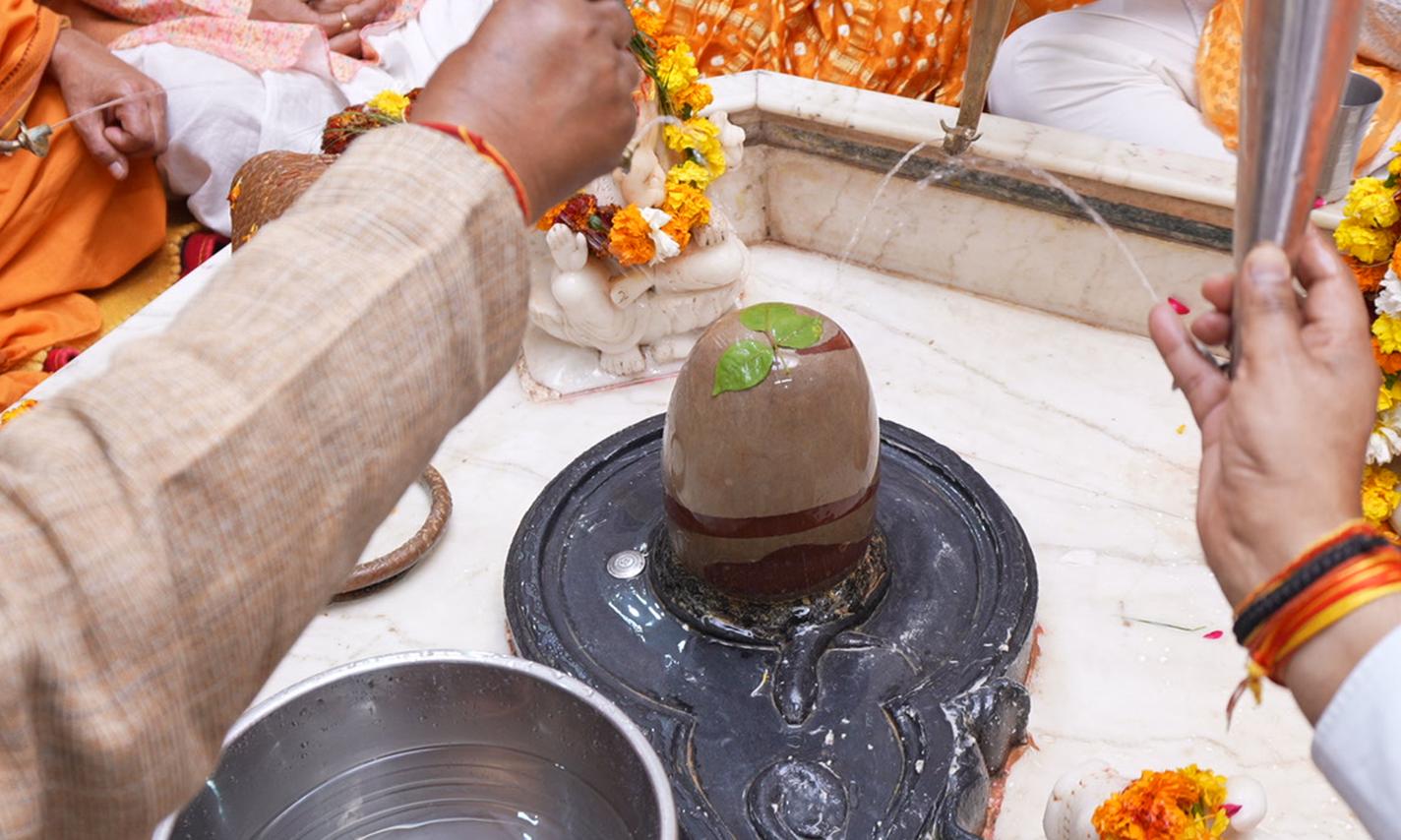
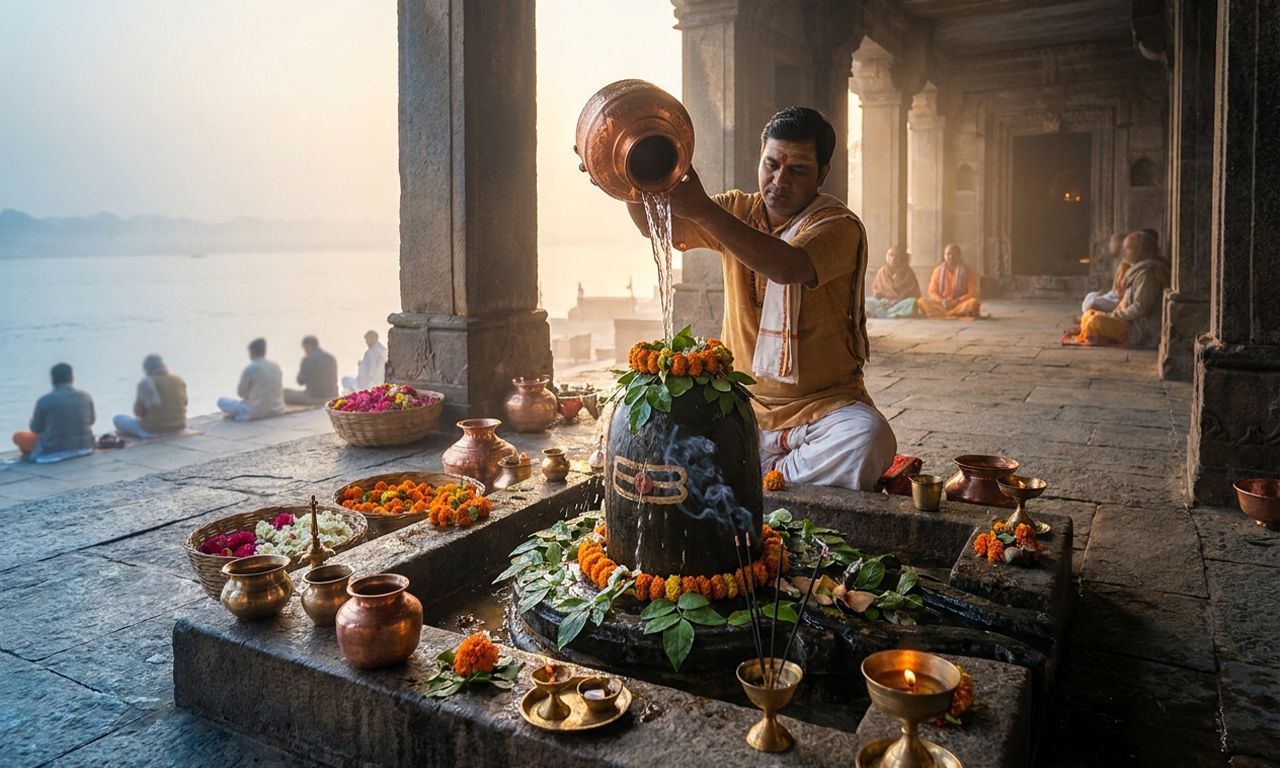
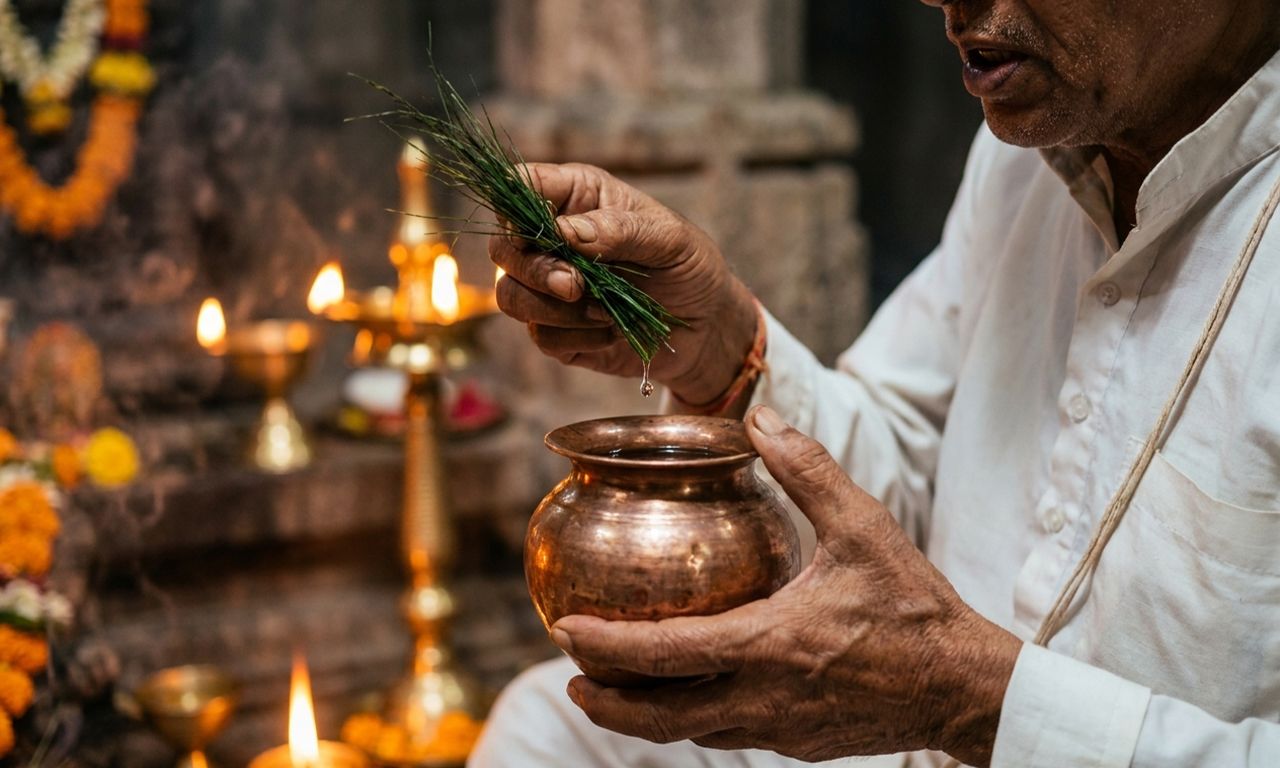
One of the most beautiful aspects of Shiva worship is the offering of clean water upon the Shivling. Guruji explains that this offering is not made because Lord Shiva requires water. Mahadev is complete in Himself. The offering transforms the devotee, not the Divine.
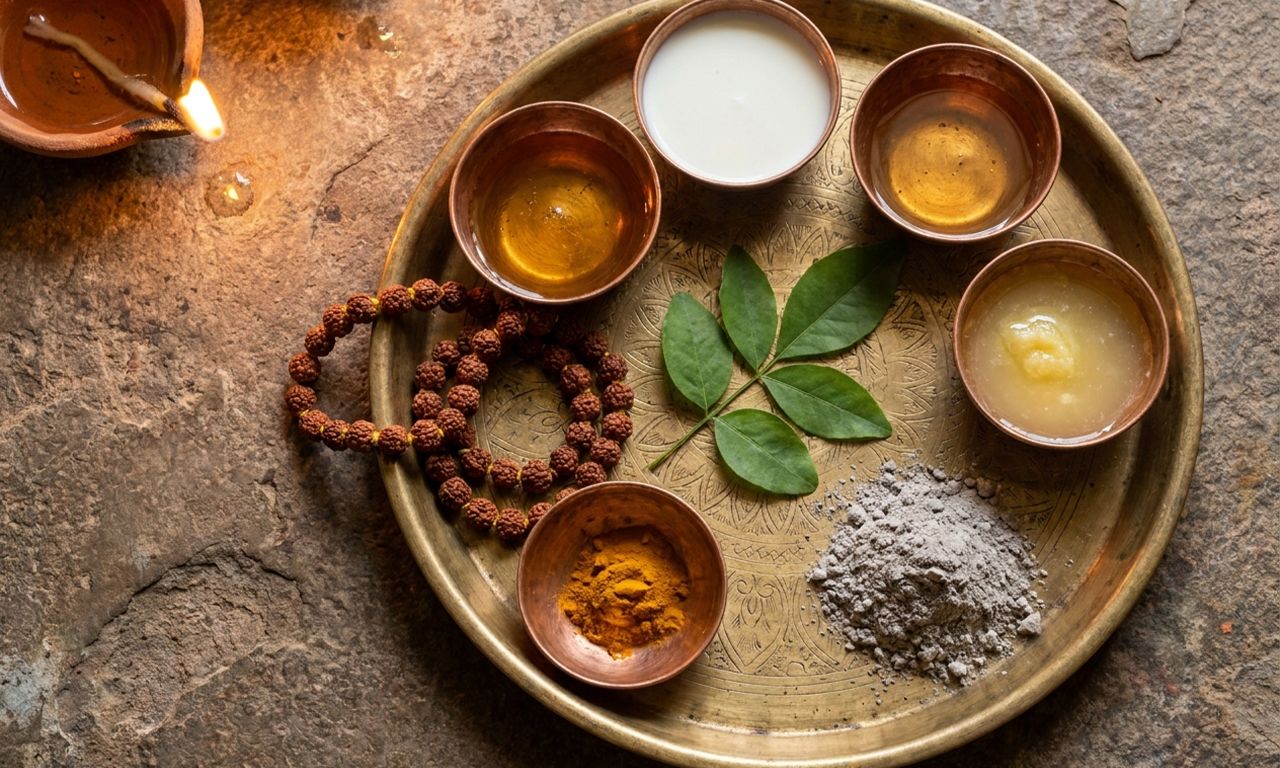
As water flows continuously over the Shivling, the devotee silently prays that pride, anger, attachment and restlessness may also flow away from the heart. The external act reflects an inner aspiration for purification. This is why Jal Abhishek occupies such an important place in Shiva worship.
Why Is Bilva Patra Offered?
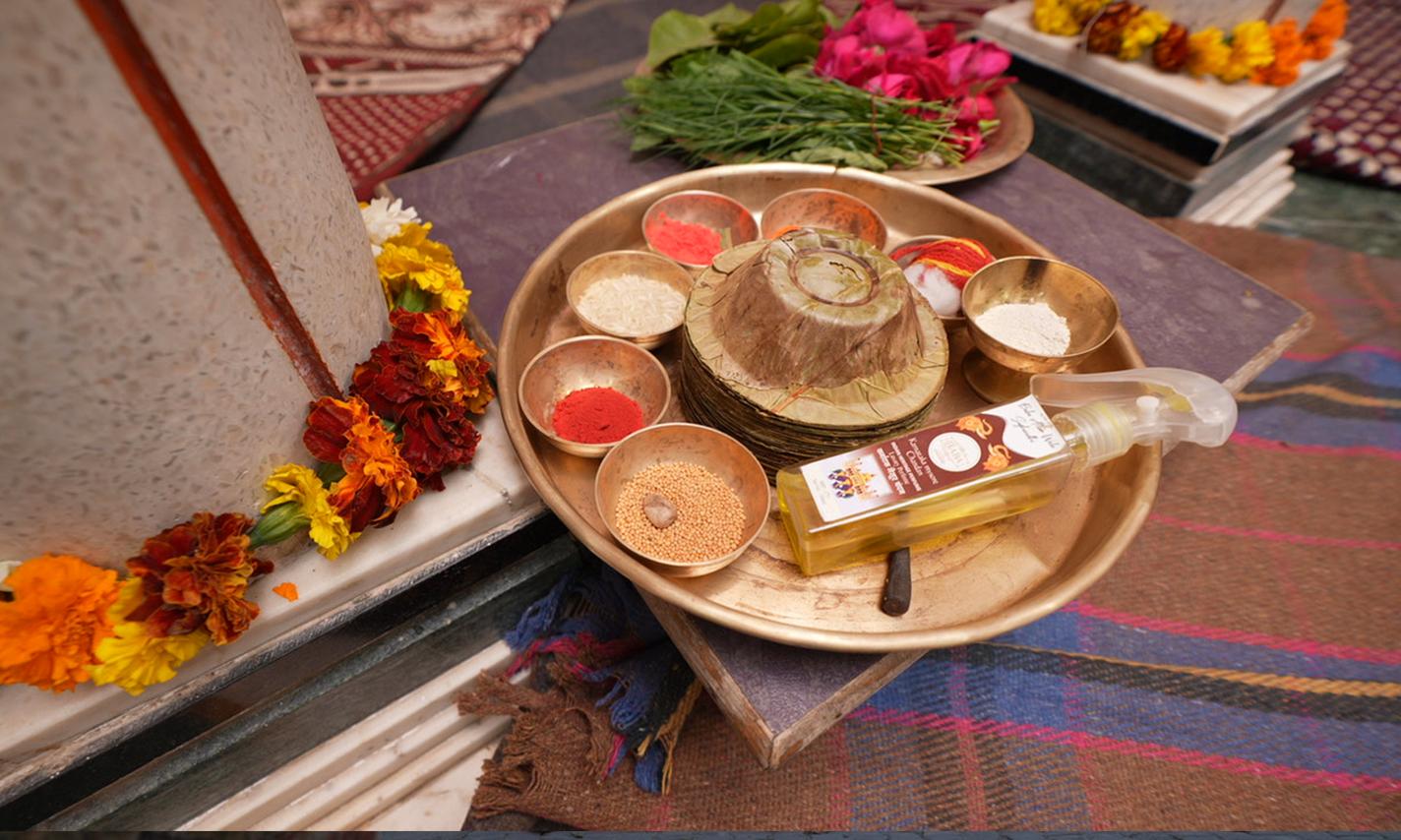
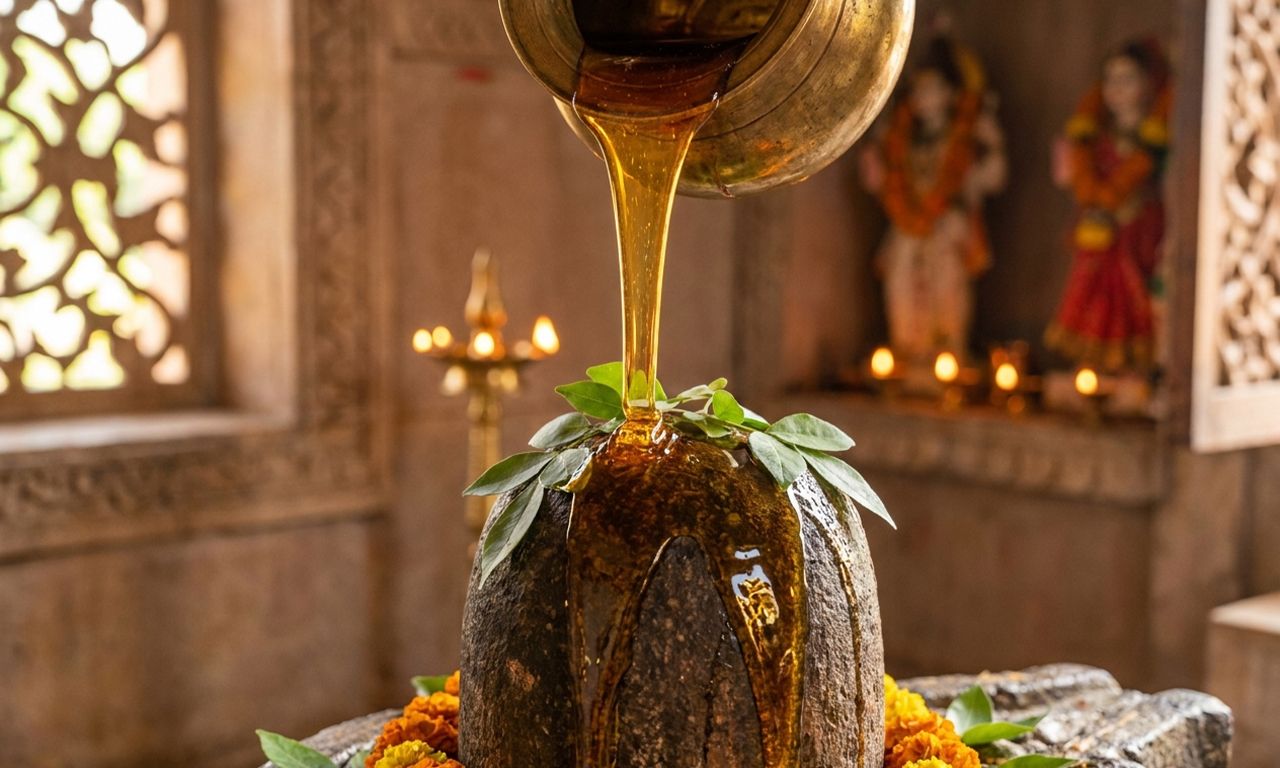
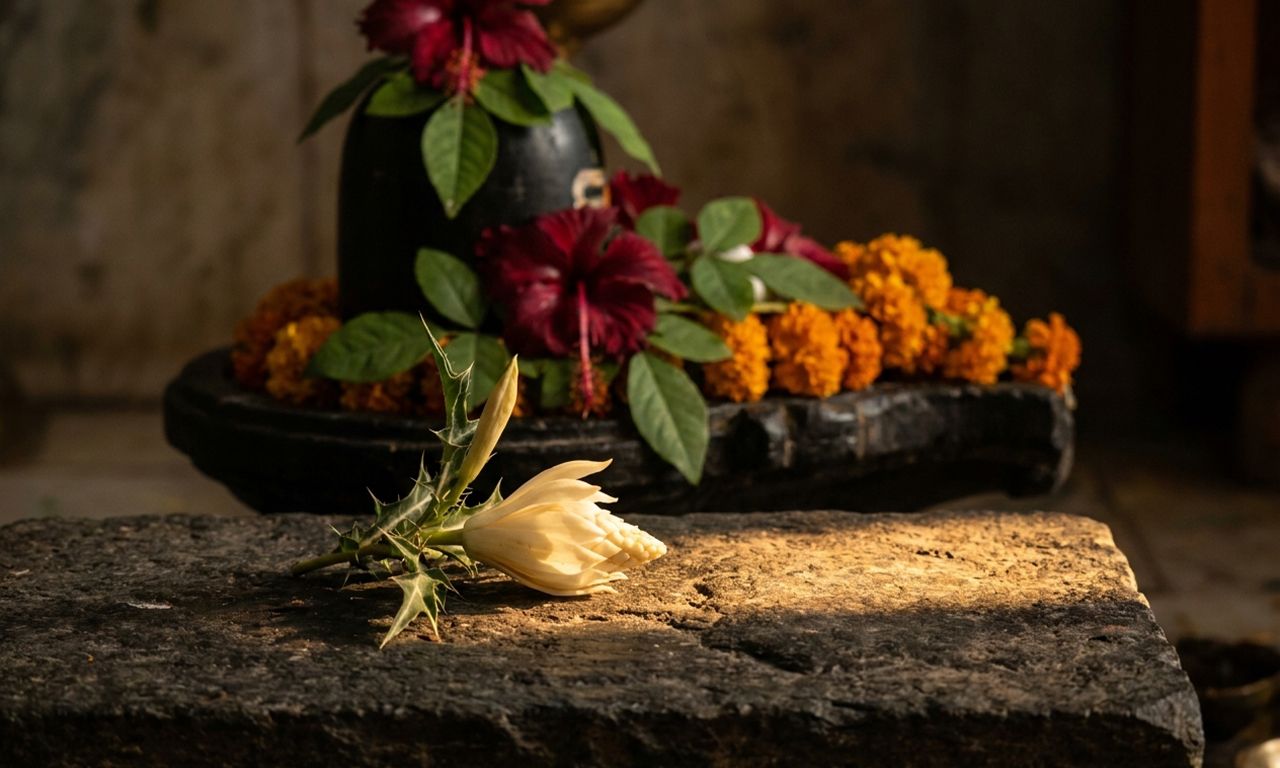
The offering of Bilva Patra has been part of Shiva worship for centuries. Guruji teaches that no offering has value unless it is accompanied by devotion.
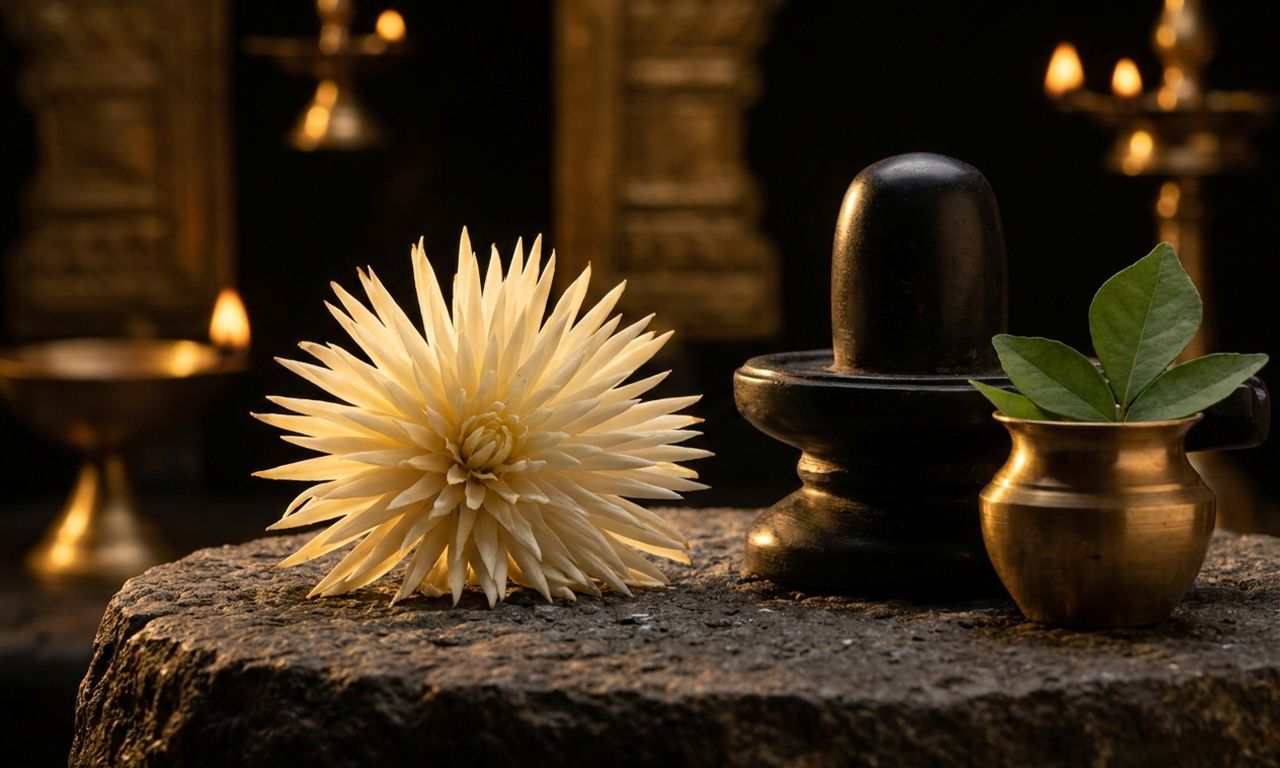
Bilva Patra represents simplicity. It reminds devotees that Mahadev is pleased not by luxury but by sincerity. Even the smallest offering becomes precious when made with humility. Conversely, the grandest offering loses its value if the heart is filled with pride.
The Shivling therefore teaches equality. Every devotee stands before Mahadev with the same opportunity to offer sincere devotion.
Why Is Rudrabhishek Performed on the Shivling?
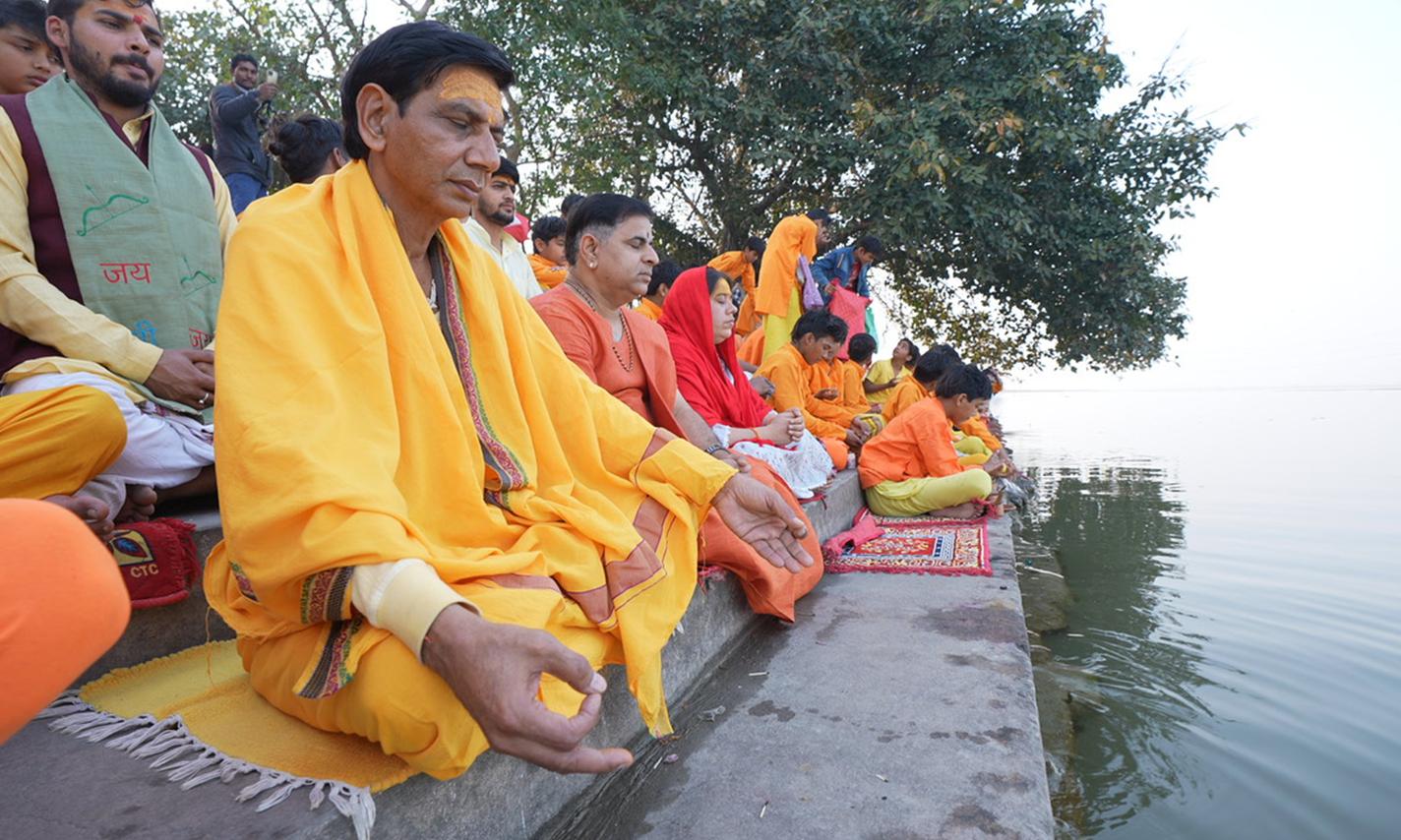
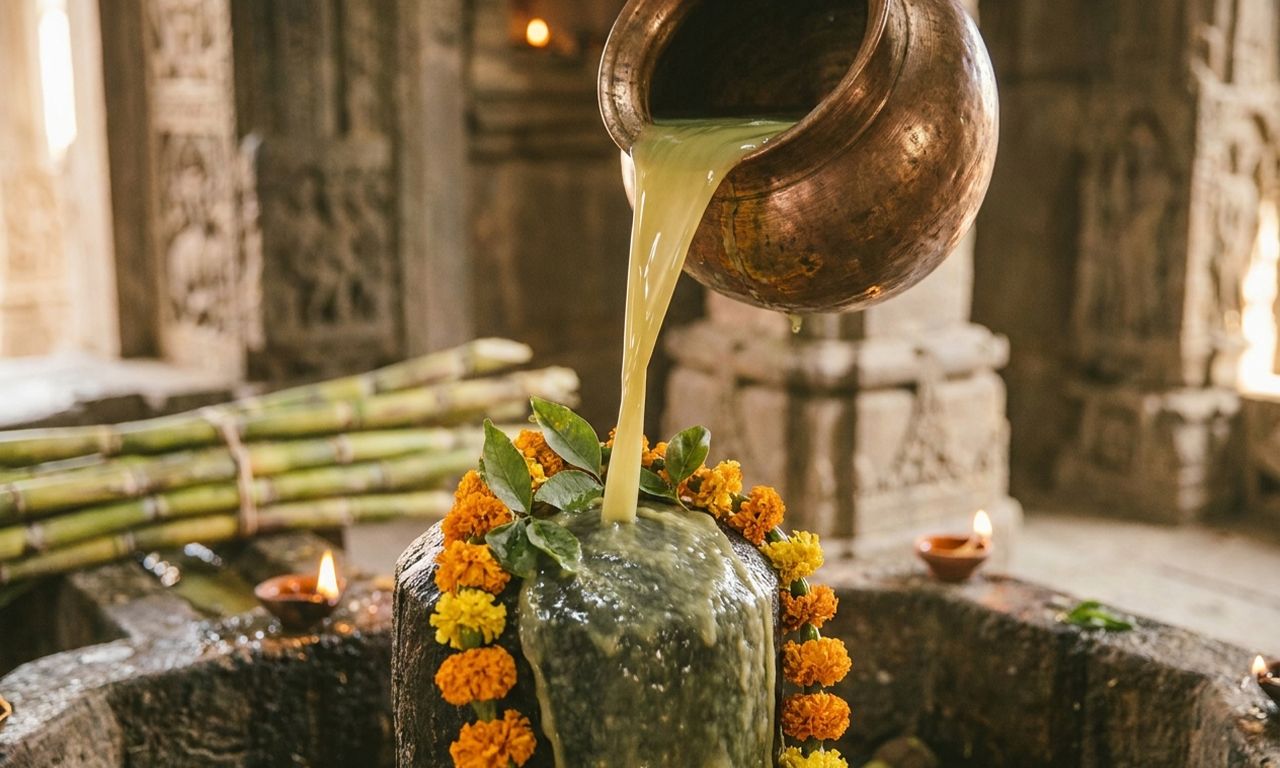
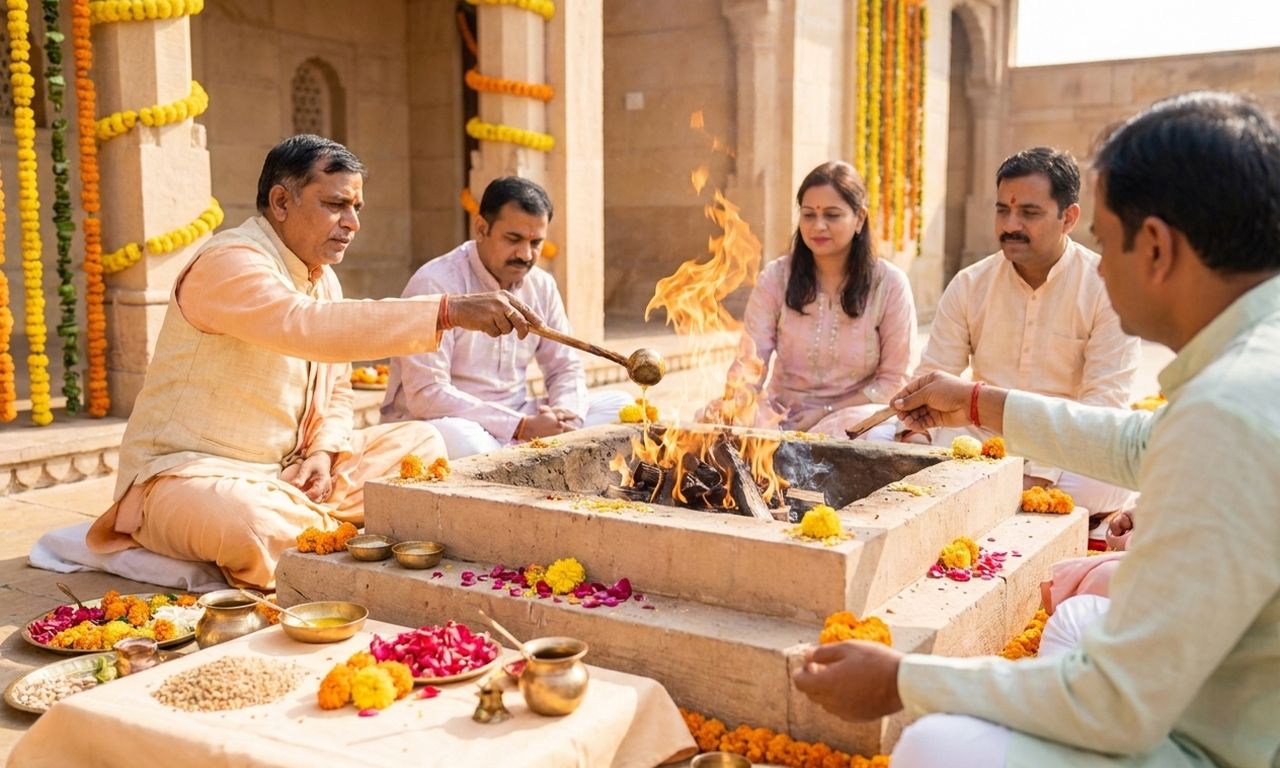
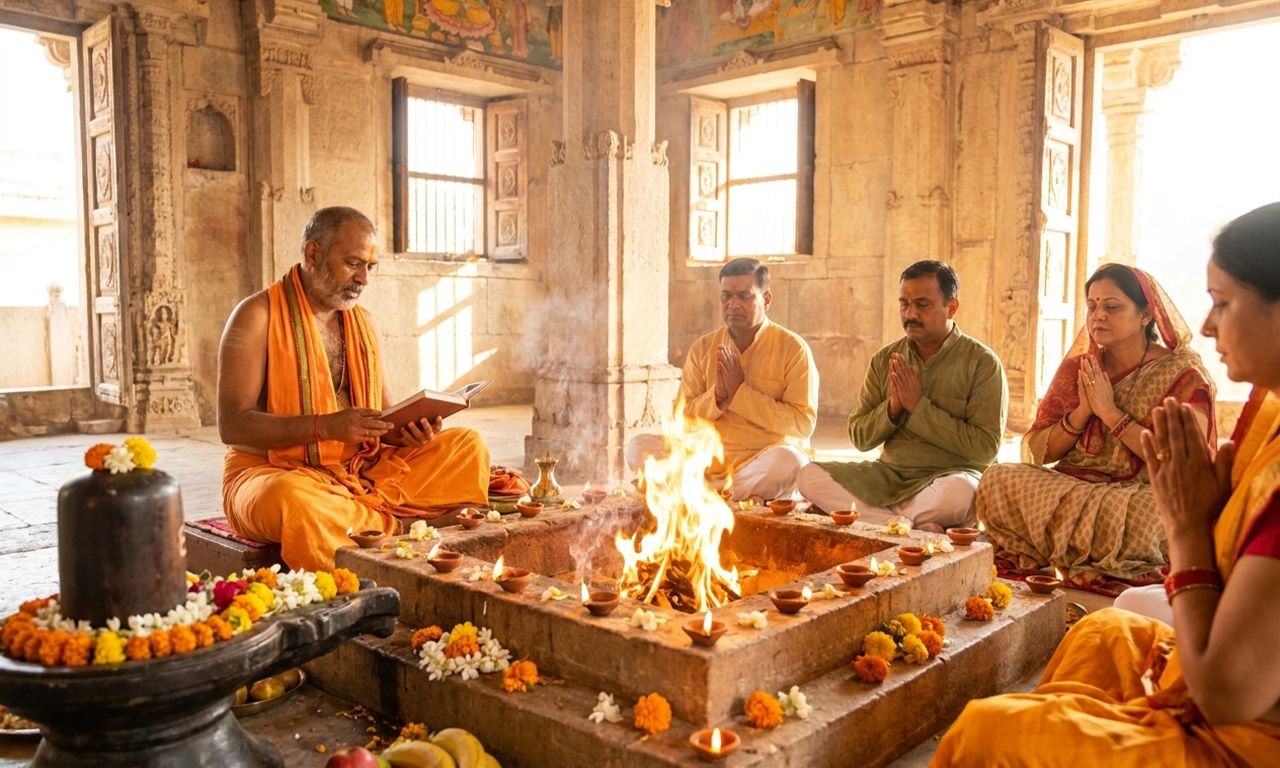
Among all forms of Shiva worship, Rudrabhishek holds a special place. During this sacred ritual, learned Acharyas continuously offer water and other traditional substances upon the Shivling while chanting Vedic mantras.
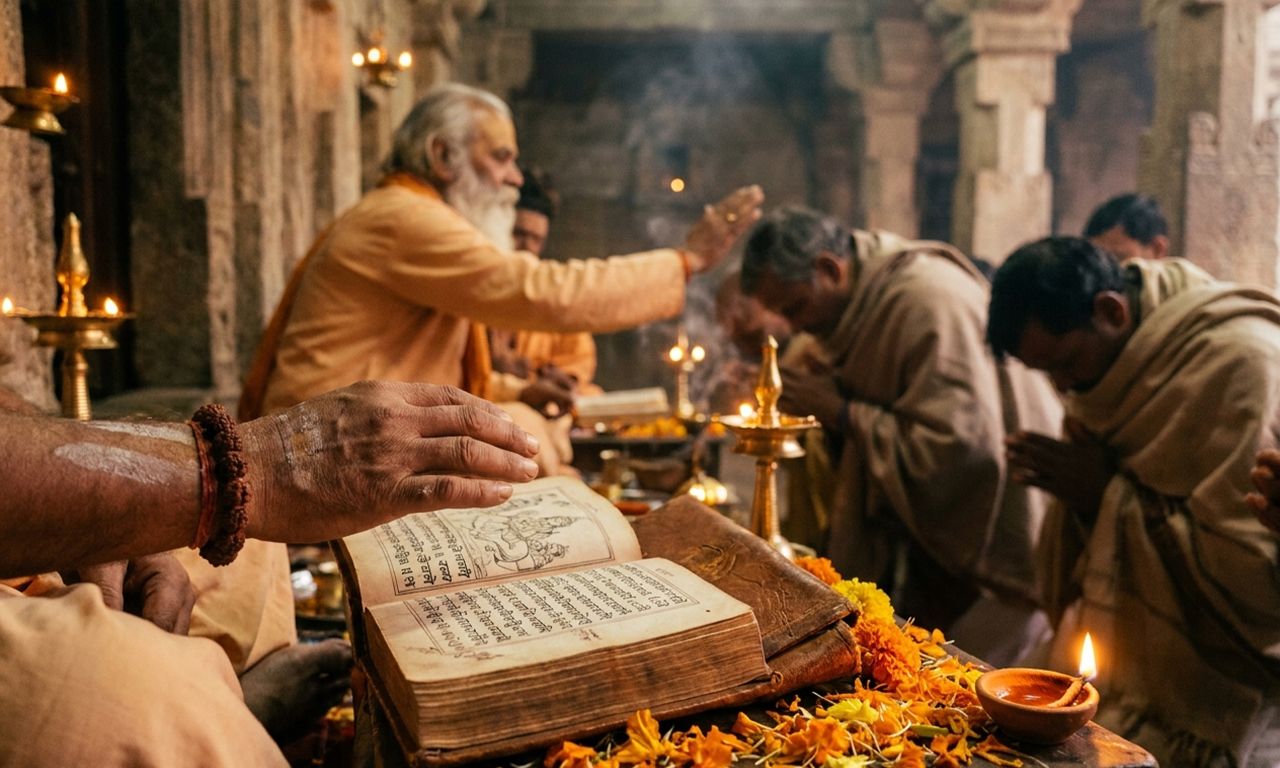
Guruji explains that Rudrabhishek is not performed merely for ritual completion. Every offering represents surrender. Every mantra purifies the mind. Every repetition of "Om Namah Shivaya" strengthens the devotee's connection with Mahadev. The Shivling becomes the centre through which devotion, prayer and Vedic worship unite.
Can the Shivling Be Worshipped at Home?
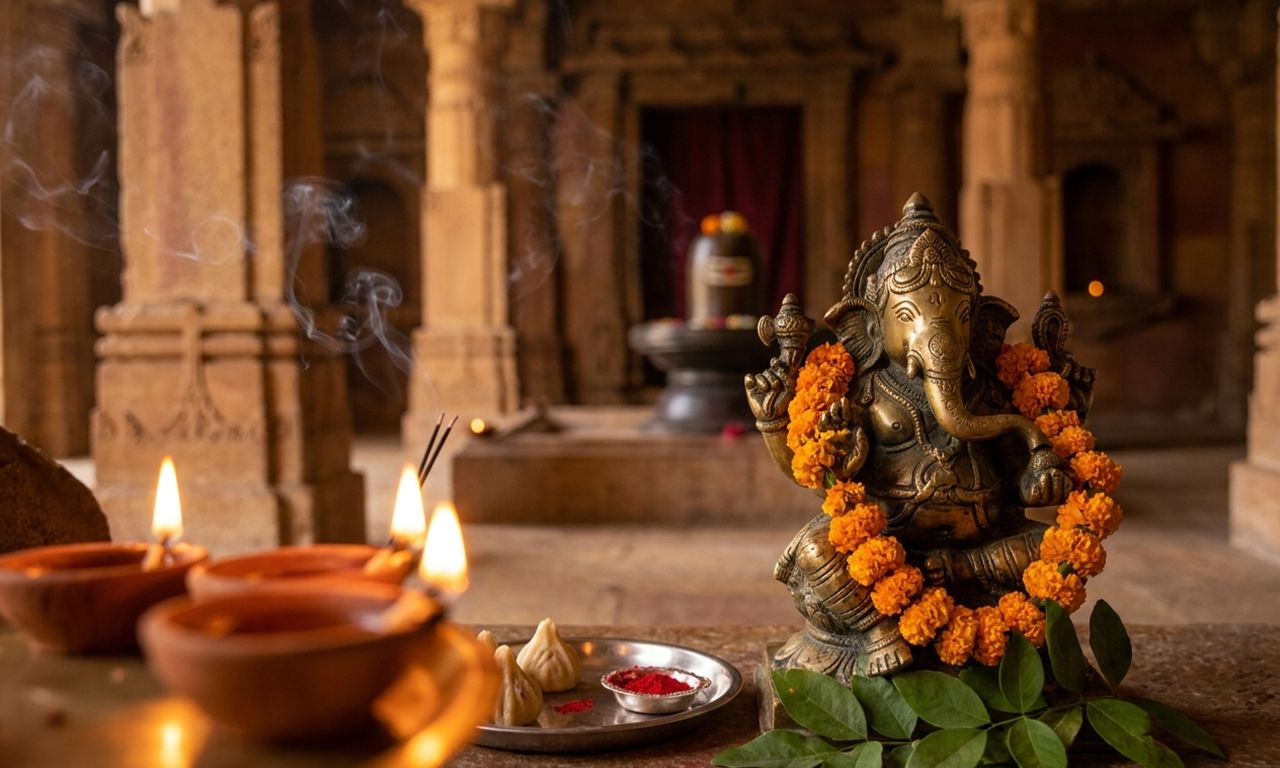
Yes. Guruji encourages devotees to establish regular worship within their homes according to their circumstances. A clean place of worship. Simple offerings. A lighted Diya. Fresh water. Bilva Patra when available. A few minutes of sincere mantra chanting.
These simple acts performed consistently are spiritually more valuable than elaborate rituals performed only occasionally. The purpose is to cultivate a daily relationship with Lord Shiva.
Common Misconceptions About the Shivling
Guruji repeatedly reminds devotees to avoid misunderstanding sacred symbols. The Shivling should never be viewed through a purely material or physical perspective. Its purpose is entirely spiritual. It represents the limitless nature of the Divine. It encourages inward contemplation rather than outward speculation.
Those who approach the Shivling with faith experience peace. Those who seek only external interpretations often miss its true message. Understanding grows through devotion. Not through argument.
The Inner Worship of the Shivling
While external worship is important, Guruji teaches that every devotee should gradually cultivate inner worship. The real temple is the purified heart. The real Abhishek is the cleansing of the mind. The real offering is the surrender of ego. The real mantra is constant remembrance of Mahadev.
When these qualities begin to grow, every moment of life itself becomes an act of Shiva worship.
The Shivling During Sawan
The holy month of Sawan brings millions of devotees to Shiva temples across the country. Many undertake long journeys carrying sacred water. Many observe Sawan Somvar Vrat. Many perform Jal Abhishek and participate in Rudrabhishek.
Guruji teaches that while these sacred traditions are deeply valuable, their highest purpose is to awaken love for Mahadev. If the heart becomes more compassionate, more truthful and more devoted during Sawan, then the worship has fulfilled its purpose.
The Narwar Dham Tradition
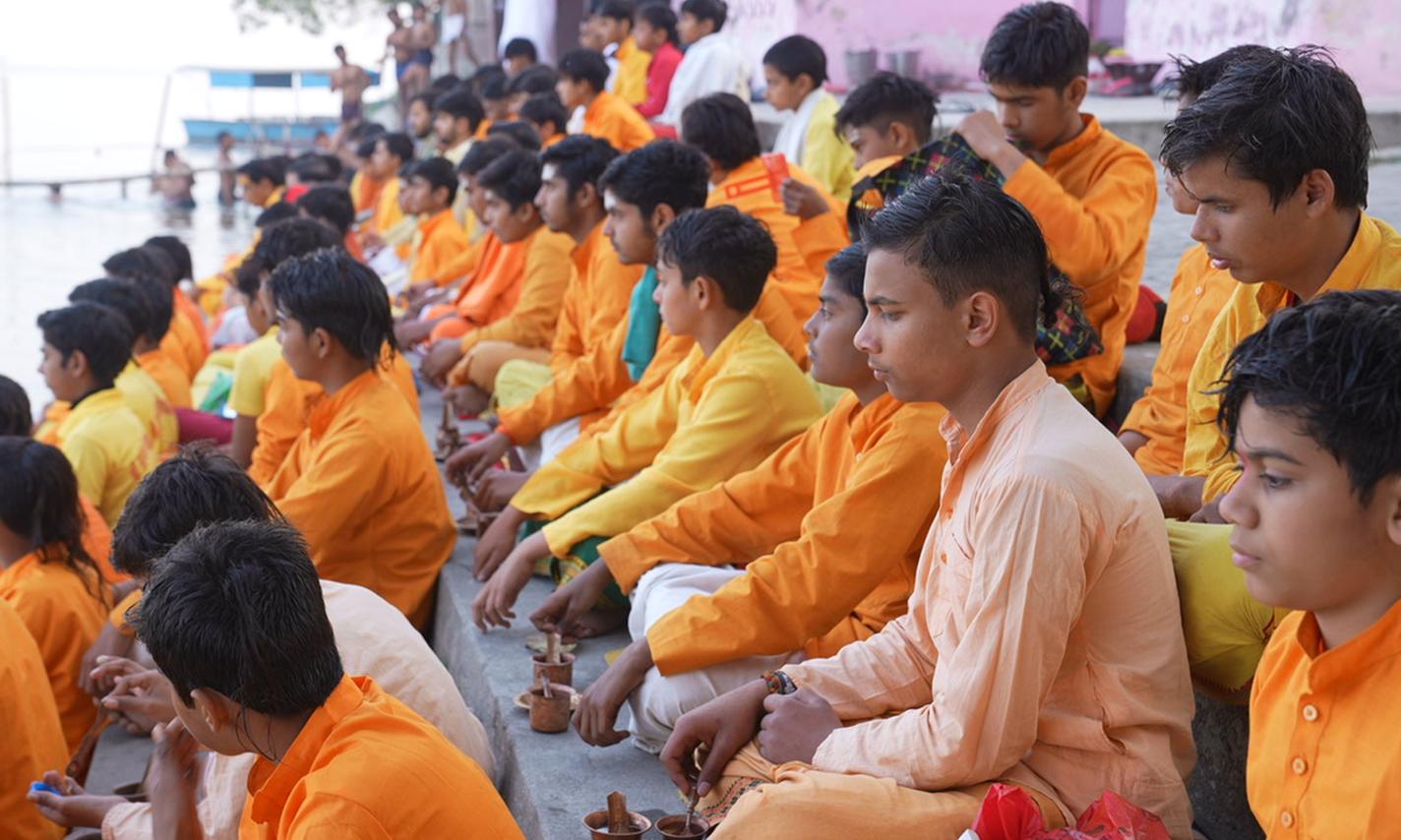
For more than 120 years, the Narwar Dham Guru Parampara has preserved the authentic tradition of Shiva worship through disciplined Vedic rituals, daily devotion and spiritual guidance. Within this lineage, the Shivling is worshipped with reverence, understanding and complete adherence to Vedic tradition.
Every Rudrabhishek is performed not merely as a ritual but as an offering of devotion, humility and surrender before Lord Shiva. Devotees are encouraged to understand the meaning behind every offering so that worship becomes a path of inner transformation rather than mechanical practice.
Frequently Asked Questions
What does the Shivling represent?
The Shivling is the sacred symbol of Lord Shiva's infinite, eternal and formless nature. It reminds devotees that the Divine transcends all physical limitations.
Why do devotees offer water to the Shivling?
Water is offered as an expression of devotion and inner purification. The offering symbolises the devotee's desire to surrender pride, negativity and attachment before Lord Shiva.
Can I worship a Shivling at home?
Yes. Guruji encourages simple daily worship with sincerity. Cleanliness, devotion and regular remembrance are more important than elaborate rituals.
Why is Rudrabhishek performed on the Shivling?
Rudrabhishek combines sacred Vedic mantras with Abhishek upon the Shivling, allowing devotees to express surrender, seek divine blessings and deepen their connection with Mahadev.
Is the Shivling only a symbol?
The Shivling is a sacred symbol through which devotees worship Lord Shiva. For those who approach it with faith, it becomes a powerful medium for spiritual contemplation and devotion.
From Faith to Sadhana
Understanding the significance of the Shivling is the first step. The next is experiencing authentic Shiva worship through sincere practice.
At Narwar Dham, learned Acharyas from the 120-year-old Guru Parampara perform Rudrabhishek with your name and gotra, following the Vedic traditions that have been preserved across generations.
Offer your Sankalp through SiddhiStar and become a part of an authentic lineage of Shiva worship where every mantra, every offering and every prayer is performed with devotion, precision and faith.