Sawan: Why It Is the Most Sacred Month for Lord Shiva Worship
By SiddhiStar | Narwar Dham Parampara
21 July 2026 • 7 min read
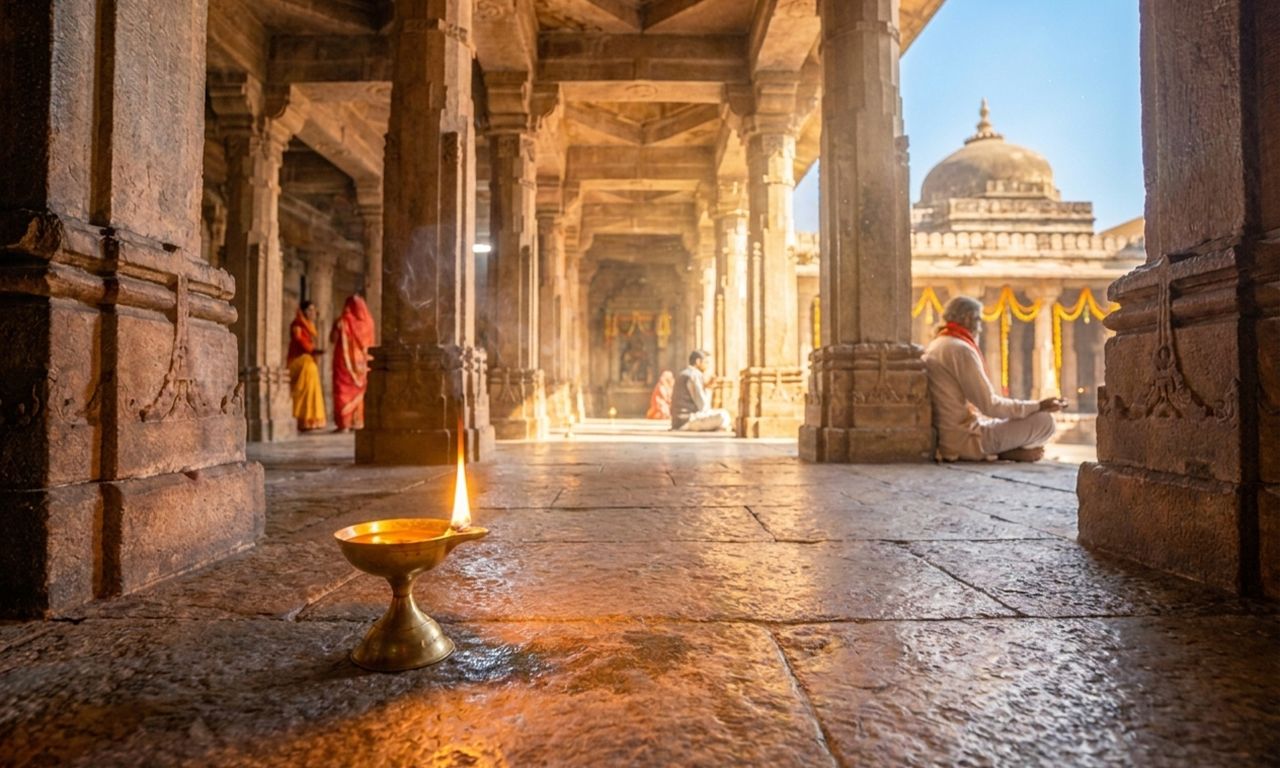
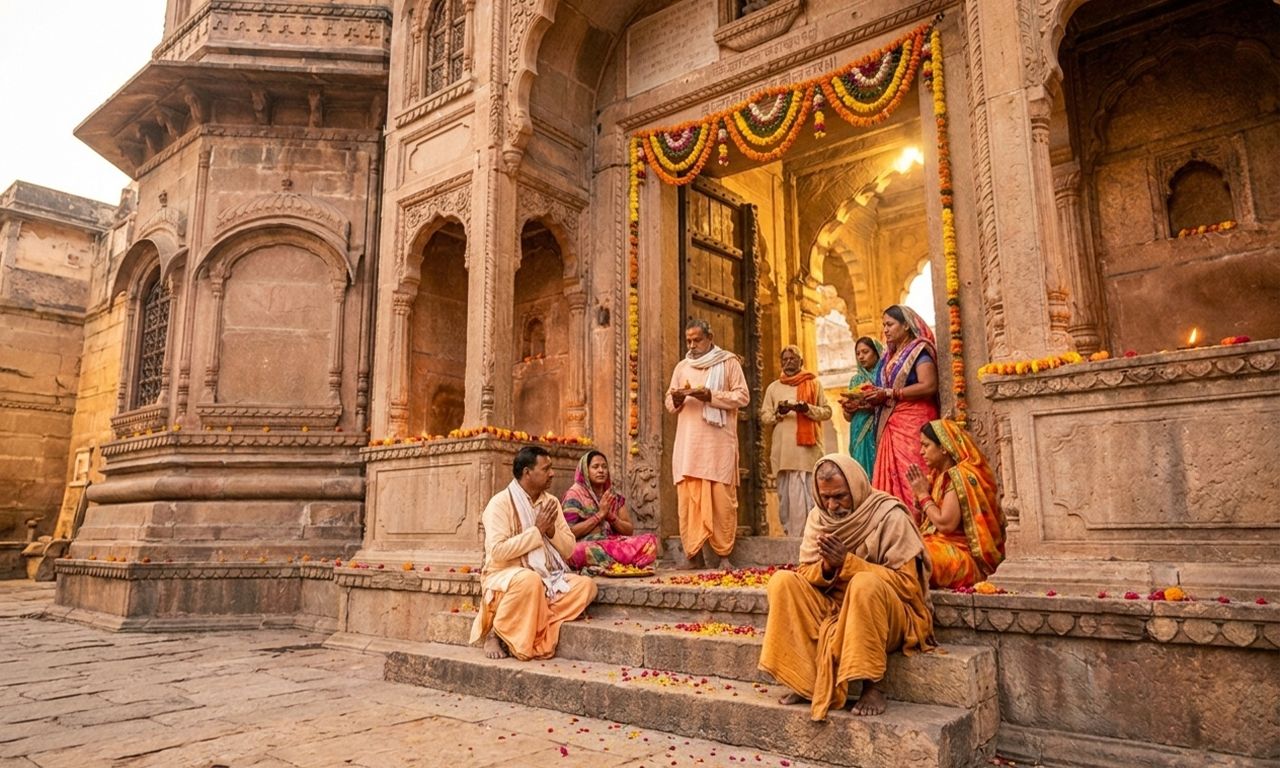
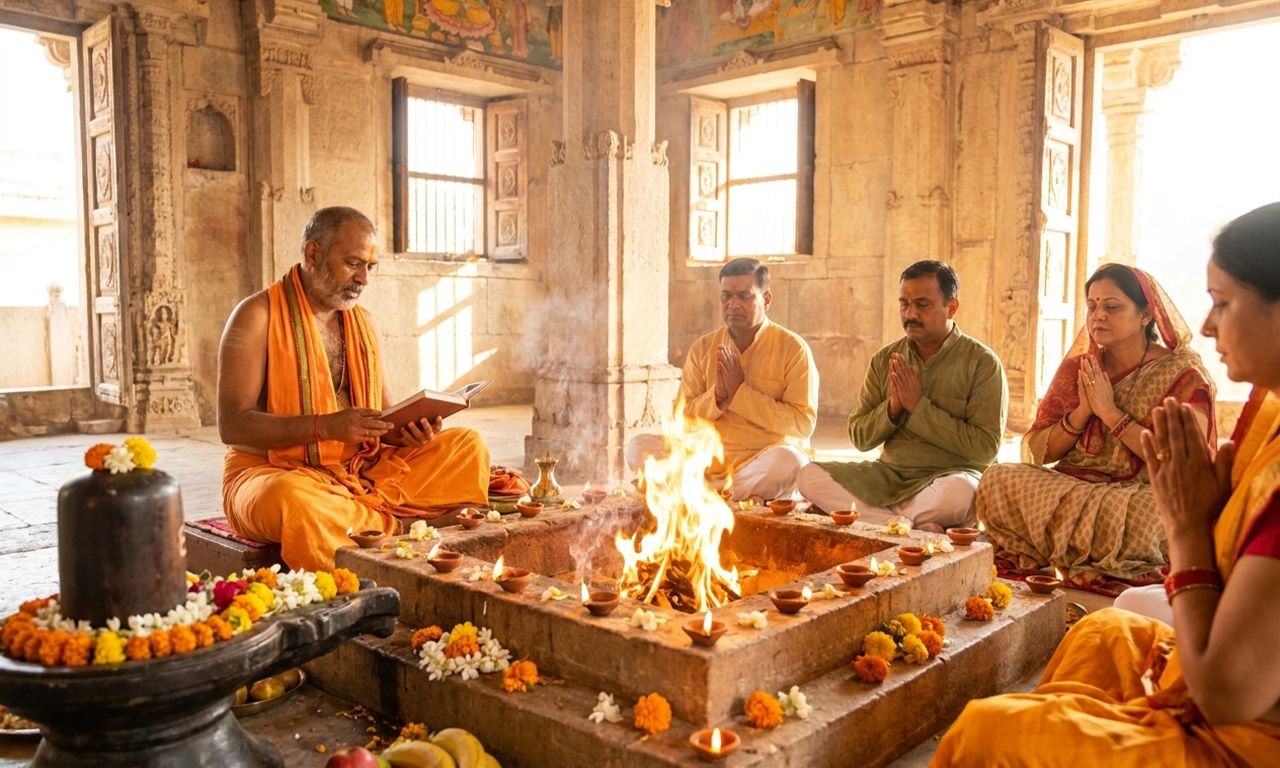
Every year, as the month of Sawan begins, a remarkable transformation can be seen across India. Shiva temples become vibrant with devotion. The sound of bells and Vedic chants fills the air. Devotees carry sacred water during the Kanwar Yatra, offer Jal Abhishek upon the Shivling, observe Somvar Vrat and participate in Rudrabhishek with deep faith.
For many devotees, Sawan is not just another month in the Hindu calendar. It is the month of Mahadev.
But an important question deserves reflection. Why is Sawan considered the most sacred month for Lord Shiva worship? Is Lord Shiva more pleased during Sawan than at other times? Does worship performed during this month carry greater significance? Or is the importance of Sawan found somewhere much deeper?
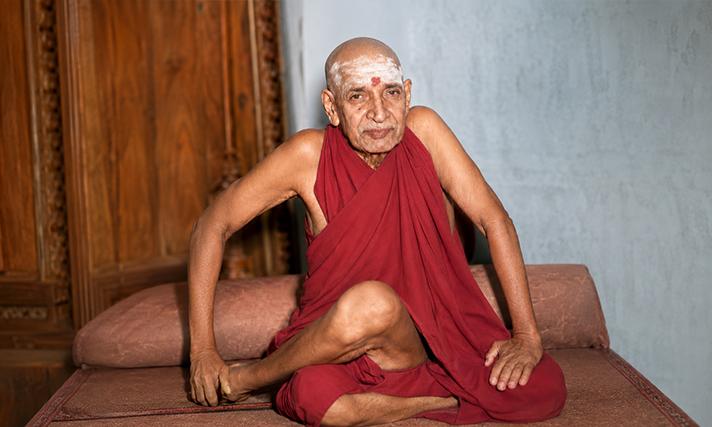
Param Pujya Mahesh Prakash Sharma Ji teaches that while Sawan is indeed one of the holiest periods for Shiva worship, its true greatness does not lie in changing Mahadev. It lies in changing the devotee. Sawan is an invitation to pause, return to spiritual discipline and renew our relationship with Lord Shiva through devotion, self-reflection and sincere worship.
Guruji explains that every sacred period in Sanatan Dharma is an opportunity for inner transformation. Sawan encourages devotees to become more disciplined. More humble. More prayerful. More compassionate. The purpose is not to perform more rituals than others. The purpose is to bring Mahadev closer to the heart.
What Makes Sawan Spiritually Special?
Throughout the year, every day is suitable for remembering Lord Shiva. Yet Sawan occupies a unique place because the entire atmosphere becomes centred around devotion.
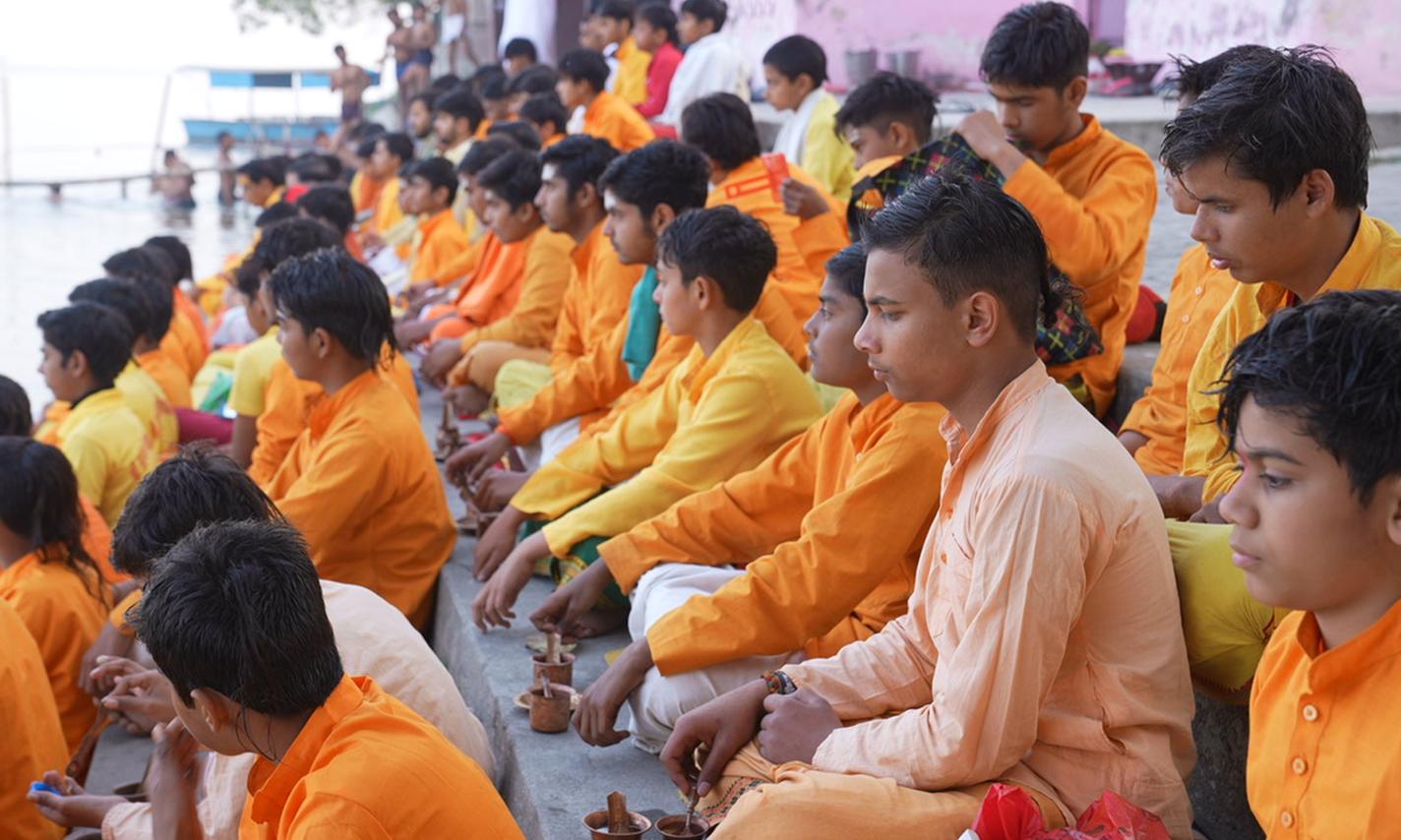
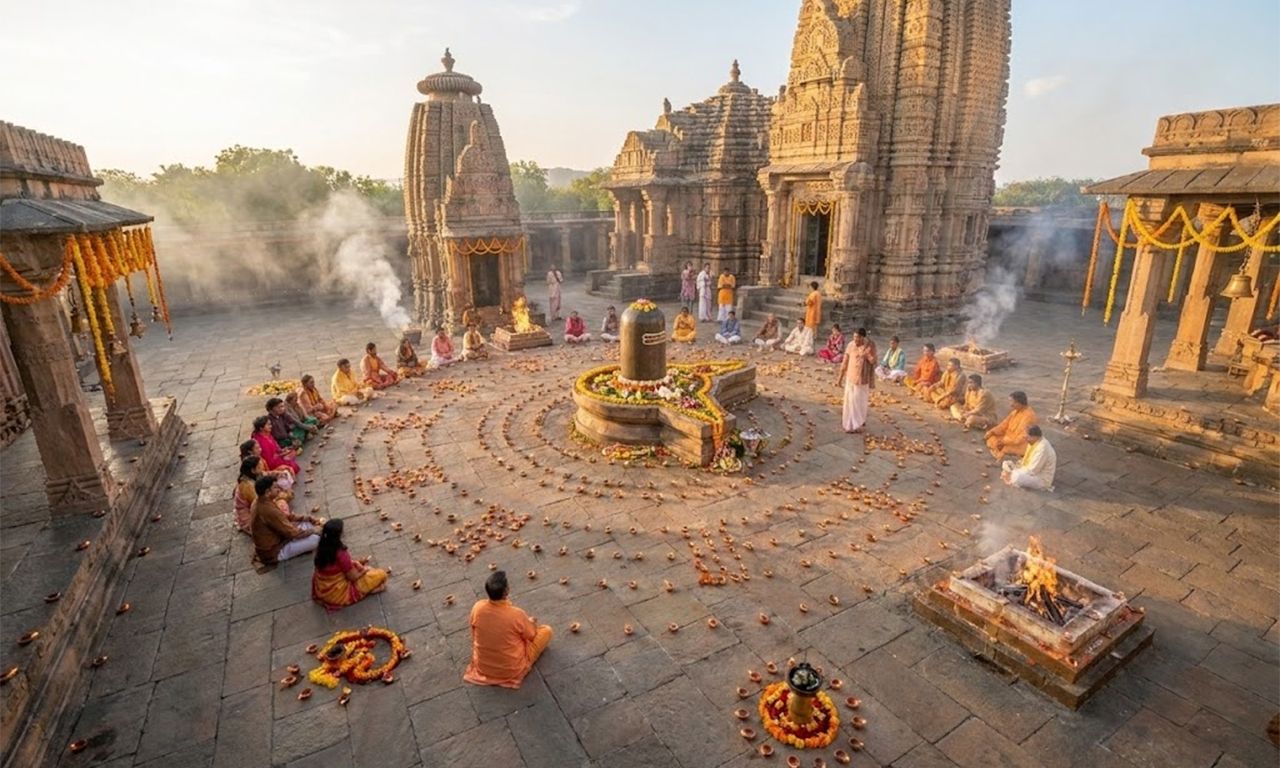
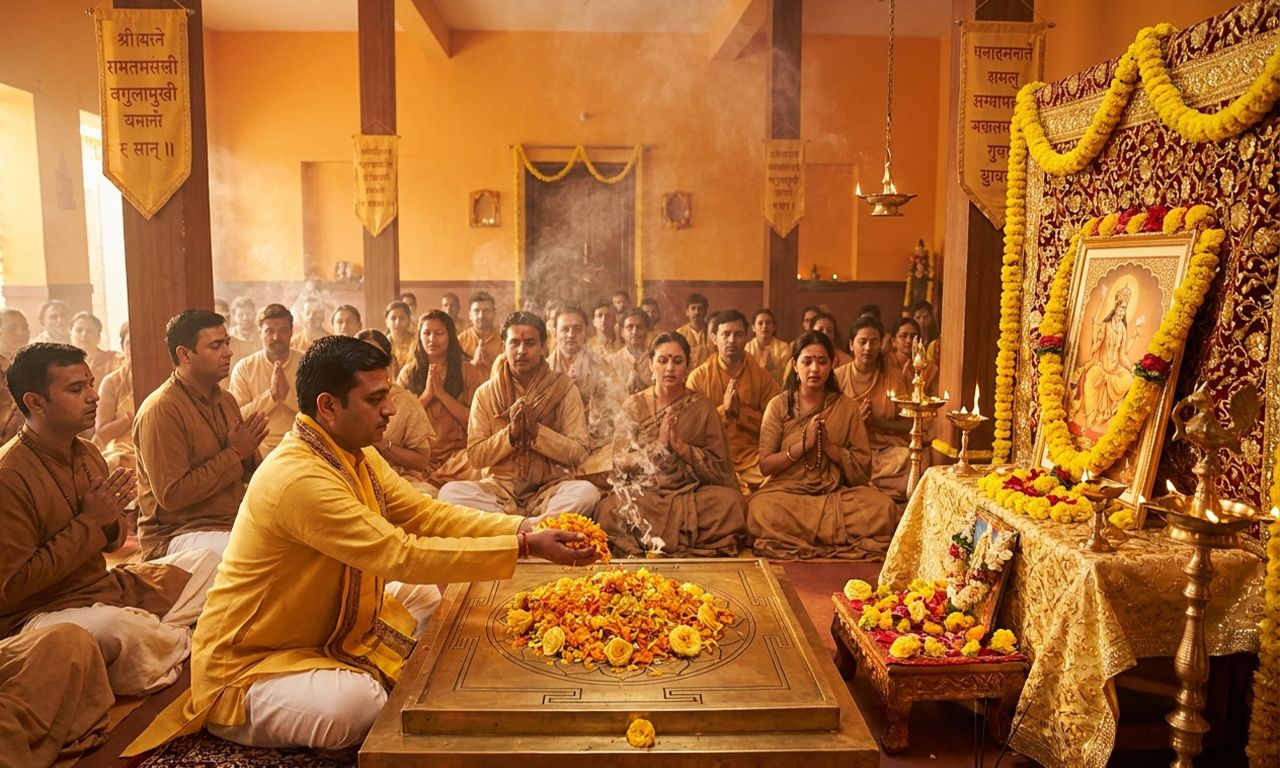
Families perform Puja together. Temples remain filled with worshippers. Sacred mantras are heard everywhere. People consciously reduce worldly distractions and increase spiritual practice.
Guruji teaches that when millions of devotees remember Mahadev together, it inspires every individual to deepen their own devotion. Sawan therefore becomes a month of collective spiritual awakening.
Does Lord Shiva Bless Only During Sawan?
One common misconception is that Lord Shiva becomes more compassionate only during Sawan. Guruji gently corrects this misunderstanding. Mahadev's grace never changes. His compassion is eternal.
What changes during Sawan is the devotee's effort. People wake up earlier. They visit temples more often. They chant more mantras. They perform Rudrabhishek. They observe Somvar Vrat. They consciously make time for Mahadev. The blessings experienced during Sawan arise because devotion itself becomes stronger.
Why Do Devotees Perform Jal Abhishek?
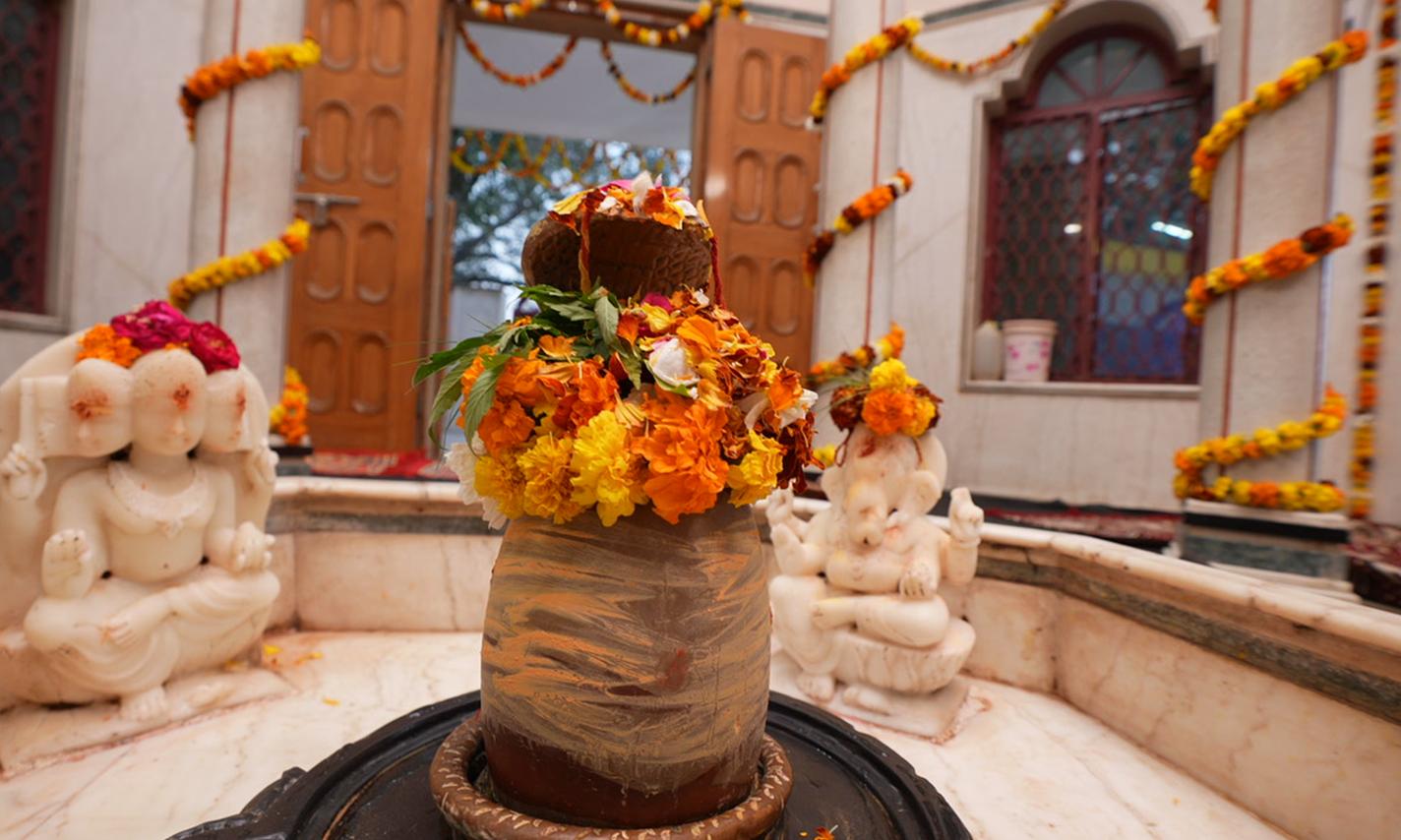
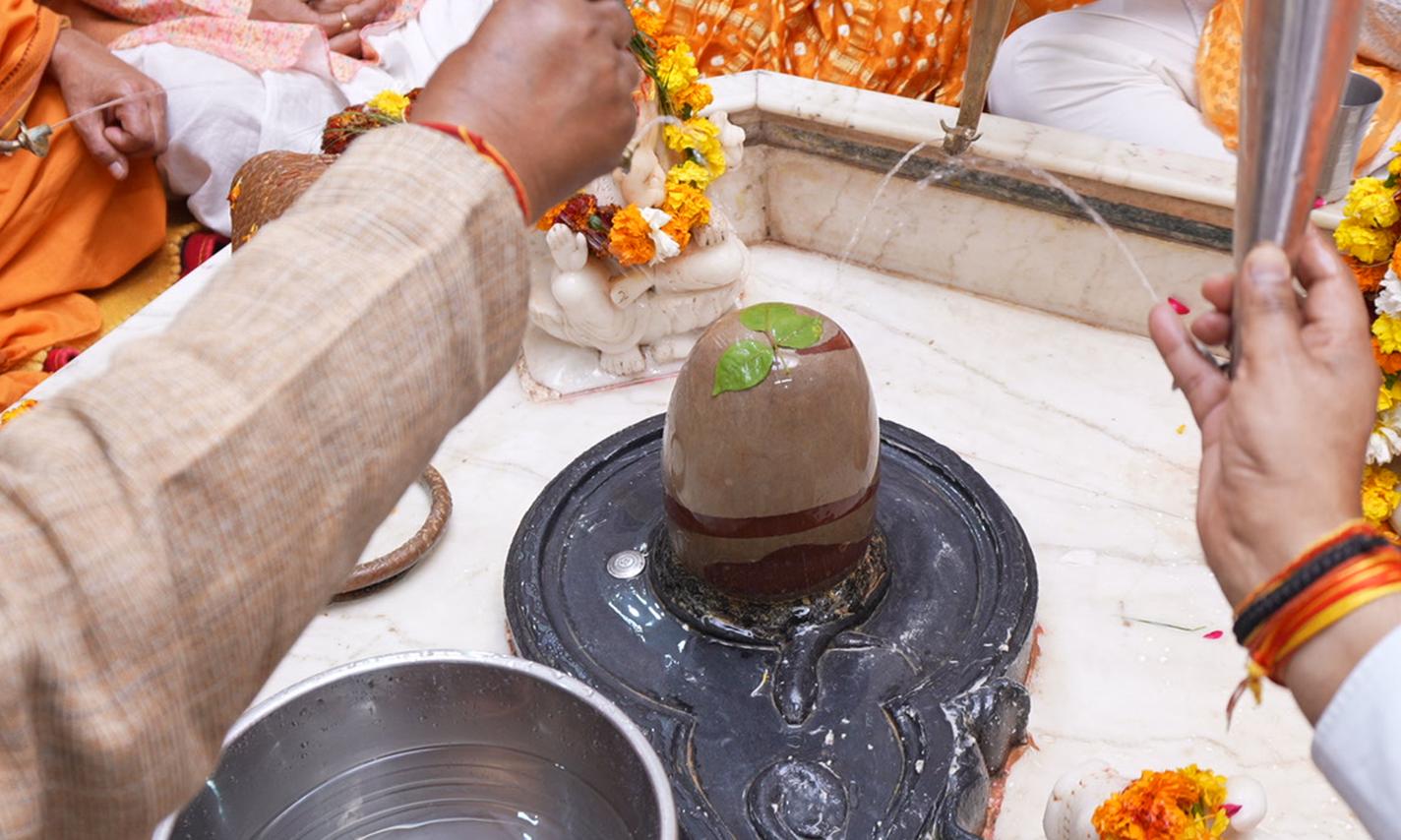
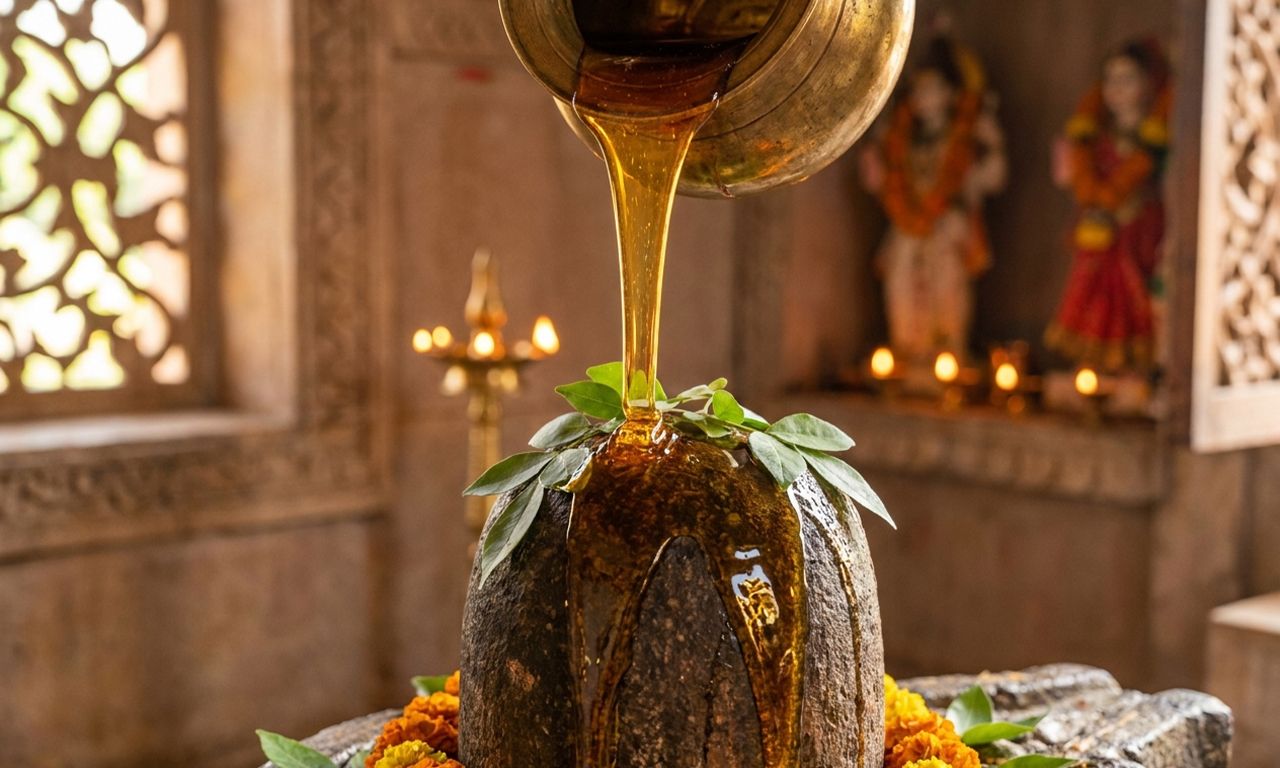
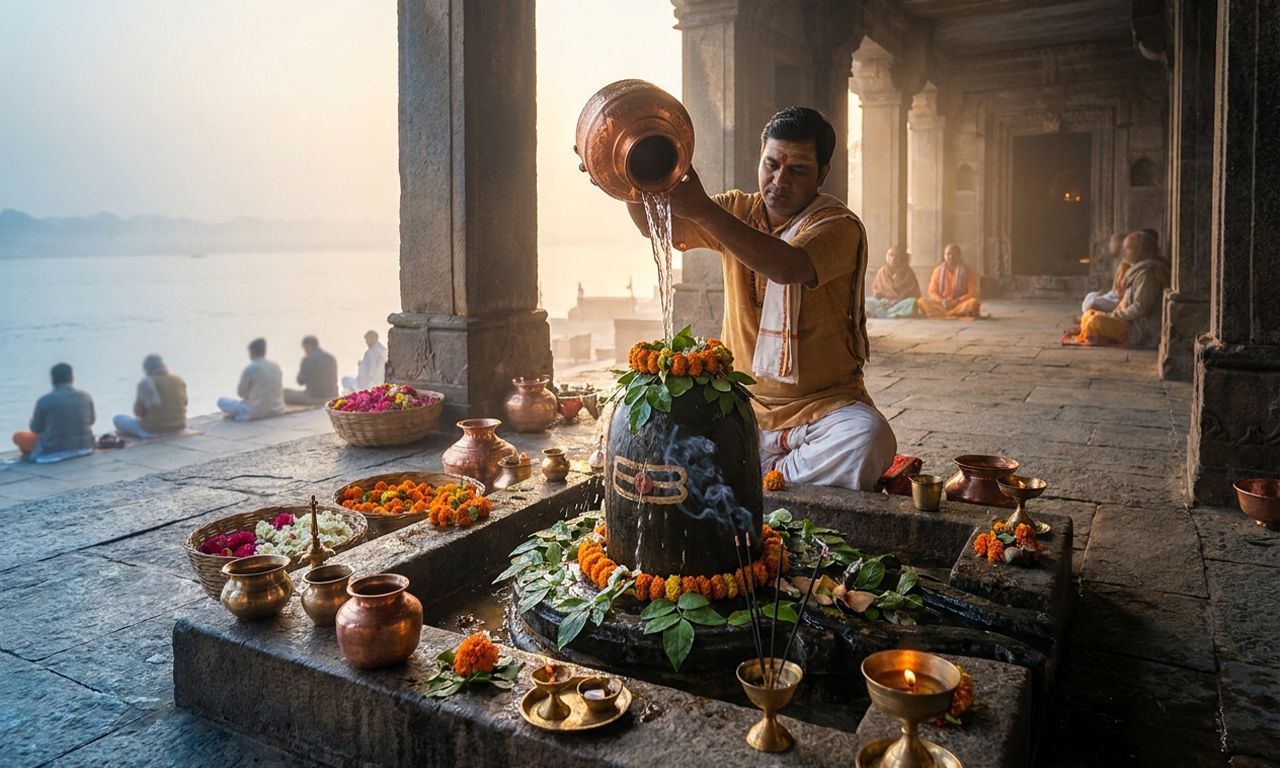
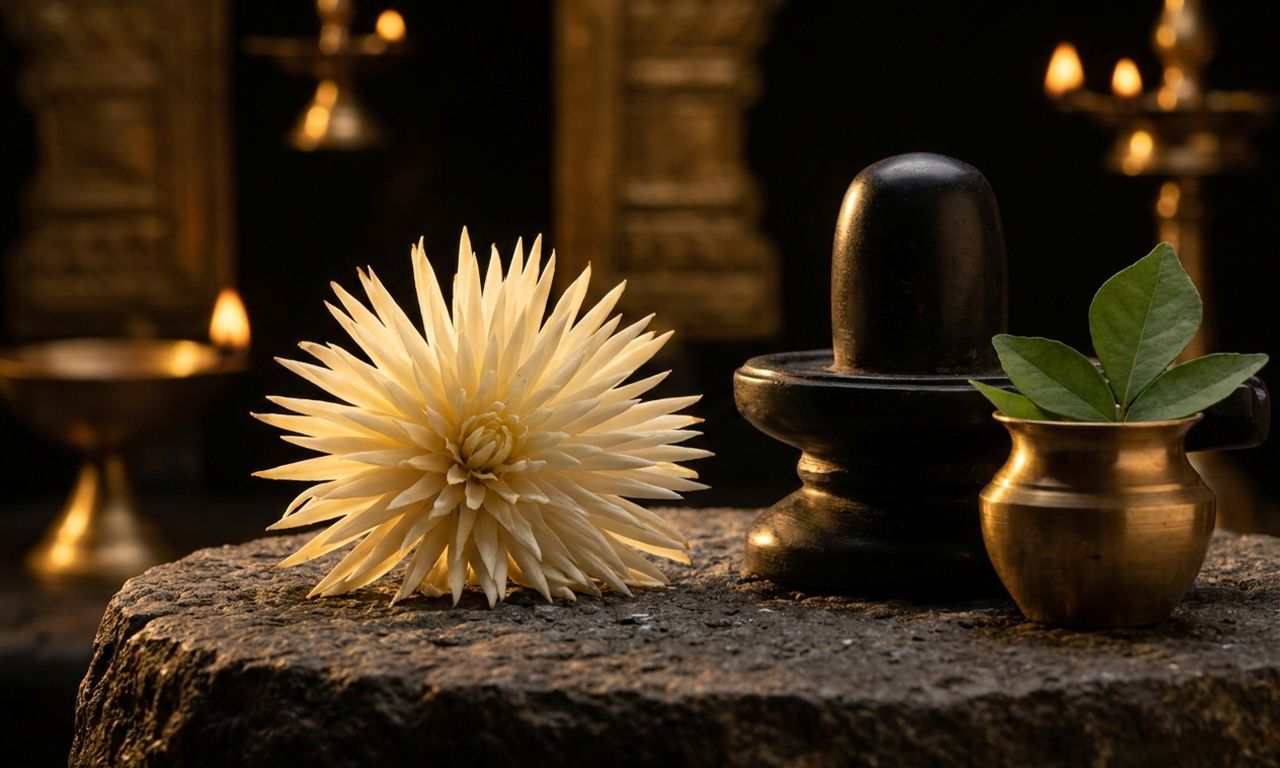
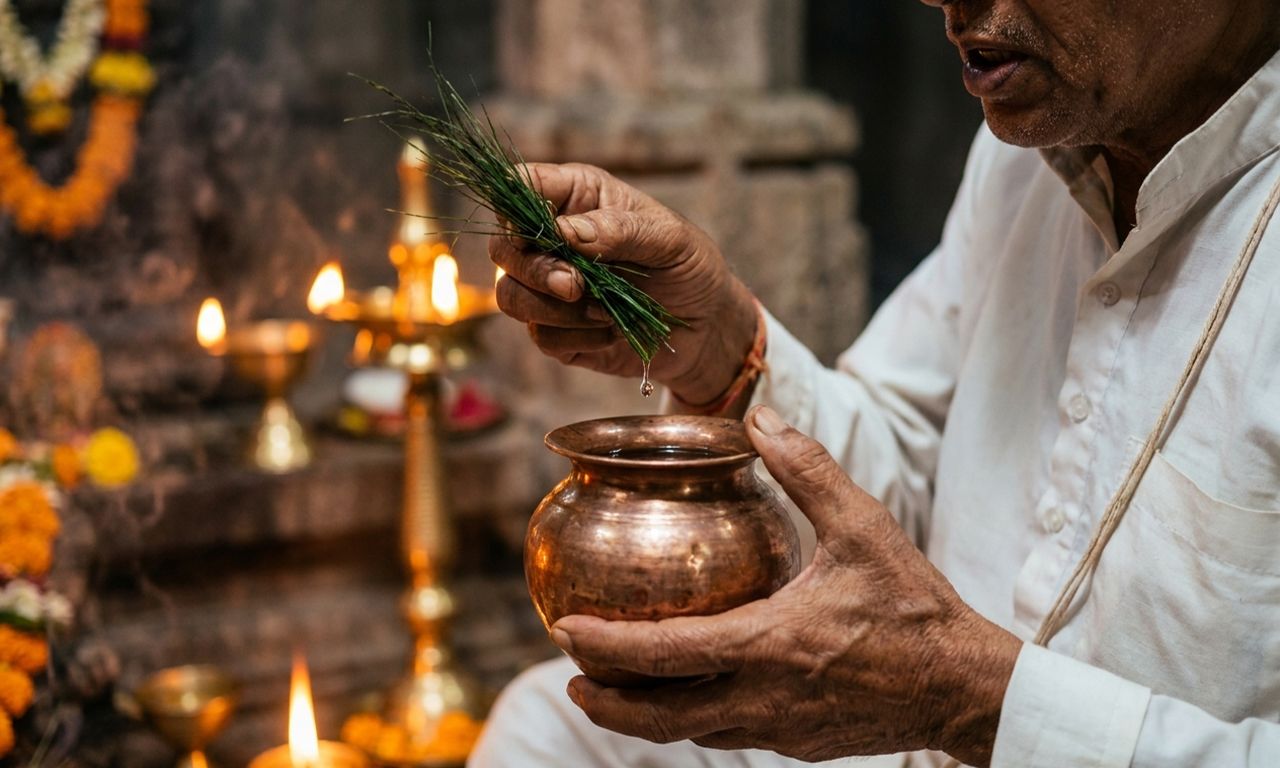
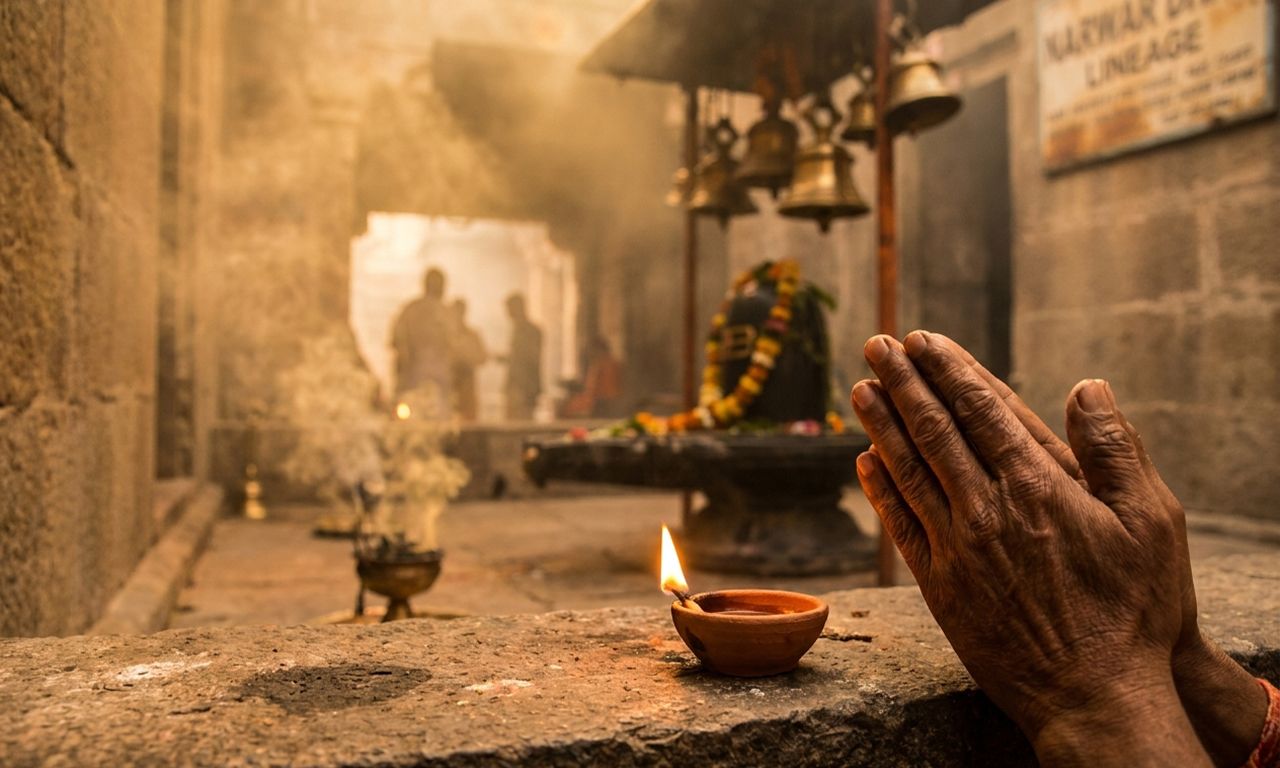
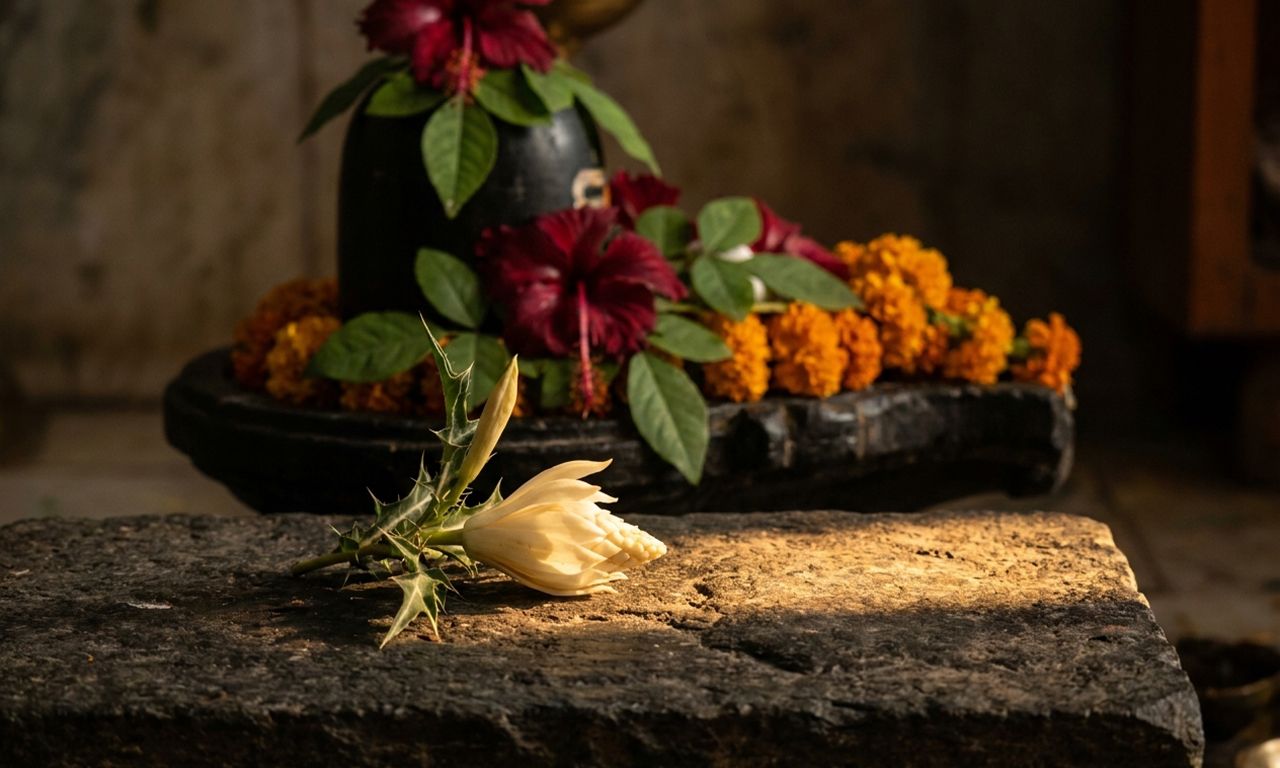
One of the most beautiful traditions of Sawan is offering water to the Shivling. Guruji teaches that Jal Abhishek is not performed because Lord Shiva requires water. The offering is made so that the devotee may surrender pride, fear, attachment and restlessness.
As the water flows over the Shivling, devotees silently pray that their own impurities may also be washed away. Every Abhishek becomes an act of inner purification.
Why Is Rudrabhishek So Important During Sawan?
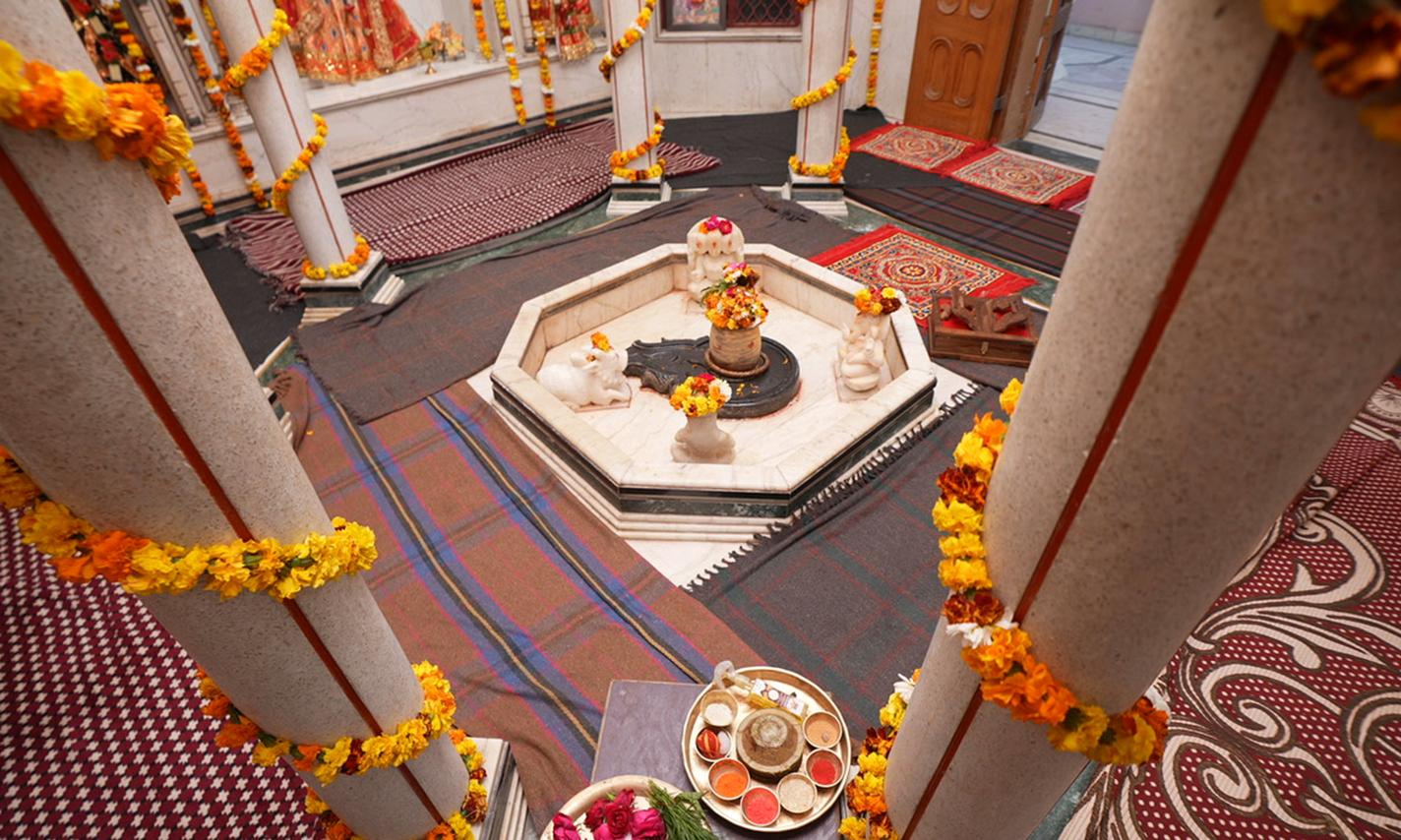
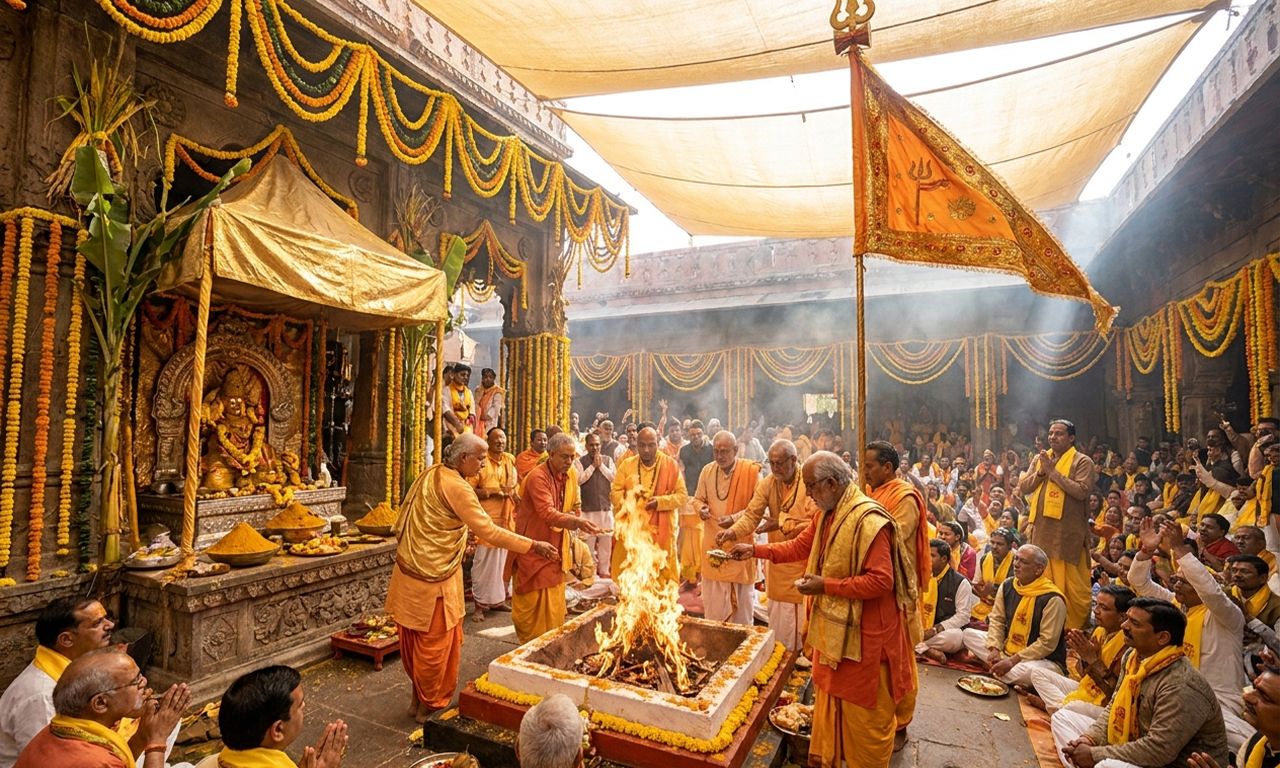
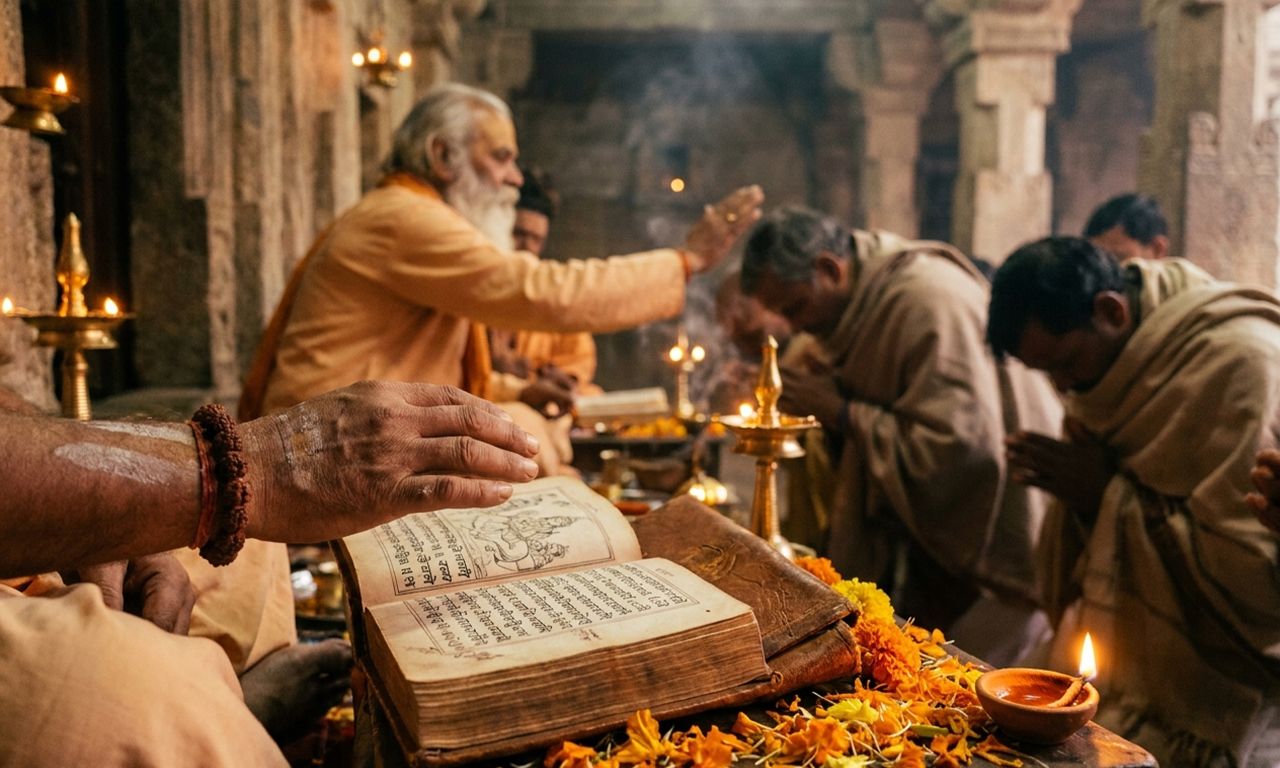
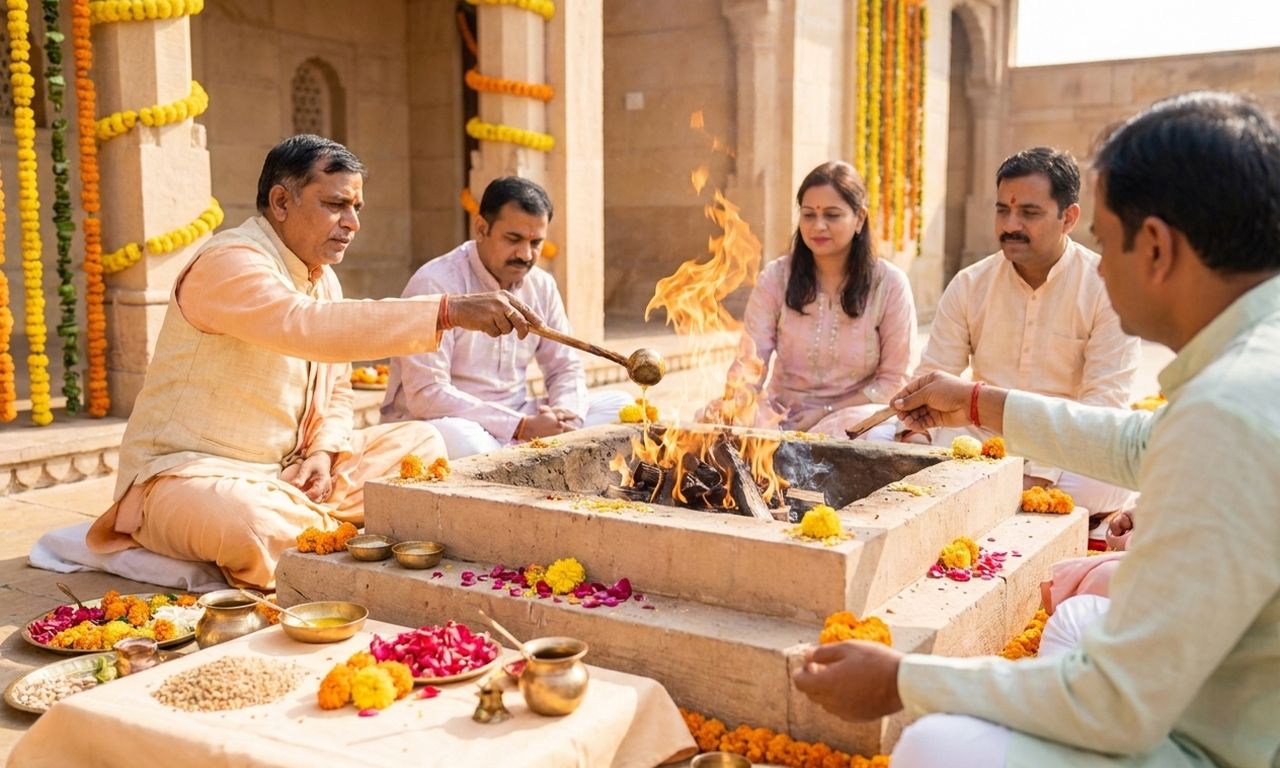
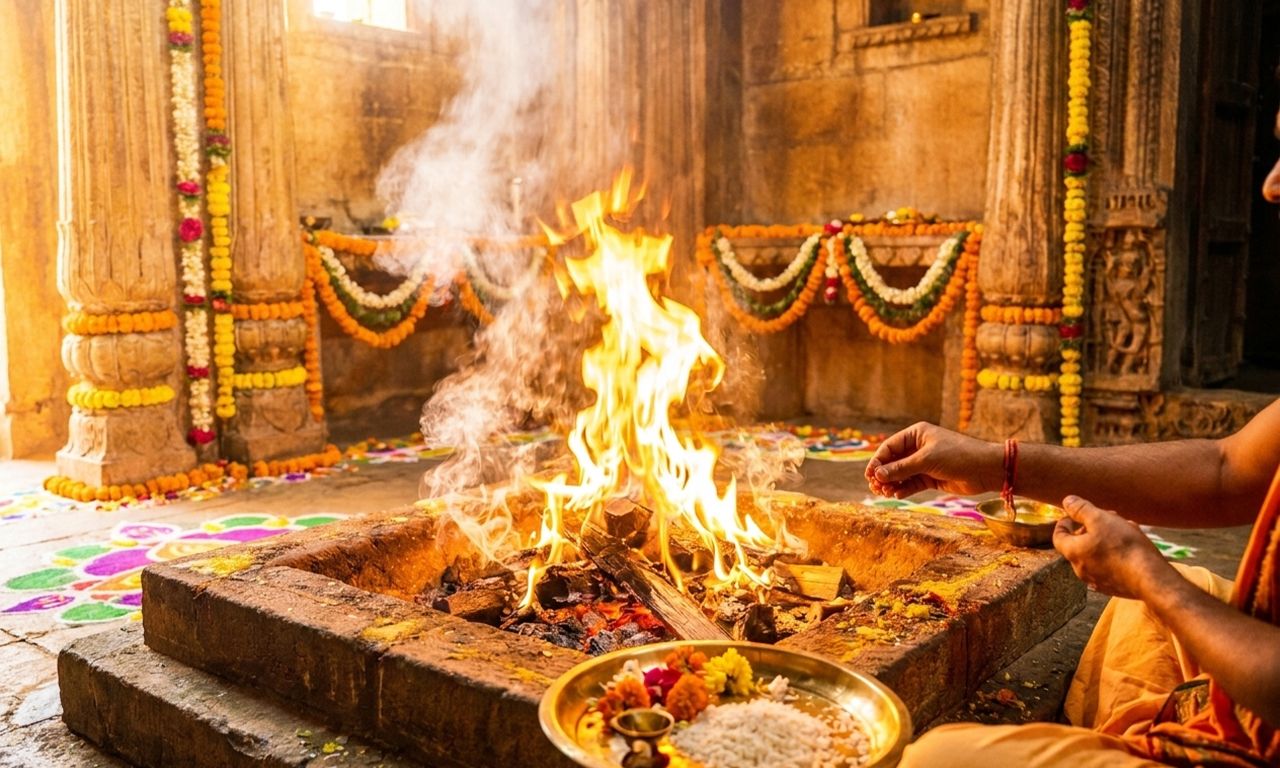
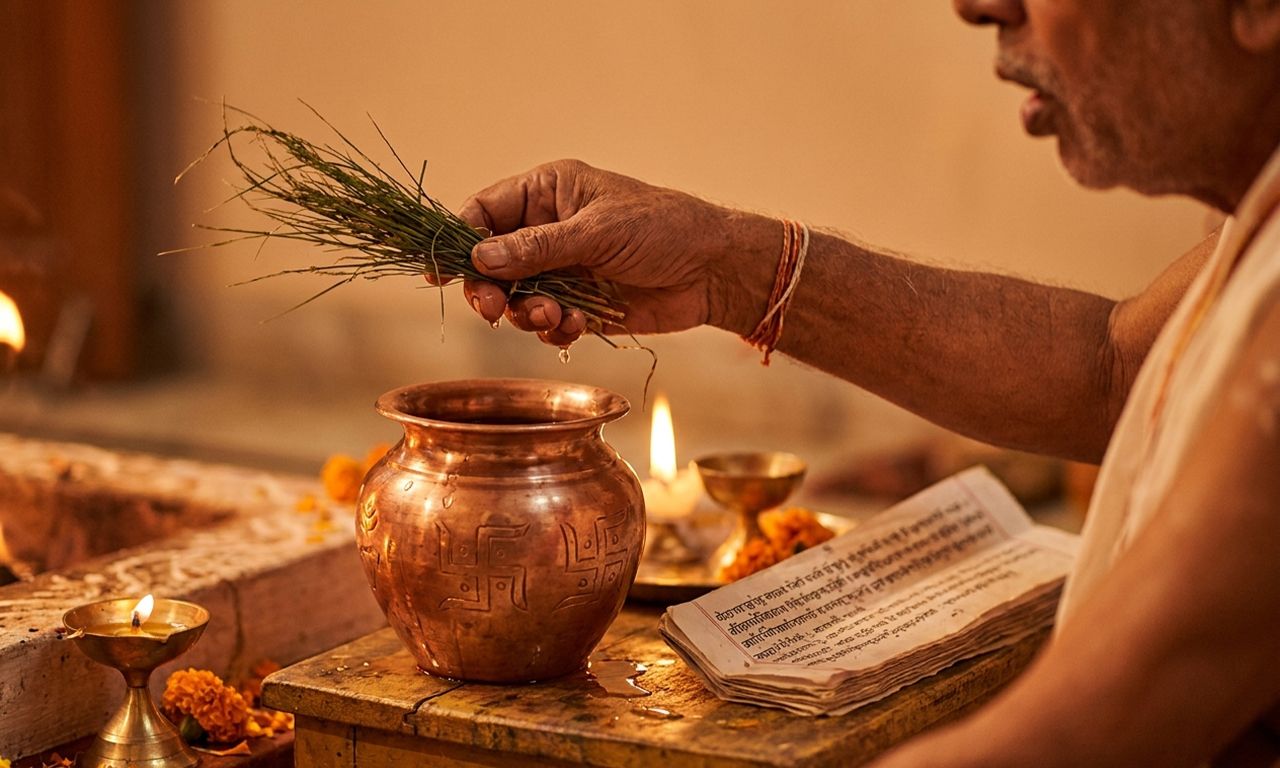
Among all Shiva rituals, Rudrabhishek occupies a place of special importance during Sawan. Learned Acharyas perform Abhishek upon the Shivling while chanting sacred Vedic mantras.
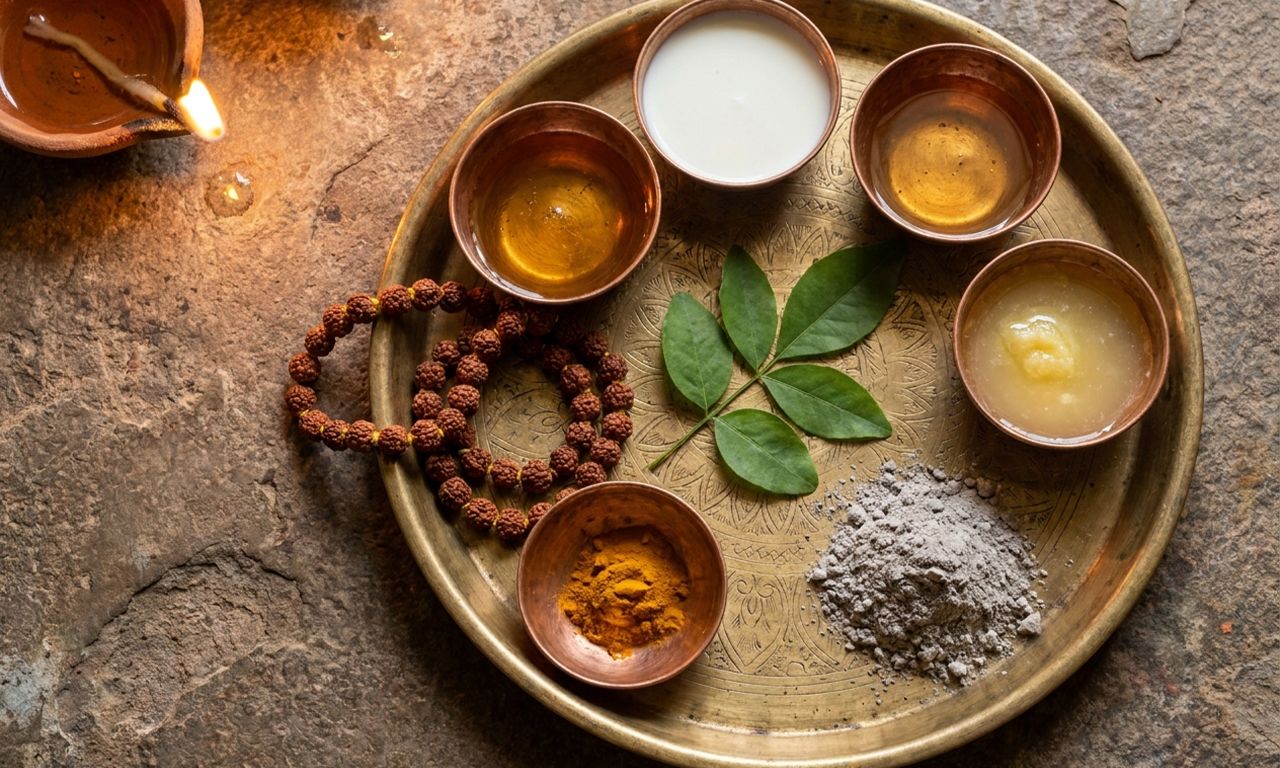
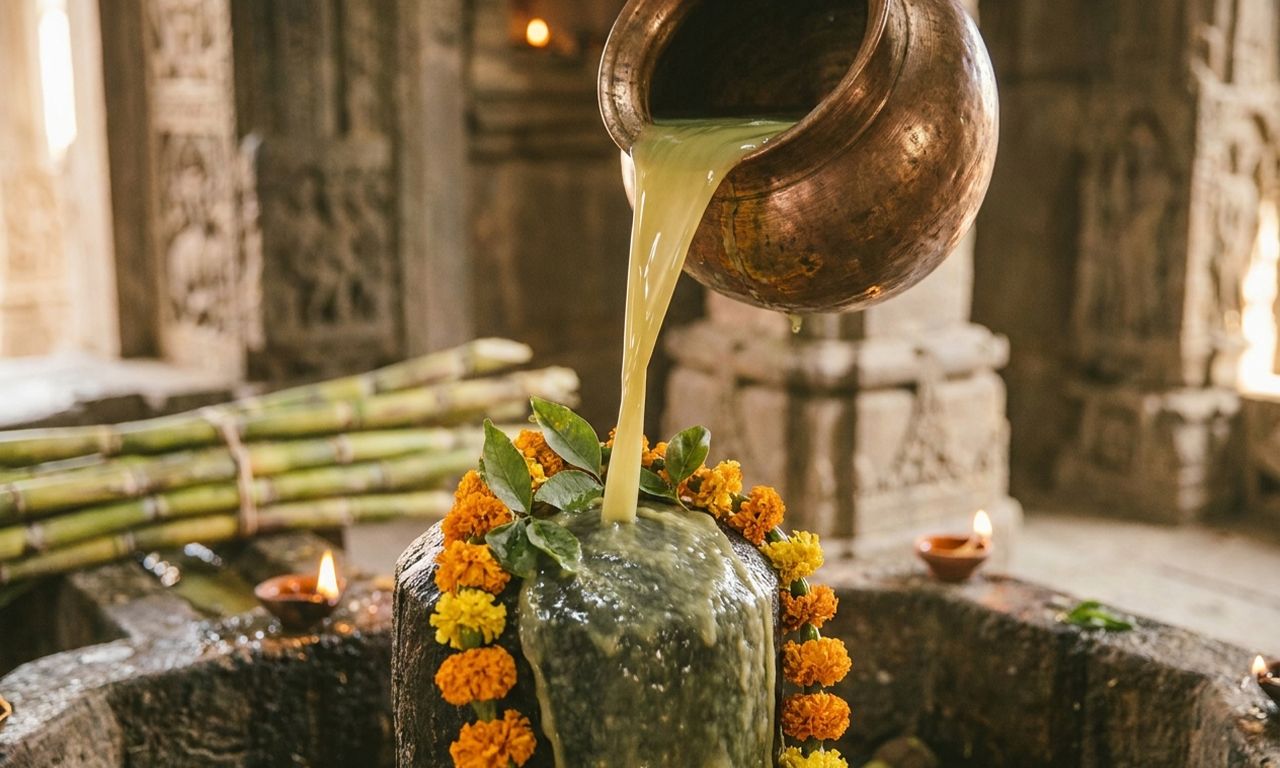
Guruji explains that Rudrabhishek is much more than a ceremonial offering. It is a complete spiritual practice. The Yajman offers not only water, milk or Panchamrit. He offers his worries. His fears. His ego. His desires. His Sankalp. Every mantra becomes a prayer for inner transformation.
Why Do Devotees Observe Sawan Somvar?
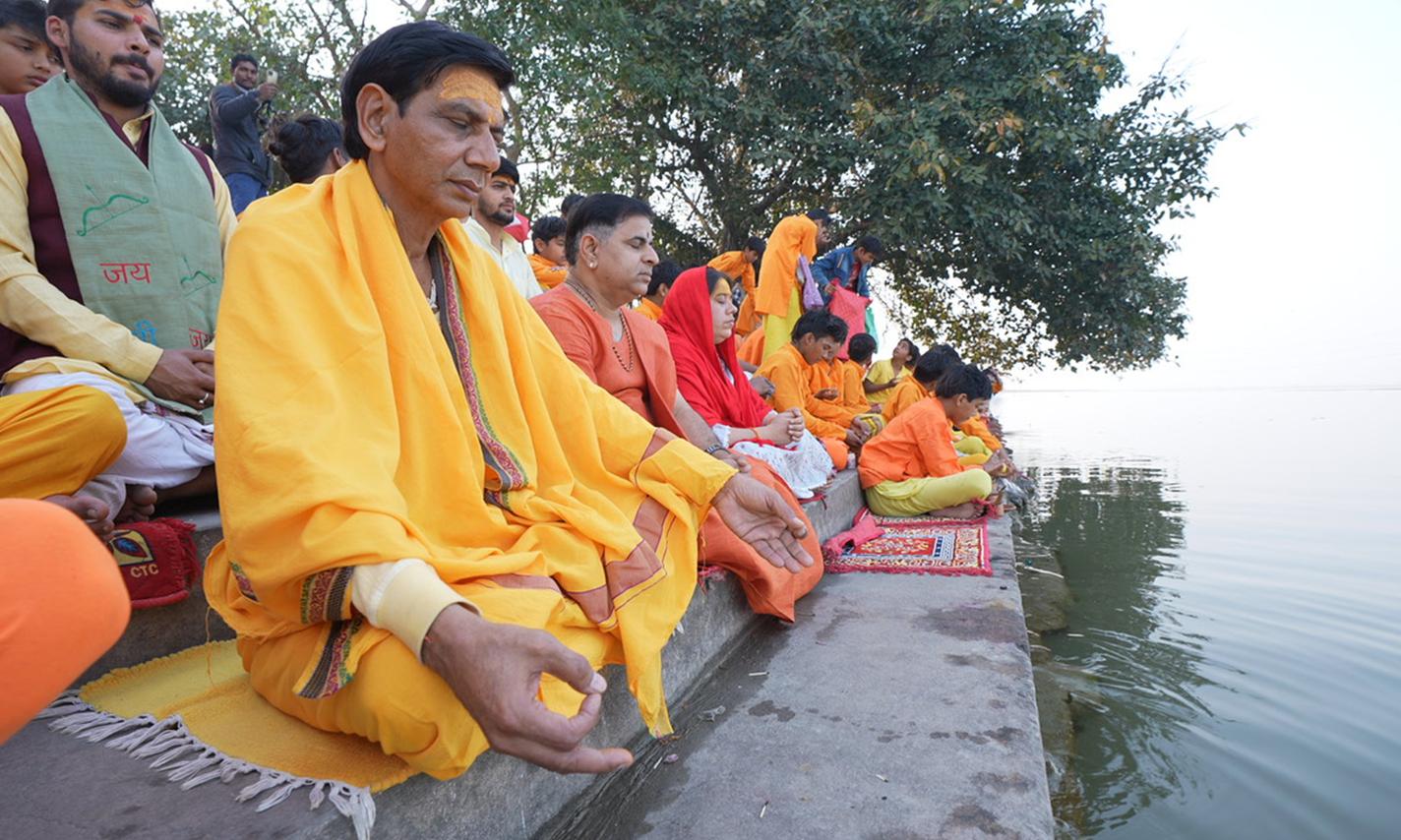
Every Monday during Sawan becomes an opportunity to strengthen spiritual discipline. Many devotees observe fasts. Many visit Shiva temples before sunrise. Many dedicate extra time to mantra chanting and meditation.
Guruji explains that the value of the Somvar Vrat does not lie merely in avoiding food. Its true purpose is to discipline the mind. A peaceful mind. Gentle speech. Compassionate actions. Steady remembrance of Mahadev. These are the real fruits of Sawan Somvar.
How Should a Devotee Spend the Month of Sawan?
Guruji encourages devotees to make Sawan a month of conscious spiritual growth. Offer Jal Abhishek whenever possible. Chant "Om Namah Shivaya" daily. Read or listen to Shiv Katha. Spend time in Shiv Chintan. Observe Somvar with sincerity according to your circumstances. Perform acts of kindness. Control anger and harsh speech. Pray not only for success but also for wisdom and humility.
When these habits become part of daily life, Sawan fulfils its true purpose.
Can Working Professionals Observe Sawan?
Guruji reminds devotees that Mahadev never expects impossible discipline. Even those with demanding schedules can participate meaningfully.
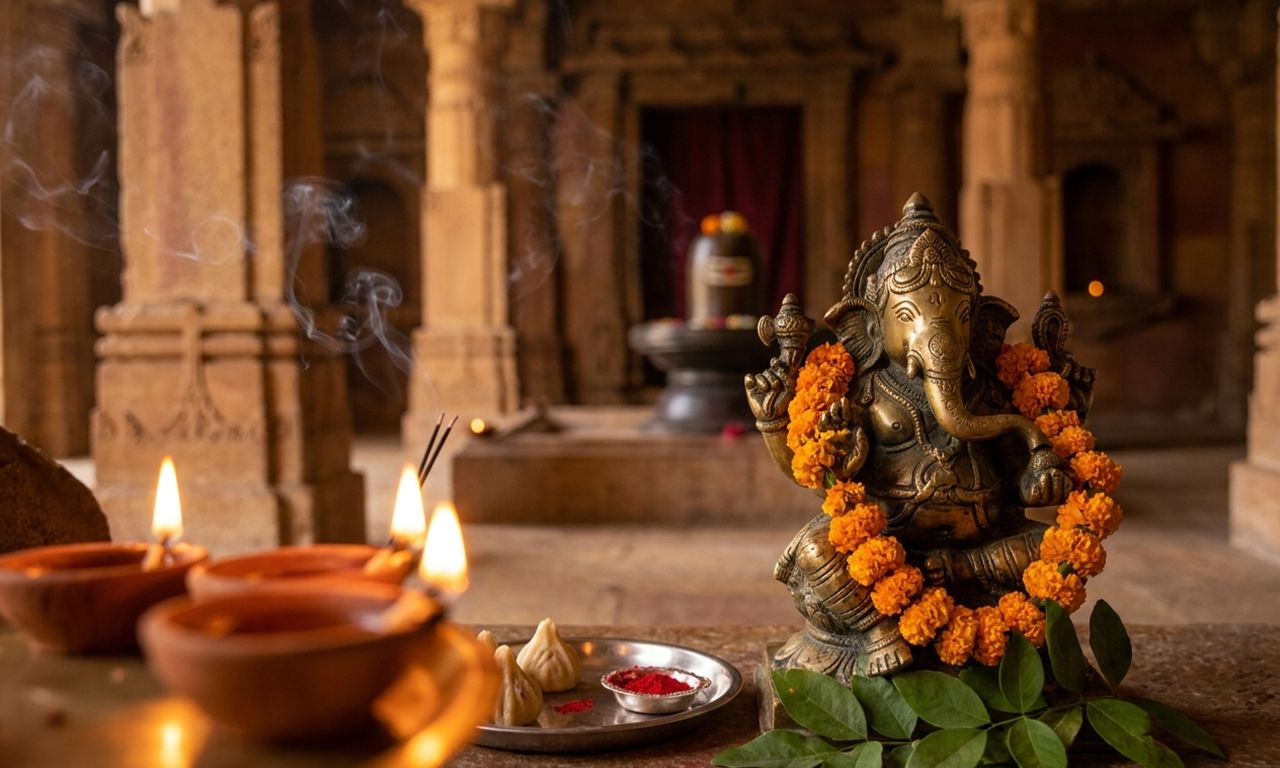
Wake up a little earlier. Offer water to the Shivling. Light a Diya. Chant a few mantras. Spend five quiet minutes remembering Mahadev before beginning the day. Small acts performed consistently create lasting spiritual change.
The Greatest Mistake During Sawan
Guruji cautions devotees against reducing Sawan to a seasonal religious event. Do not worship only because everyone else is doing so. Do not measure devotion by the number of temple visits. Do not compare your rituals with others. Do not allow Sawan to end while leaving your spiritual life unchanged.
If devotion disappears after the month concludes, the deeper purpose of Sawan has been missed. The disciplines learned during Sawan should continue throughout the year.
Living the Spirit of Sawan Every Day
Guruji teaches that Sawan is not merely thirty days on the calendar. It is a reminder of how life should be lived. Every morning with gratitude. Every action with humility. Every difficulty with faith. Every success with surrender.
When these qualities remain after Sawan ends, Mahadev continues to live within the heart of the devotee.
The Narwar Dham Tradition
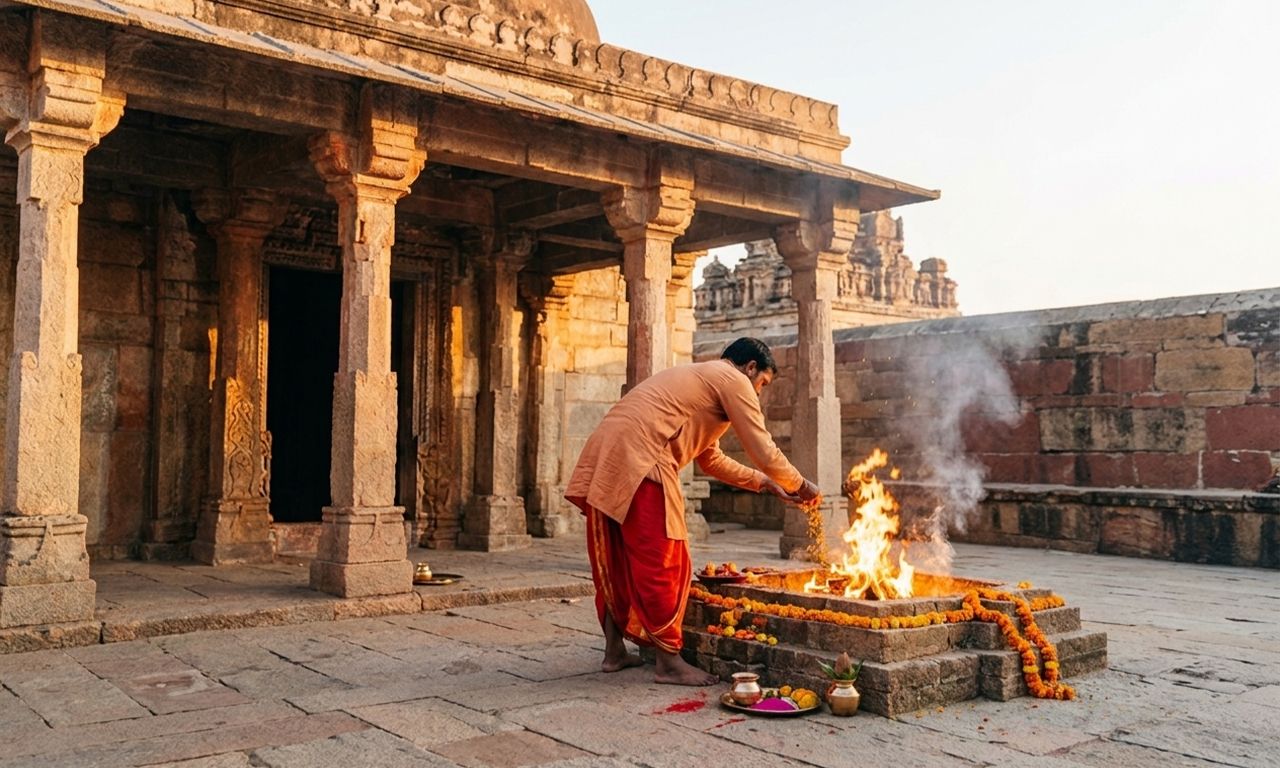
For more than 120 years, the Narwar Dham Guru Parampara has preserved the authentic traditions of Shiva worship during Sawan through Vedic rituals, Rudrabhishek, mantra chanting and disciplined spiritual practice.
Every Sankalp offered during Sawan is treated with the utmost reverence. Every Rudrabhishek is performed according to established Vedic tradition. Every mantra is chanted with devotion, precision and faith.
The emphasis has always remained the same. Not merely performing rituals. But transforming the devotee through authentic worship.
Frequently Asked Questions
Why is Sawan considered the most sacred month for Lord Shiva?
Sawan inspires millions of devotees to increase prayer, fasting, Rudrabhishek and Shiv Puja. Guruji teaches that its greatness lies in encouraging deeper devotion and spiritual discipline.
Does Lord Shiva grant more blessings during Sawan?
Lord Shiva's grace is constant throughout the year. During Sawan, devotees increase their spiritual efforts, making the month especially meaningful.
What should I do during Sawan?
Offer Jal Abhishek, chant "Om Namah Shivaya," observe Somvar Vrat according to your ability, participate in Rudrabhishek, listen to Shiv Katha and spend time in Shiv Chintan.
Is Rudrabhishek important during Sawan?
Yes. Rudrabhishek is regarded as one of the most sacred forms of Shiva worship during Sawan, especially when performed according to authentic Vedic tradition.
Can I observe Sawan if I have a busy schedule?
Yes. Guruji encourages devotees to perform simple daily worship with sincerity. Even a few minutes of heartfelt prayer every day can make Sawan spiritually meaningful.
From Faith to Sadhana
Reading about Sawan is the first step. Living it through authentic worship is the next.
This Sawan, offer your Sankalp and become a part of the Sawan Maha Rudrabhishek performed by learned Acharyas of the 120-year-old Narwar Dham Guru Parampara. Your name and gotra are included in the Vedic Sankalp, and the complete Rudrabhishek is performed with sacred mantras, devotion and scriptural precision on your behalf.
Offer your Sankalp today and let this Sawan become a journey of faith, devotion and inner transformation with the blessings of Mahadev.