Why Ketaki Pushp Is Banned from Shiva Puja - SiddhiStar Narwar Dham Parampara
Shastric Stories

Why Ketaki Pushp Is Banned from Shiva Puja - and What It Teaches About Truth

S

By SiddhiStar | Narwar Dham Parampara

15 May 2026 • 5 min read

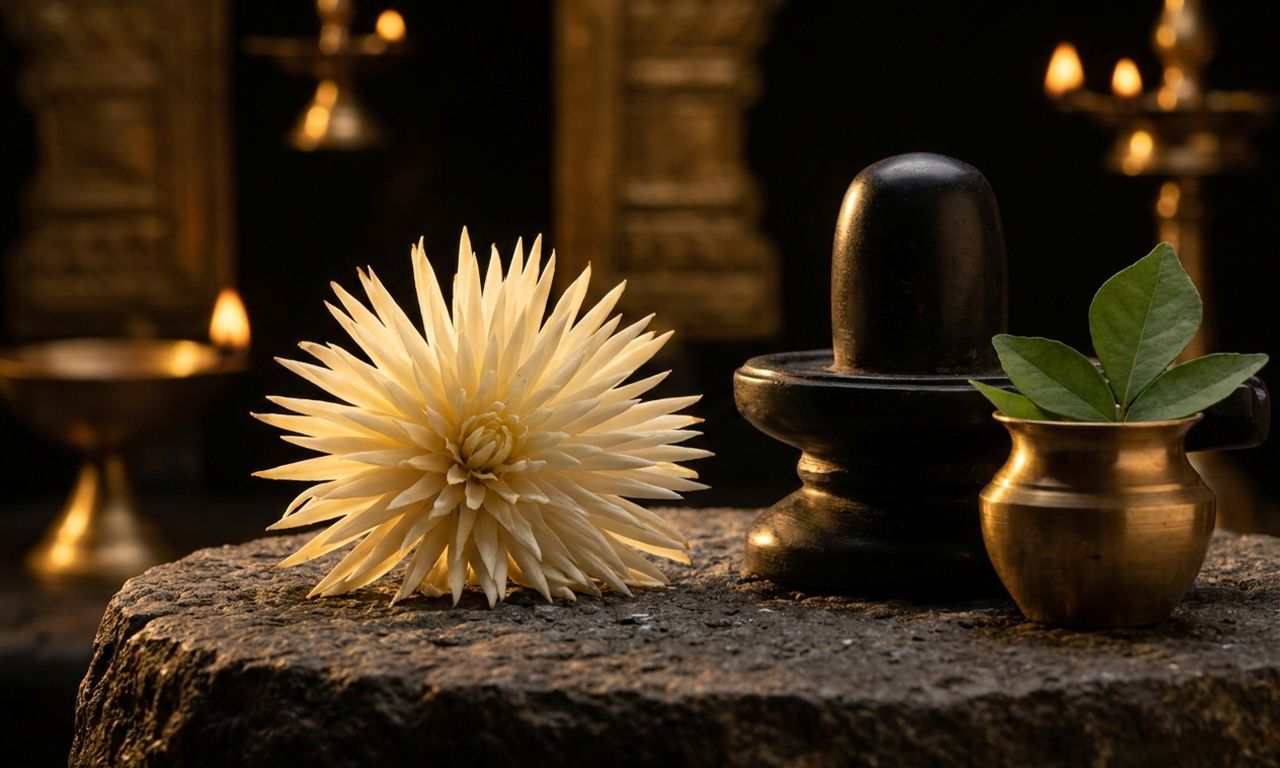
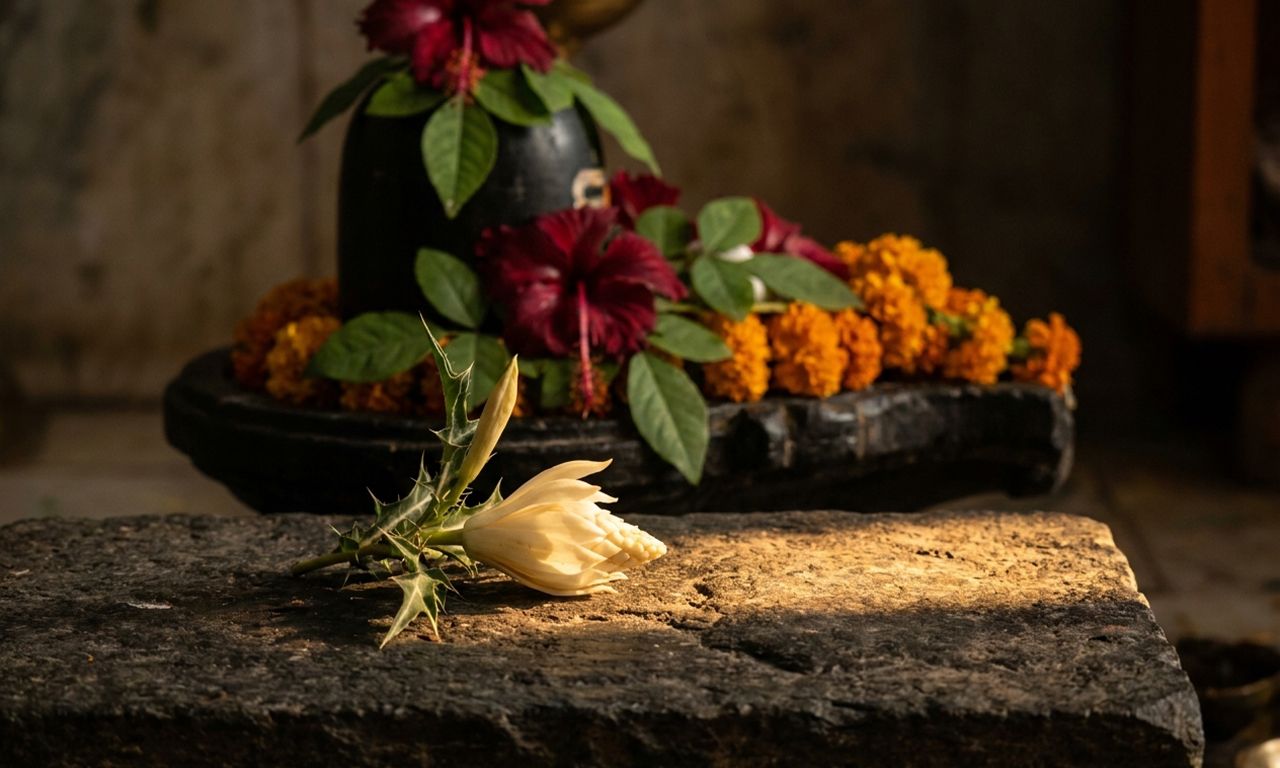
The ketaki flower is one of the most beautifully fragrant flowers in India. It is offered in worship of many deities. It is forbidden in the worship of Shiva. The shiv puran records why - and the story is one of the most-told in any mahashivratri puja.

This article is a companion to the original Mahashivratri Article 8 (which tells the story in full from a different angle). Where the original focuses on what the story means for the flower, this one focuses on what it teaches about truth as the ground of any ritual.

The Story in Brief

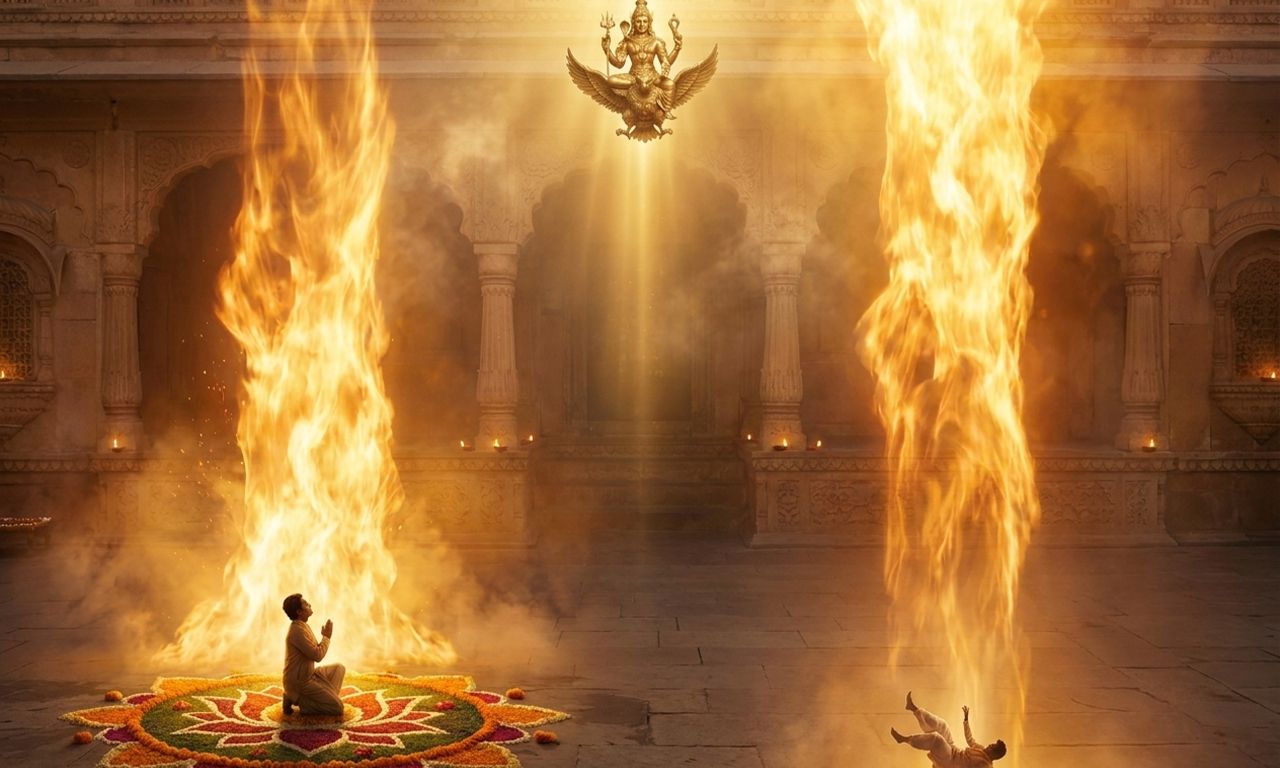
Brahma was searching for the top of the Agni Stambha (column of fire) that had appeared between him and Vishnu. A Ketaki flower was falling from above. Brahma asked it to lie - to tell Vishnu that Brahma had found the top. The flower agreed.

When the lie was revealed, Brahma was punished (no temples, see Mahashivratri Article 9 for the Brahma side of the story). The Ketaki flower was punished too: never to be offered to Shiva again. (See the original Mahashivratri Article 8 for the flower-side framing.)

What This Story Specifically Teaches About Ritual

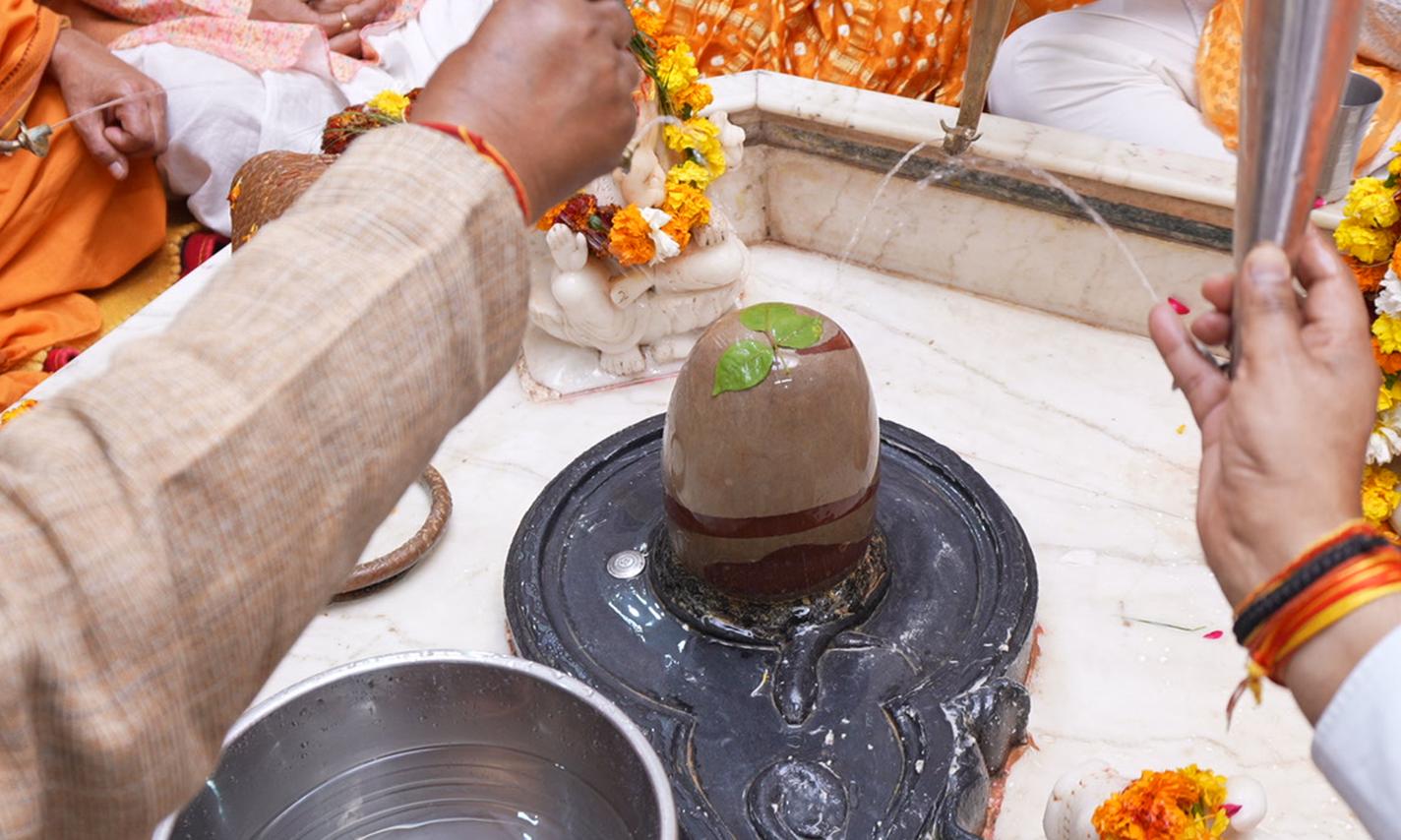
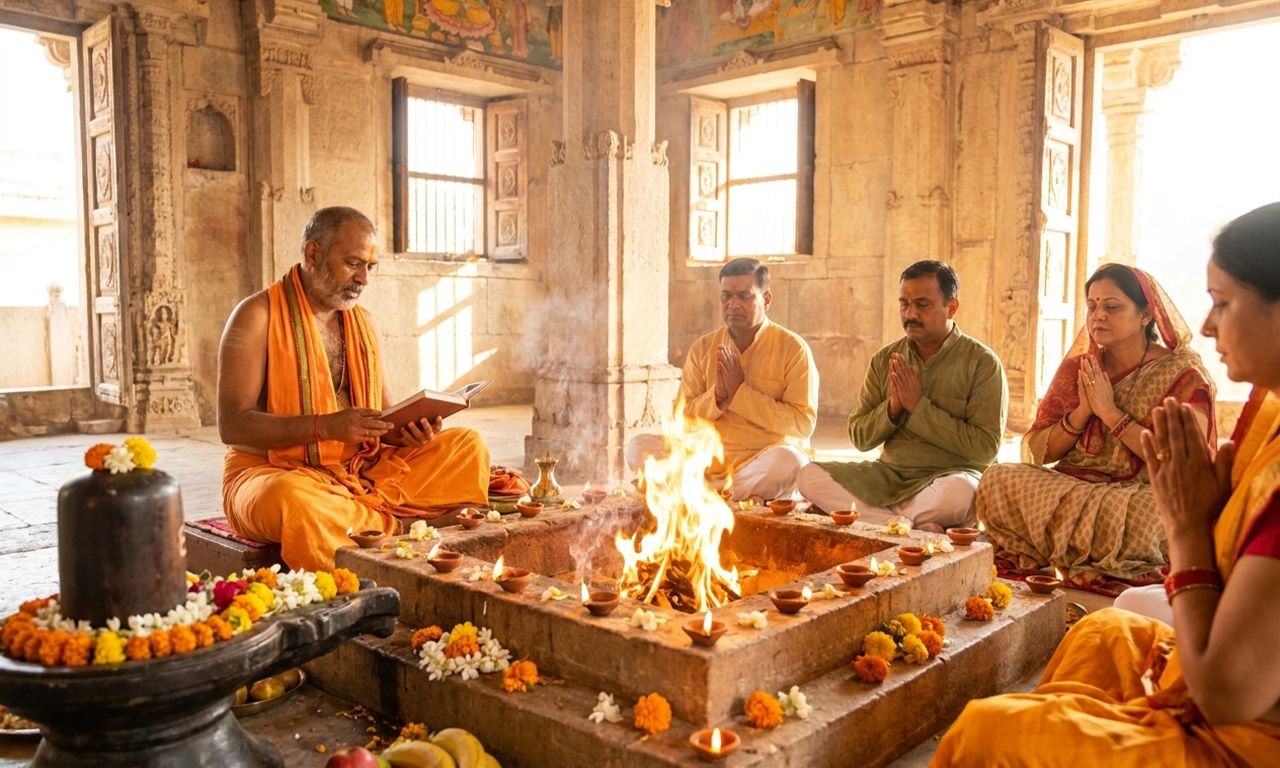
A rudra abhishek puja is built on truth. The Sankalp is meant to be honest. The kamna is meant to be the actual prayer, not a formality. The pandit's recitation is meant to be precise, not approximate. The materials are meant to be what the tradition specifies, not substitutes that look the same.

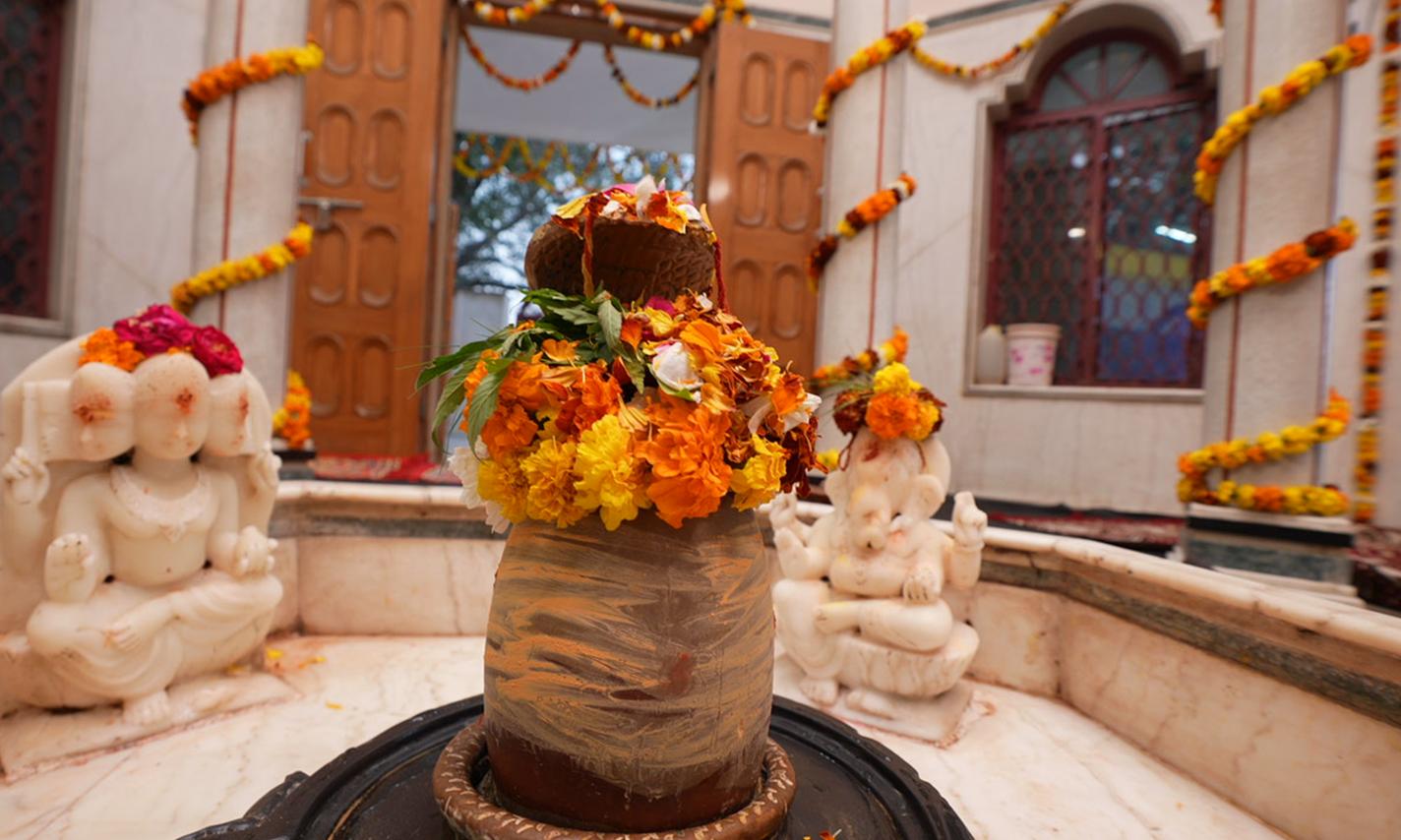
The Ketaki flower is excluded not because it is intrinsically bad. The flower is exquisite. The exclusion is because, in this one case, the flower agreed to dishonest testimony. That single act of compromise, in the context of a puja, is enough to remove the flower from the ritual permanently.

This is what the shiv puran is establishing: ritual is not theatrical. It cannot accommodate falsehood at any point in its construction. Even the materials must be truthful.

What This Means When You Approach a Puja

When you write your Sankalpa Vakya (see Article 43), be honest. When you state your gotra (Article 41), state the actual one or use Kashyap as the acknowledged default - do not invent. When you state your kamna, state what you actually want, not what sounds spiritually appropriate.

The Ketaki flower's example is the example for every devotee: any single moment of dishonesty inside a ritual undermines the ritual itself. Conversely, complete honesty inside a ritual - even when what is being honestly stated is messy or imperfect - is what allows the ritual to do its full work.

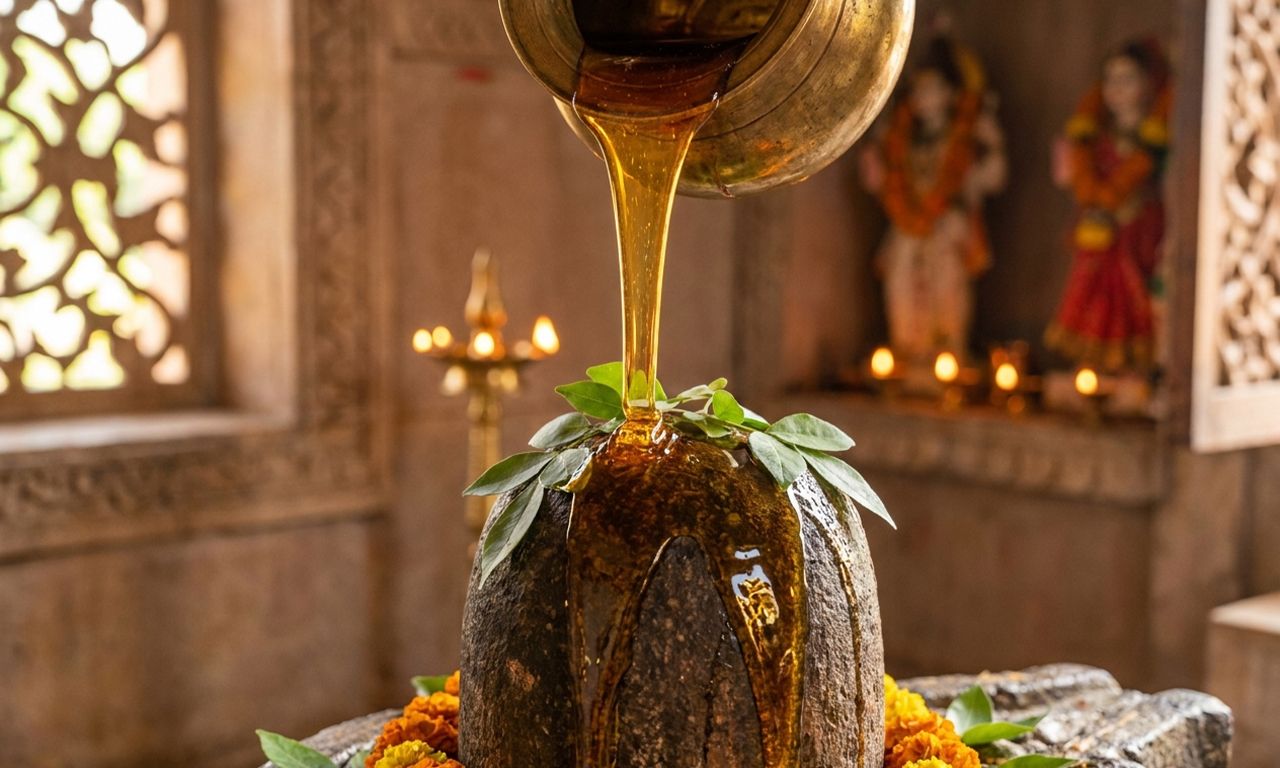
This is also why bel patra is the most beloved offering. The bel tree, in the tradition's framing, has never compromised. Its leaves have always given themselves cleanly to Shiva worship.

Book a Rudrabhishek with full honest Sankalp.
Was this article helpful?

More from Gyan

SHASTRIC STORIES

Shastric Stories

Sri Rudram Namakam and Chamakam - What These Two Hymns Are Asking For


6 min readRead More
Shastric Stories

The Birth of Bhairava - What Shiva's Anger Produced and Why Bhairava Guards the Threshold


5 min readRead More
Shastric Stories

Why Brahma Has No Temples - and the One Exception the Tradition Made


4 min readRead More
Shastric Stories

The Story of Meghnad and Hanuman: When the Brahmastra Bound the Unbound


5 min readRead More
Shastric Stories

Krishna and the Covered Sun: The Full Account of Jayadratha's Killing


5 min readRead More
Shastric Stories

The Mother Who Walks Backwards - What Acharya Rajan Dixit ji Said About Divine Respect


4 min readRead More

⁠VEDIC RITUALS

⁠Vedic Rituals

The Abhishek Materials: Rudrabhishek Puja Samagri and What Each One Does


6 min readRead More
⁠Vedic Rituals

Vighnaharta Ganesh: Why Ganesha Is Worshipped Before Shiva in Every SiddhiStar Pooja


5 min readRead More
⁠Vedic Rituals

One Night of Mahashivratri Jagran vs 365 Days of Pooja - What the Shastras Actually Say


5 min readRead More
⁠Vedic Rituals

Madhu Abhishek - What the Shastras Say About Honey and the Healing of the Bitter


5 min readRead More
⁠Vedic Rituals

Ganne Ka Ras Abhishek - The Offering Made When the Prayer Is for Lakshmi


5 min readRead More
⁠Vedic Rituals

Tirth Jal Abhishek - The Offering Whose Purpose Reaches Beyond This Lifetime


5 min readRead More

ALL CATEGORIES

All Categories

Baglamukhi Jayanti Mahapuja at Narwar Dham: What Happened, What Was Said, What It Meant


12 min readRead More
All Categories

A Night at a SiddhiStar Mahashivratri Mahapuja: The Complete Account from Narwar Dham


12 min readRead More

LINEAGE & TRADITION

Lineage & Tradition

Why Narwar Dham Sits on the Banks of the Ganga - What Geography Adds to a Ceremony


5 min readRead More
Lineage & Tradition

The Sadgurudev Benediction - What the Living Lineage Adds to Every Ceremony


5 min readRead More
Lineage & Tradition

Why Sri Siddeshwari Sadhnapith Has Conducted Ceremonies Continuously - The Institutional Weight of the Place


5 min readRead More
Lineage & Tradition

Why Narwar Dham Is Where This Puja Belongs: The Geography of Maa Baglamukhi


5 min readRead More
Lineage & Tradition

Brahma's Punishment - Why the Creator Has Almost No Temples


4 min readRead More
Lineage & Tradition

Why Ketaki Flower Is Never Used in Shiva Puja - The Story and What It Teaches About Truth


4 min readRead More

PERSONAL STORIES

Personal Stories

The Devotee Who Has Tried Everything: Why You Have Arrived at the Right Place


5 min readRead More
Personal Stories

What It Feels Like to Chant the 108 Names of Baglamukhi in a Live Ceremony


4 min readRead More
Personal Stories

What Happens in the Room When the Havan Fire Is Lit at Narwar Dham


4 min readRead More

SANKALP & INTENTION

Sankalp & Intention

Sankalp Mantra in Puja: What It Means When Your Name and Gotra Are Spoken


6 min readRead More
Sankalp & Intention

Online Puja Booking from Narwar Dham - The Shastric Basis of SiddhiStar's Live Online Pooja


5 min readRead More
Sankalp & Intention

The Fourth Prahar Sankalp for Shatru Daman - What It Means to Bring This Intention Into Brahma Muhurta


5 min readRead More
Sankalp & Intention

Parajay Ko Jay: When You Have Already Lost and Need It Reversed


4 min readRead More
Sankalp & Intention

How Distance Does Not Diminish Devotion - The Shastric Basis of SiddhiStar's Online Pooja


5 min readRead More
Sankalp & Intention

The Four Coordinates of a Sankalp - Why Kaal, Desh, Naam, and Gotra Are Each Non-Negotiable


6 min readRead More