What Does Lord Shiva Truly Want From a Devotee?
By SiddhiStar | Narwar Dham Parampara
21 July 2026 • 6 min read
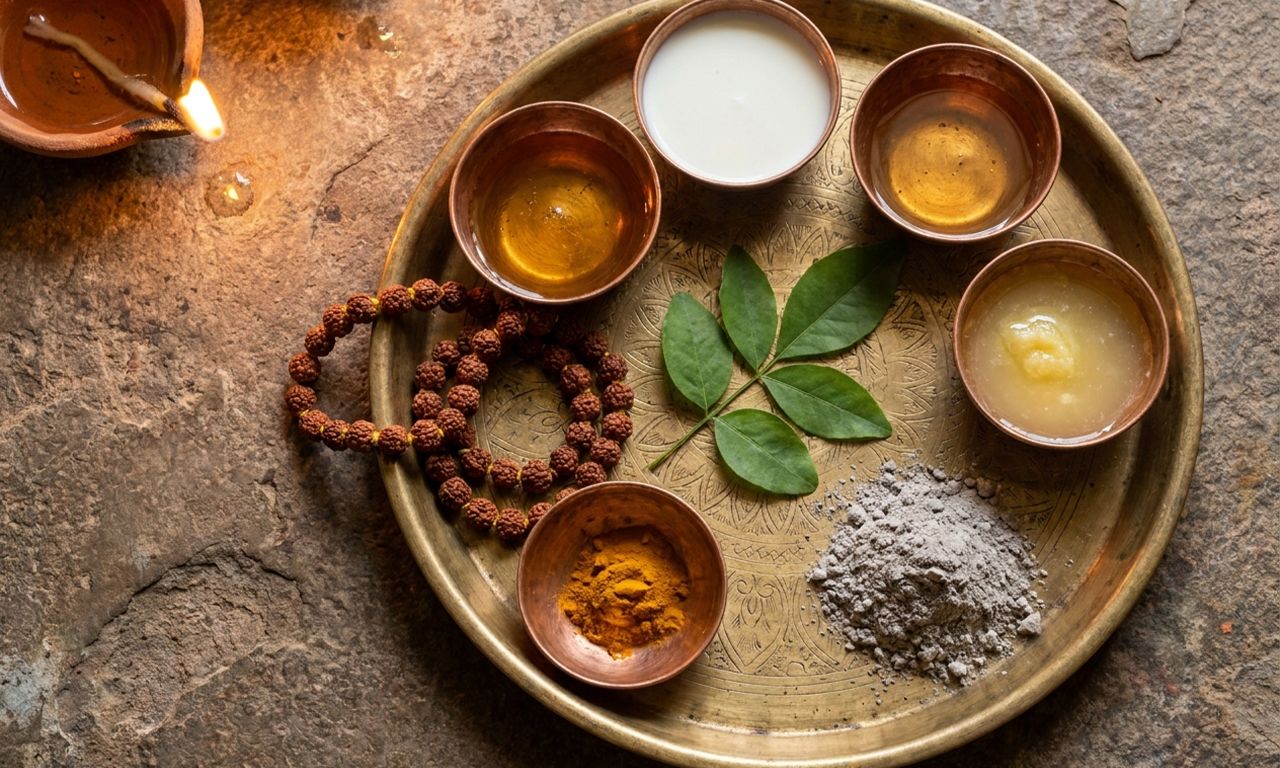
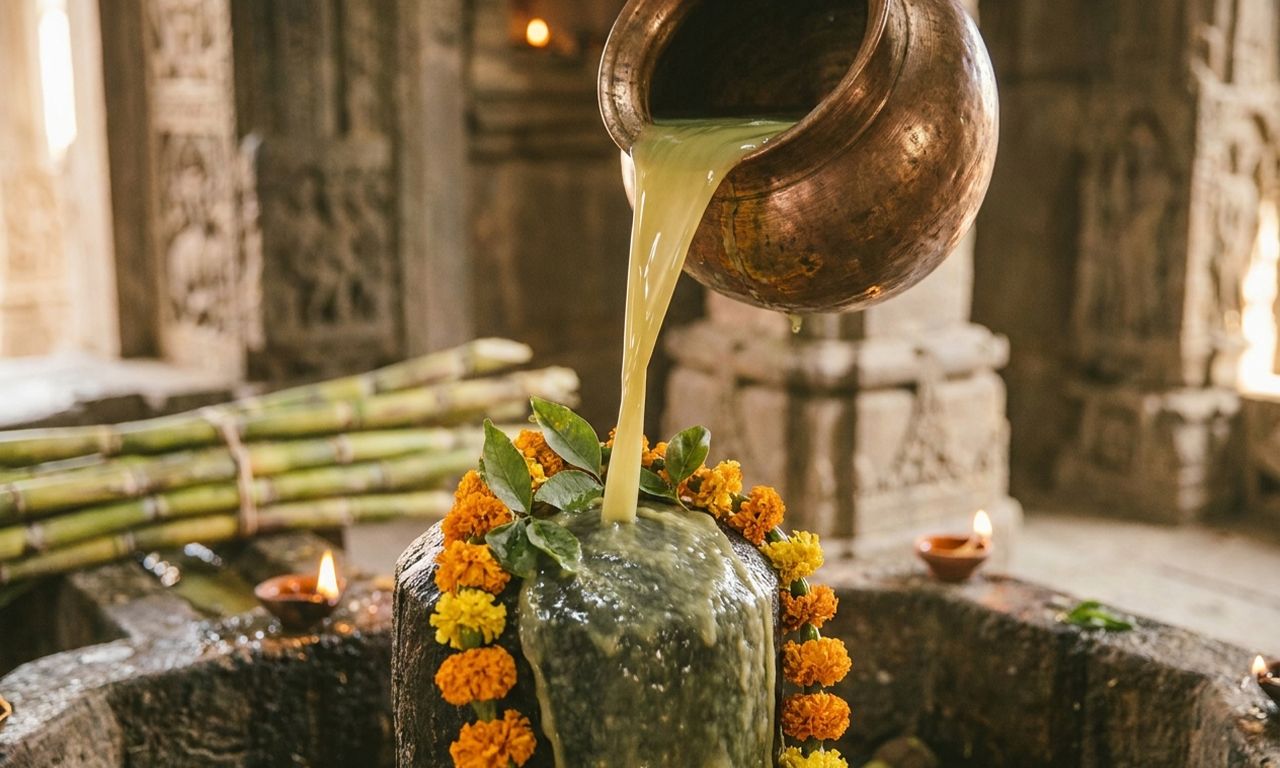
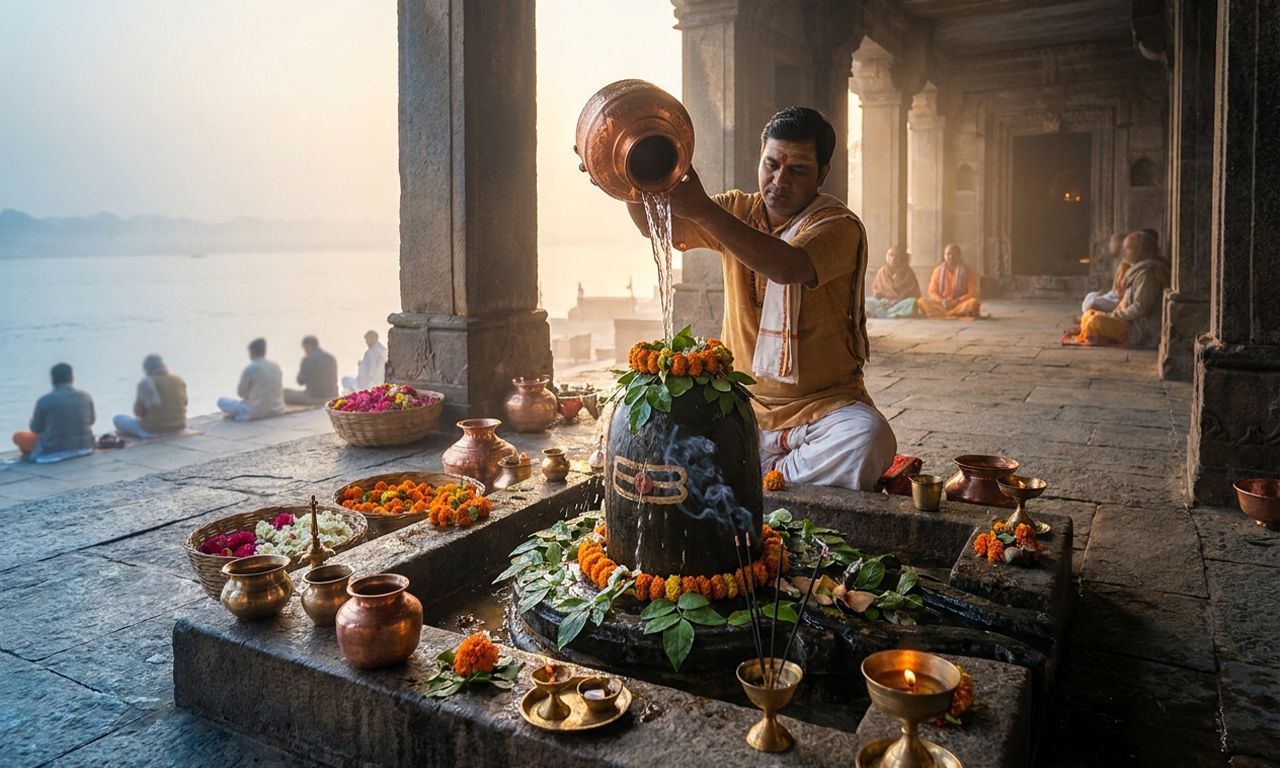
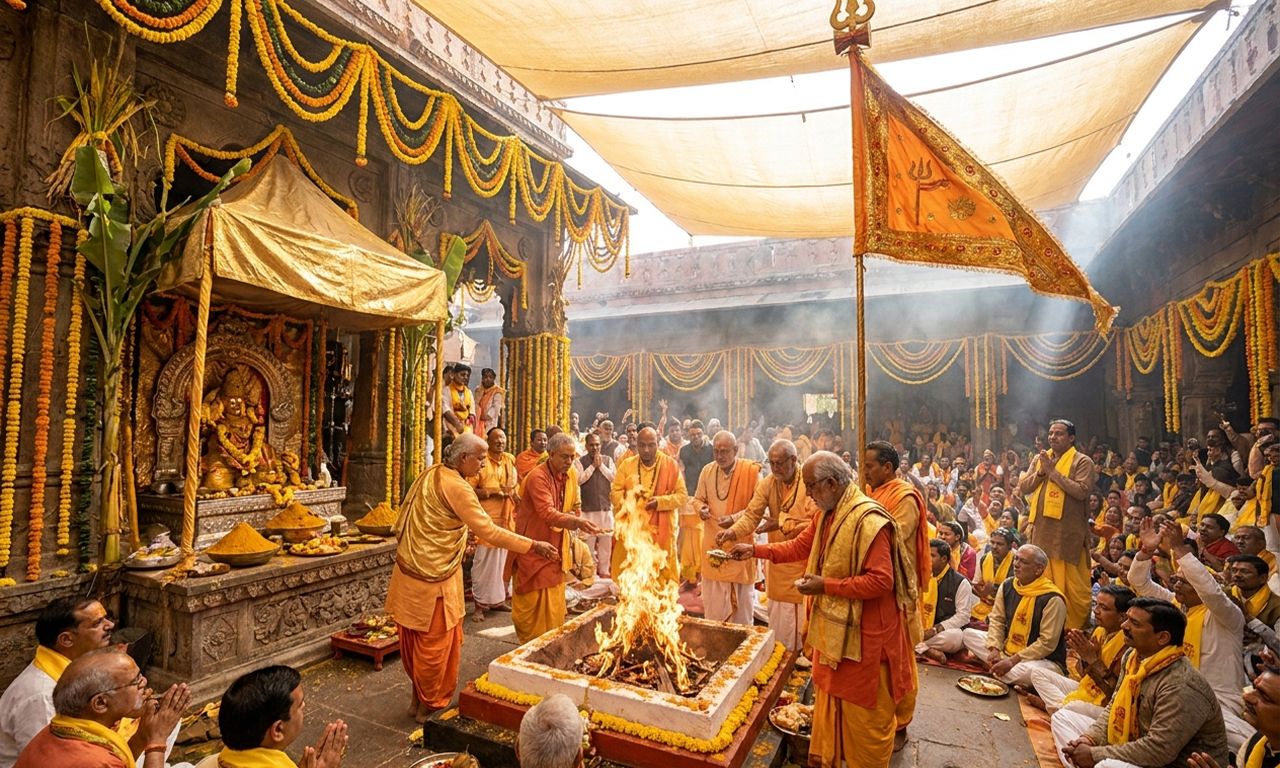
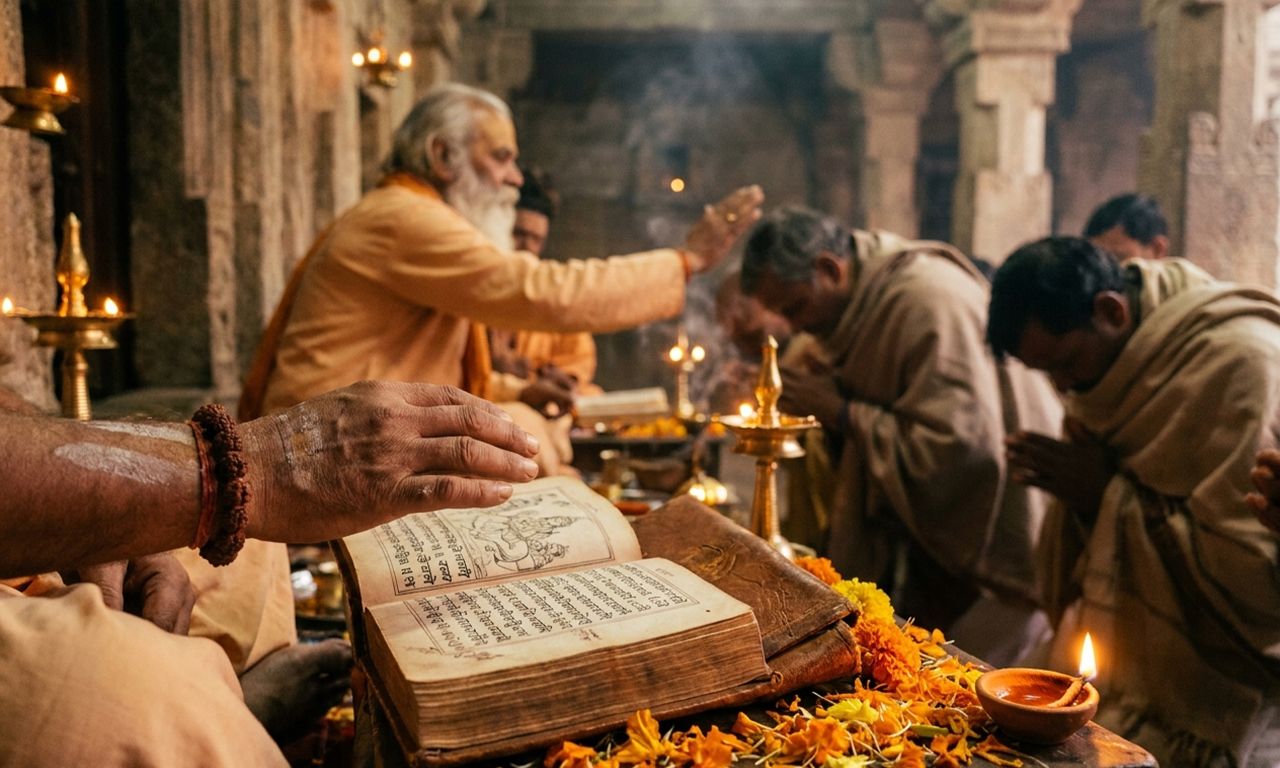
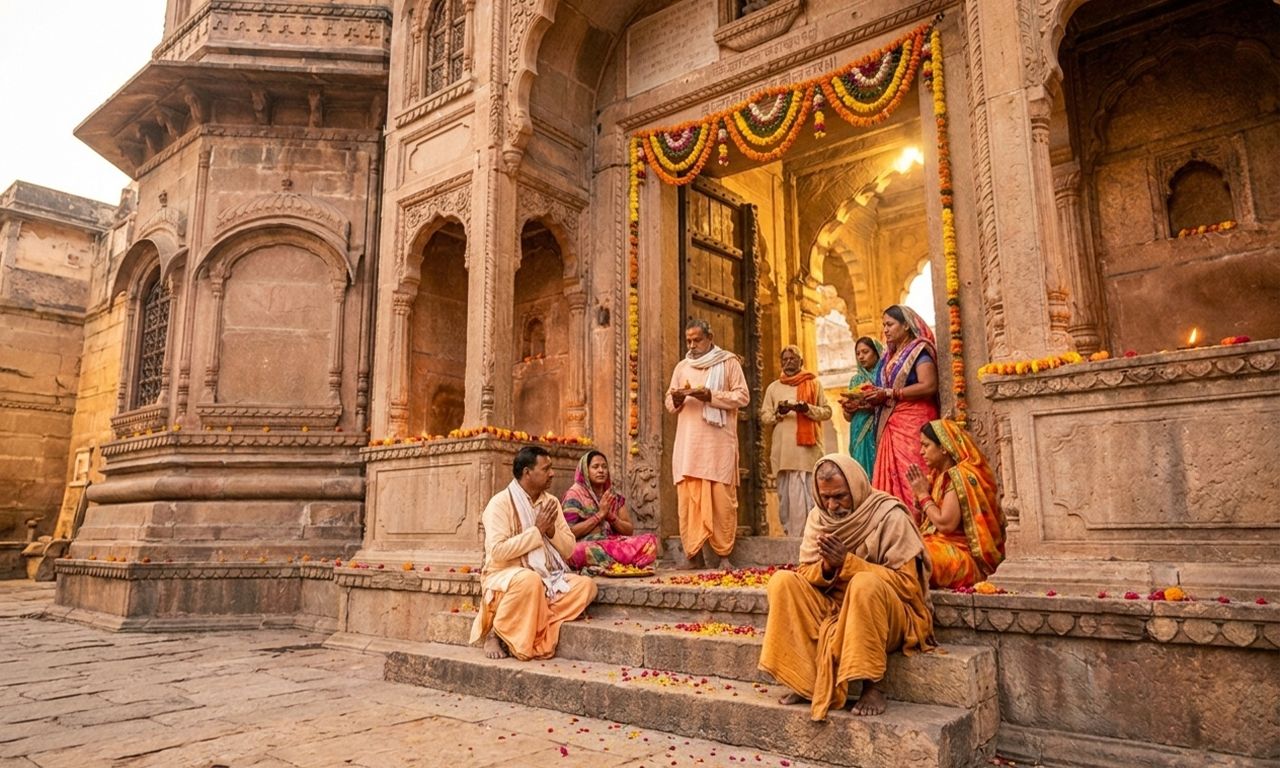
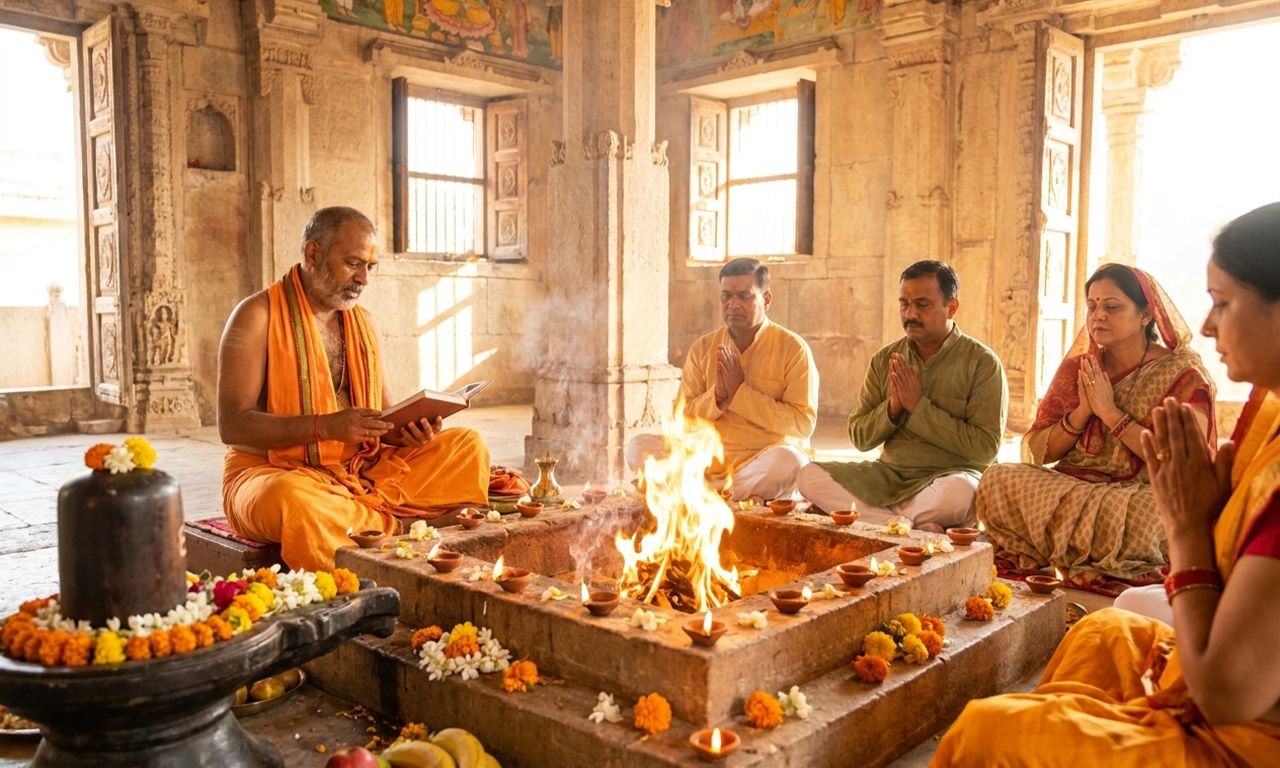
Every day, millions of devotees offer water, milk, Bilva Patra, flowers, fruits and sacred mantras to Lord Shiva. Some visit temples every Monday. Some observe Sawan fasts. Some perform Rudrabhishek. Some chant "Om Namah Shivaya" thousands of times. All these acts are beautiful expressions of devotion.
Yet every sincere devotee should pause and ask one question. If Lord Shiva is the Lord of the Universe, what can we possibly offer Him that He does not already possess? Can the One who created the rivers need our water? Can the Lord who is the source of all abundance require our offerings? If not, then... What does Lord Shiva truly seek from us?
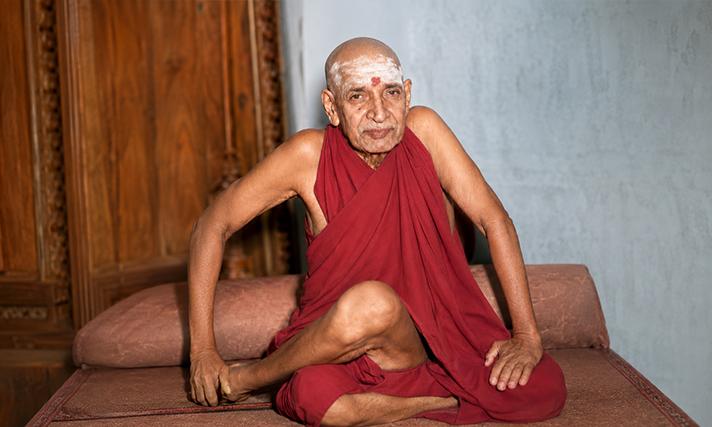
Param Pujya Mahesh Prakash Sharma Ji teaches that Mahadev never measures devotion by the value of what is offered. He looks at the heart of the devotee. The real offering is not found in our hands. It is found within our hearts.
Guruji explains that every ritual in Sanatan Dharma has an outer form and an inner purpose. The outer ritual helps discipline the body. The inner offering transforms the heart. When both come together, worship becomes complete. When only the outer form remains, Puja slowly becomes a routine instead of a spiritual experience.
Why Do We Offer Anything to Lord Shiva?
Many devotees believe that offerings are made because Lord Shiva requires them. Guruji teaches otherwise. Mahadev is complete. He lacks nothing. The offering is never meant to fulfil God’s need. It is meant to transform the devotee.
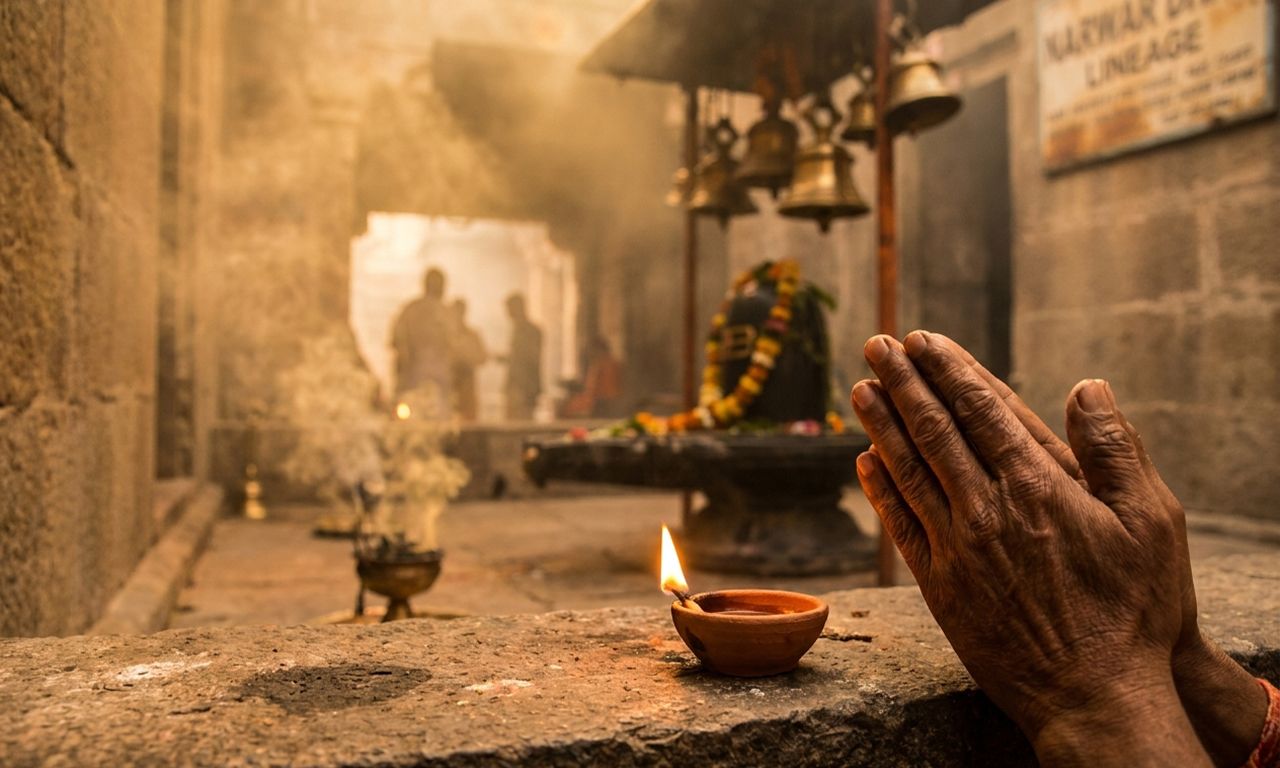
Every time we bow before the Shivling, we are learning humility. Every time we fold our hands, we reduce our ego. Every time we pray sincerely, we remember that there is a higher power guiding our lives. The offering changes us. Not Mahadev.
Every Offering Has a Deeper Meaning
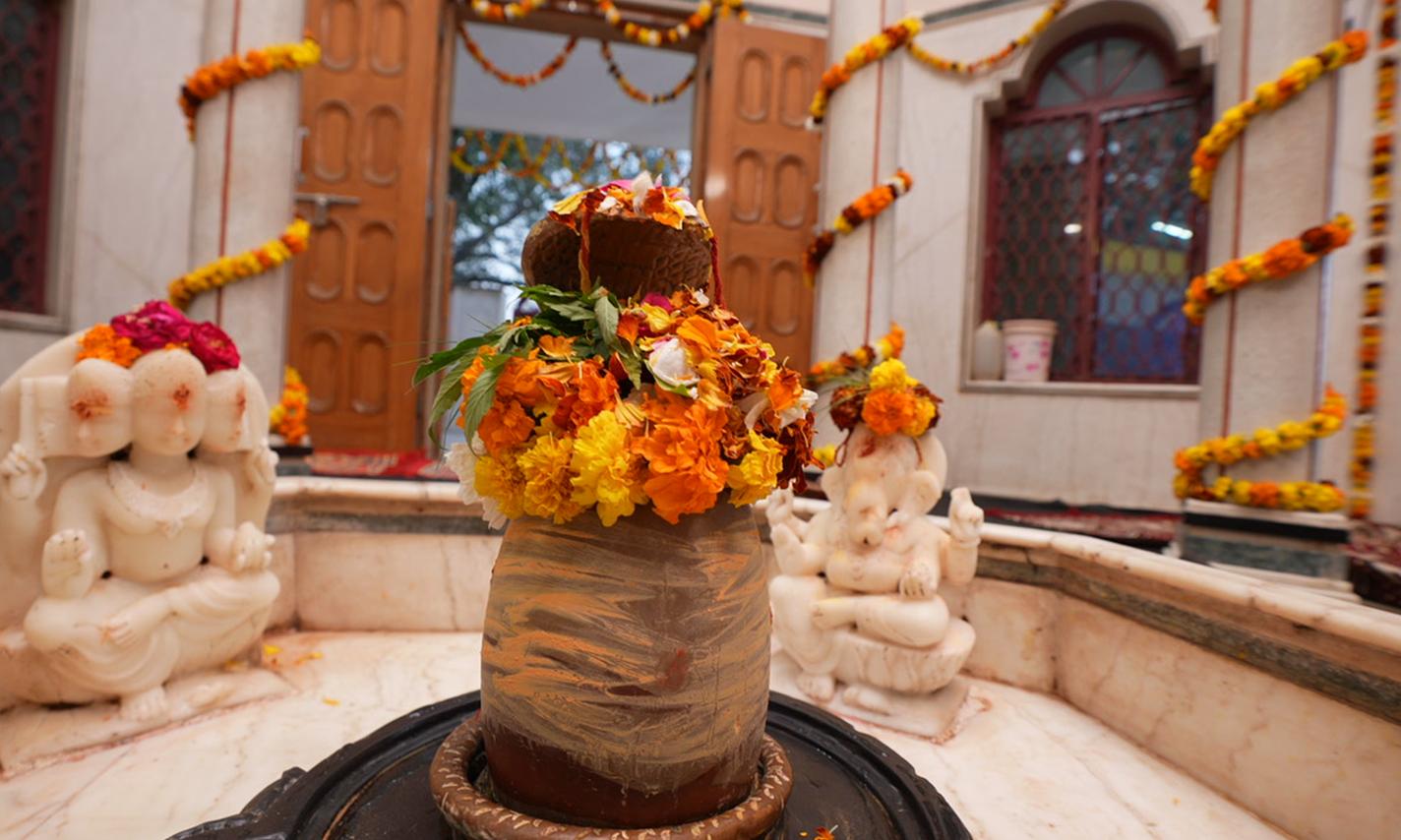
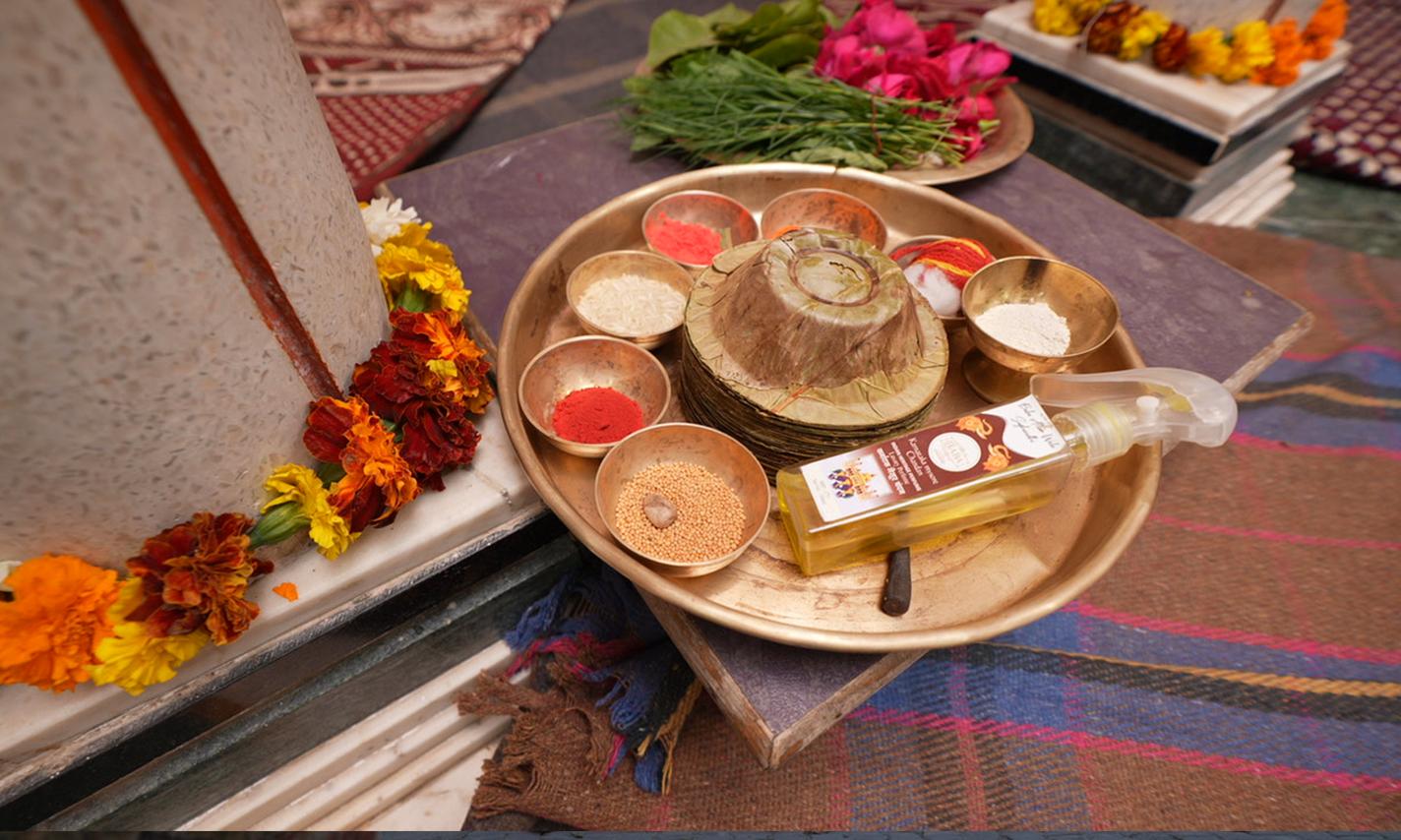
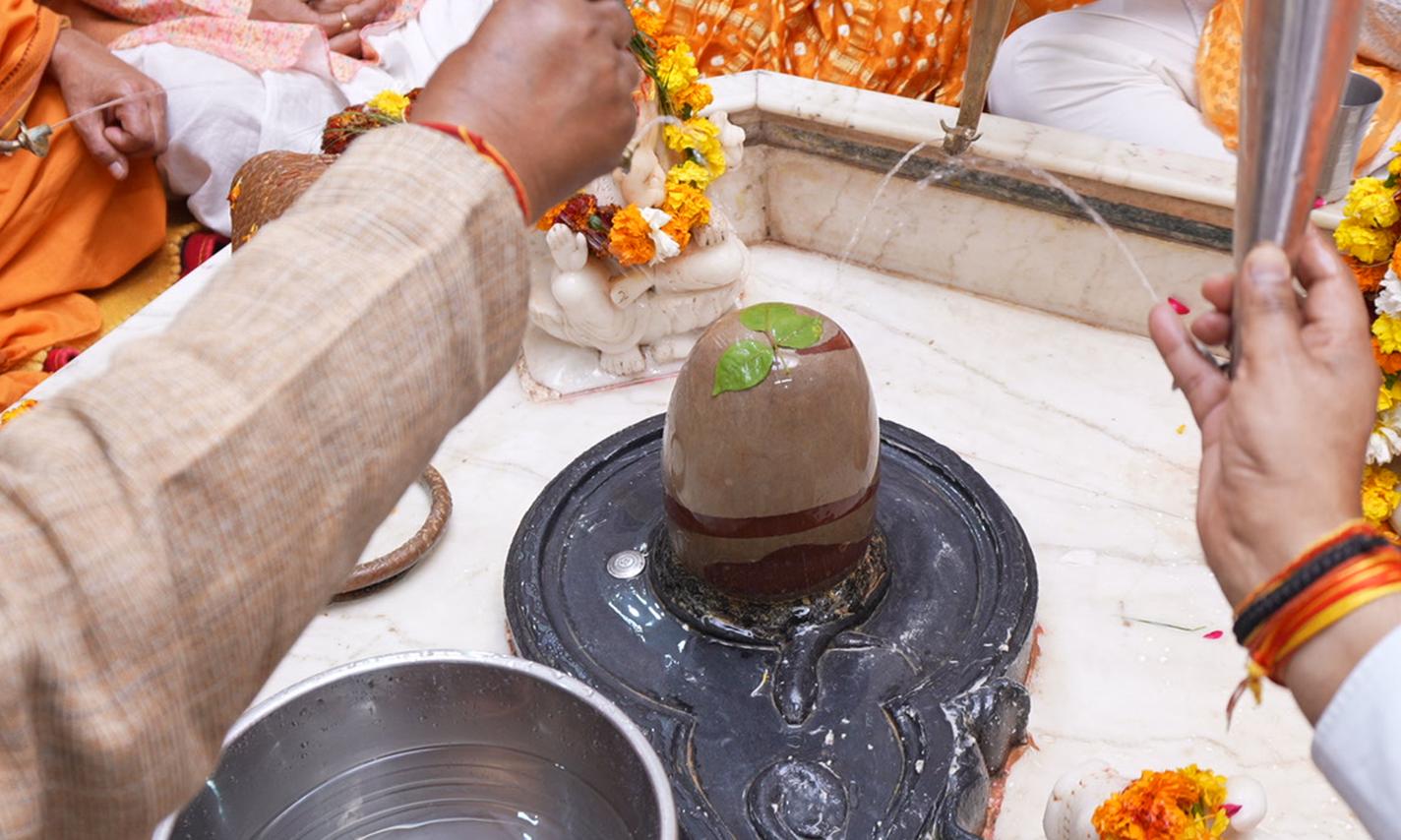
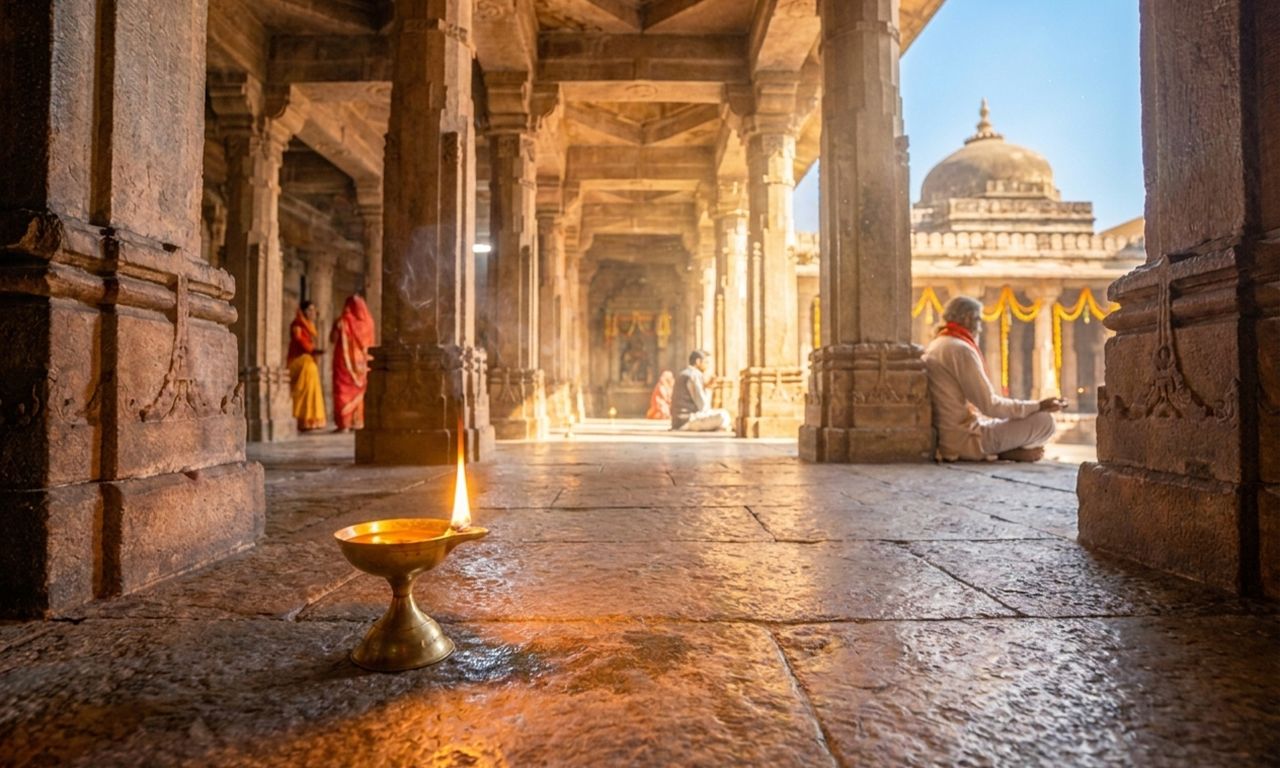
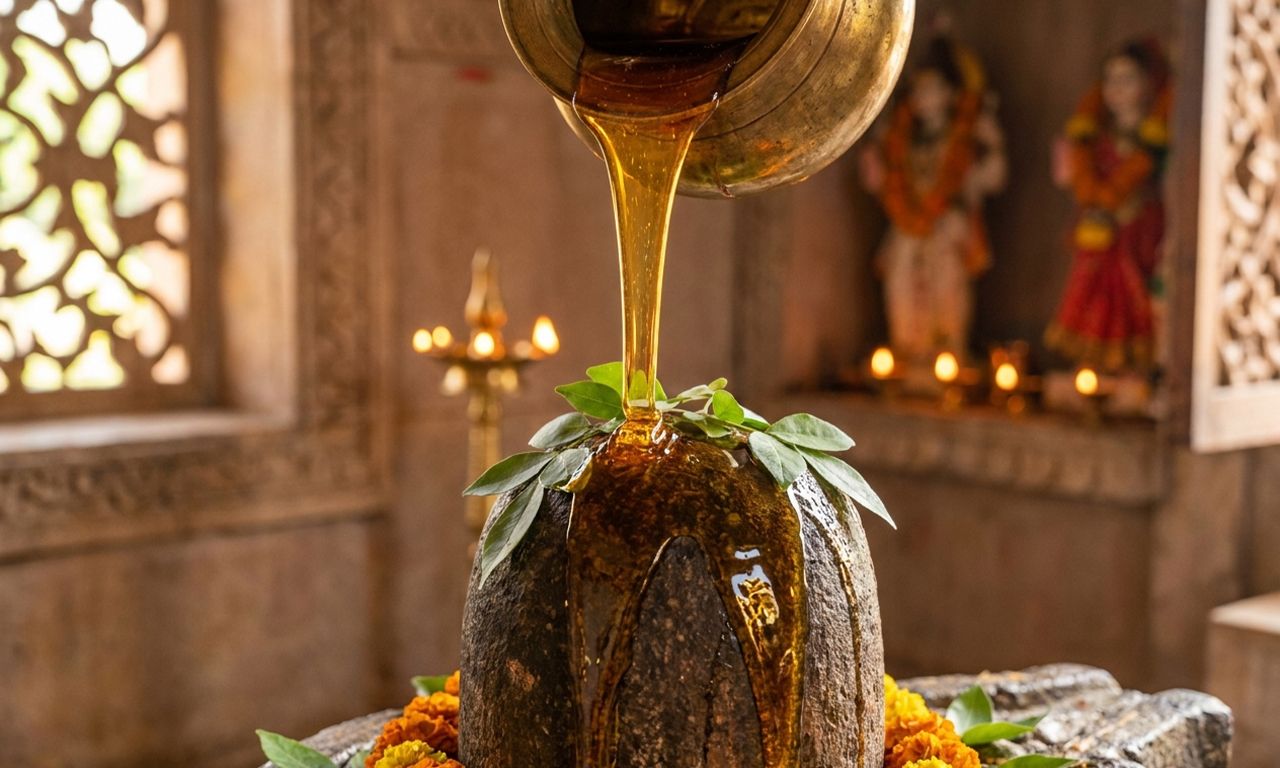
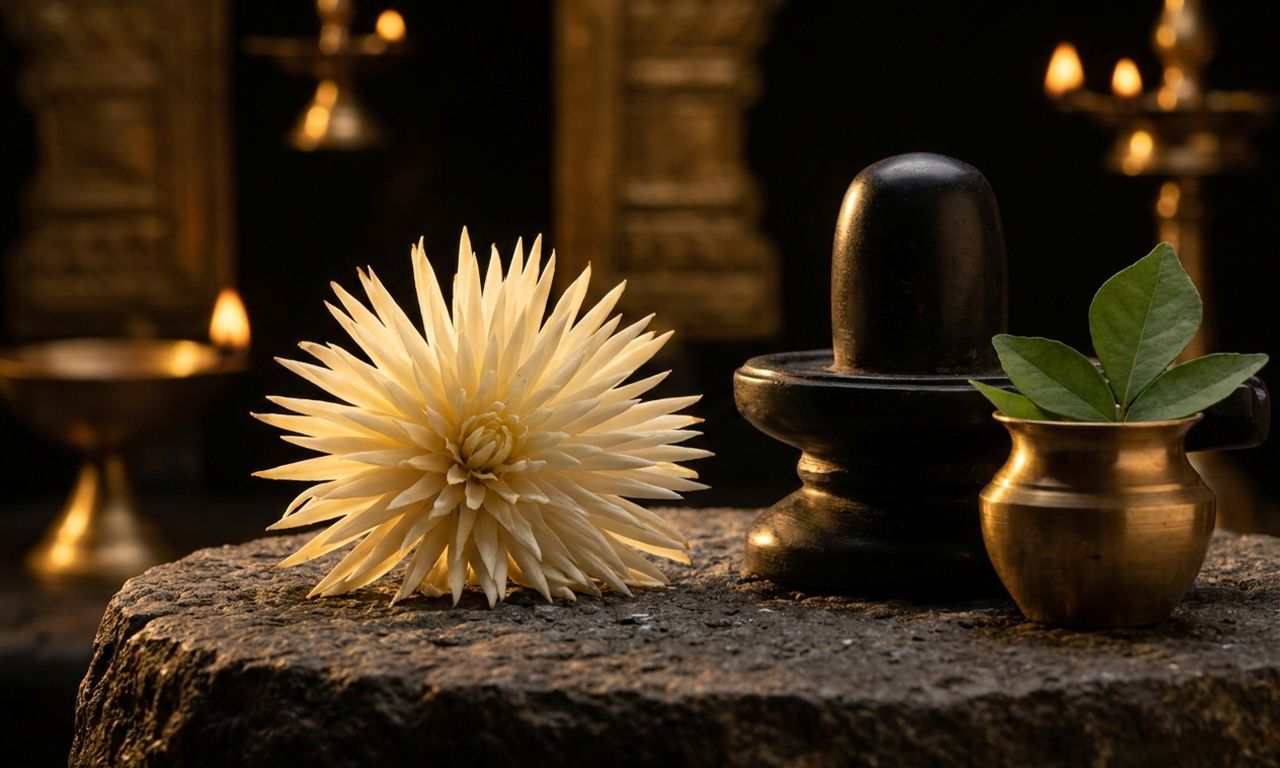
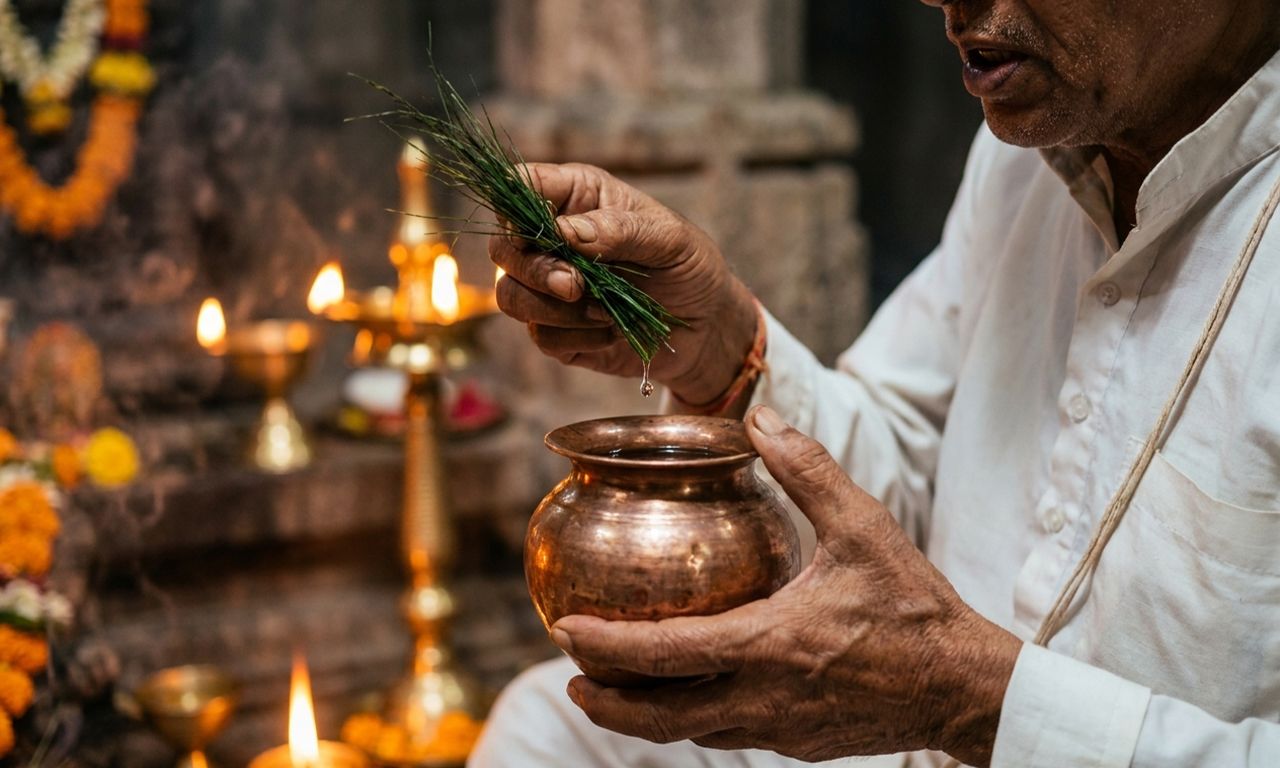
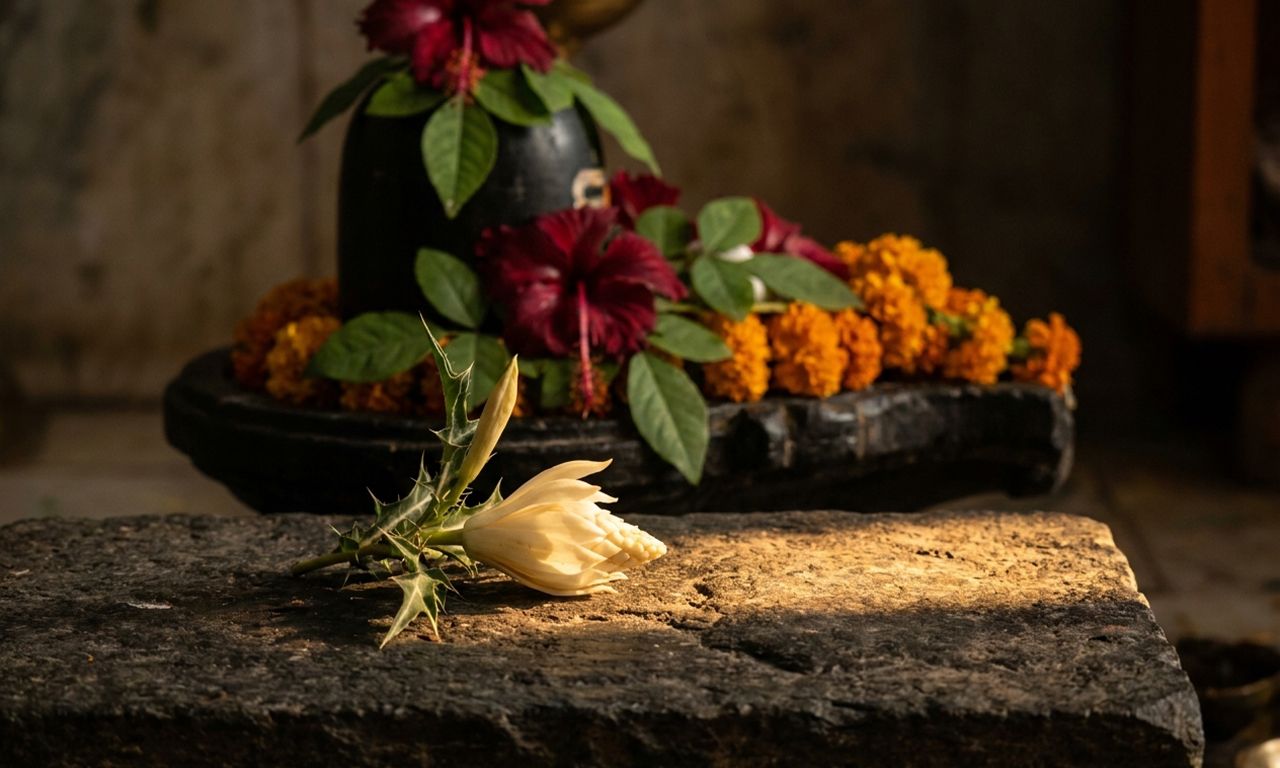
Water cools the Shivling. But Guruji teaches that it should also cool our anger. Bilva Patra is offered with reverence. But it should also remind us to offer a pure heart. Flowers are beautiful. But our thoughts should become equally beautiful. A lamp removes darkness. But our lives should also become a source of light for others.
Every external offering points towards an inner offering. Without that understanding, rituals remain incomplete.
The Greatest Offering Is the Ego
Guruji repeatedly reminds devotees that the biggest obstacle between us and Mahadev is not a lack of rituals. It is ego. The desire to always be right. The need for recognition. Pride in wealth. Pride in knowledge. Pride in success. These become invisible walls between the devotee and the Divine.
True worship begins when these walls begin to fall. Every Shiv Puja should reduce ego. Every Rudrabhishek should increase humility. That is real spiritual progress.
What Is True Surrender?
Many people misunderstand surrender. They think surrender means giving up responsibility. Guruji teaches exactly the opposite.
A devotee should perform every duty with sincerity. Care for family. Work honestly. Serve society. Follow Dharma. And after doing one’s best, place the outcome at the feet of Mahadev. This is surrender. Not helplessness. Faith.
Why Is Sankalp So Sacred?
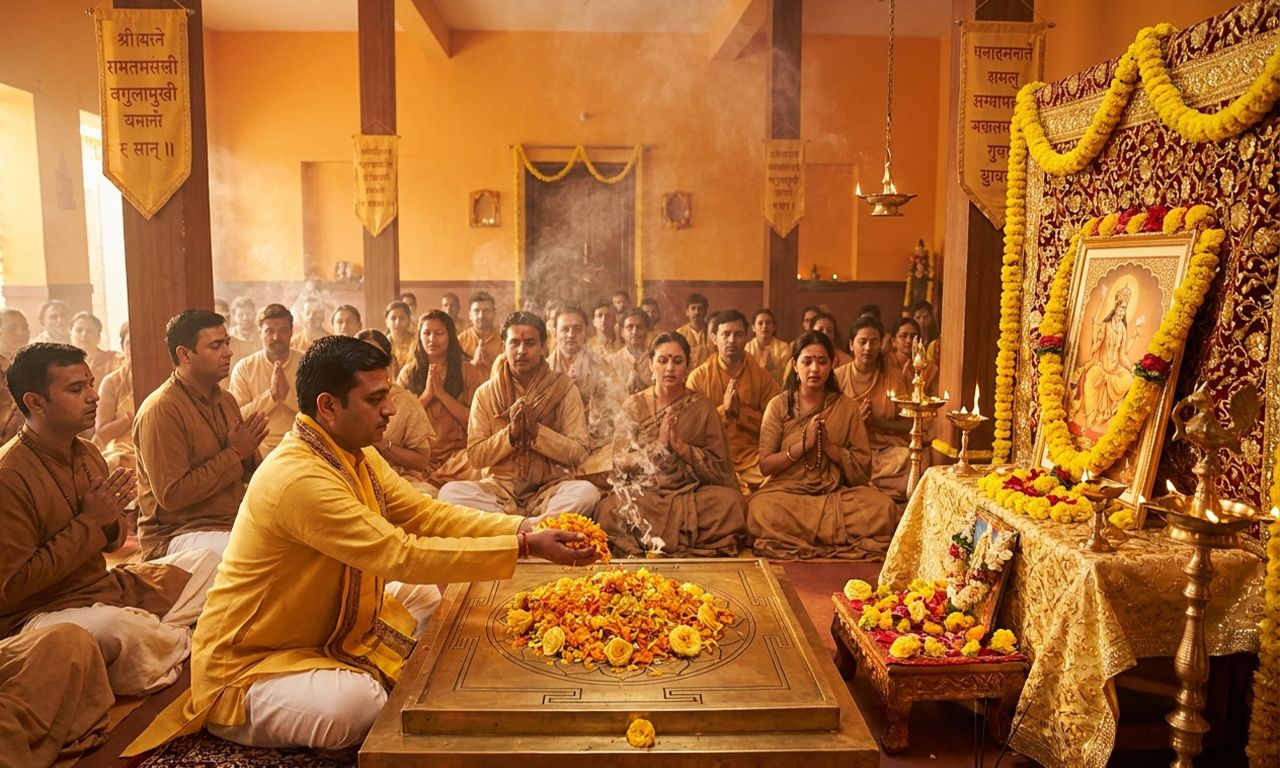
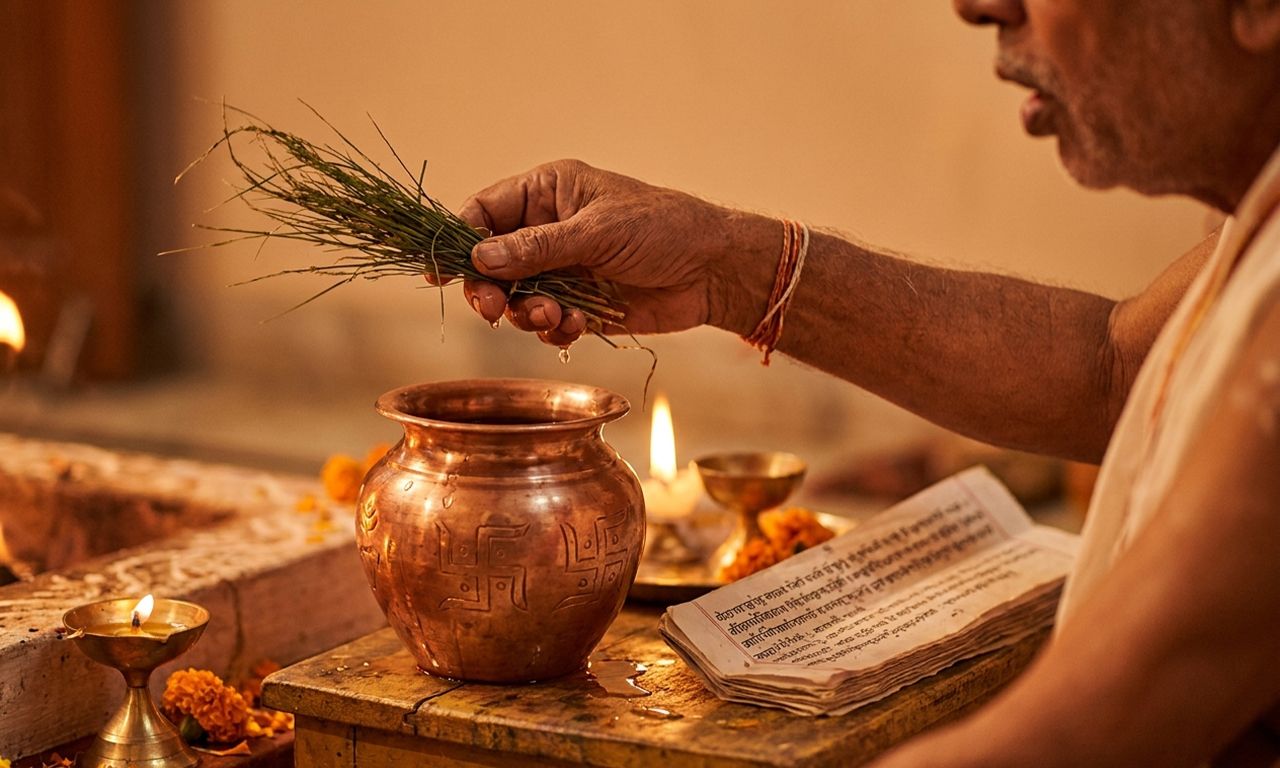
Before every authentic Vedic ritual, a Sankalp is taken. Guruji explains that Sankalp is much more than stating one’s name and Gotra. It is the moment when the devotee consciously places his prayers before Lord Shiva. It is a promise made before the Divine. A prayer offered with complete sincerity. A declaration of faith. That is why Sankalp occupies such a sacred place in every Rudrabhishek.
Does Lord Shiva Accept Simple Worship?
One of Guruji’s most reassuring teachings is that Mahadev is Ashutosh, the One who is easily pleased. He does not demand grand arrangements. A simple prayer. A few drops of water. One Bilva Patra. A sincere chant of "Om Namah Shivaya." A heart filled with devotion. These are enough.
The value of worship is never determined by its expense. It is determined by its sincerity.
The Purpose of Every Ritual
Guruji teaches that rituals are never the destination. They are the path. Jal Abhishek teaches purity. Bilva Patra teaches reverence. Bhasma teaches humility. Nandi teaches unwavering devotion. Neelkanth teaches compassion. Rudrabhishek teaches surrender.
Each ritual ultimately asks the devotee one question: Has your heart changed? If the answer is yes, the worship has been successful.
Becoming the Offering
Perhaps the highest teaching of Guruji is this. Do not merely bring offerings to Mahadev. Become the offering. Let your speech become truthful. Let your actions become compassionate. Let your thoughts become pure. Let your work become worship. Let your life become an expression of gratitude.
When a devotee begins to live this way, every day becomes Shiv Puja.
The Narwar Dham Tradition
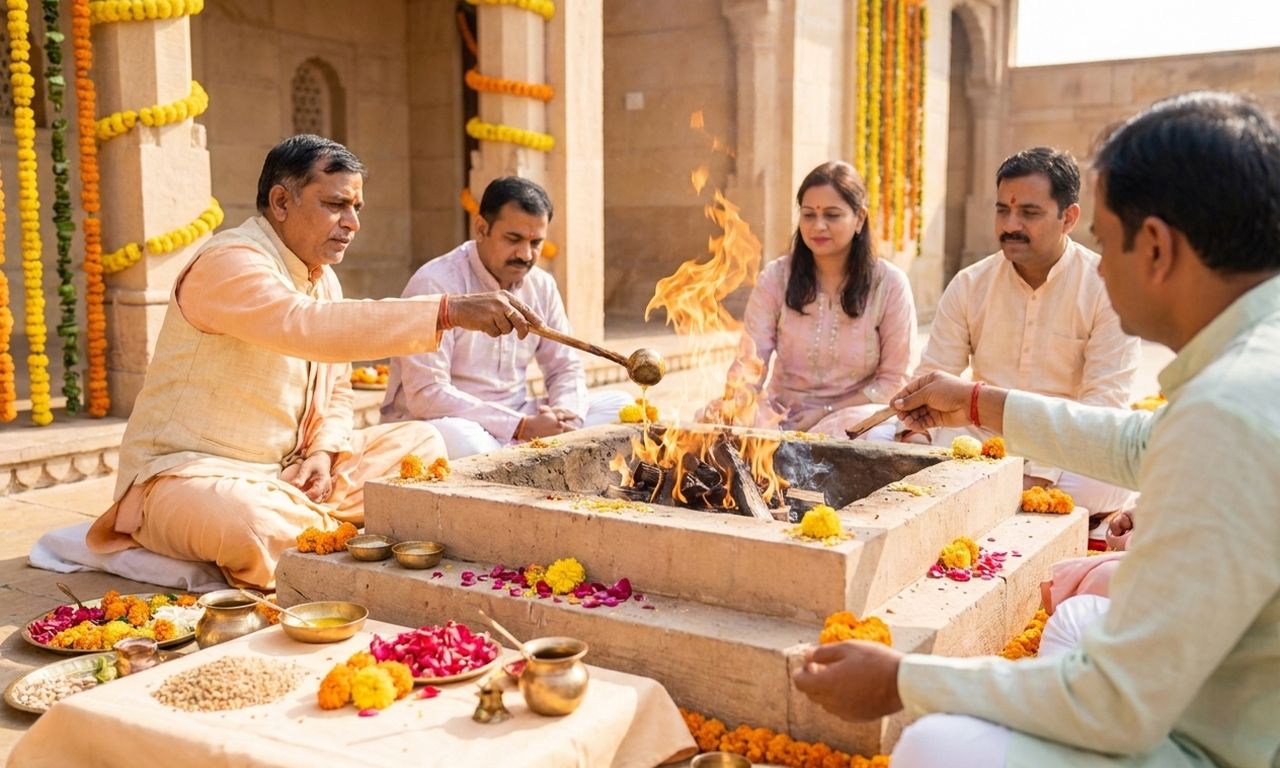
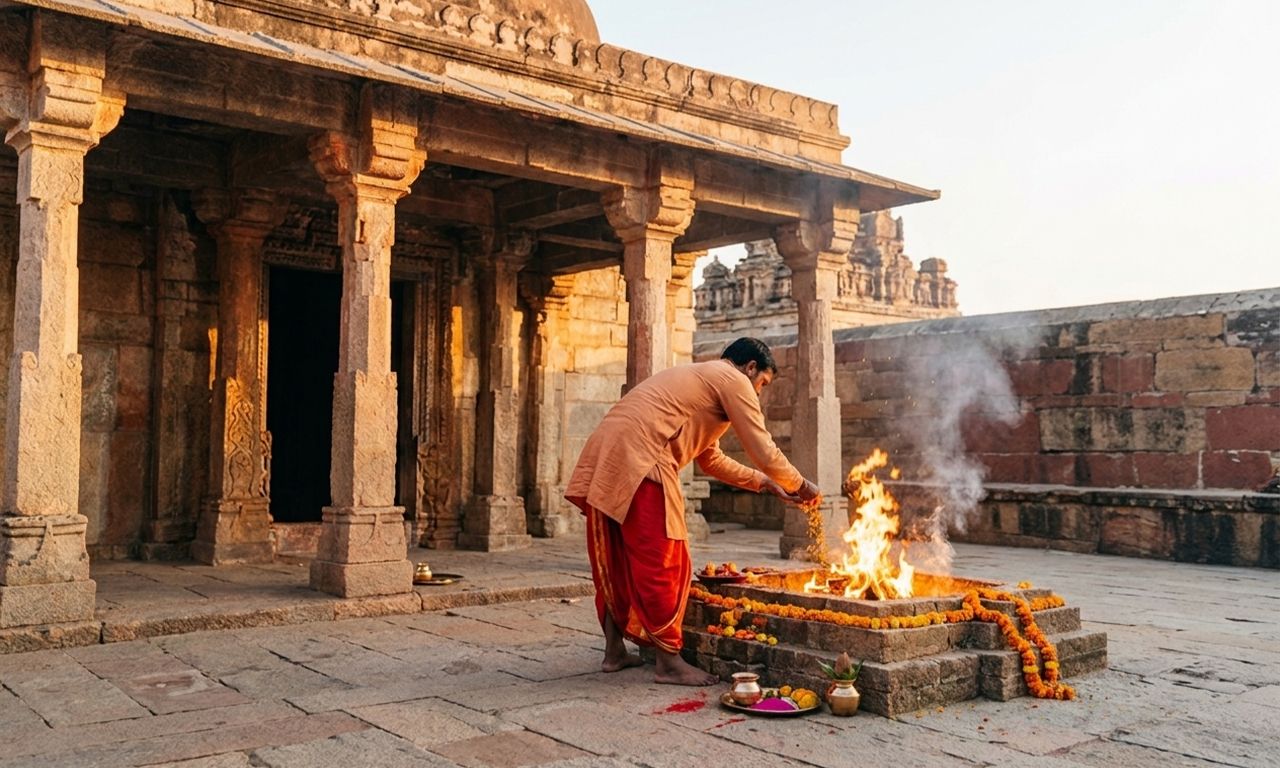
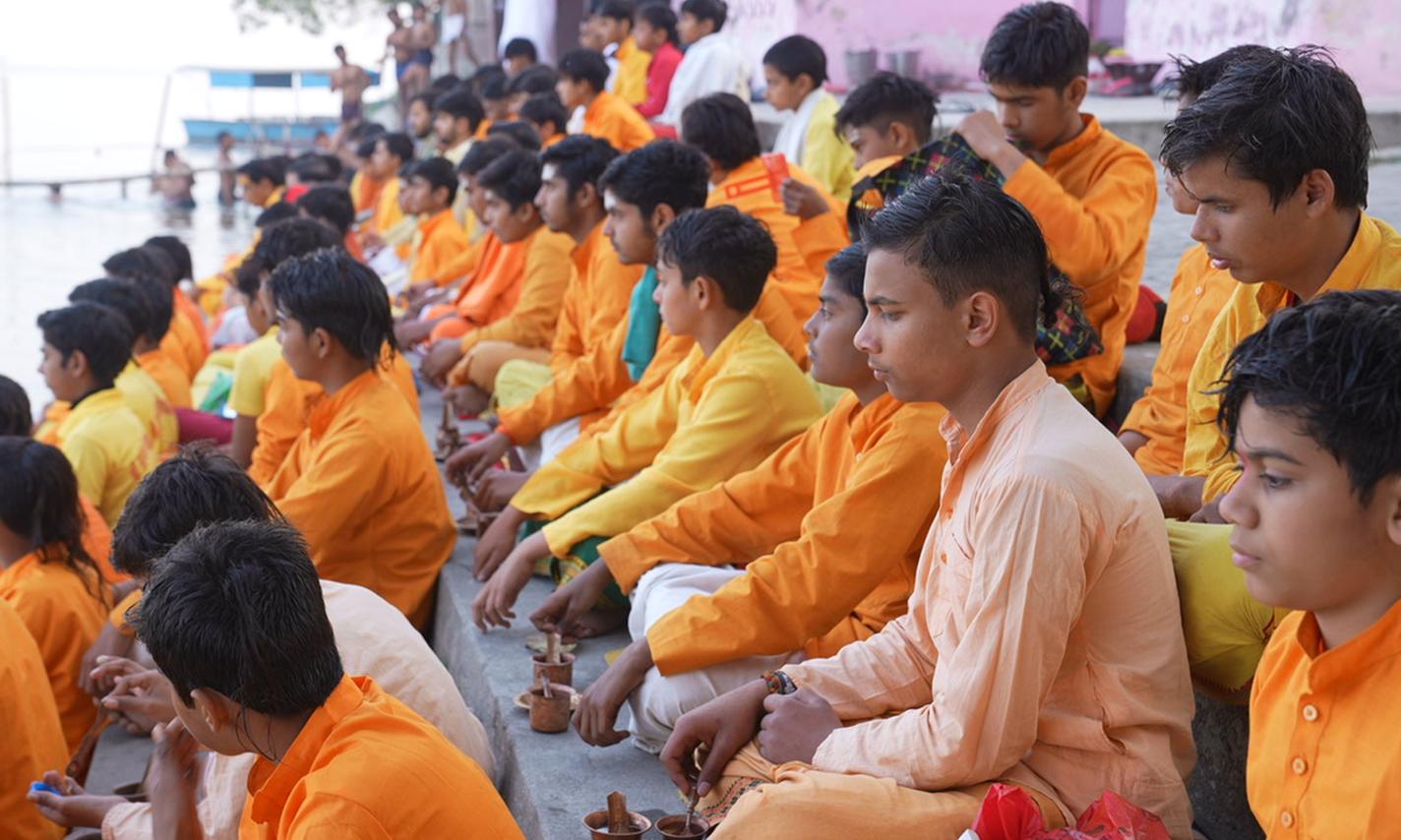
For more than 120 years, the Narwar Dham Guru Parampara has preserved the understanding that authentic worship is never limited to rituals alone. Every Rudrabhishek, every mantra, every Abhishek and every Sankalp is performed with the purpose of deepening the devotee’s relationship with Lord Shiva.
The emphasis has always remained the same. Not bigger rituals. Better devotees. Not external display. Inner transformation. Not merely asking Mahadev for blessings. Becoming worthy of receiving them.
Frequently Asked Questions
What does Lord Shiva truly want from His devotees?
Guruji teaches that Lord Shiva values sincere devotion, complete surrender and a pure Sankalp more than material offerings.
Are milk, water and Bilva Patra important?
Yes. They are sacred offerings in Shiva worship. Their deeper purpose is to help cultivate humility, purity and devotion within the devotee.
What is the most important offering in Shiv Puja?
The greatest offering is a heart free from ego and filled with faith. External offerings become meaningful when accompanied by inner transformation.
Why is Sankalp important in Shiva worship?
A Sankalp is a sacred prayer made before Lord Shiva. It expresses the devotee’s faith, intention and surrender, and forms an essential part of authentic Vedic worship such as Rudrabhishek.
Can simple worship please Lord Shiva?
Yes. Lord Shiva is known as Ashutosh, the One who is easily pleased. Even the simplest worship, when performed with sincerity, is accepted by Him.
From Faith to Sadhana
The highest offering to Lord Shiva is a pure Sankalp. Every authentic Rudrabhishek begins with that sacred moment, where a devotee places his faith, prayers and intentions before Mahadev.
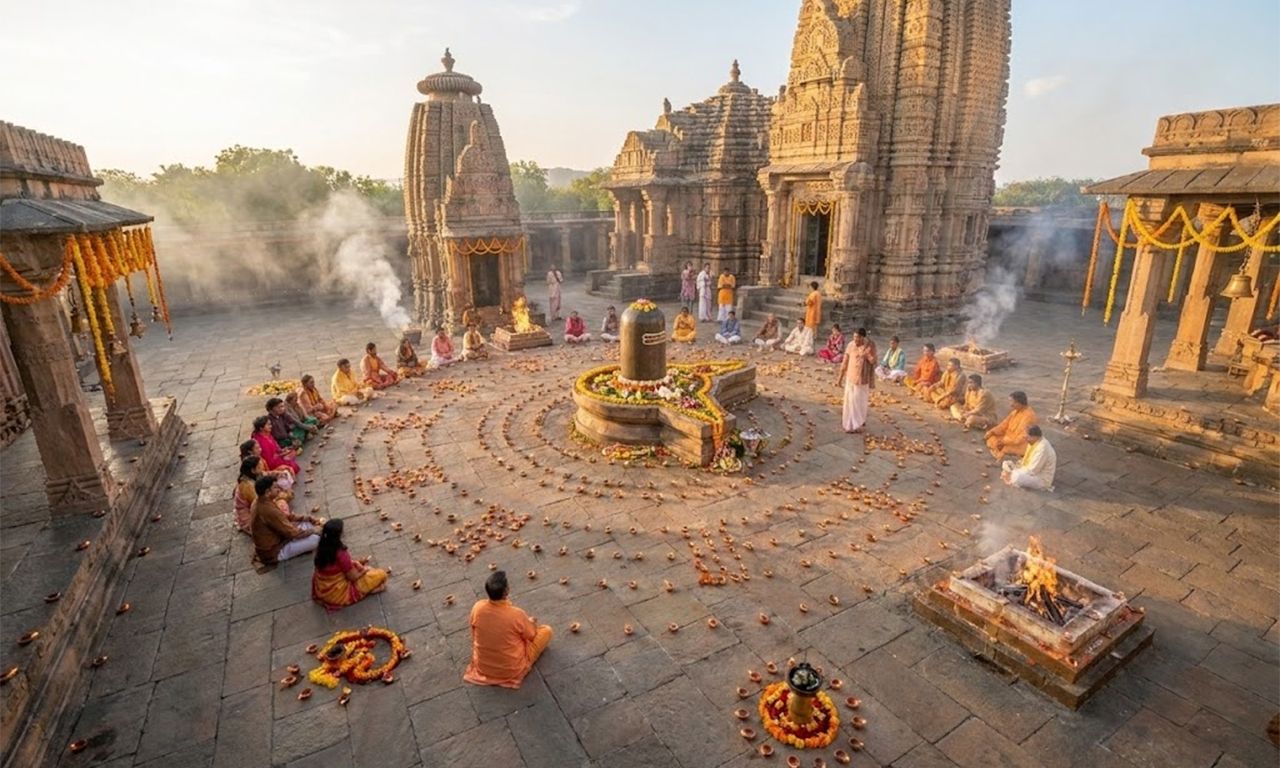
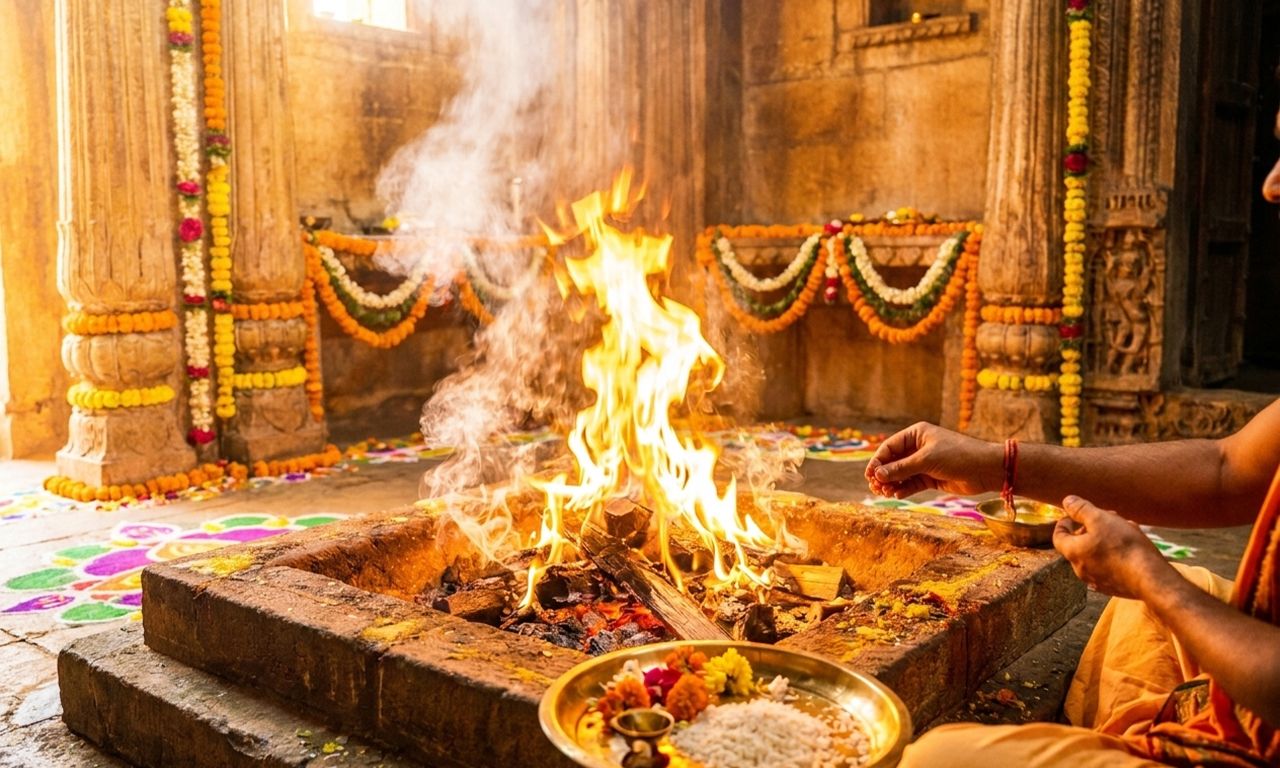
At Narwar Dham, learned Acharyas of the 120-year-old Guru Parampara perform Vedic Rudrabhishek with your name and gotra included in the Sankalp. Every mantra is chanted according to tradition, and every offering is made with devotion, discipline and scriptural authenticity.
This Sawan, don't just offer flowers or water. Offer your Sankalp. Join the Sawan Maha Rudrabhishek through SiddhiStar and let your prayers become part of an authentic Vedic worship dedicated to Lord Shiva.