Why Brahma Has No Temples - and the One Exception the Tradition Made
By SiddhiStar | Narwar Dham Parampara
15 May 2026 • 4 min read
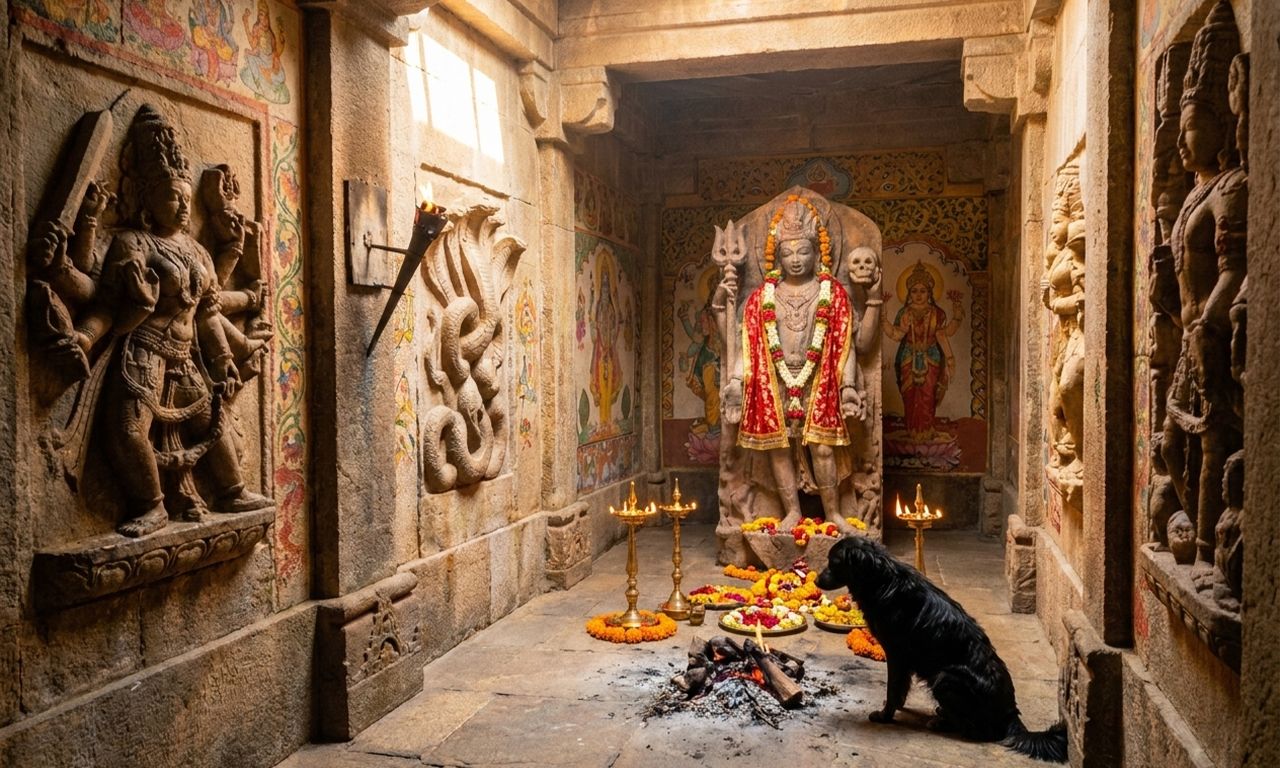
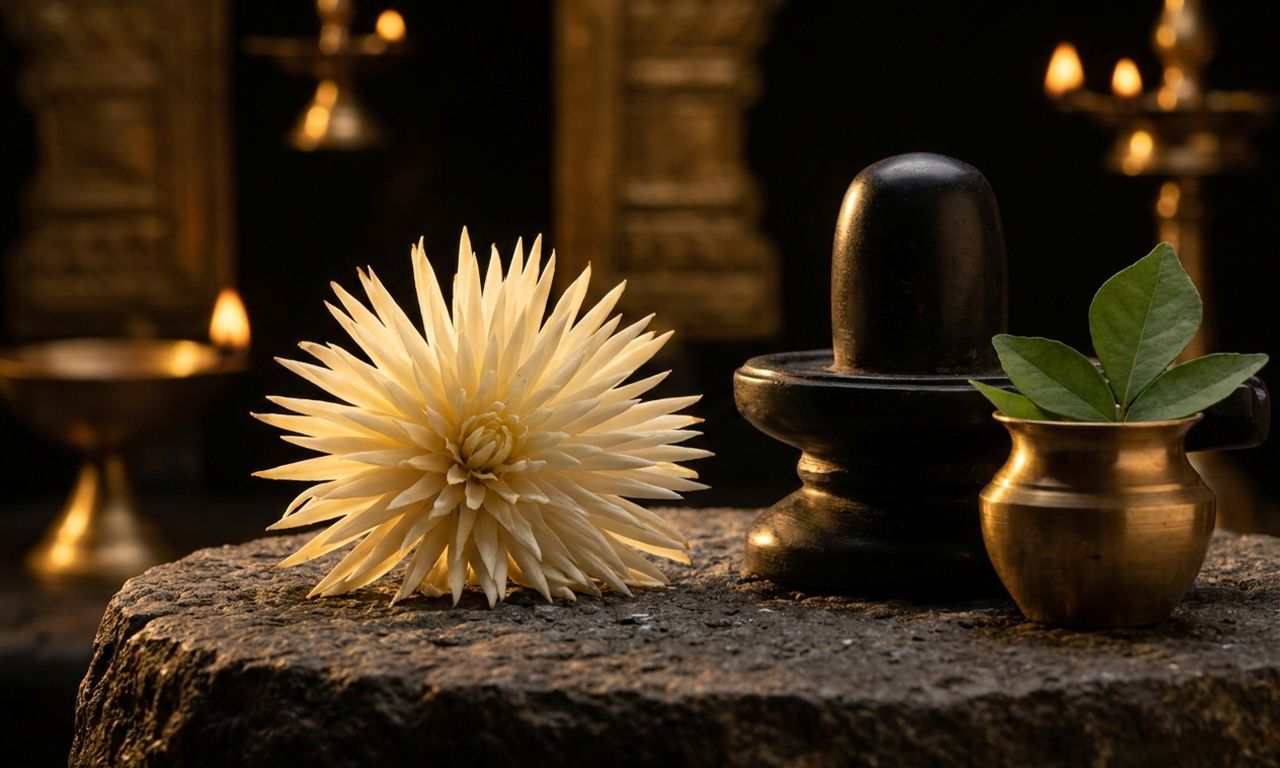
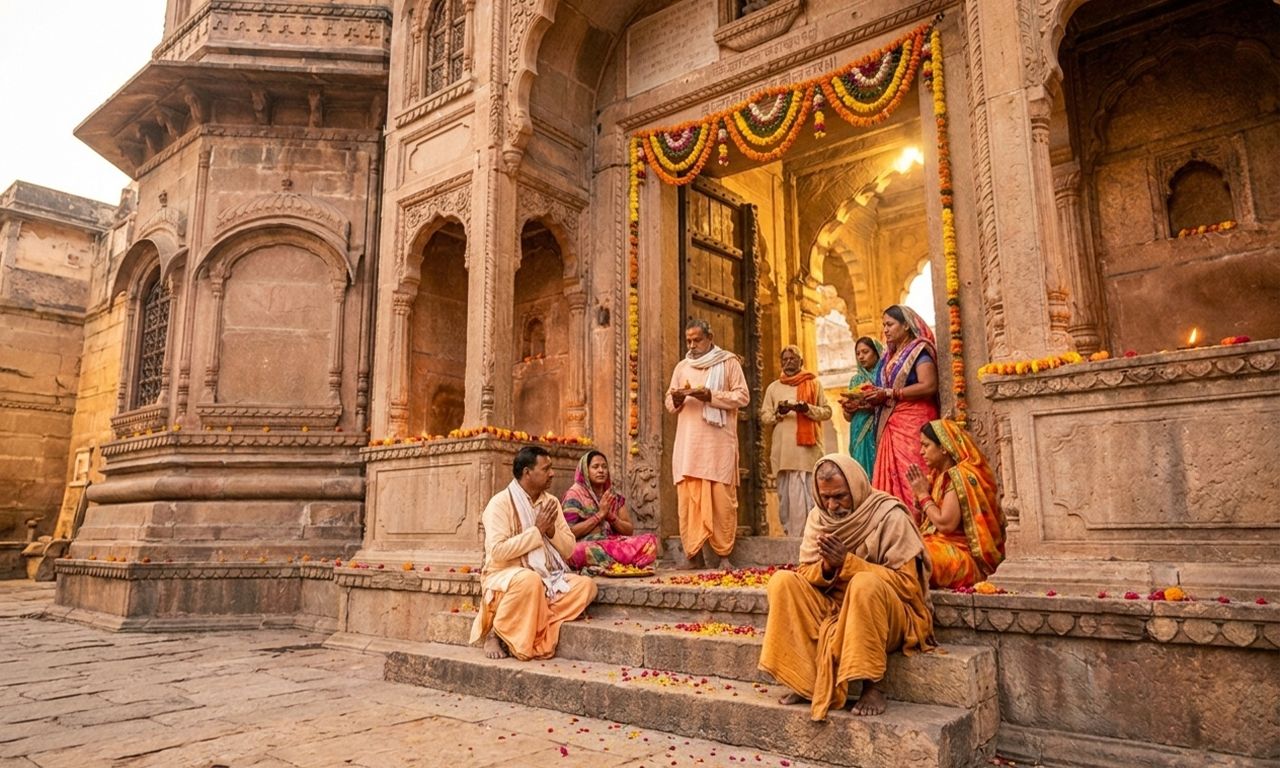
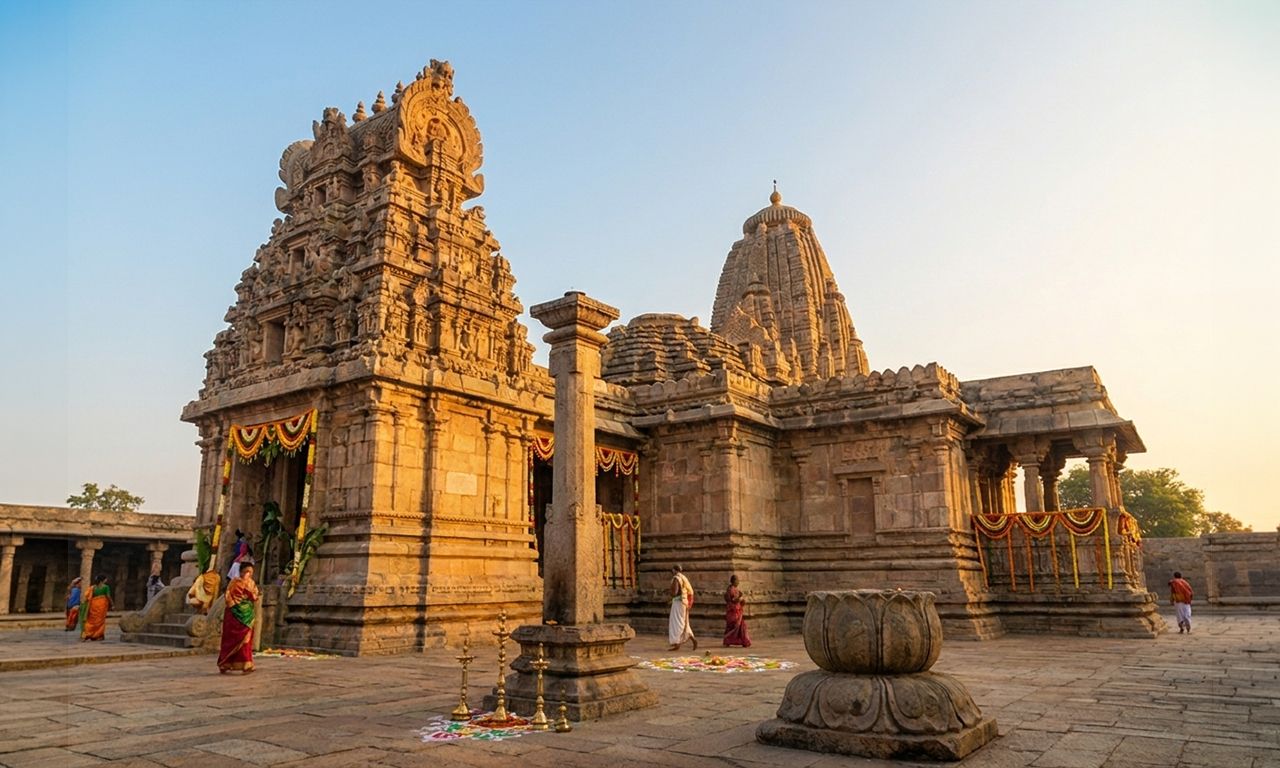
India has thousands of brahma temples in the imagination but very few in actual existence. The most famous is Pushkar Brahma in Rajasthan. There is one other notable exception in Khedbrahma, Gujarat. Beyond these, Brahma - the Creator, first of the Trimurti - has almost no temples anywhere.
The reason is in the shiv puran. (Mahashivratri Article 9 in the original series tells the full story; this article focuses on the exceptions and what they teach.)
The Brief Version of the Punishment
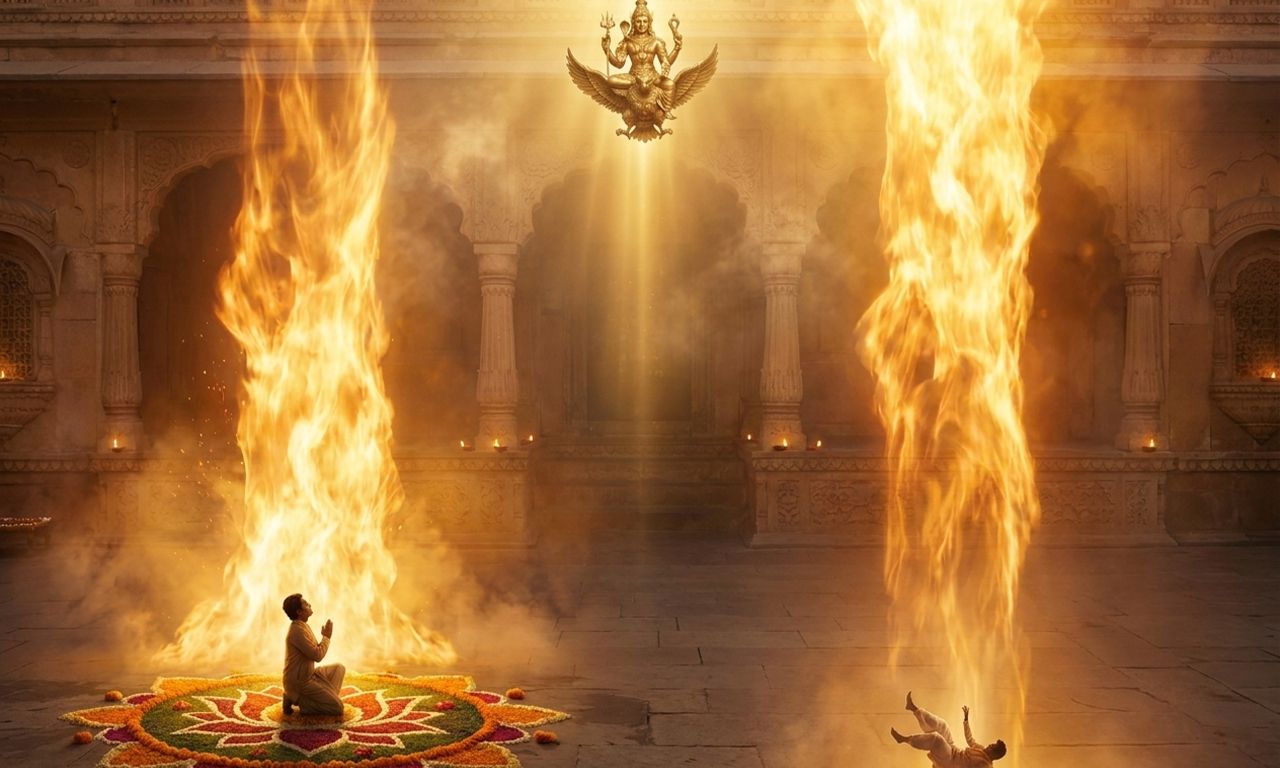
Brahma asked the Ketaki flower to bear false witness in the Agni Stambha story (see Mahashivratri Articles 1 and 8). When the lie was revealed, Shiva's pronouncement was specific: Brahma would have no temples of his own. He would remain present and necessary in every yagna - but worshipped nowhere directly.
This punishment has held across centuries. Across the entire subcontinent, brahma temples are vanishingly rare.
Why Pushkar Brahma Is the Exception
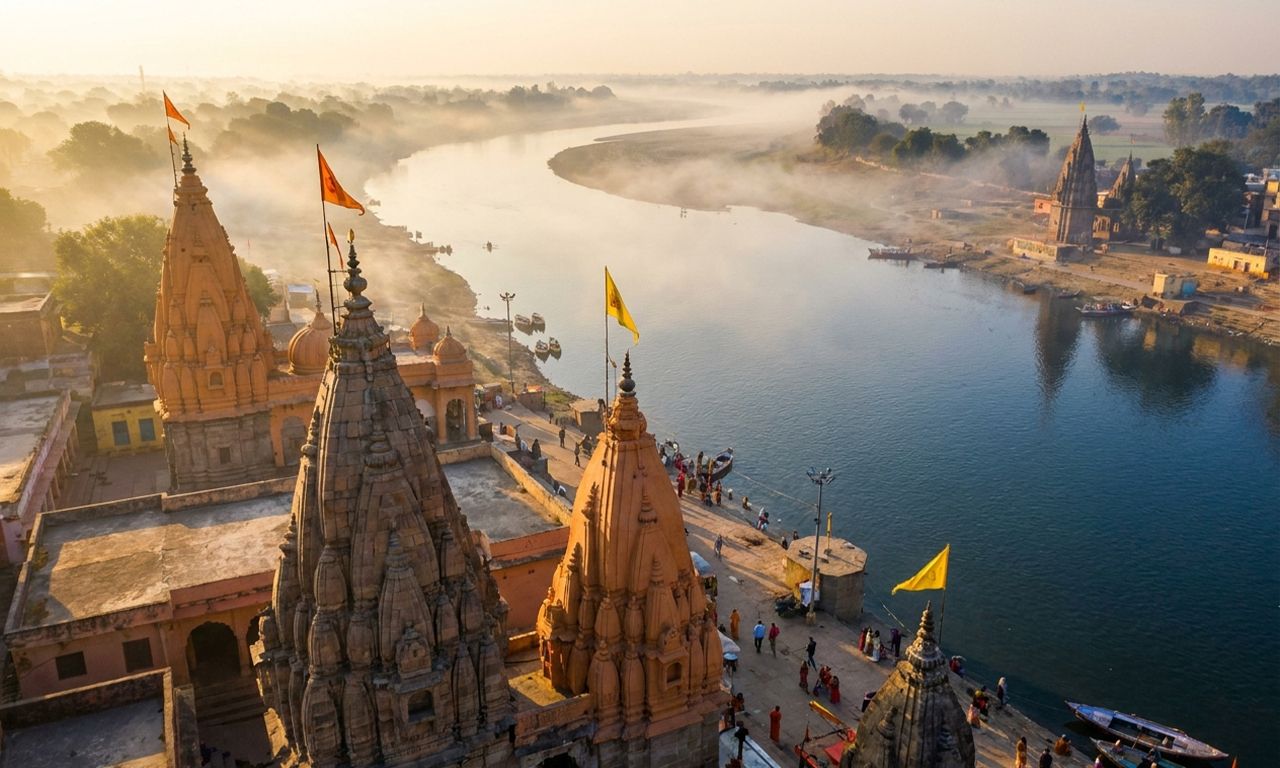
The Pushkar Brahma temple exists because of a parallel story. Brahma performed a yagna at Pushkar specifically. Saraswati blessed the site. The combination of Brahma's own act of devotion and Saraswati's blessing created an exception that the tradition has honoured.
This is the one brahma temple in India that draws regular pilgrimage. Devotees who travel to Rajasthan often include Pushkar in their itinerary specifically to visit the rare temple of the Creator.
Why the Khedbrahma Exception Exists
The smaller Adi Brahma temple in Khedbrahma, Gujarat, was established by specific rishis in the area as a recognition of Brahma's continuing necessity in yagna. It is much less visited than Pushkar but holds the same shastric significance - an acknowledged exception to the general rule.
What This Teaches About the Vedic System of Justice
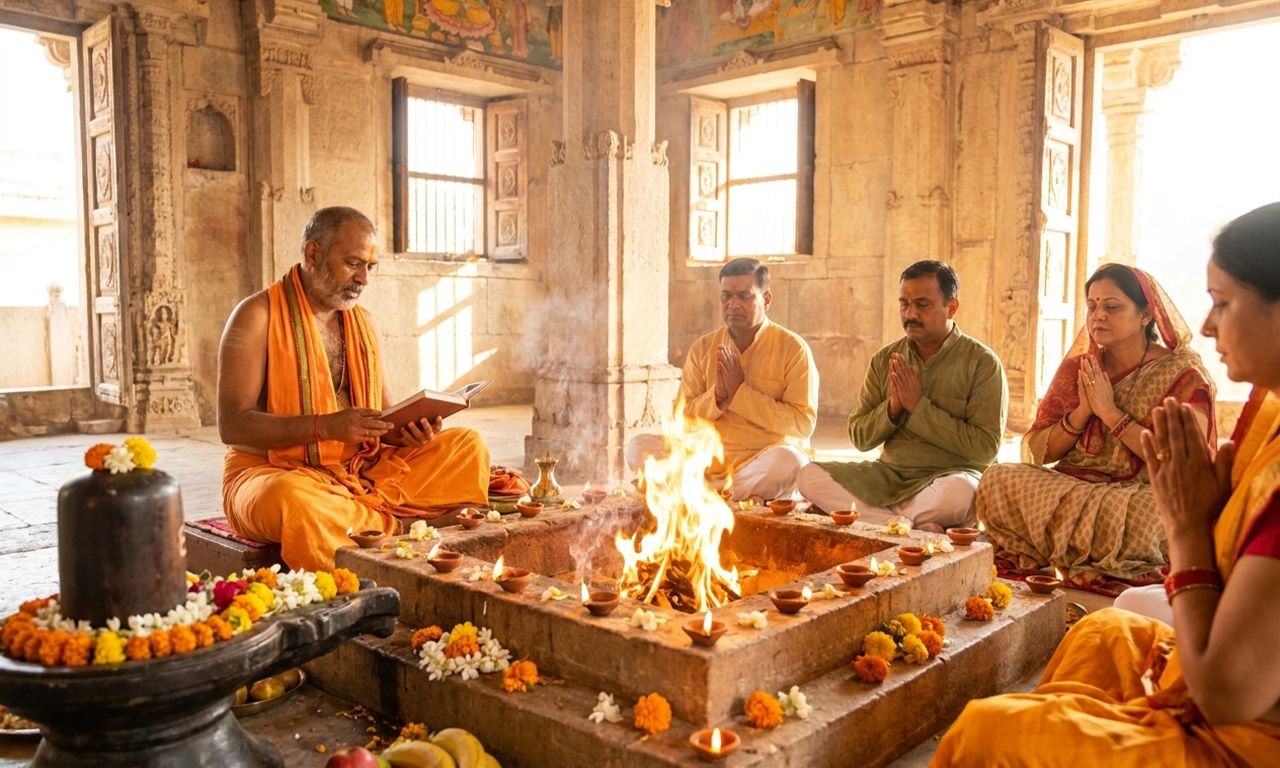
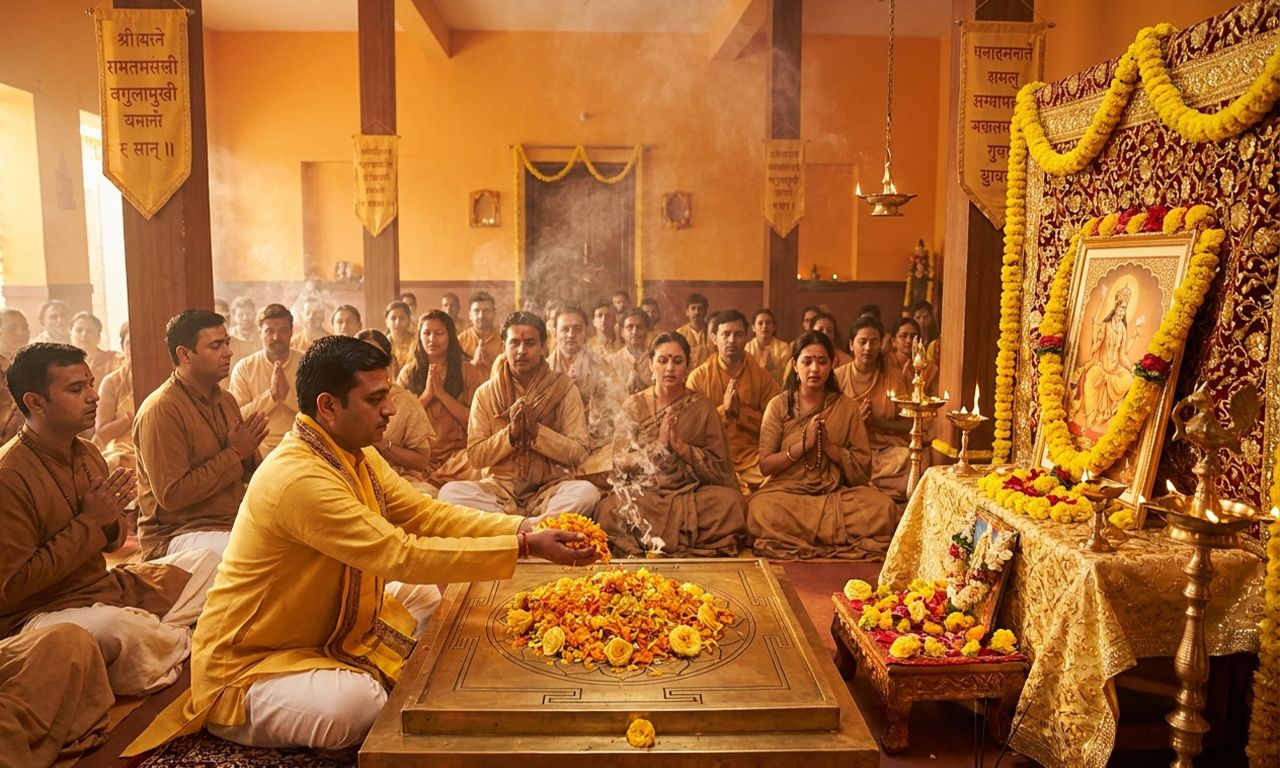
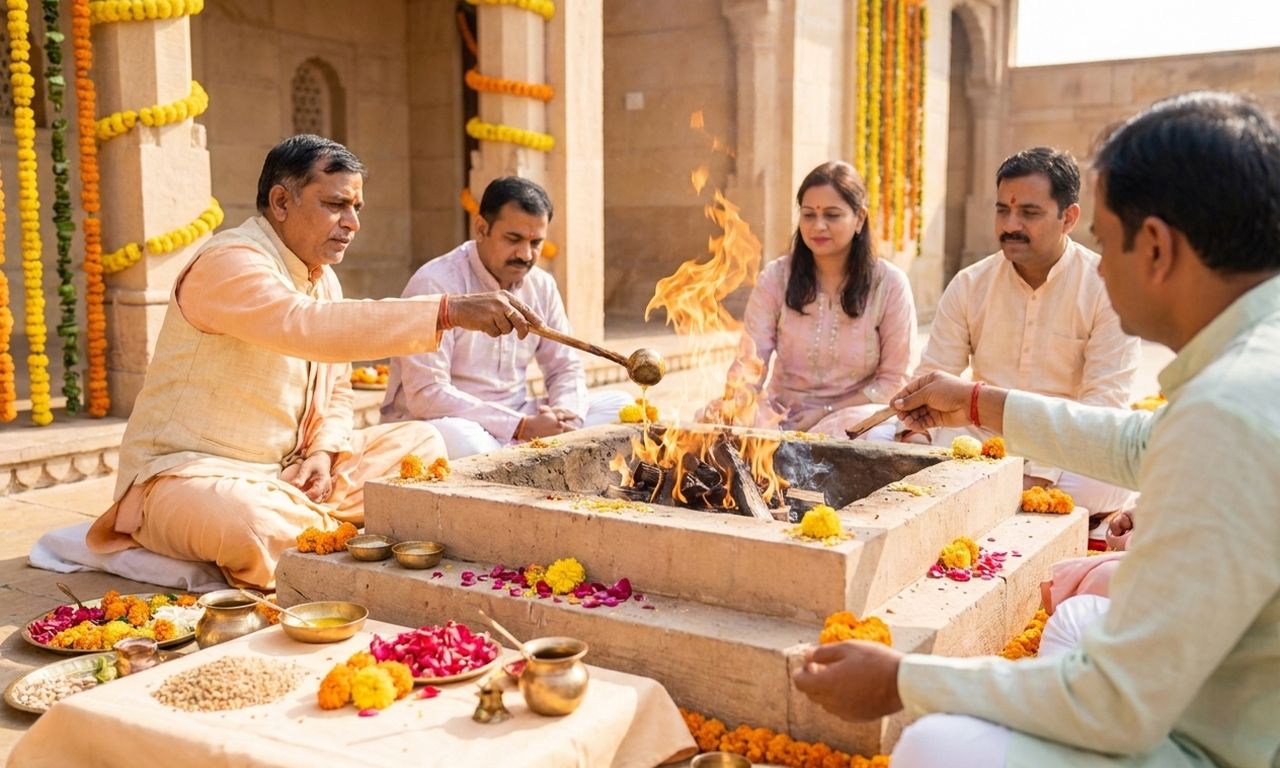
The interesting thing about Brahma's punishment is its precision. He was not destroyed. He was not removed from the cosmos. He continues to be invoked in every rudra abhishek puja and every mahashivratri puja - sitting in his proper place, performing his function. What was specifically taken away was direct worship in temples, because direct worship in temples was the specific thing the lie had aimed at gaining.
This is what the Vedic tradition holds as proportionality in cosmic justice. The consequence matches the offence exactly. Nothing more is taken away than what the offending act sought to gain.
The two exceptions (Pushkar and Khedbrahma) confirm rather than weaken the rule - both required specific subsequent acts of devotion by Brahma himself, and specific blessings to make them legitimate.
Book a Rudrabhishek at your home with our “Ghar Par Puja” service or “Online Puja” service. Every SiddhiStar pandit carries the knowledge of what they are conducting.