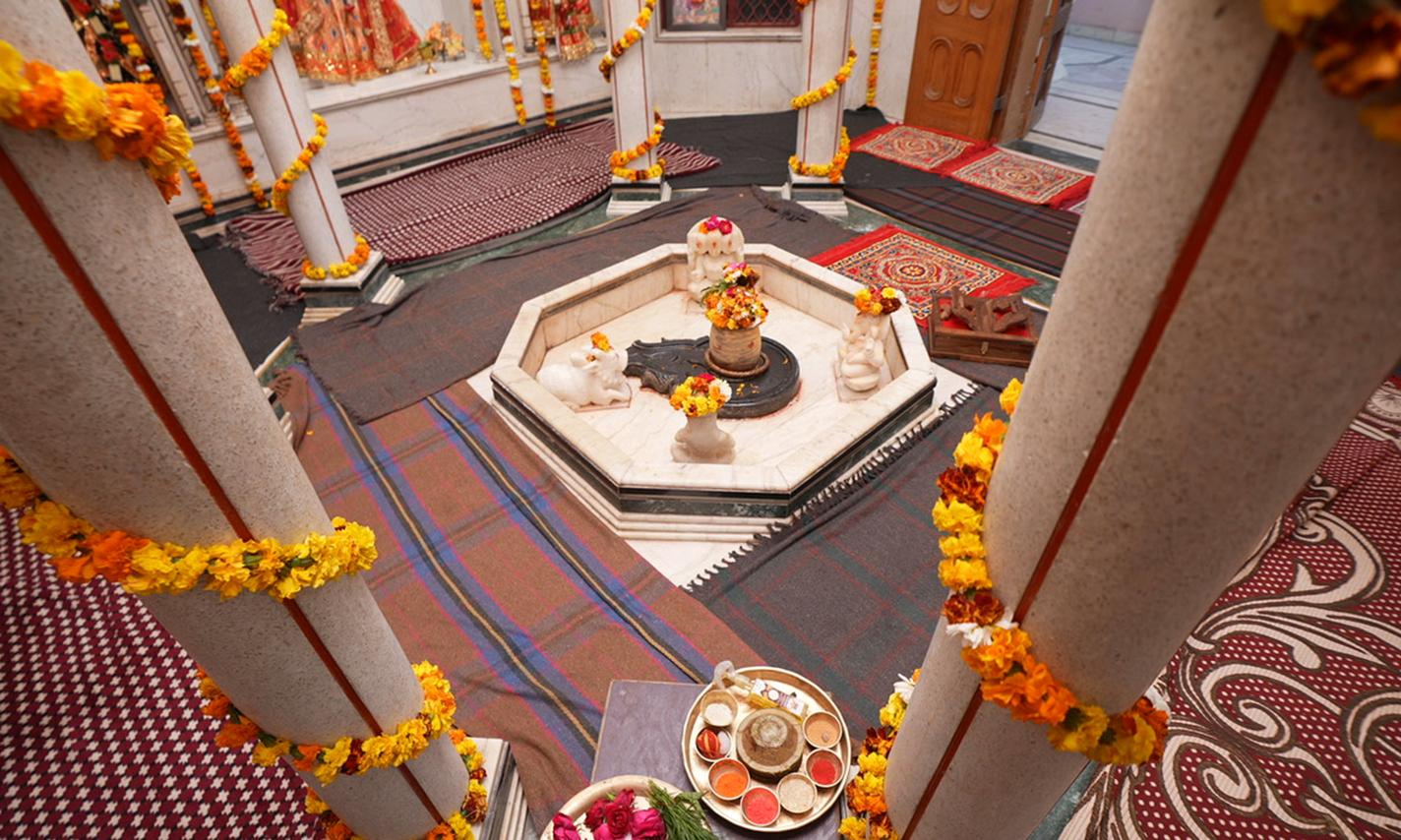
The Spiritual Significance of Worshipping Lord Shiva
By SiddhiStar | Narwar Dham Parampara
21 July 2026 • 7 min read
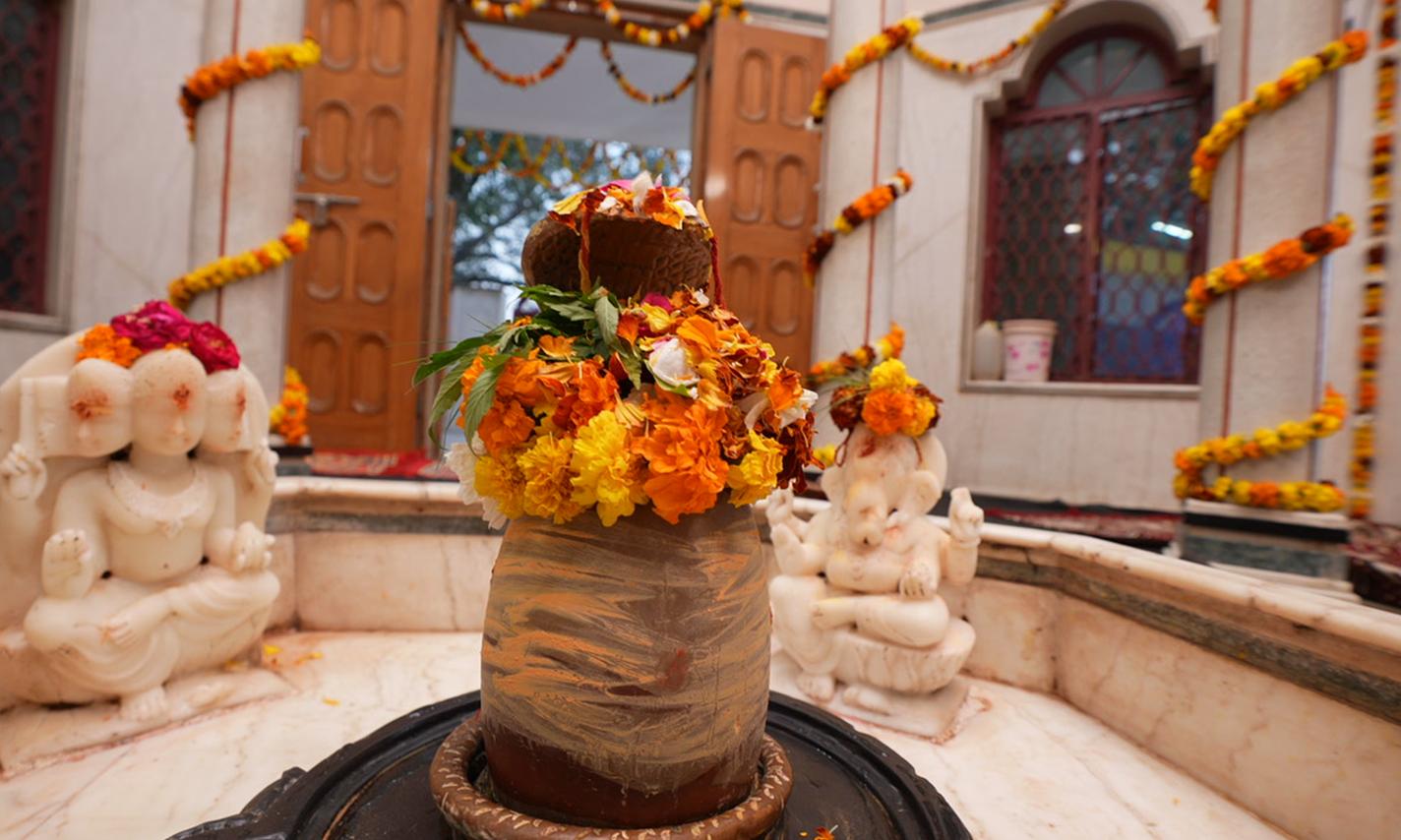
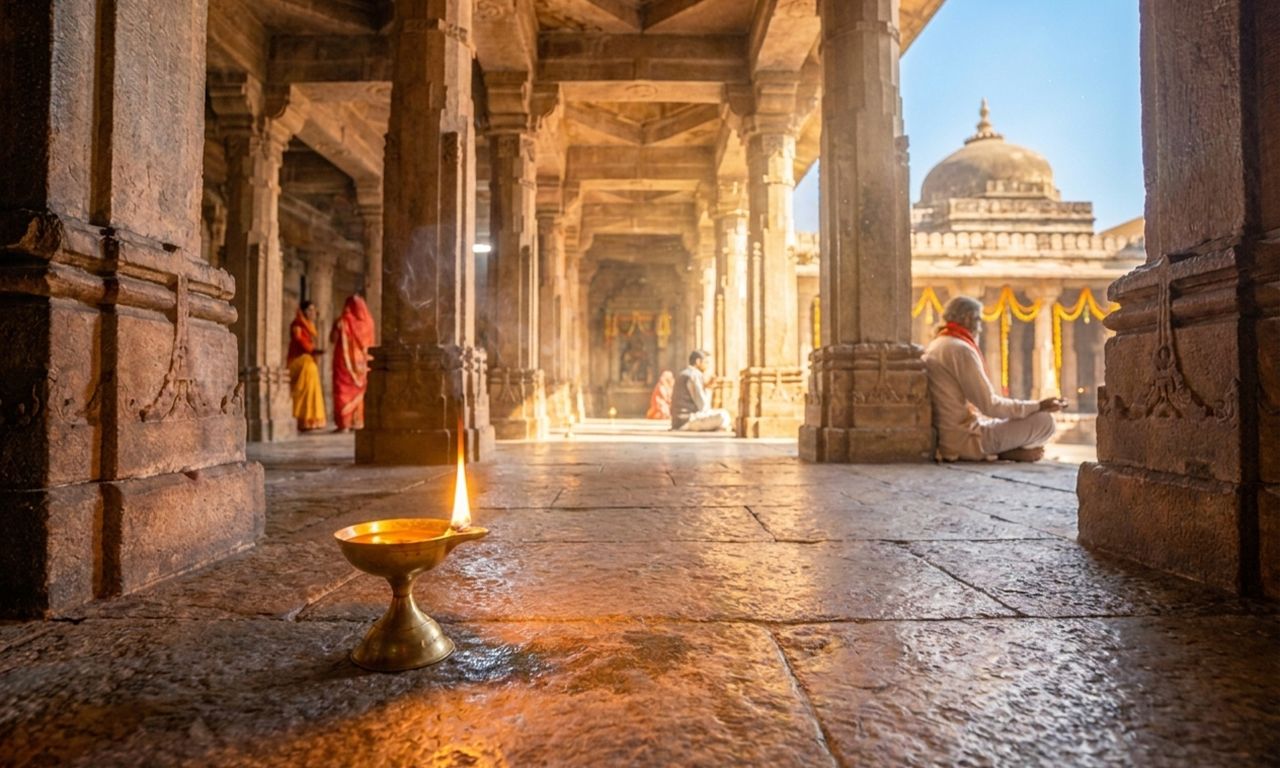
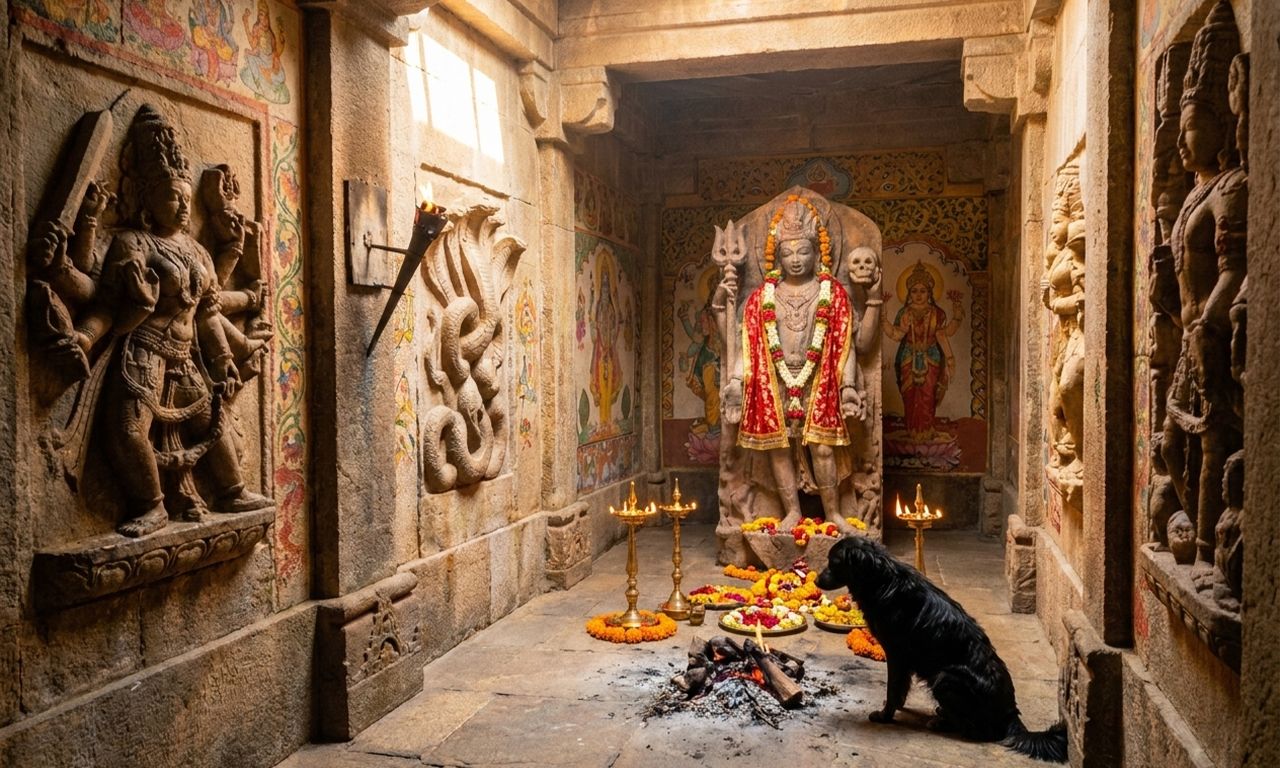
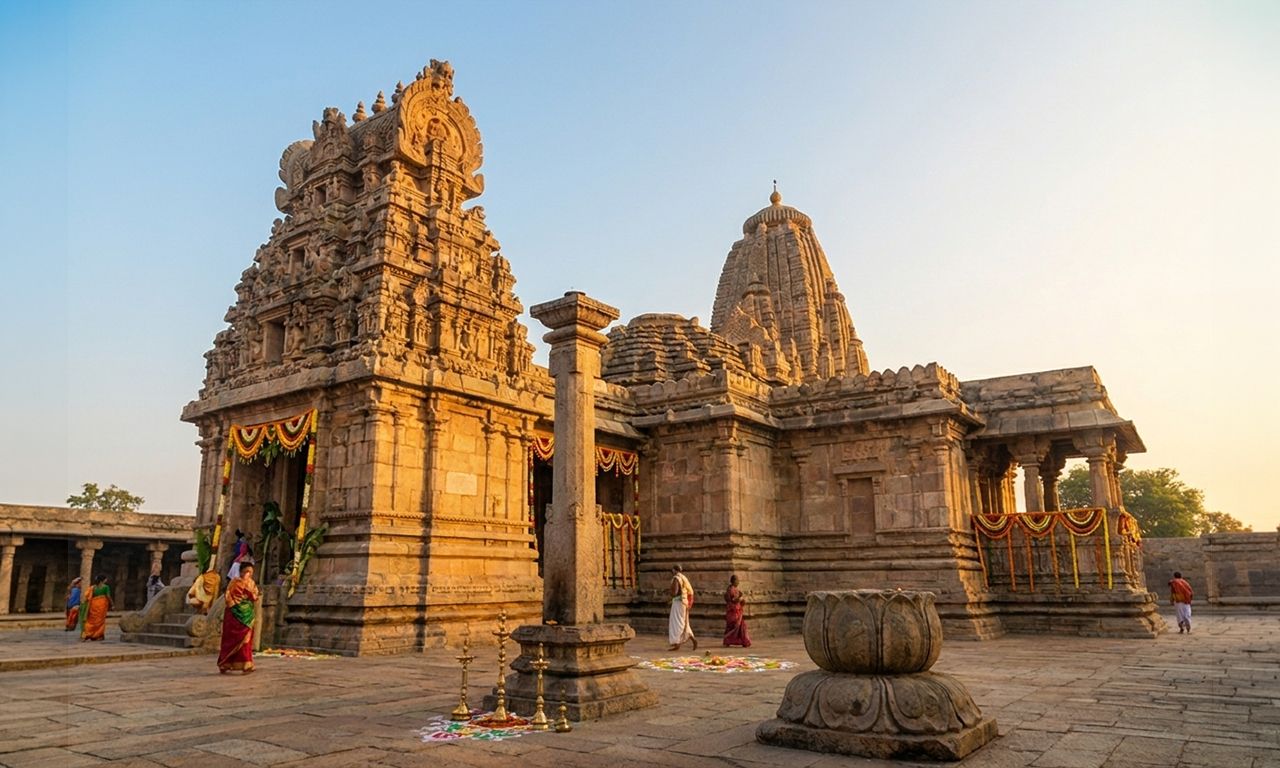
For centuries, devotees have worshipped Lord Shiva with water, Bilva Patra, flowers, sacred mantras and heartfelt prayers. Across India, millions visit temples every day, especially during Sawan and Mahashivratri, to seek the blessings of Mahadev.
But have you ever paused to ask why we worship Lord Shiva? Is worship simply about asking for health, success and protection? Or is there a deeper purpose behind every offering made before the Shivling?
Param Pujya Mahesh Prakash Sharma Ji teaches that Lord Shiva Puja is not merely a ritual to please God. It is a sacred discipline that gradually purifies the devotee. Every act of worship reminds us to surrender our ego, discipline our mind and align our lives with Dharma. The true purpose of Shiva worship is not to change Lord Shiva's attitude towards us. It is to change our attitude towards life.
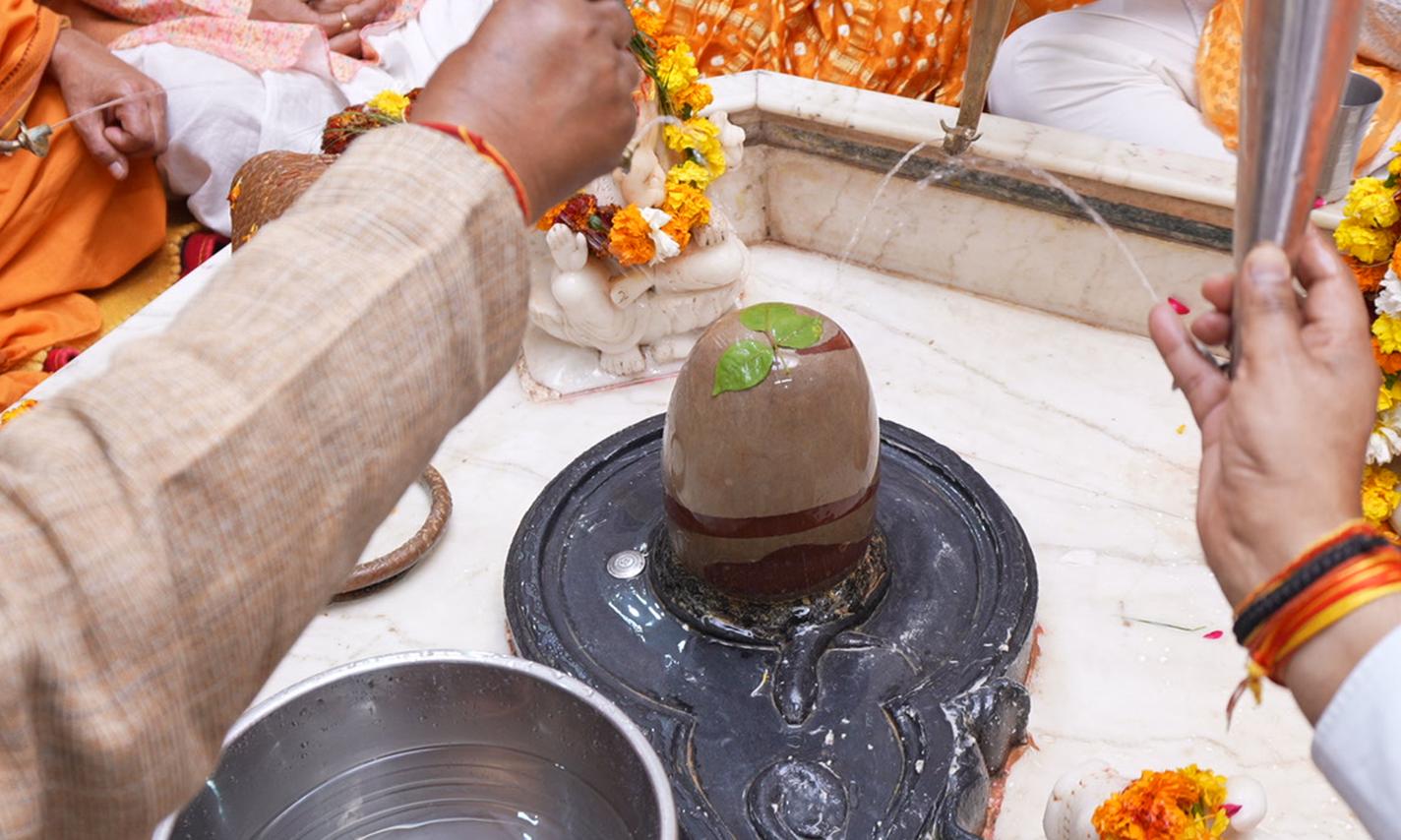
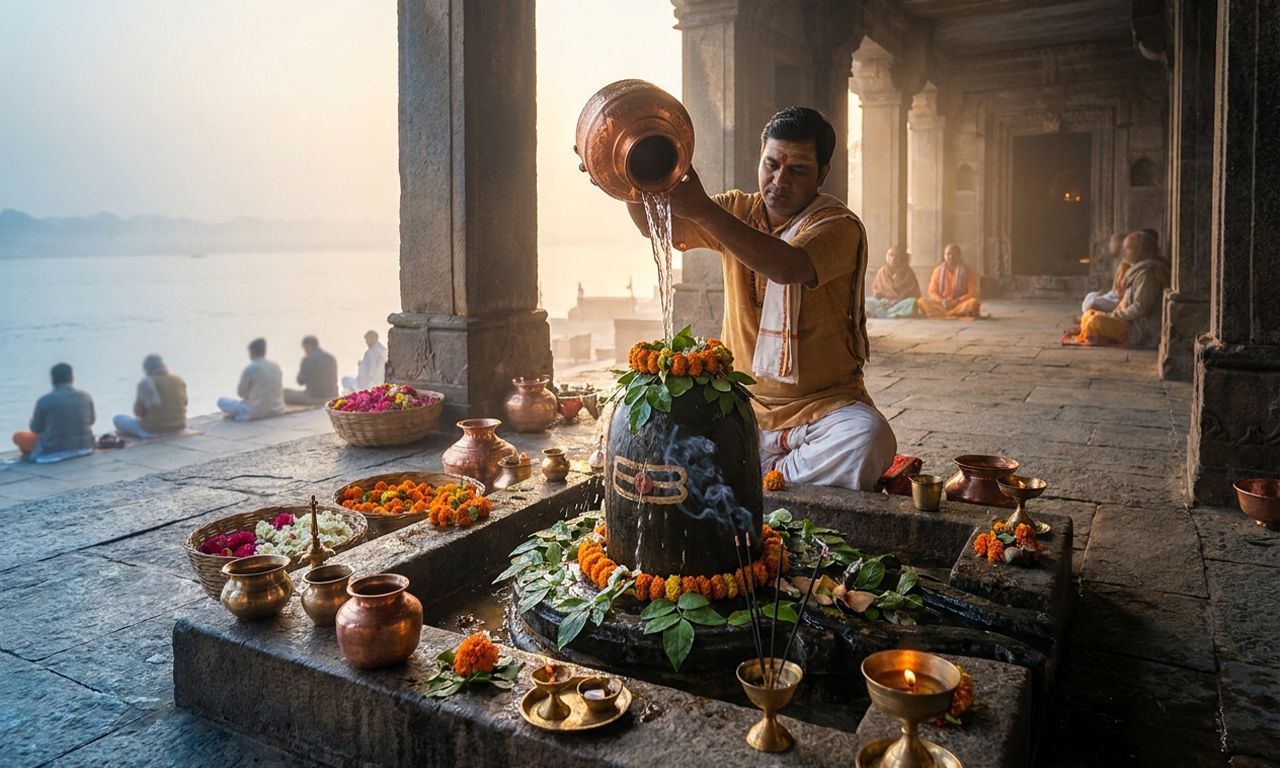
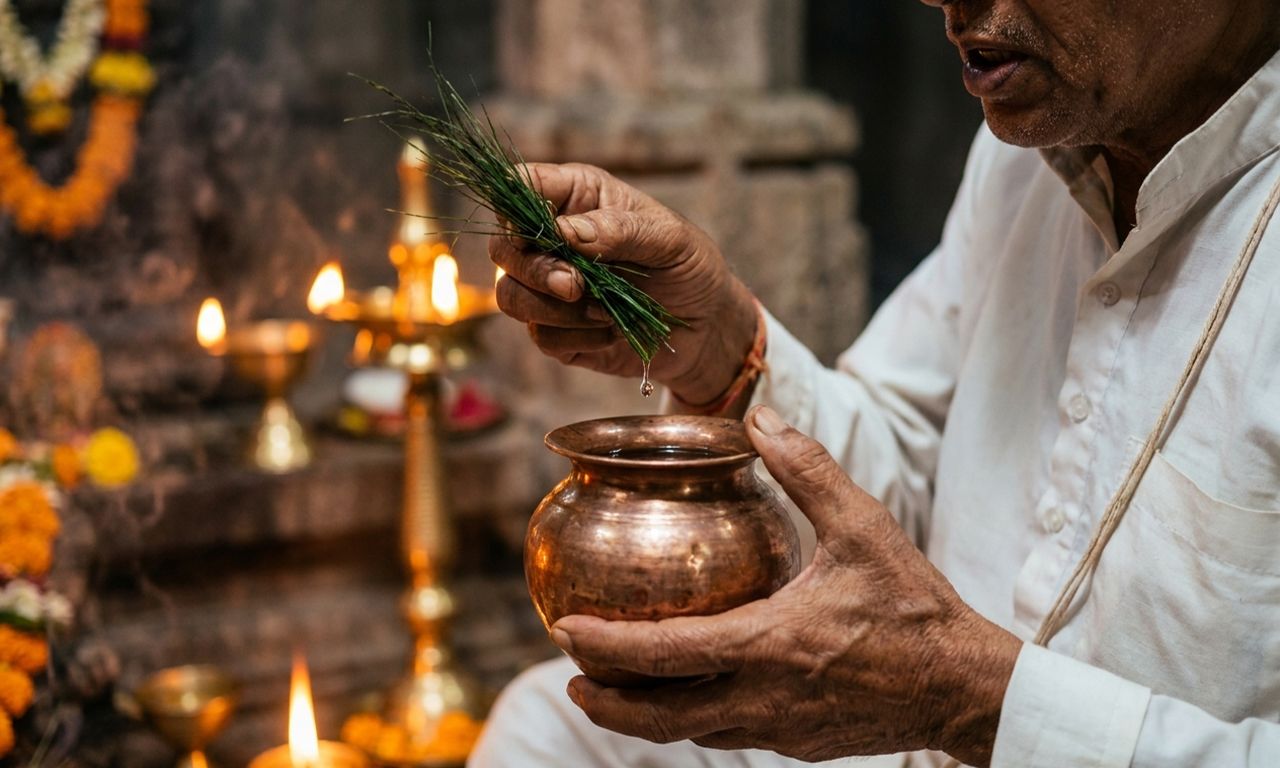
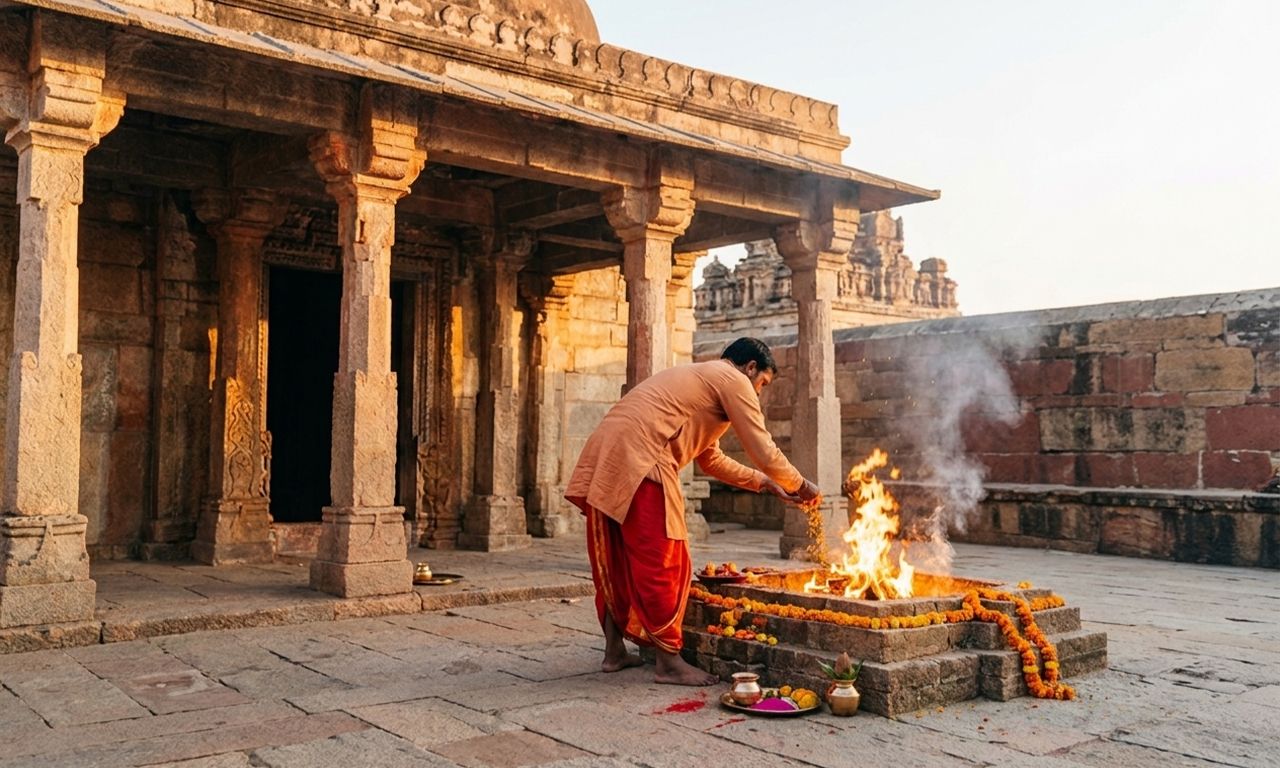
Guruji explains that our hands perform countless actions every day. They build, earn, create and serve. When these same hands perform Lord Shiva Puja, they become instruments of devotion. Offering water to the Shivling, placing Bilva Patra, lighting a Diya, offering flowers, preparing Prasad or participating in Rudrabhishek are not ordinary actions. Each offering teaches surrender. Each ritual teaches discipline. Each prayer teaches humility. The hands become blessed because they learn to serve before they seek.
Why Do We Worship Lord Shiva?
Many people begin worship when life becomes difficult. They pray for good health. They pray for success. They pray for relief from suffering. Lord Shiva certainly listens to every sincere prayer. Yet Guruji teaches that the highest purpose of worship is much greater than asking for blessings.
Every time we stand before Mahadev, we are reminded of His qualities. His simplicity. His compassion. His complete absence of ego. His acceptance of all beings. His unwavering stillness amidst chaos. As we worship Him regularly, these qualities slowly begin to influence our own lives.
This is the hidden power of Shiva Bhakti. Worship does not simply bring us closer to Lord Shiva. It gradually helps us become more like Him.
Every Offering Has a Spiritual Meaning
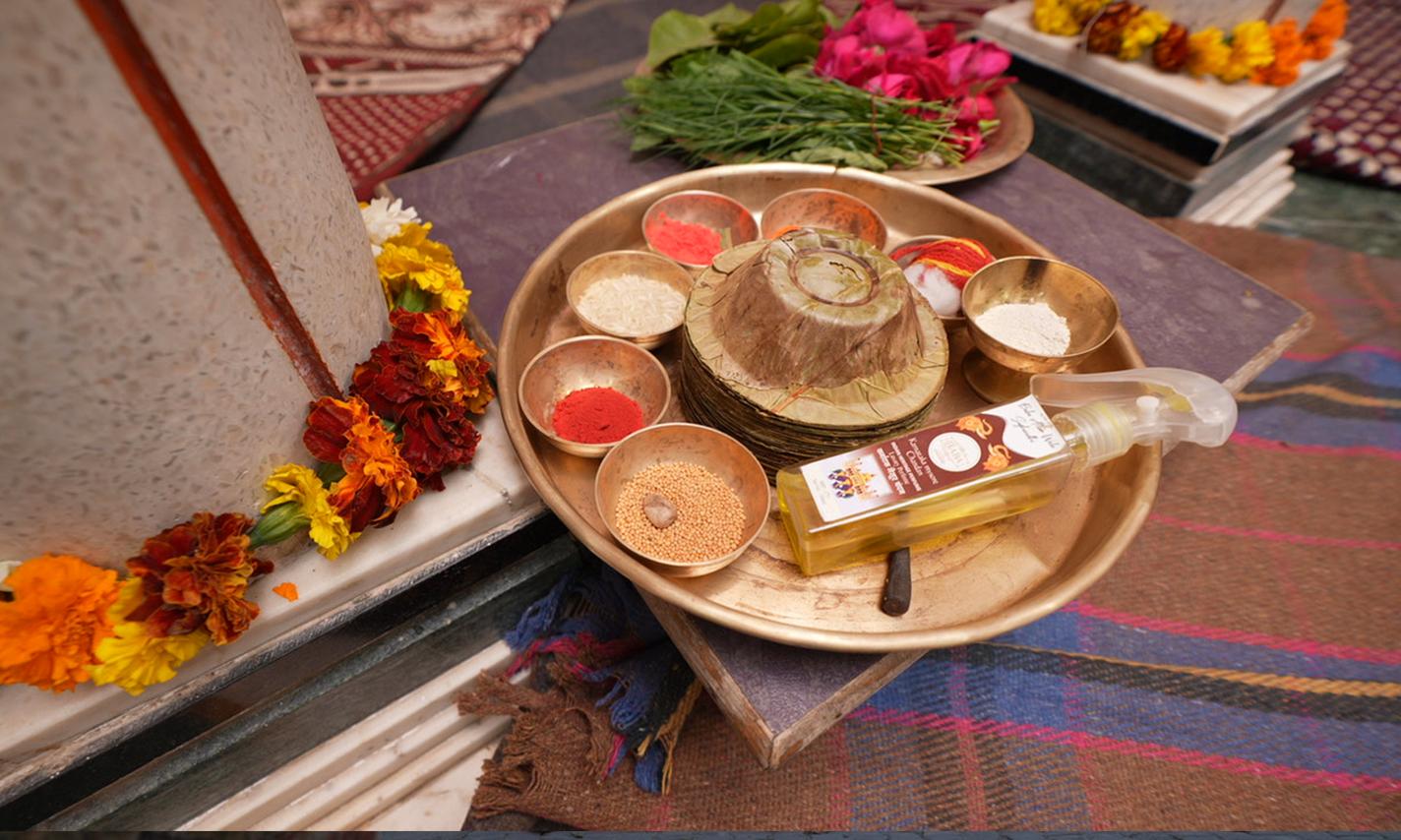
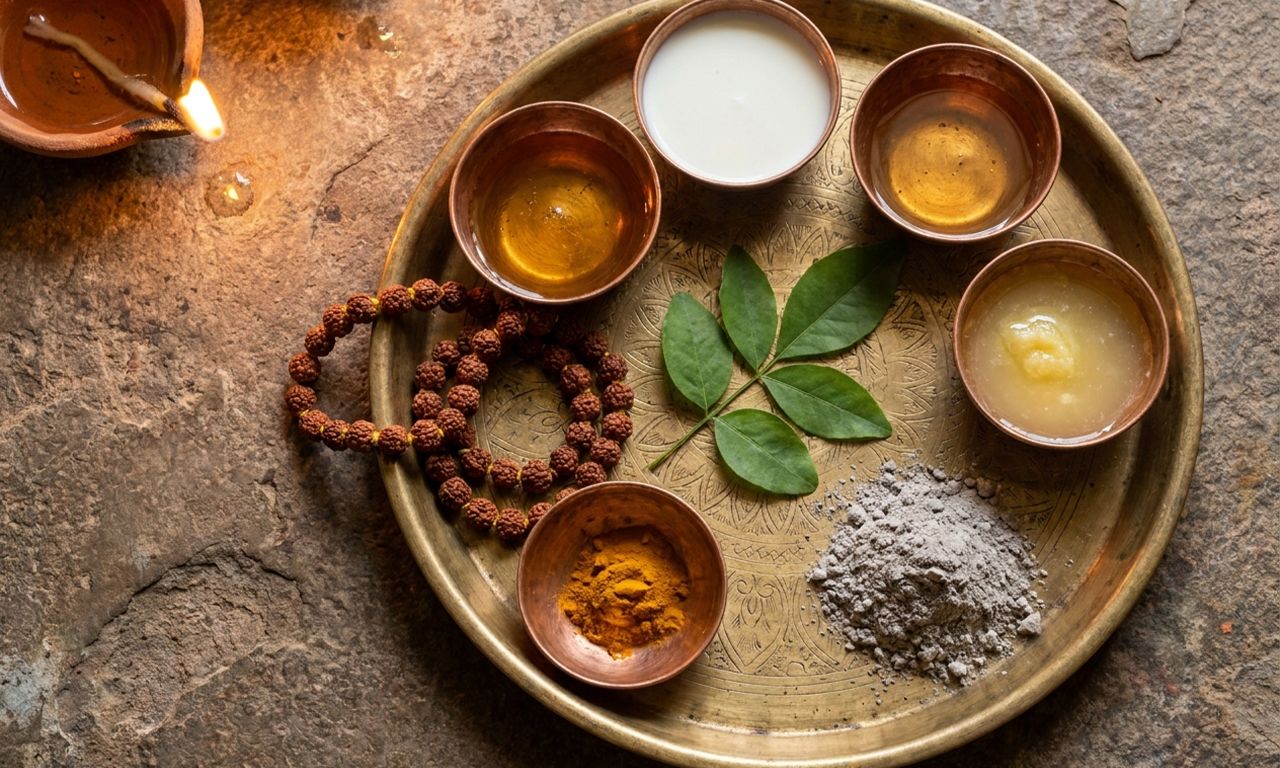
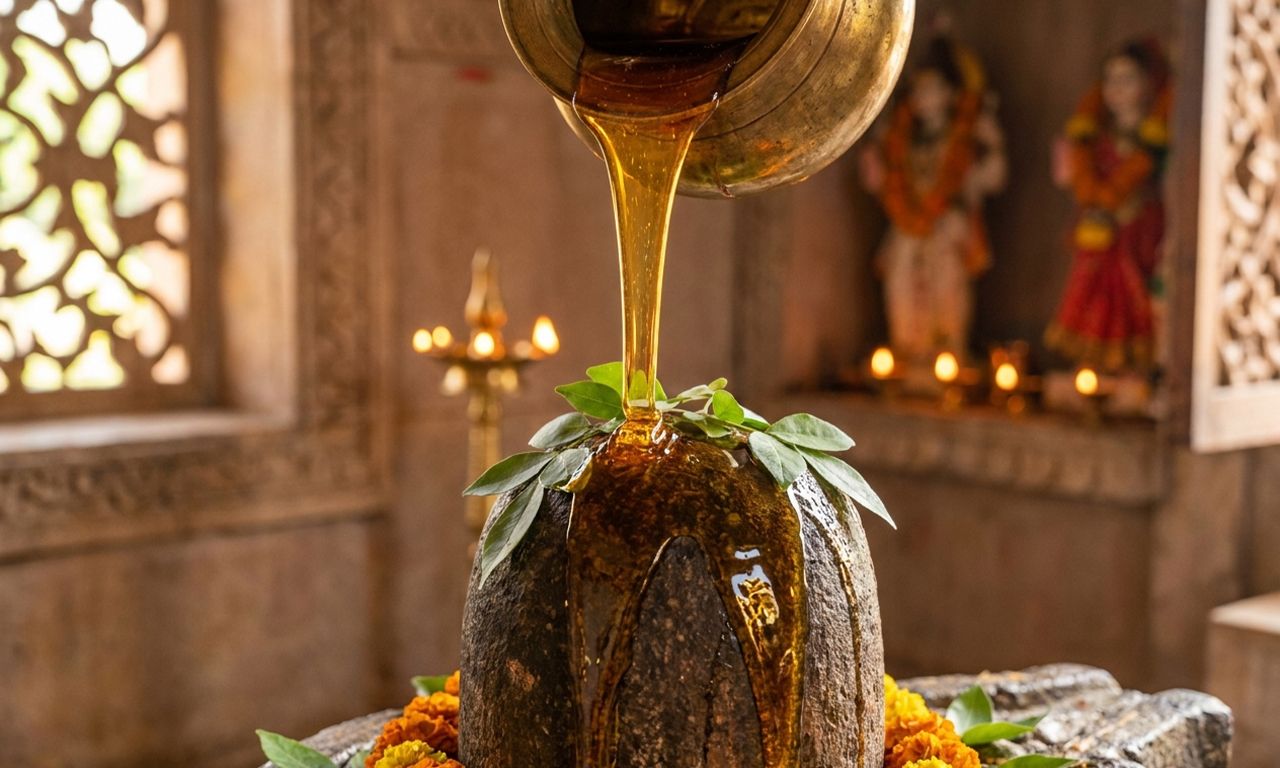
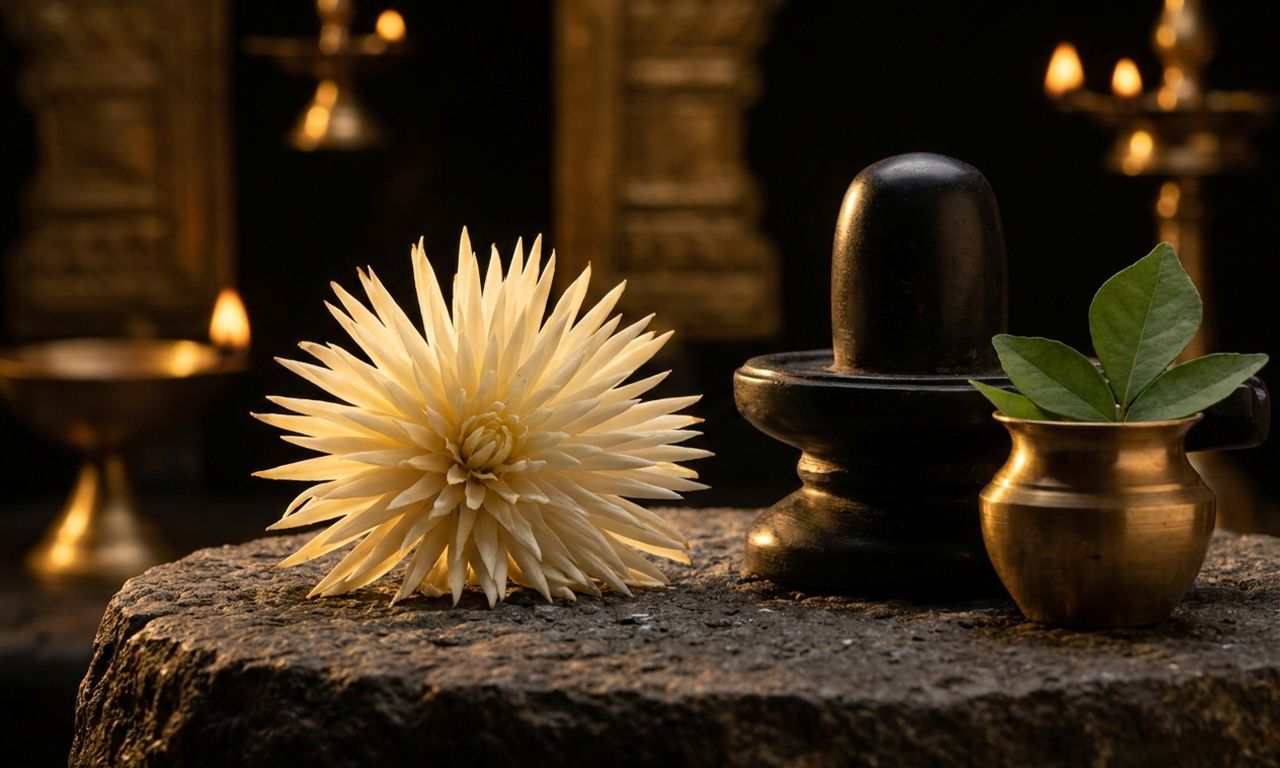
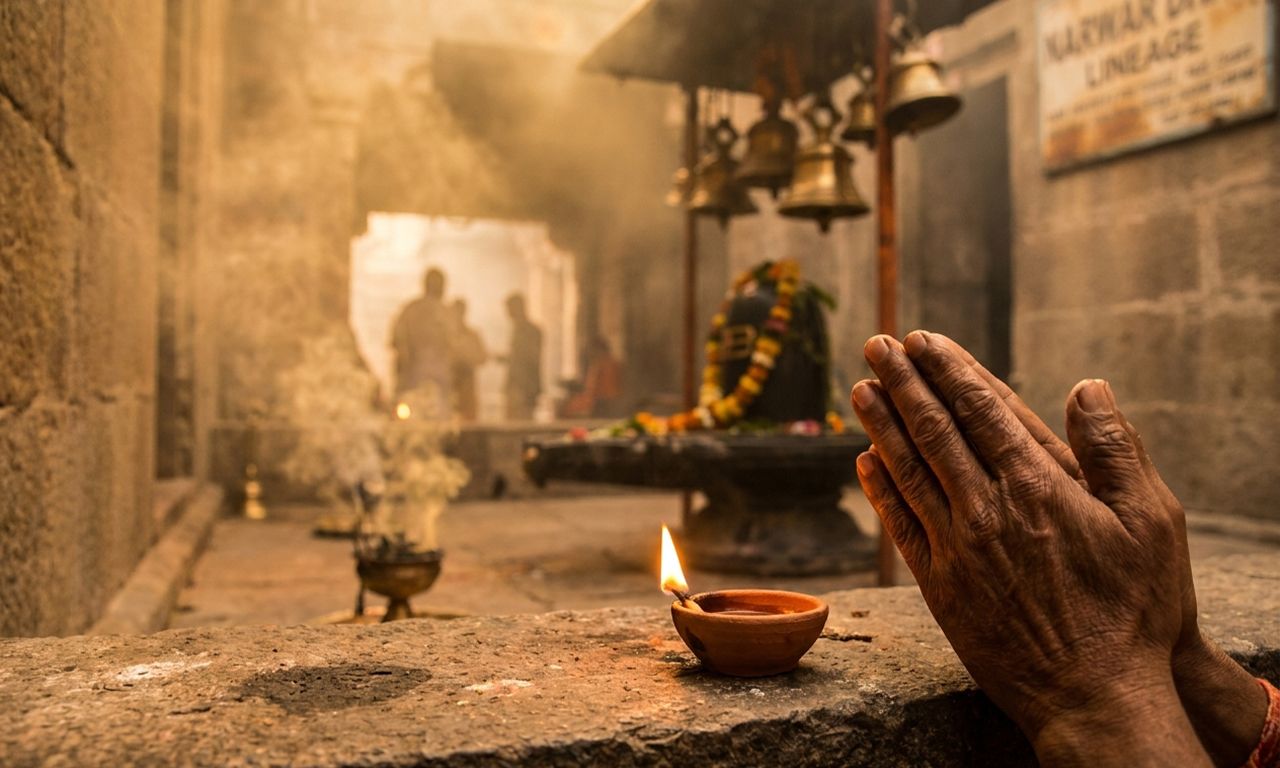
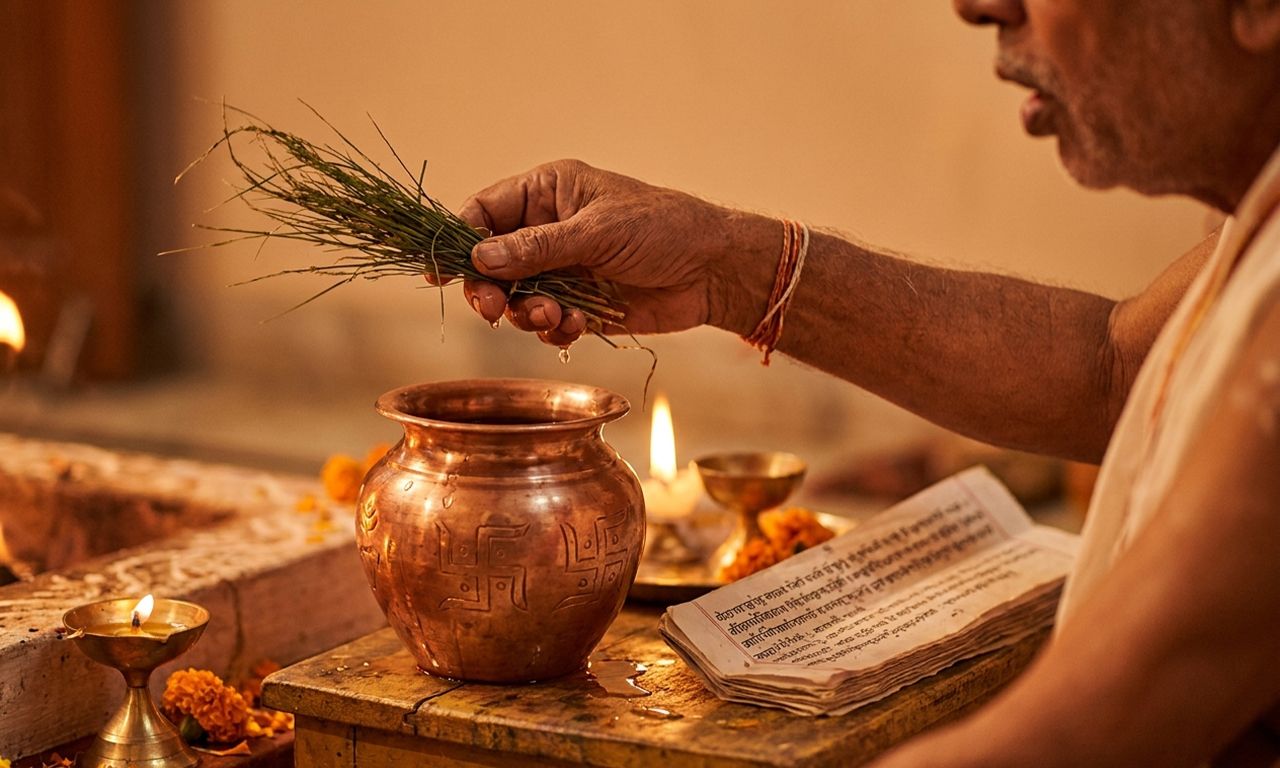
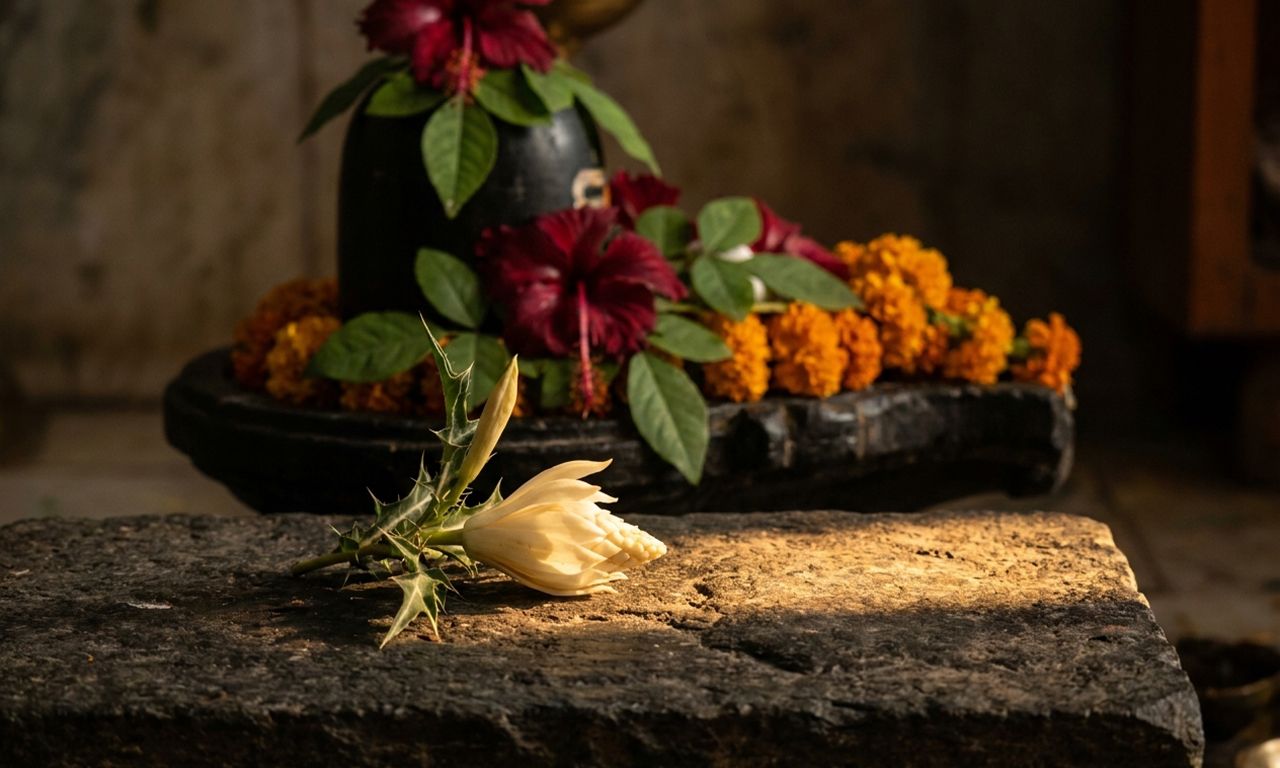
Nothing offered during Lord Shiva Puja is without significance. When we offer water, we pray for purity of thought. When we offer Bilva Patra, we express devotion with simplicity rather than extravagance. When we light a Diya, we pray for the removal of inner ignorance. When we offer flowers, we symbolically offer the fragrance of our own character. When we ring the bell, we seek to awaken the mind from distraction.
Guruji reminds devotees that understanding the meaning behind each ritual makes worship much more powerful than simply performing it mechanically. Rituals become meaningful when awareness accompanies every action.
Worship Is Not Measured by Grandeur
Many devotees worry that they cannot perform elaborate Pujas every day. Guruji removes this misunderstanding. Lord Shiva has never measured devotion by wealth or complexity. A devotee offering one handful of water with complete sincerity may be closer to Mahadev than someone performing an elaborate ceremony without faith.
A small home altar. A clean heart. A few moments of prayer. A sincere chant of Om Namah Shivaya. These are enough to begin. The value of worship lies in devotion, not display.
Worship Beyond the Prayer Room
Guruji teaches that true Shiva worship does not end when the Aarti concludes. Its real test begins afterwards.
If worship makes us more patient with our family, it has succeeded. If it makes us more honest in our work, it has succeeded. If it helps us forgive someone, it has succeeded. If it reduces anger and increases compassion, it has succeeded.
The purpose of Lord Shiva Puja is not only to transform a few minutes of the day. It is to transform the person who performs it.
The Unique Place of Rudrabhishek
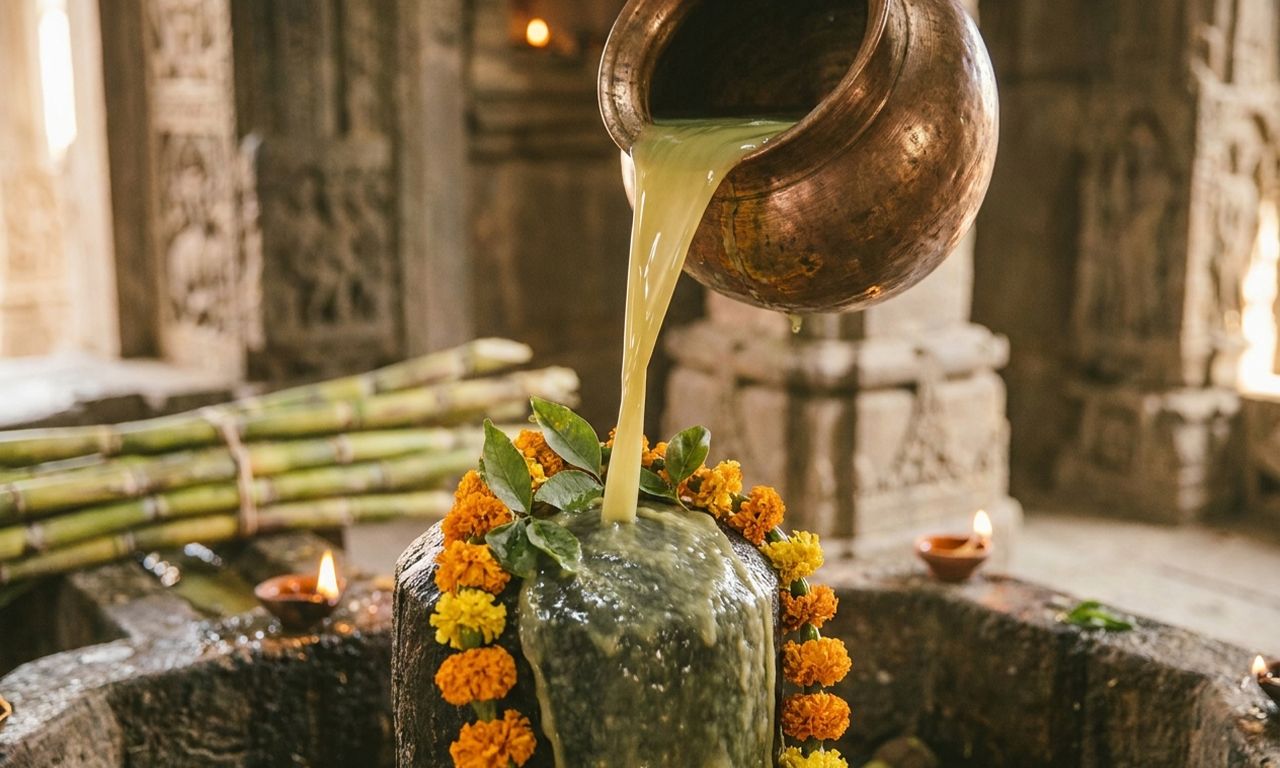
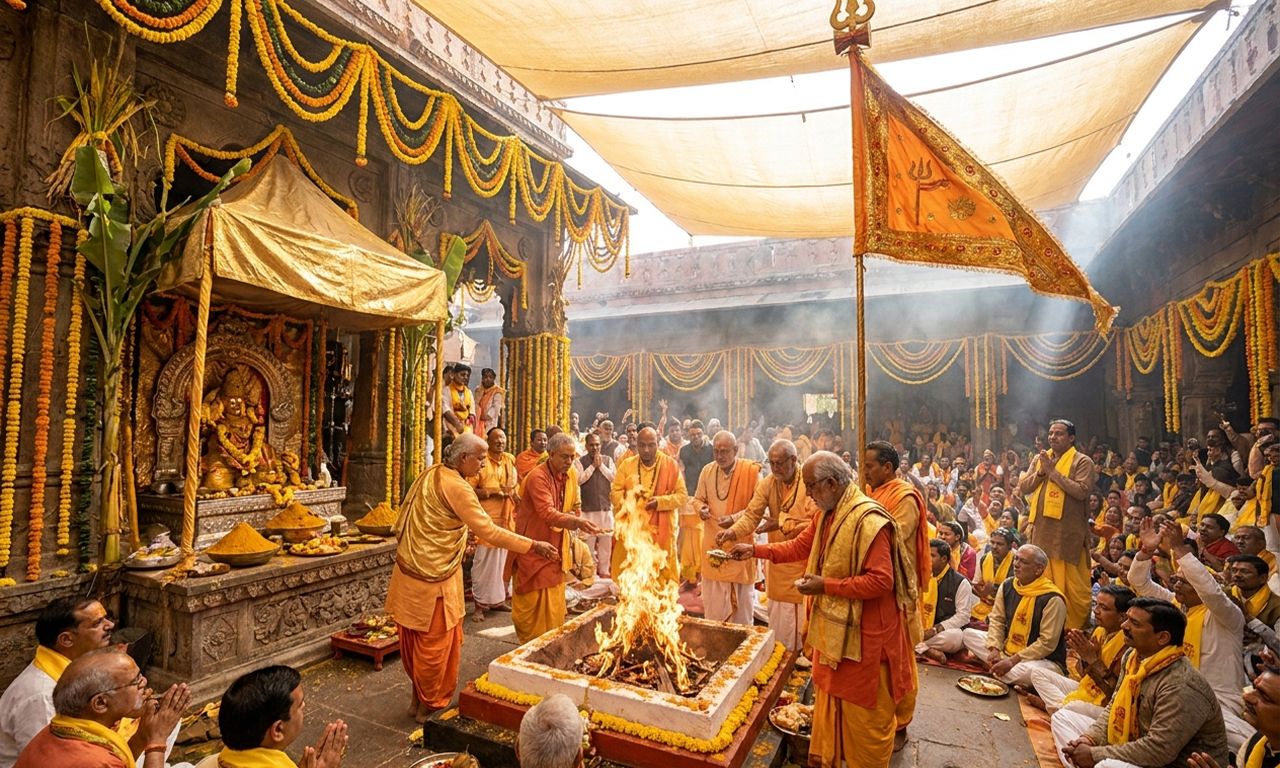
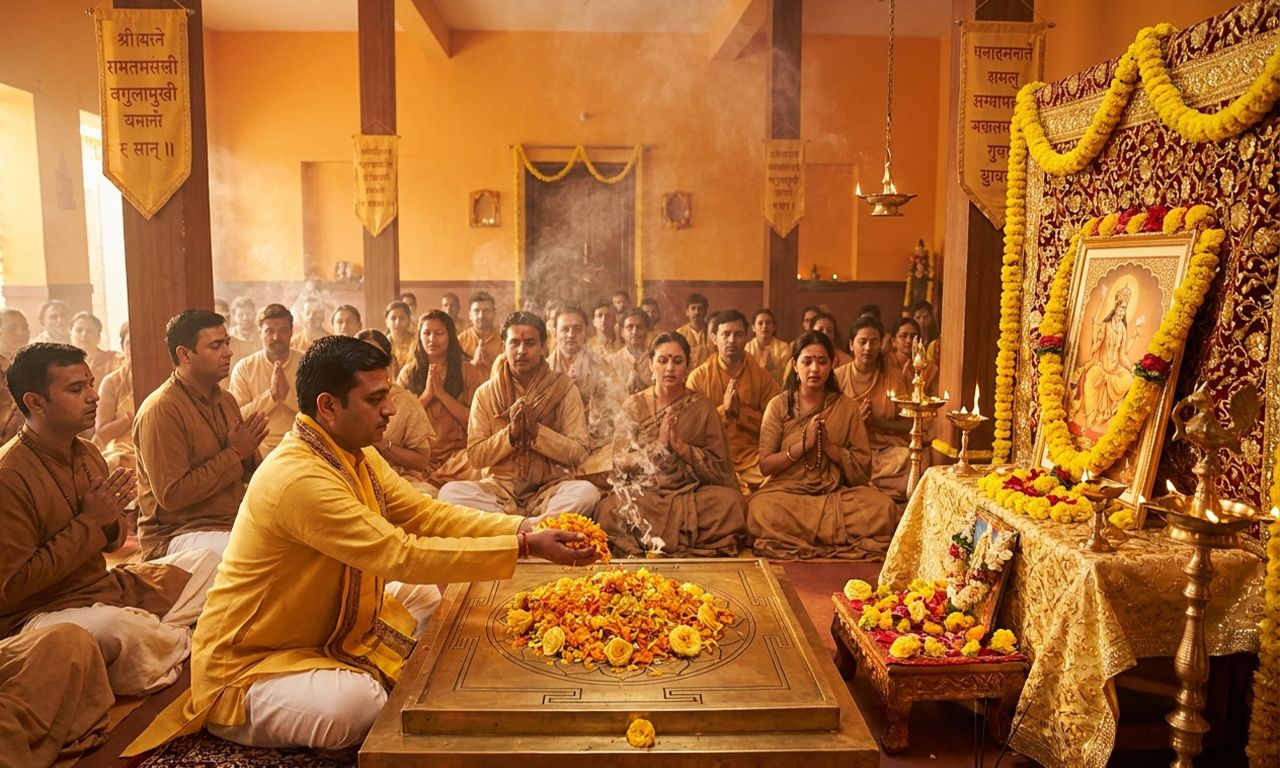
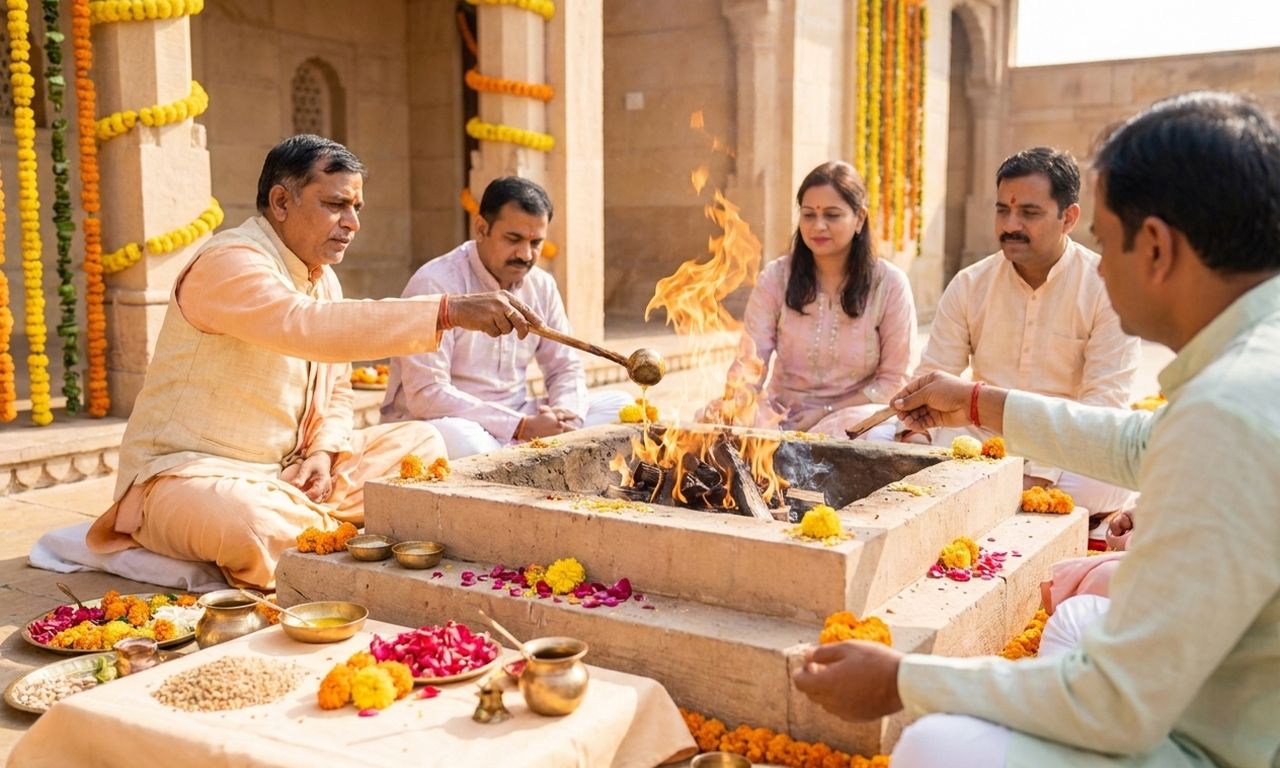
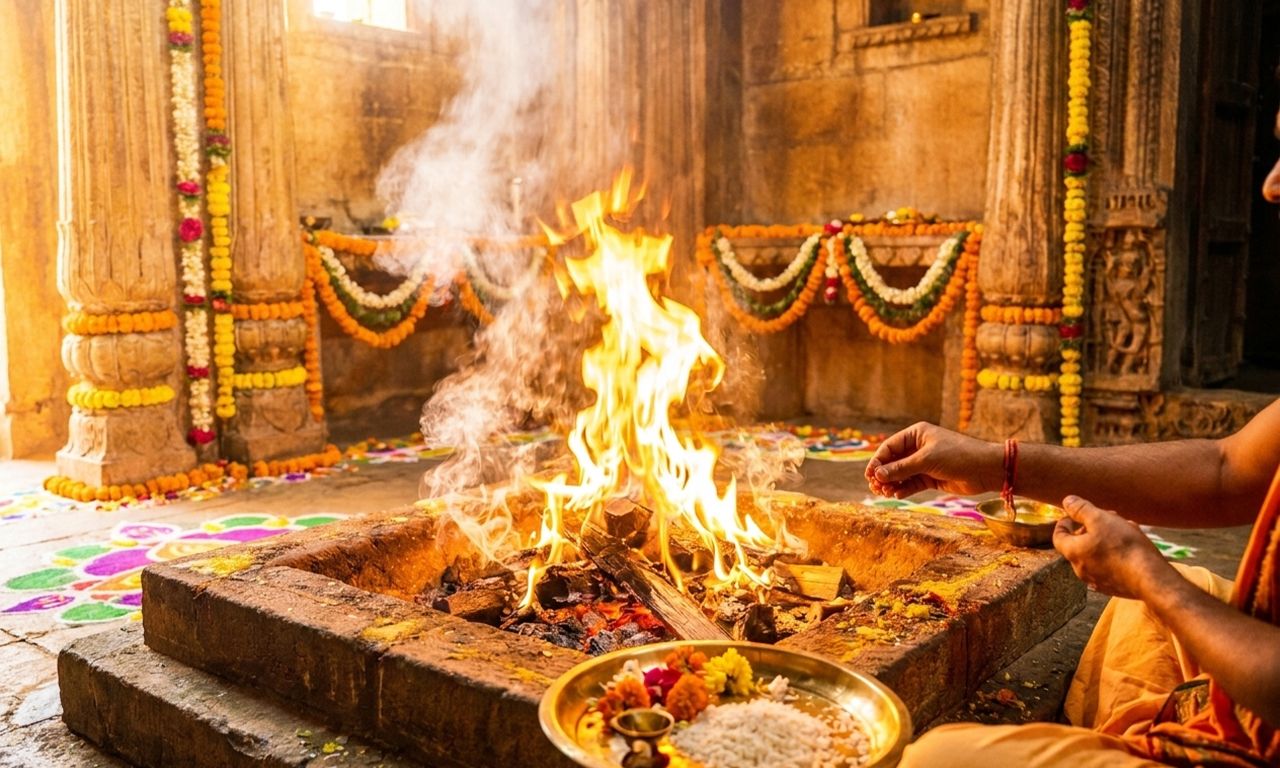
Among all forms of Shiva worship, Rudrabhishek occupies a special place in the Vedic tradition. It combines sacred mantras, Abhishek, Sankalp and prayer into one complete act of devotion.
Guruji explains that during Rudrabhishek, devotees do not merely ask for material blessings. They surrender their worries. They express gratitude. They pray for the well-being of their family. They seek strength to walk the path of Dharma.
Every mantra chanted during the ritual purifies the atmosphere, while every offering becomes an expression of surrender before Mahadev. This is why Rudrabhishek continues to be regarded as one of the most revered forms of Lord Shiva Puja.
Making Worship Part of Everyday Life
Daily worship need not be complicated. Wake up a few minutes earlier. Offer clean water to the Shivling. Light a Diya. Offer Bilva Patra whenever available. Chant Om Namah Shivaya with complete attention. Spend a few moments in Shiv Chintan. Read one verse from a sacred text or listen to a short Shiv Katha.
These simple practices create a rhythm of devotion that gradually influences the rest of the day. Consistency is far more important than perfection.
The Narwar Dham Tradition
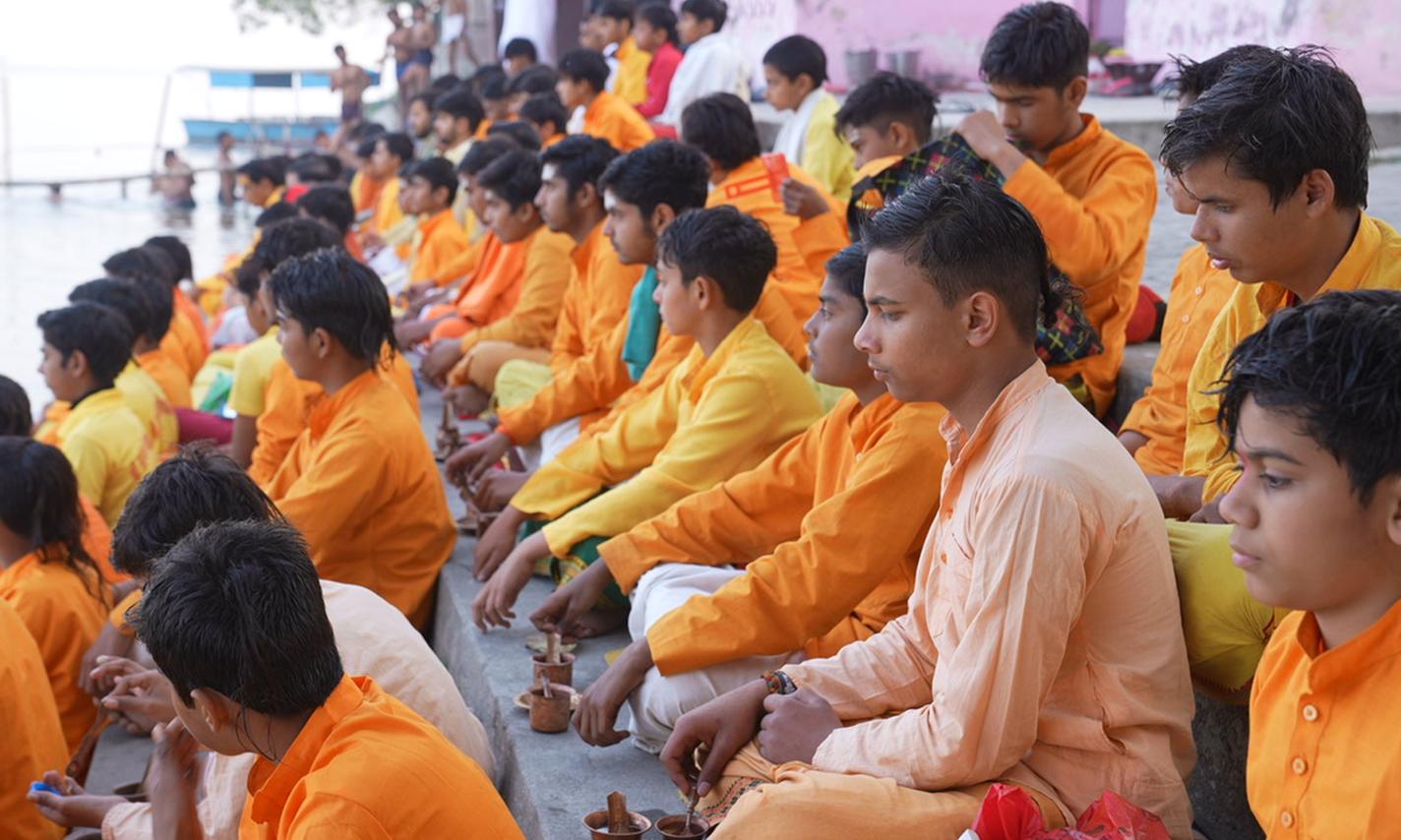
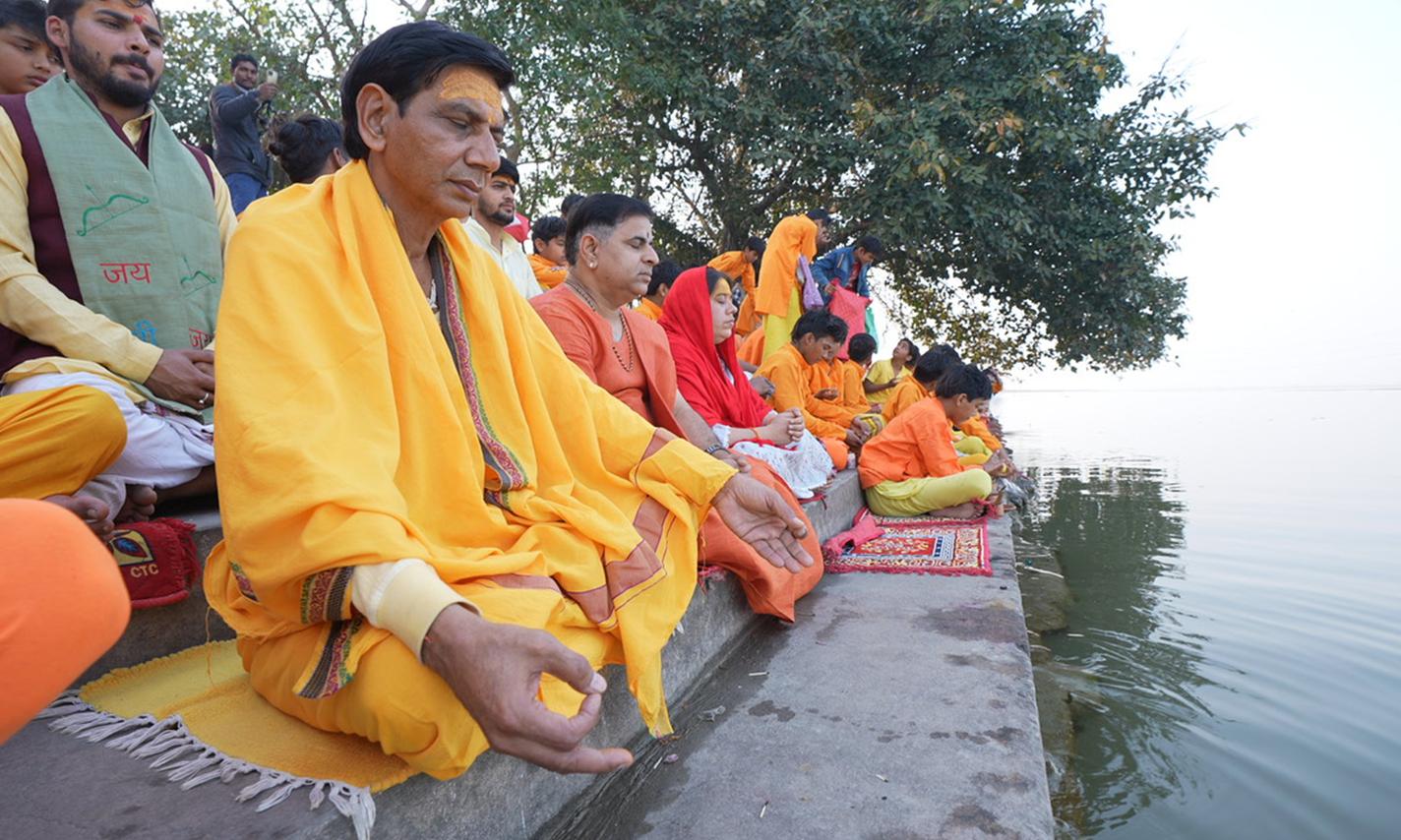
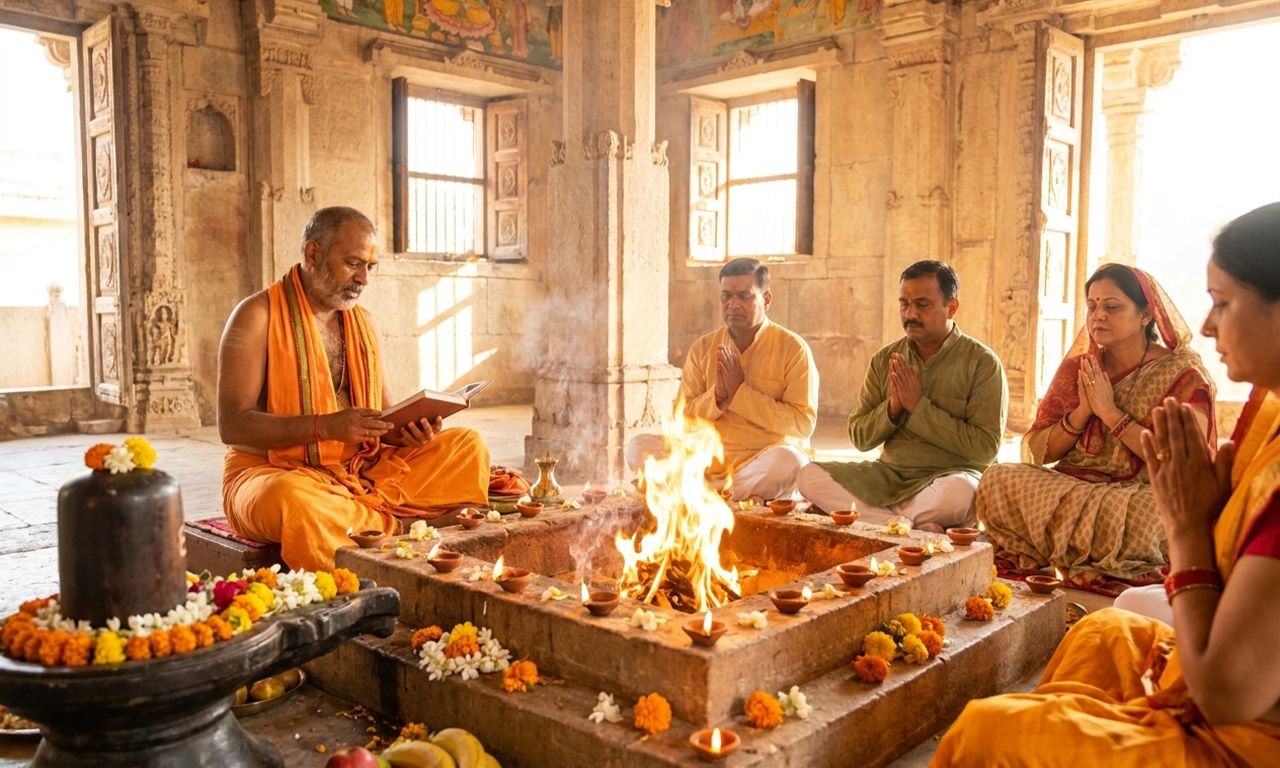
For over 120 years, the Narwar Dham Guru Parampara has preserved authentic Vedic methods of Lord Shiva Puja through disciplined practice and Guru-Shishya tradition. Every ritual performed at Narwar Dham follows scriptural procedures while reminding devotees that external worship and inner transformation must always go together.
The purpose of worship has never been limited to completing rituals. Its purpose is to awaken devotion, cultivate humility and strengthen one's relationship with Lord Shiva through sincere practice. This living tradition continues through daily worship, Vedic learning and Rudrabhishek performed by learned Acharyas.
Frequently Asked Questions
Why do we worship Lord Shiva?
We worship Lord Shiva to express devotion, seek His blessings and gradually cultivate qualities such as compassion, humility, detachment and inner peace in our own lives.
Is daily Shiva Puja necessary?
Daily worship, even if simple, helps maintain a continuous connection with Lord Shiva. Consistency is more important than the length or complexity of the ritual.
Can I perform Lord Shiva Puja at home?
Yes. A simple home altar with a Shivling or an image of Lord Shiva is sufficient. Sincere devotion is always more important than elaborate arrangements.
What should I offer during Shiva Puja?
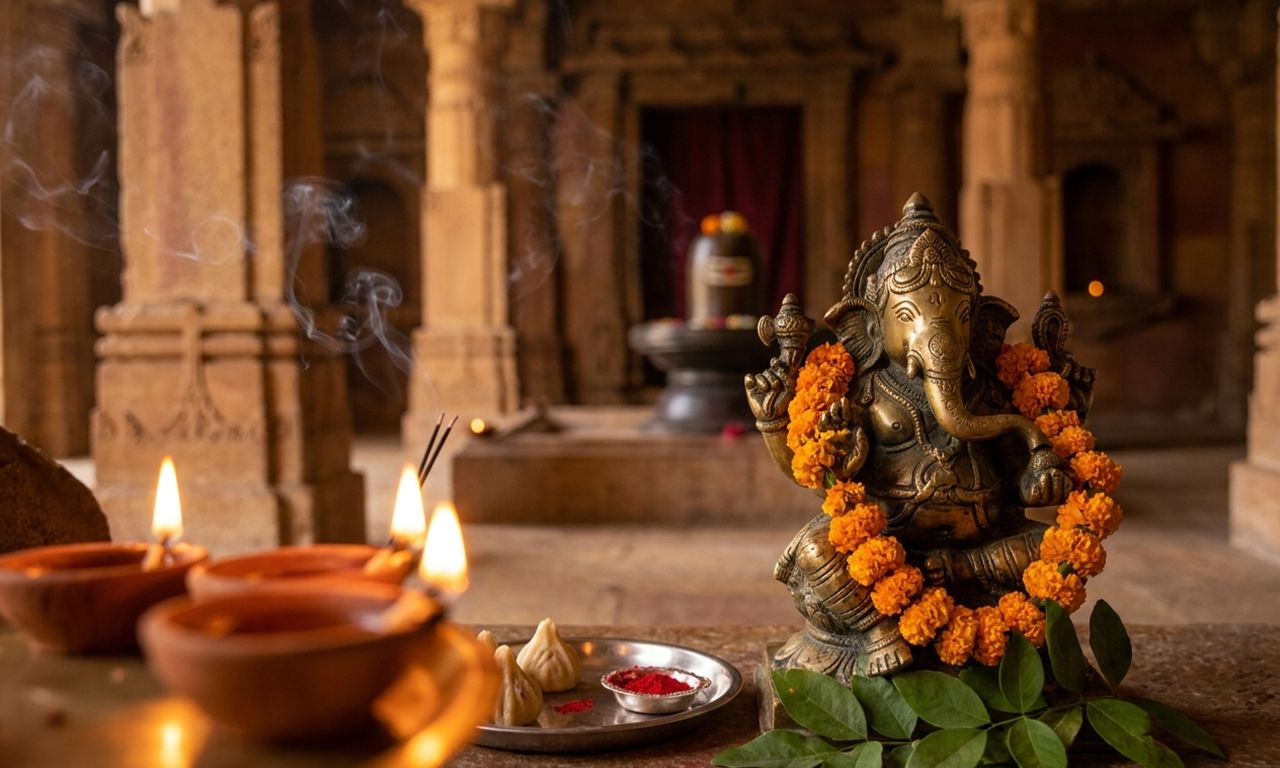
Traditionally, devotees offer water, Bilva Patra, flowers, incense, a Diya and heartfelt prayers. The greatest offering, however, is sincere devotion.
Why is Rudrabhishek considered special?
Rudrabhishek is one of the most sacred Vedic rituals dedicated to Lord Shiva. Through Abhishek, mantras and Sankalp, devotees pray for peace, health, prosperity and spiritual growth.
From Faith to Sadhana
Worship becomes truly meaningful when it moves beyond routine and becomes an expression of sincere devotion. One of the most powerful ways to experience this is through Rudrabhishek, where sacred Vedic mantras, Abhishek and heartfelt Sankalp come together in the worship of Mahadev.
This Sawan, join the Sawan Maha Rudrabhishek performed in the 120-year-old Narwar Dham Guru Parampara. Our learned Acharyas perform the complete Vedic ritual in your name and gotra, praying for peace, health, prosperity and spiritual progress.
Offer your Sankalp today and let your worship become a lifelong journey towards Lord Shiva.