The Mother Who Walks Backwards - What Acharya Rajan Dixit ji Said About Divine Respect
By SiddhiStar | Narwar Dham Parampara
15 May 2026 • 4 min read
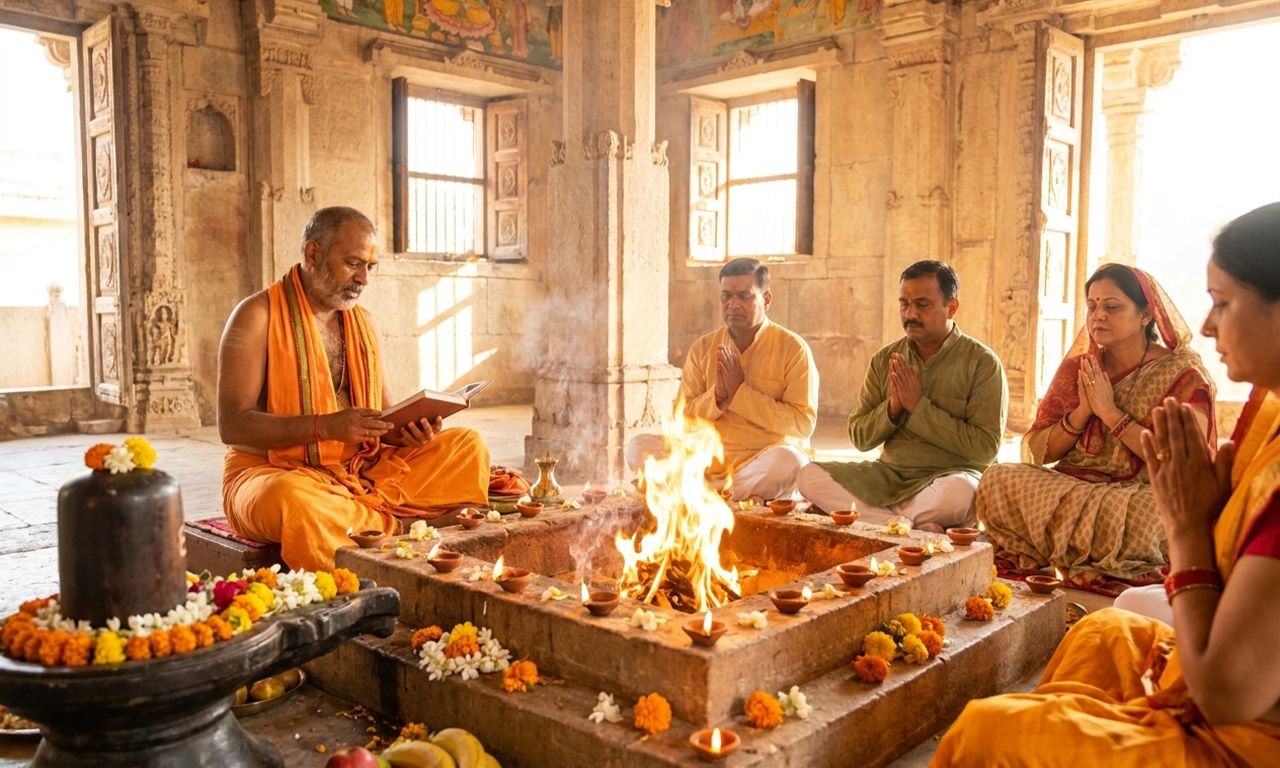
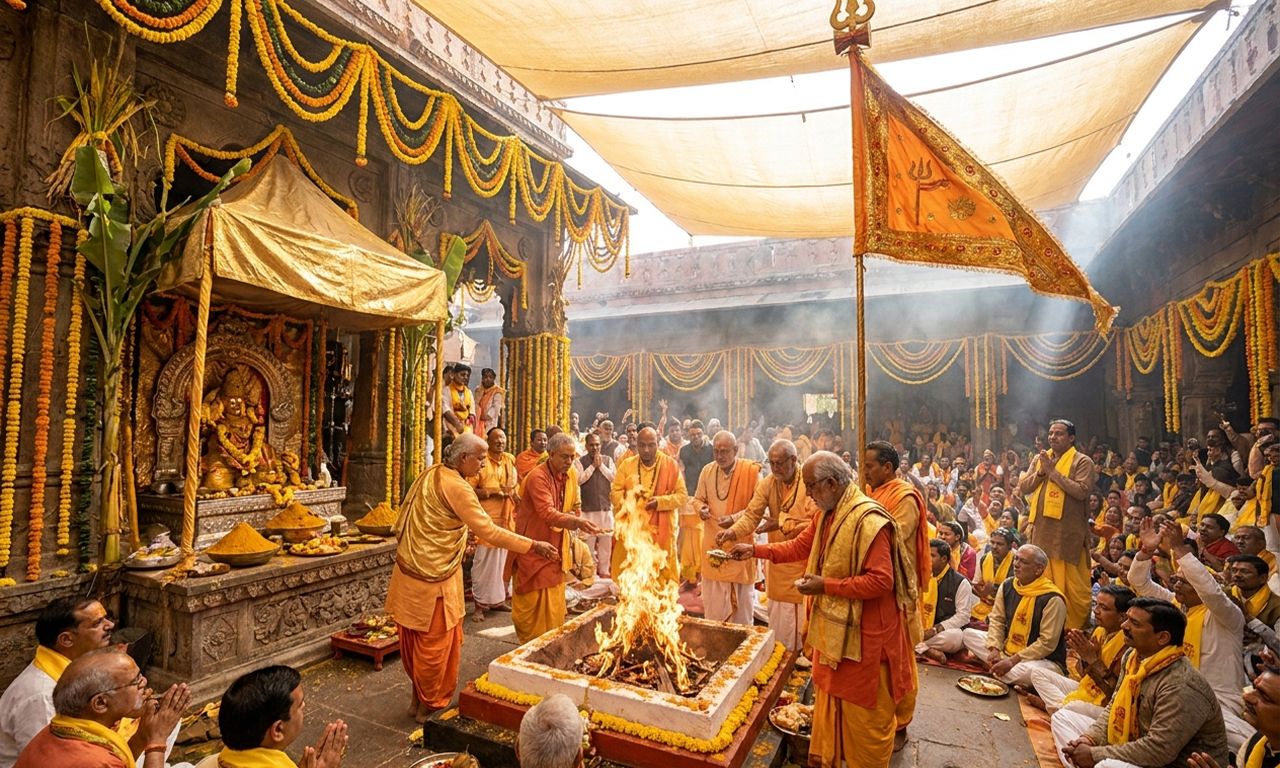
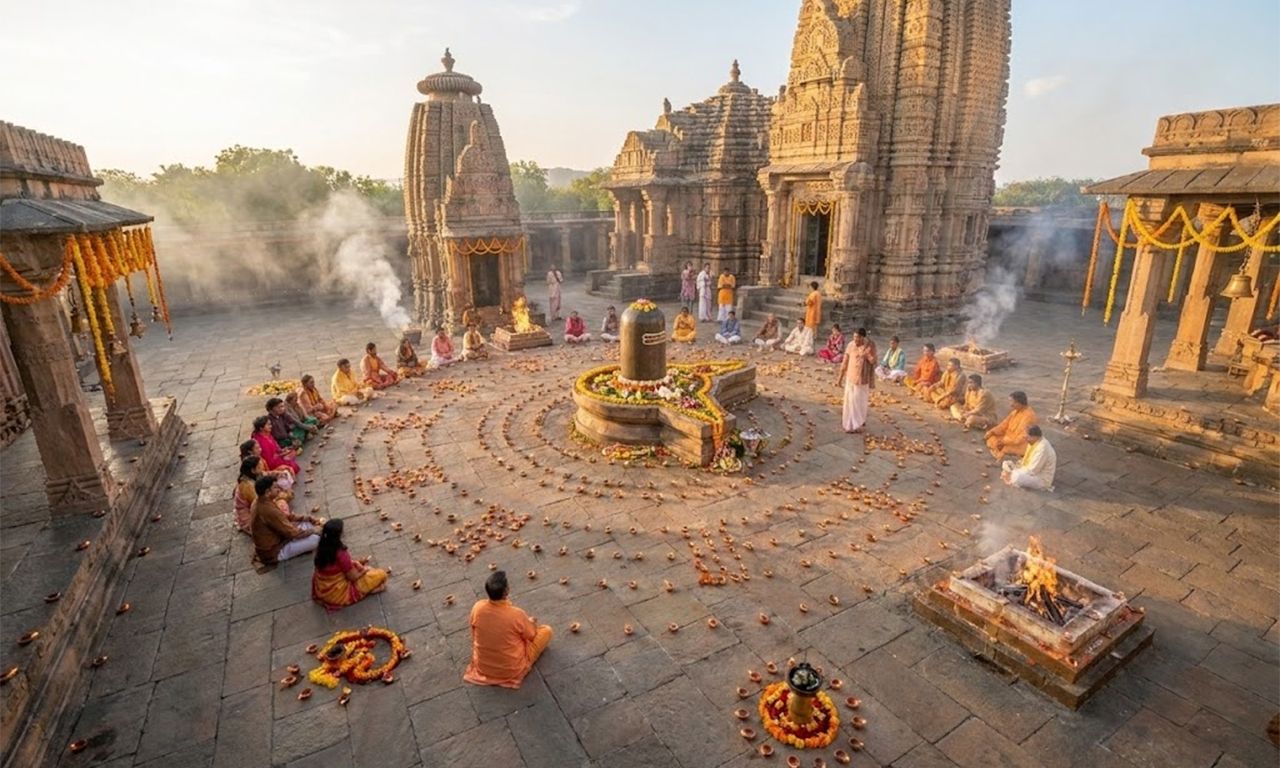
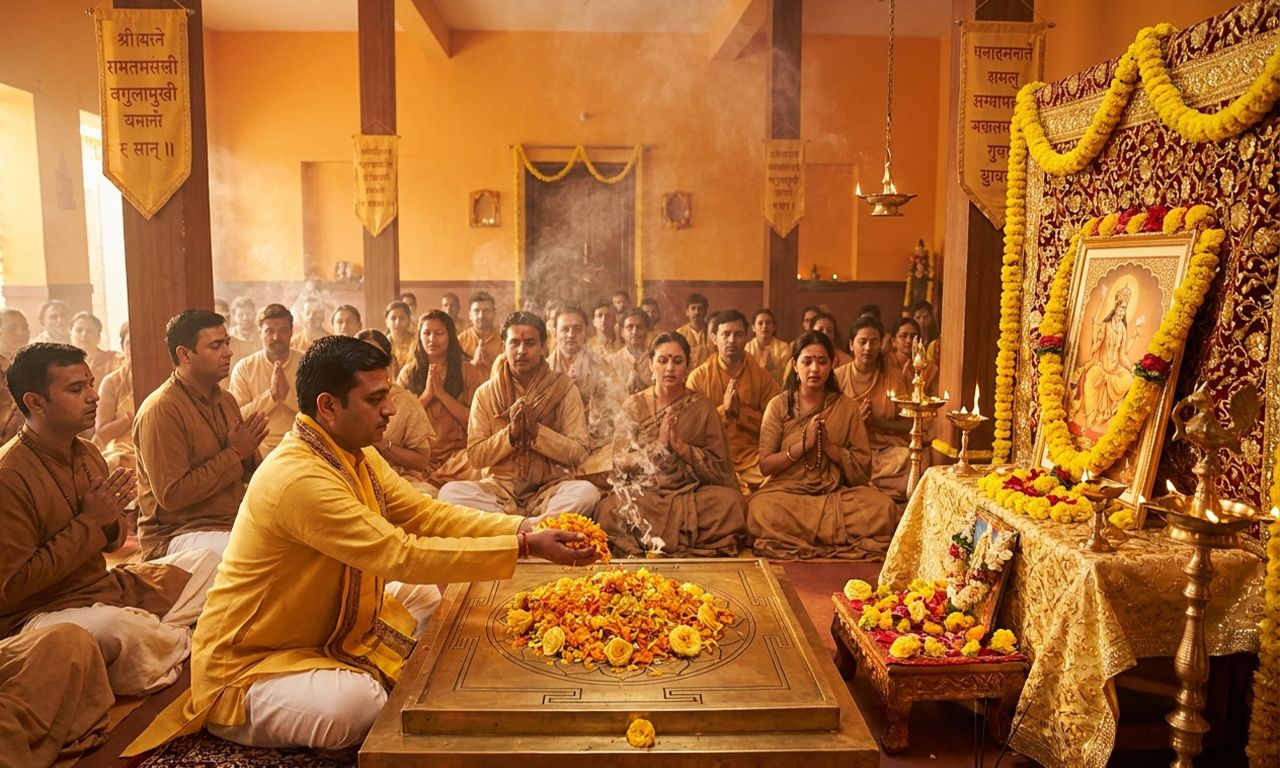
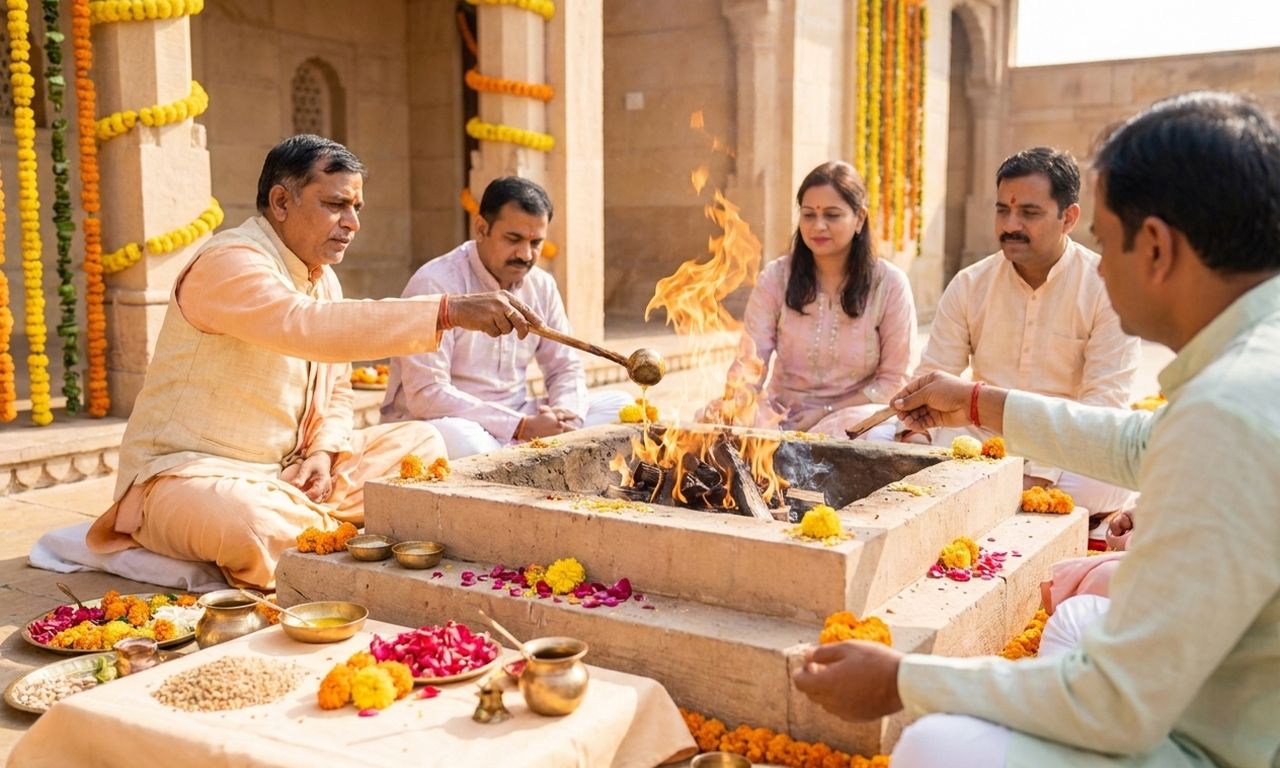
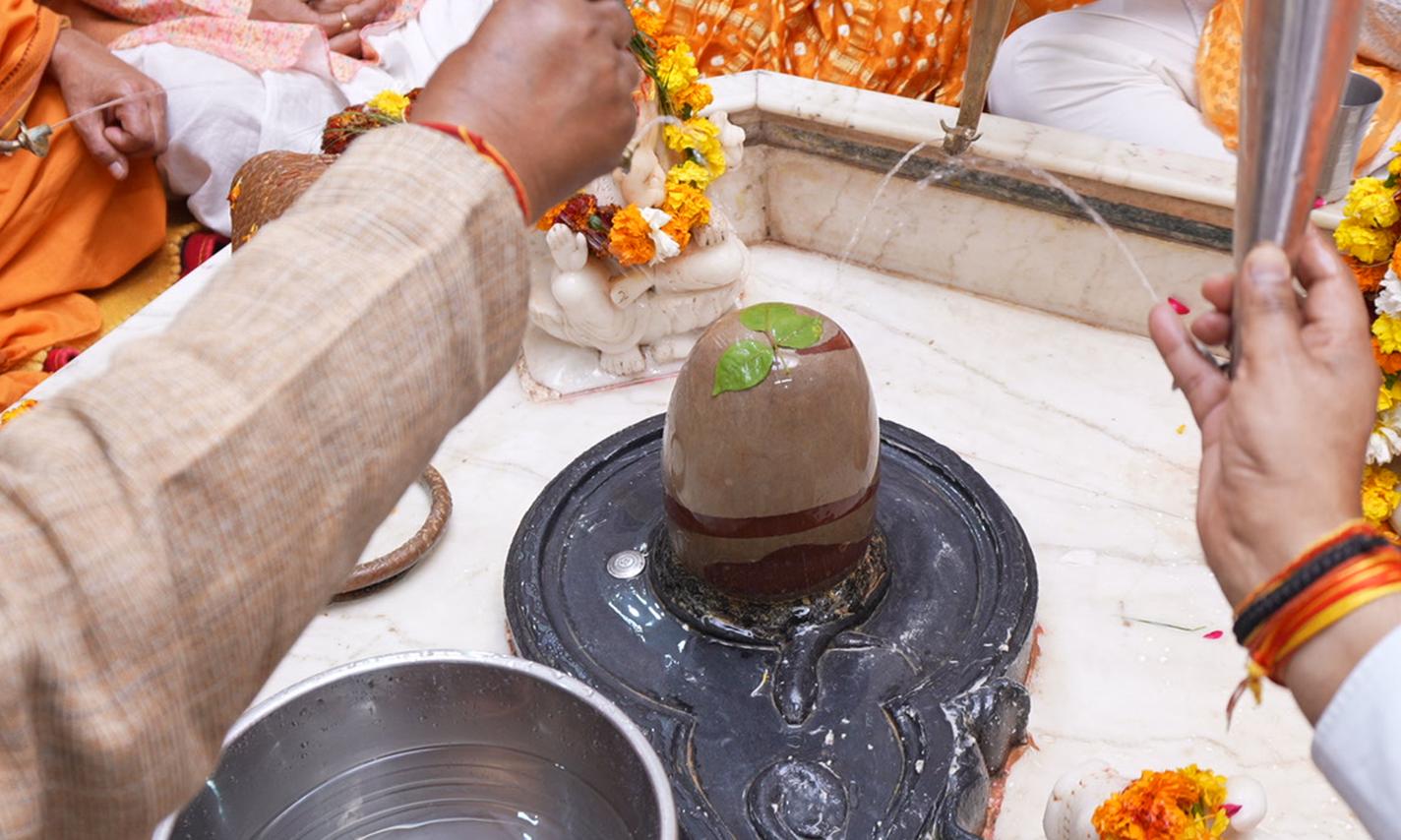
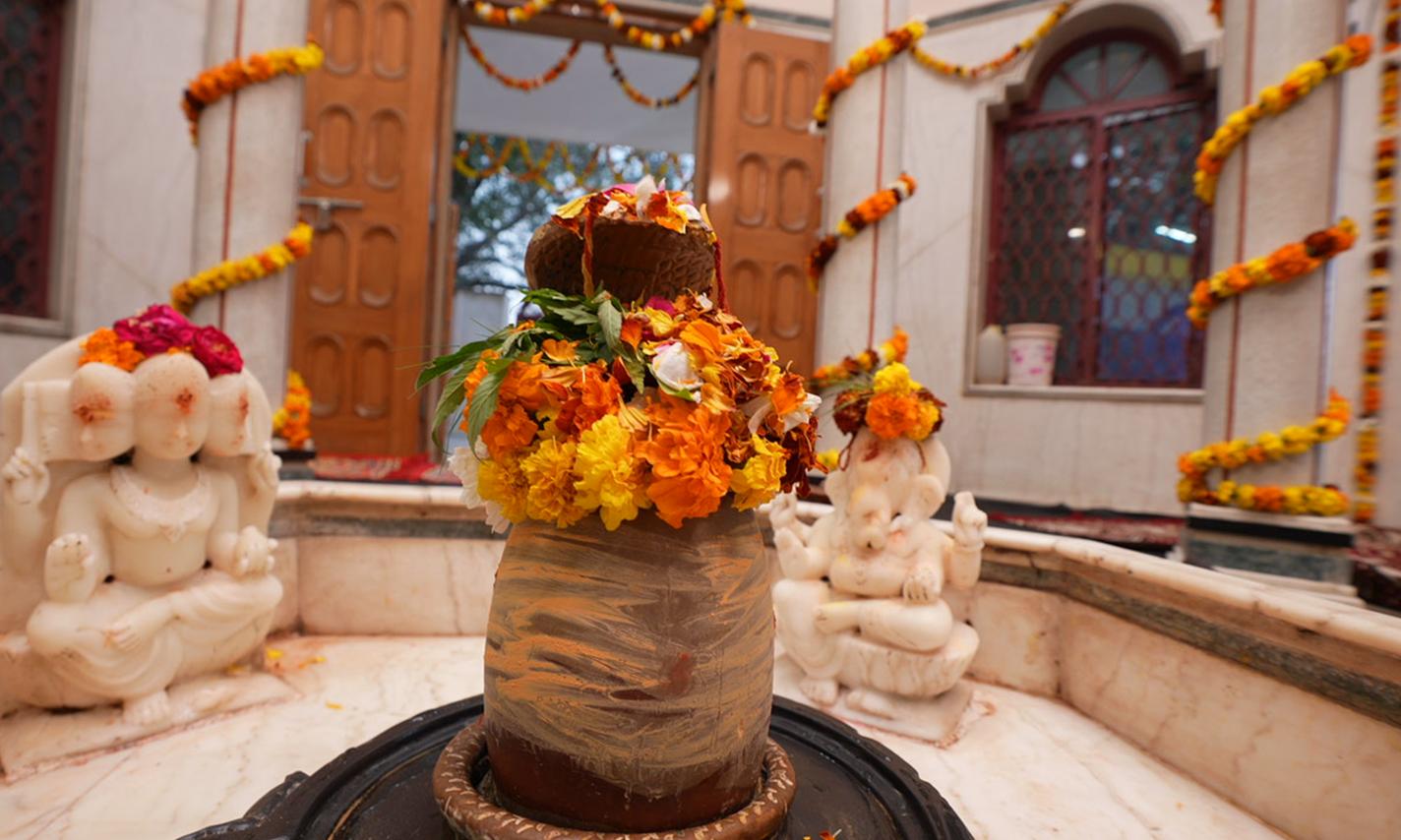
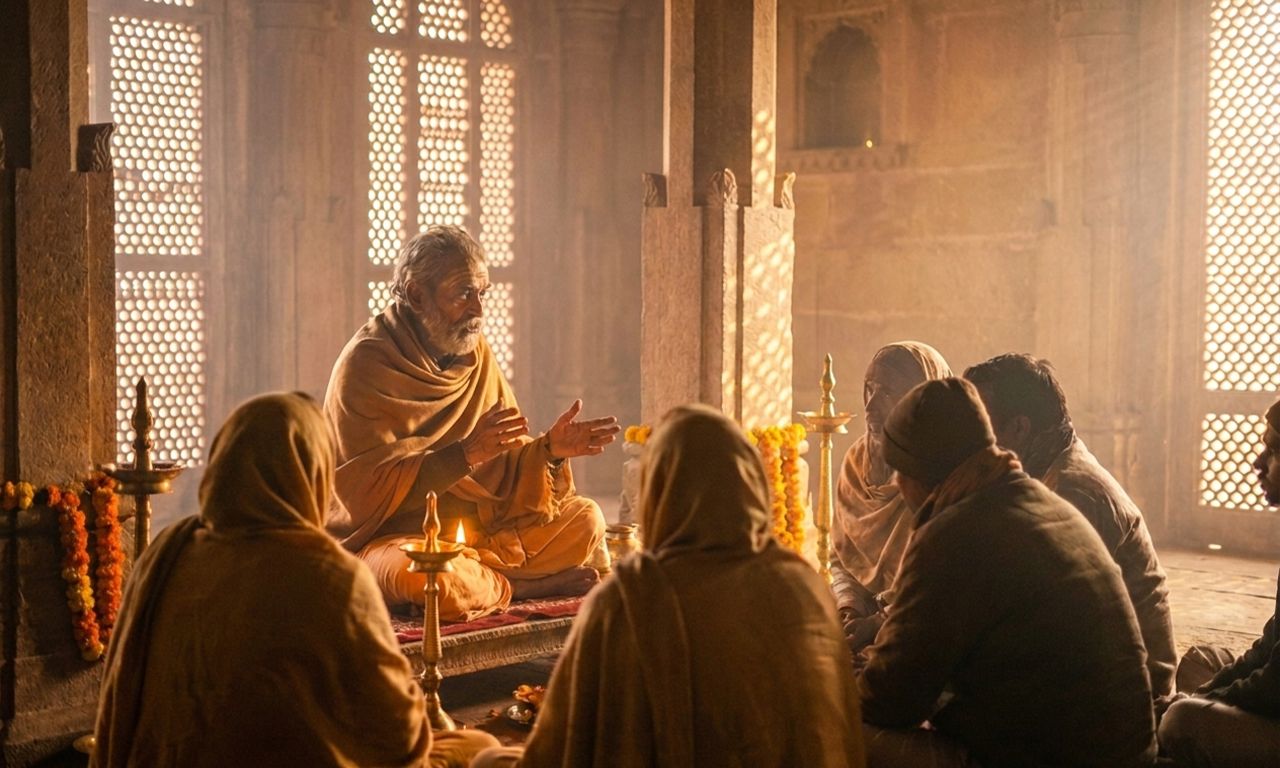
At the SiddhiStar mahashivratri puja at Narwar Dham, between sections of the Rudrabhishek, Acharya Rajan Dixit ji told a brief story. It was about a mother. It is one of the simplest stories told that night, and one of the deepest.
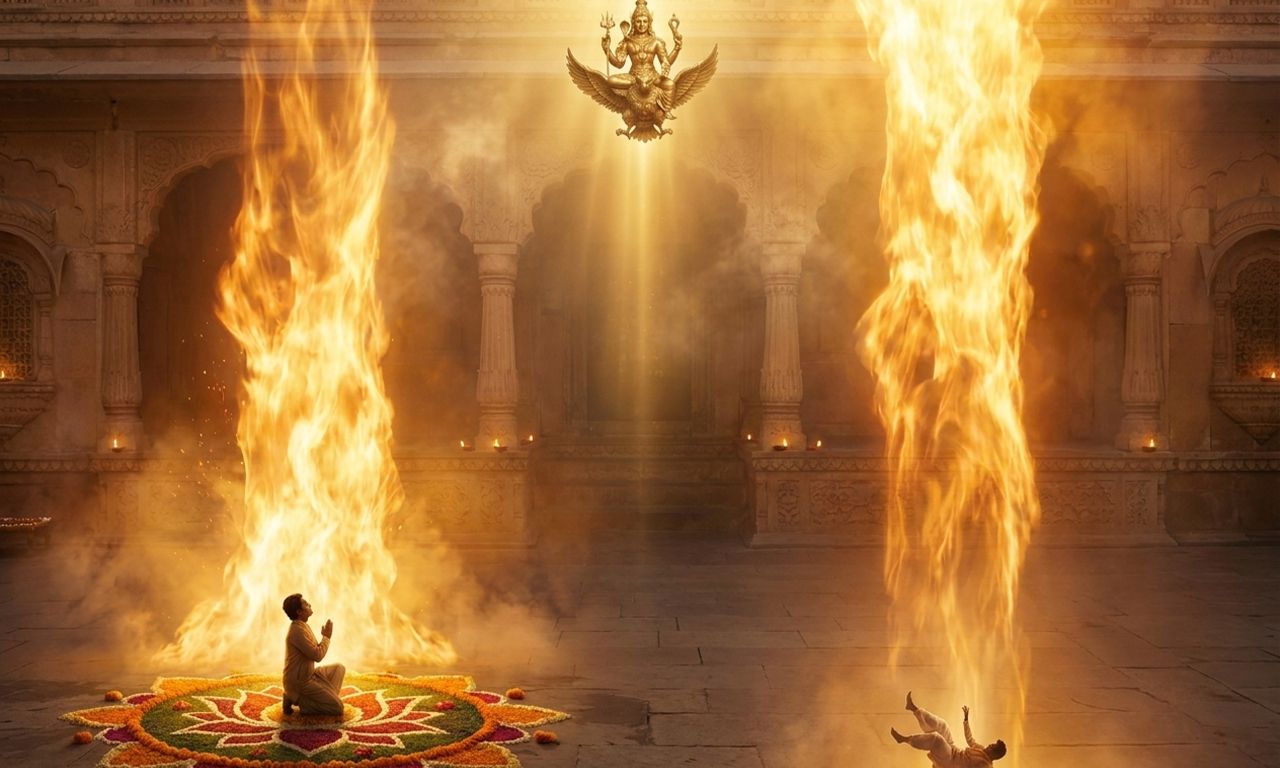
The mother in the story walks backwards through her own home. Not because of any physical limitation. Because of a specific decision she made when her child was very young: she would never turn her back on the deity in the puja room.
The Setup
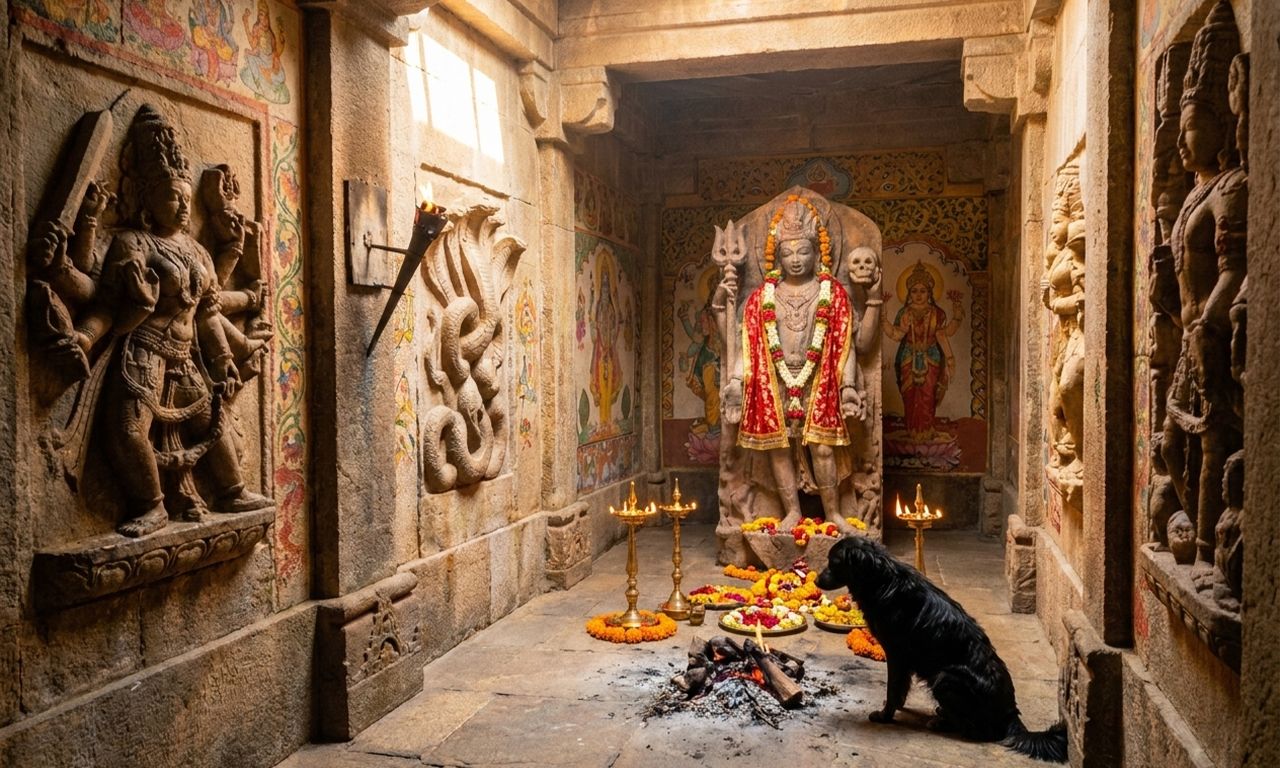
The puja room in this household was at the eastern end of the house. The kitchen was at the western end. The mother spent much of her day moving between the two - preparing food, returning to the puja room for daily worship, going back to the kitchen, and so on. To walk normally between them, she would turn her back on the puja room every time she left it.
She decided this was not acceptable. The deity was always present in the puja room, whether or not active worship was being conducted. To turn her back on the deity, even casually, was to introduce a discourtesy into her relationship with the divine.
So she developed a practice: she would walk backwards from the puja room to wherever she was going. Slowly. Carefully. So that the deity always remained in her view.
She continued this practice for decades.
What Acharya ji Said About This
The story does not have a dramatic ending. The mother grew old. She died. Her grandchildren remember her walking backwards. That is the whole story.
But Acharya Rajan Dixit ji told it during the mahashivratri puja to establish something specific: the quality of devotion is not measured by what the devotee asks for. It is measured by the small, continuous, unrequested gestures of respect that the devotee offers the divine across the years of an ordinary life.
The mother in the story never asked for anything dramatic. She did not perform large pujas. She did not seek visions or boons. She simply walked backwards. For decades. Because turning her back on the deity felt wrong to her.
What This Means in a Rudrabhishek Setting
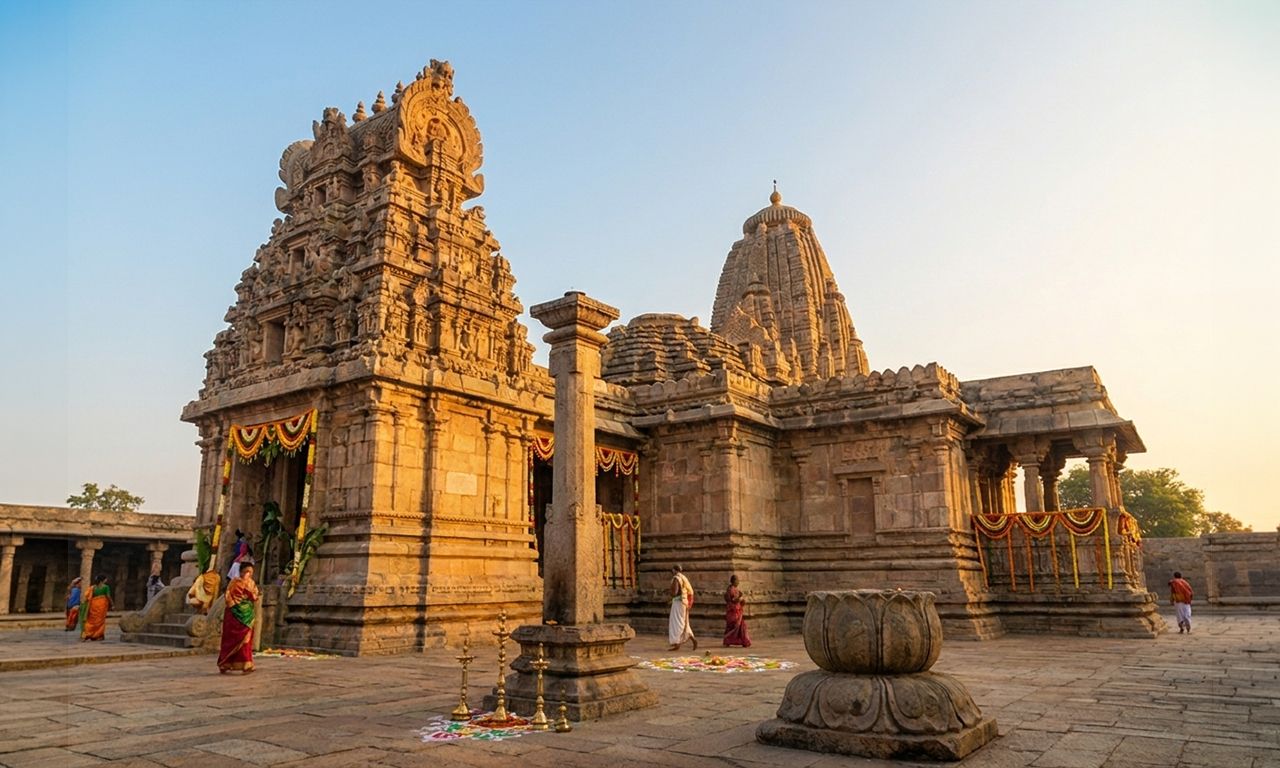
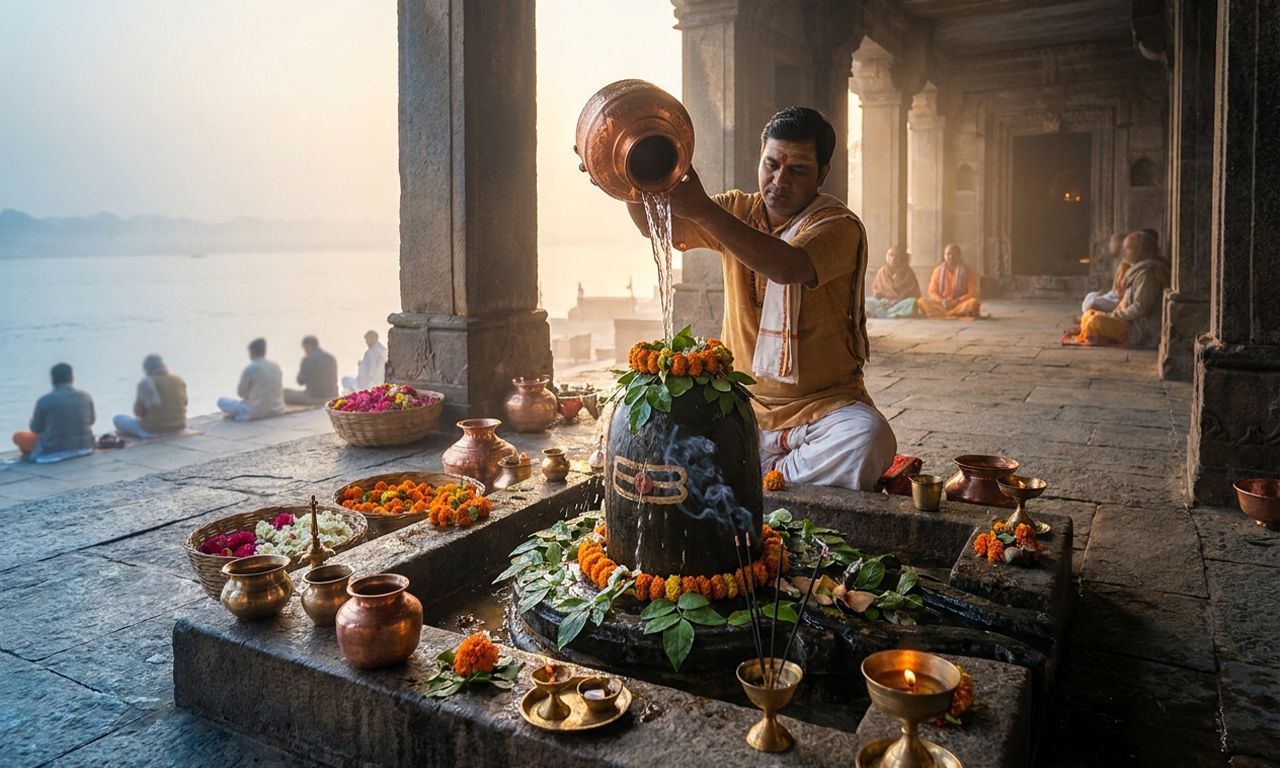
When you join a rudra abhishek puja at Narwar Dham, you are entering a space where the lord shiva puja has been continuously honoured by gestures like this woman's - small, repeated, unrequested. The pandits who conduct the ceremony are inheritors of generations of such gestures. The Dham itself has been built up by the cumulative weight of these acts of attention.
The puja you receive is, in some sense, an inheritance from her and from many like her.
Book a Rudrabhishek and inherit the tradition's accumulated devotion.